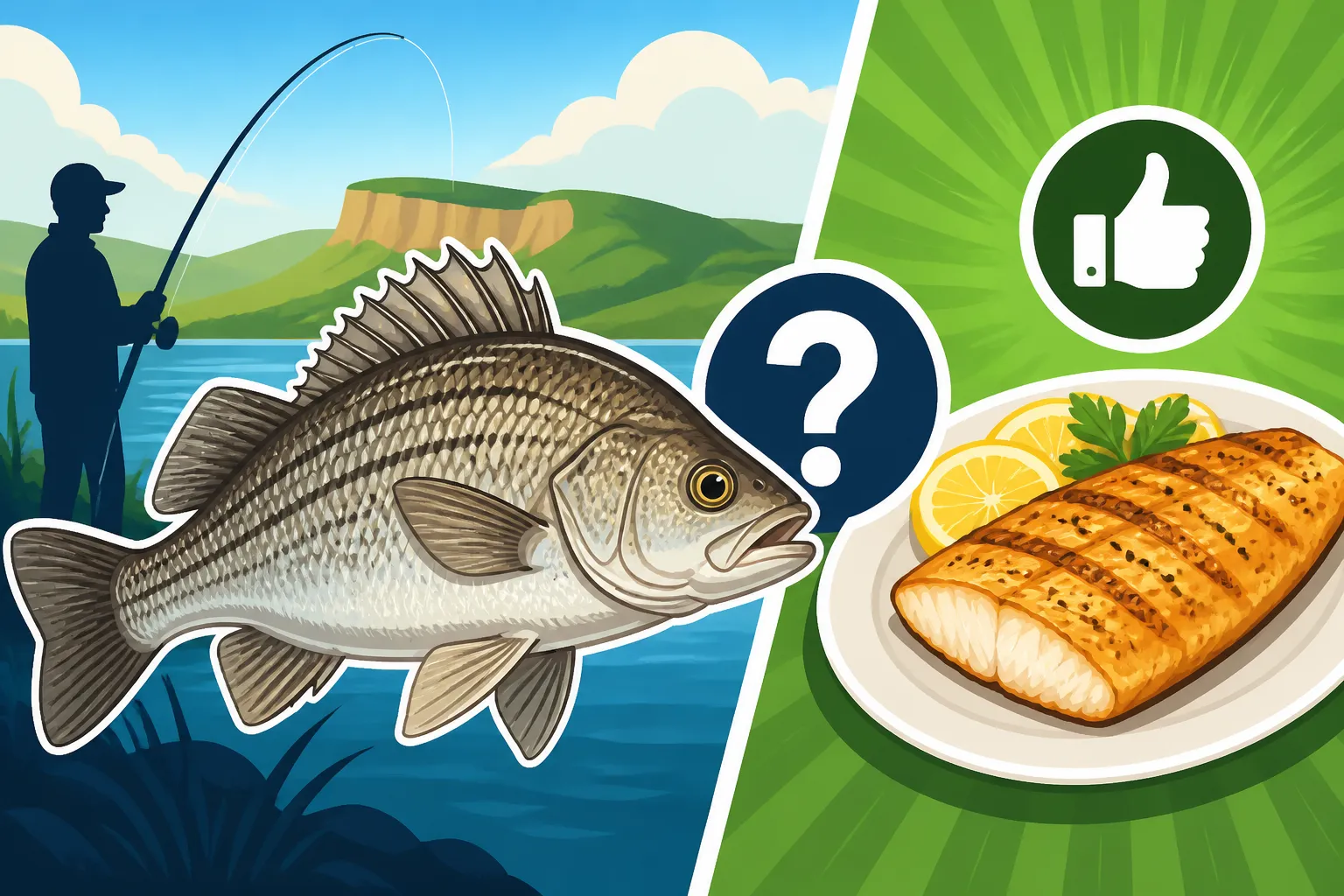
Are Freshwater Drum Good to Eat?
You've just landed a decent-sized freshwater drum, or perhaps you've been catching them all day while targeting other species. A common question quickly pops into mind for many North Dakota anglers: "Are these things actually good to eat, or should I just throw them back?" There's a lot of old-school chatter and misconceptions surrounding the freshwater drum as table fare, and it's time we tackle those head-on. This guide will dive deep into everything you need to know about the edibility of freshwater drum, providing practical tips to ensure a delicious meal from North Dakota's waters.
The Freshwater Drum: An Often Misunderstood Fish in North Dakota Waters
For many, the freshwater drum (also affectionately, or perhaps sometimes dismissively, called a "sheepshead") isn't the first fish that comes to mind when planning a North Dakota fish fry. Walleye, perch, and even northern pike tend to hog the spotlight. But to overlook the drum is to miss out on a truly underrated culinary experience, provided you know how to handle and prepare it. This fish has been unfairly maligned for too long, and it's time to set the record straight on why it deserves a spot on your dinner plate.
What Exactly is a Freshwater Drum?
First off, let's get to know our friend, the freshwater drum. They are native to a huge portion of North America, including much of the central and eastern United States and Canada. In North Dakota, you'll find them thriving in big river systems like the Missouri River and its impoundments, such as Lake Sakakawea and Lake Oahe, as well as the Red River of the North. They're bottom-dwellers, often found in deeper areas, though they'll move shallower to feed.
Visually, they're distinct. They have a high, arched back, a silvery-bronze color, and a deeply forked tail. What really gives them away are those large, reflective scales and a somewhat blunt snout. Sometimes, folks mistake them for a hybrid striped bass or even a smallmouth bass due to their fighting prowess, but they are very much their own species. They're often called "silver bass" by some anglers, but that's a bit of a misnomer since they aren't actually bass. This powerful fighting spirit is one of the reasons they're a blast to catch! While they might not be as glamorous as a trophy walleye, they are a strong, tenacious fish that can provide a thrilling fight on light tackle. In North Dakota, they can grow to impressive sizes, with fish over 10 pounds being relatively common, and true monsters pushing well past that mark. You can find more details on these fish in our Freshwater Drum in North Dakota guide.
Why the Bad Rap? Dispelling Common Myths
So, why the hesitancy surrounding the freshwater drum as table fare? A lot of it stems from old wives' tales and, frankly, improper handling. The two biggest complaints you'll hear are that they're "mushy" and "muddy-tasting." Let's break these down.
The "mushy" perception often comes from the fact that drum, like many fish, have a softer flesh if not cared for immediately after being caught. If you toss a drum into a livewell full of warm water or let it flop around in a bucket for hours, its flesh will indeed soften, and the quality will degrade significantly. This isn't unique to drum; any fish will suffer from this treatment. The key here, which we'll get into, is immediate attention post-catch. Bleeding and icing them down immediately makes a world of difference. It's a bit like comparing a perfectly cooked steak to one that's been left out too long – the initial quality might be there, but handling can make or break the final product.
The "muddy-tasting" myth is another one that needs debunking. While some fish from stagnant or very warm, silty waters can indeed pick up off-flavors, this isn't an inherent trait of the freshwater drum. Their diet, consisting primarily of invertebrates like crayfish, mussels, and insect larvae, actually lends itself to a clean, mild flavor. Again, the "muddy" taste often comes down to improper handling, particularly not bleeding the fish. Blood left in the flesh can contribute to a stronger, less palatable taste, especially as it degrades. Also, larger, older fish from very warm, slow-moving waters might have a stronger flavor, just like with any species. Focusing on smaller to medium-sized fish from cooler, cleaner North Dakota waters will almost always yield excellent results.
Taste and Texture: What to Expect from North Dakota Drum
When you actually get past the myths and prepare a freshwater drum correctly, you're in for a pleasant surprise. This isn't a fish you have to "doctor up" to make palatable; it truly stands on its own as a delicious and versatile protein. It's time to judge this book by its actual flavor and texture, not by outdated prejudices.
The Flavor Profile of Freshwater Drum
Let's talk taste. A properly handled freshwater drum from North Dakota has a remarkably mild flavor. It's a firm, white-fleshed fish, often compared favorably to cod, haddock, or even walleye and perch, especially if you get it from clean, cool water. The taste is not overly fishy; it's subtle enough to take on the flavors of your seasonings and cooking methods, making it incredibly versatile in the kitchen.
Several factors influence the taste. The water temperature and clarity play a huge role. Fish from the cooler, flowing sections of the Missouri River Fishing Guide or the deeper, clearer waters of Lake Sakakawea Fishing Guide for North Dakota Anglers will almost always have a cleaner taste than those from warmer, shallower, or murkier environments. Additionally, the size of the fish matters. Generally, smaller to medium-sized drum, say in the 1 to 3-pound range, are considered the best eating. Their flesh is firmer and milder. The larger, older fish can sometimes develop a coarser texture and a slightly stronger flavor, though still perfectly edible. Interestingly, a fish's diet can also subtly influence its flavor, much like What Do Walleye Eat in North Dakota Lakes? can influence them, or What Do Northern Pike Eat? influences their taste.
Tackling the Texture Challenge
Now, onto the texture – the infamous "mushy" complaint. As we discussed, this is almost entirely a handling issue, not an inherent flaw of the fish itself. When a freshwater drum is properly bled and iced immediately after capture, its flesh transforms. Instead of being soft, it becomes firm, flaky, and moist, much like a good walleye fillet.
To achieve this ideal texture, the process starts literally seconds after you land the fish. Bleeding is critical. A quick cut to the gills, allowing the fish to bleed out, removes much of the blood that can contribute to off-flavors and a softer texture. Then, get that fish on ice, and I mean on ice, not just in a cooler with some warm water. Pack it thoroughly with ice to chill it rapidly. This swift cooling stops the enzymatic breakdown of the flesh, which is what leads to that undesirable "mushy" texture.
When you're filleting, you'll find the meat is robust. Skinning is highly recommended, as the skin can sometimes contribute a stronger flavor, especially on larger fish. Also, pay attention to the dark red meat along the lateral line – trim that out! It’s similar to what you might do with a salmon or even a larger trout. Removing this darker muscle often yields a cleaner, milder fillet. If you follow these steps, you'll find the texture to be surprisingly firm and delicious, capable of holding up beautifully to various cooking methods.
Catching and Preparing Freshwater Drum for the Table
Getting a great meal from freshwater drum isn't just about cooking; it starts with how and where you catch them, and how you handle them the moment they come out of the water. Think of it as a farm-to-table process, but for fish!
Best Practices for Catching Eating-Quality Drum
To maximize your chances of catching the best-tasting drum, consider where you're fishing. Generally, fish from cooler, cleaner, more oxygenated waters will taste better. This means focusing on major river systems like the Missouri River, or large, deep reservoirs like Lake Sakakawea, especially during cooler times of the year or in deeper sections. The Red River of the North Fishing Guide also holds an abundance of quality drum, particularly those caught from the main channel where current keeps the water moving.
Freshwater drum are typically bottom feeders, so traditional bottom-fishing rigs with live bait are highly effective. Nightcrawlers, shrimp, or cut bait presented on a circle hook with a bottom bouncer or a simple weight will do the trick. Many anglers catch them incidentally while targeting channel catfish or walleye, which is a testament to their widespread presence. They're not picky eaters, and their strong bite means you won't be bored waiting for a strike! If you're specifically targeting them for the table, aim for those 1 to 3-pounders. They're more abundant and generally offer superior table quality compared to the behemoths.
From Water to Cooler: Ensuring Freshness
This is arguably the most crucial step in turning a freshwater drum into a delicious meal. The moment that drum hits the deck, the clock starts ticking.
- Bleed Immediately: As soon as you land the fish, make a quick, clean cut to the gill arches. This allows the blood to pump out, which dramatically improves the flavor and helps firm up the flesh. You'll be amazed at the difference this simple step makes.
- Ice Down Thoroughly: After bleeding, get the fish into a cooler packed full of ice. Don't just throw a few cubes in; you want the fish submerged in slush or completely covered by ice. The goal is to drop its core temperature as quickly as possible. This halts the enzymatic processes that cause the flesh to soften and prevents off-flavors from developing. A quality cooler, like many available on Amazon, can keep your catch perfectly chilled even on the hottest North Dakota summer days. This fast-cooling method is a game-changer and applies to almost all fish you plan to eat. If you're looking for good options, check out our guide on Best Coolers for Keeping Fish Fresh.
Cleaning and Filleting Tips
Cleaning a freshwater drum is straightforward, much like filleting other white-fleshed fish.
- Skinning is Key: Unlike some fish where you might leave the skin on for certain cooking methods, it's generally recommended to skin freshwater drum. The skin can be tough and, as mentioned, can contribute a stronger flavor.
- Remove the Red Meat: Once you've filleted the fish, look for the strip of dark red meat along the lateral line, especially on larger specimens. This dark meat tends to have a stronger, somewhat "gamey" flavor. Take the extra minute to trim this away. You'll be left with pure, white, clean-tasting flesh.
- Rinse and Store: Give your fillets a quick rinse in cold water, pat them dry, and then either cook them immediately or store them on ice (for short periods) or vacuum seal and freeze them. Freezing correctly will preserve the quality for later enjoyment.
If you're new to filleting, you can adapt many of the techniques used for other species. Our guide on How to Clean a Channel Catfish might offer some useful visual or step-by-step pointers that can be applied to the drum. Having a sharp fillet knife is essential, and many anglers swear by the ones found in our Best Fillet Knives for Walleye and Pike article. A good, sharp knife makes the whole process easier and safer.
Cooking Freshwater Drum: Recipes and Techniques
Once you have those beautiful, clean fillets in hand, the real fun begins! Freshwater drum is incredibly versatile, making it a fantastic canvas for a wide range of culinary creations. Don't be afraid to experiment; you might just discover a new family favorite.
Versatile Cooking Methods for Drum
The firm, flaky flesh of a properly prepared freshwater drum holds up well to various cooking methods.
- Frying: This is the classic North Dakota fish fry method, and drum excels here. A light breading or batter, deep-fried until golden brown, results in a crispy exterior and a tender, moist interior.
- Baking: For a healthier option, baking is fantastic. Place fillets on a baking sheet, drizzle with olive oil, season with herbs (dill, parsley, thyme work well), lemon slices, and a touch of salt and pepper. Bake until flaky.
- Grilling: If you love the smoky flavor of grilled fish, drum fillets can be grilled. Keep the pieces fairly thick or use a fish basket to prevent them from falling apart. Marinating beforehand can also help keep them moist.
- Smoking: For those who enjoy smoked fish, drum can be a surprisingly good candidate. Its mild flavor takes on the smoke beautifully. You might want to brine the fillets first for added flavor and moisture.
- Stew or Chowder: The firm flesh also stands up well in fish stews, chowders, or even a hearty fish curry, absorbing the flavors of the broth and spices without falling apart.
Popular North Dakota-Friendly Recipes
Let's get specific with a couple of easy ideas that will make you a believer.
-
Classic Pan-Fried Drum:
- Pat your drum fillets dry.
- Dredge them in a mixture of flour, cornmeal (for extra crispiness), salt, pepper, and a pinch of paprika or cayenne for a little kick.
- Fry in a hot pan with a good amount of oil (canola, vegetable, or peanut oil are great) until golden brown and cooked through (about 3-5 minutes per side, depending on thickness).
- Serve with tartar sauce, coleslaw, and a squeeze of fresh lemon. It's simple, it's quick, and it's absolutely delicious.
-
Baked Lemon-Herb Drum:
- Preheat oven to 375°F (190°C).
- Place fillets on a lightly oiled baking dish.
- Brush with melted butter or olive oil.
- Sprinkle generously with a mix of dried dill, garlic powder, onion powder, salt, and pepper.
- Top with thin slices of lemon.
- Bake for 12-18 minutes, or until the fish flakes easily with a fork. This method keeps the fish moist and lets its natural, mild flavor shine.
-
Fish Tacos:
- Cut drum fillets into strips.
- Lightly season with taco seasoning (many great options available on Amazon!).
- Pan-fry or bake the strips.
- Serve in warm tortillas with shredded cabbage, a creamy sauce (like a lime crema), salsa, and fresh cilantro. The flakiness of the drum is perfect for tacos!
Tips for Enhancing Flavor and Texture
Even with proper handling, there are a few extra steps you can take to elevate your drum experience.
- Marinating: A quick marinade can do wonders. A simple lemon-garlic-herb marinade or even soaking the fillets in milk or buttermilk for 30 minutes to an hour can further tenderize the flesh and draw out any lingering mild "fishiness."
- Acidity is Your Friend: Incorporate acidic ingredients like lemon juice, lime juice, or vinegar into your cooking. They brighten the flavor of white fish and can help break down any remaining tougher fibers, enhancing the overall texture.
- Don't Overcook: This is a golden rule for all fish. Overcooked fish becomes dry and tough, no matter the species. Cook until the fish is opaque and flakes easily with a fork, then remove it from the heat. A digital meat thermometer is a great tool to ensure perfect doneness, aiming for an internal temperature of around 145°F (63°C).
- Seasoning: Don't be shy with your seasonings! Drum's mild flavor means it's an excellent canvas for spices. Whether you prefer a Cajun blend, simple salt and pepper, or an array of fresh herbs, the fish will absorb those flavors beautifully. Many specialty seasoning blends can be found on Amazon to expand your culinary horizons.
To help you decide on a cooking method, here’s a quick comparison:
| Cooking Method | Best For | Pros | Cons | Flavor Impact |
|---|---|---|---|---|
| Frying | Crispy texture, classic fish fry | Quick, popular, creates a nice crust | Can be greasy, requires more oil | Richer, savory, excellent with batter |
| Baking | Healthy, hands-off | Easy cleanup, moist fish | Less crispy, can be bland if under-seasoned | Mild, clean, takes on herb flavors |
| Grilling | Smoky flavor, outdoor cooking | Good texture, char marks | Can stick, may dry out if overcooked | Smoky, firm, good with marinades |
| Smoking | Unique, rich flavor | Preserves fish, distinct taste | Requires smoker, longer prep/cook time | Deep, savory, can be sweet or spicy |
| Stew/Chowder | Comfort food, hearty dishes | Fish holds shape, absorbs broth | Can get lost in complex flavors | Blends with stew flavors, comforting |
So, the next time you reel in a freshwater drum from a North Dakota lake or river, don't just toss it back with a sigh. With a little care in handling and proper preparation, you'll find that these often-underestimated fish are indeed good to eat—and surprisingly delicious! Give them a chance, and they might just become a regular feature on your fishing trip menu.
Disclaimer
This article is for general informational purposes only and does not constitute professional advice. Laws, prices and regulations vary by location and change over time. Consult a qualified professional for guidance on your specific situation.