Freshwater Drum in North Dakota
When you think about fishing in North Dakota, your mind probably jumps straight to walleye, northern pike, or maybe even those giant Red River channel catfish. But there's a truly tenacious, often underestimated fighter lurking in our waters that deserves some serious attention: the freshwater drum. Many anglers overlook this species, perhaps due to old wives' tales or just a lack of familiarity, but they're a blast to catch and surprisingly good on the plate. This comprehensive guide will help you understand, locate, catch, and even enjoy eating this unique North Dakota fish, debunking myths along the way.
Understanding the Freshwater Drum: North Dakota's Unsung Fighter
Let's be honest, the freshwater drum doesn't always get the respect it deserves in angling circles. Maybe it's the slightly intimidating name, or perhaps it's simply overshadowed by its flashier cousins. But I'm here to tell you, these fish are an integral part of our aquatic ecosystem and offer a thrilling fight on the end of your line.
What Exactly is a Freshwater Drum?
The freshwater drum, scientifically known as Aplodinotus grunniens, is North America's only freshwater member of the drum family, which largely consists of saltwater species. You might hear them called "sheephead" in some parts of the country, or even "gaspergou," but "drum" is the most common moniker, and for a good reason. They get their name from the unique drumming or grunting sound males produce during spawning season, created by vibrating muscles against their swim bladder. It’s quite a spectacle if you ever happen to be near a spawning area!
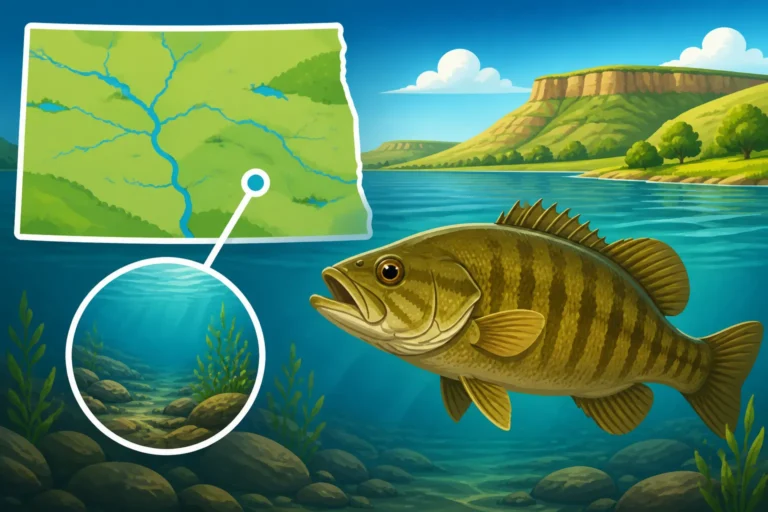
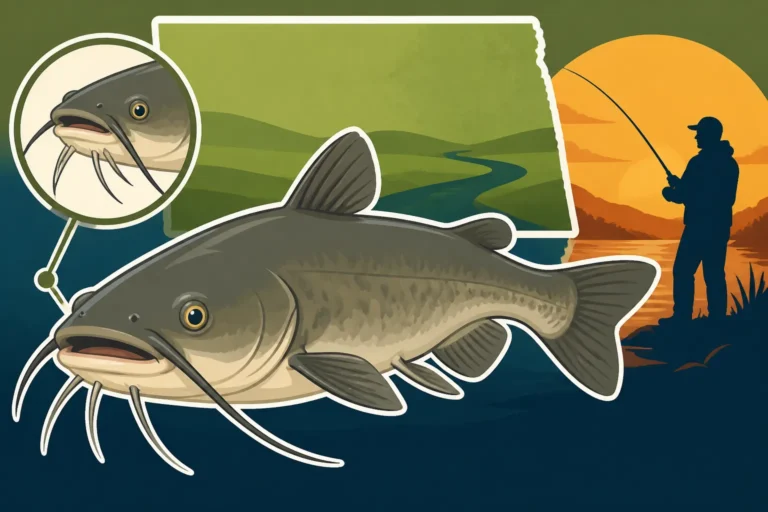
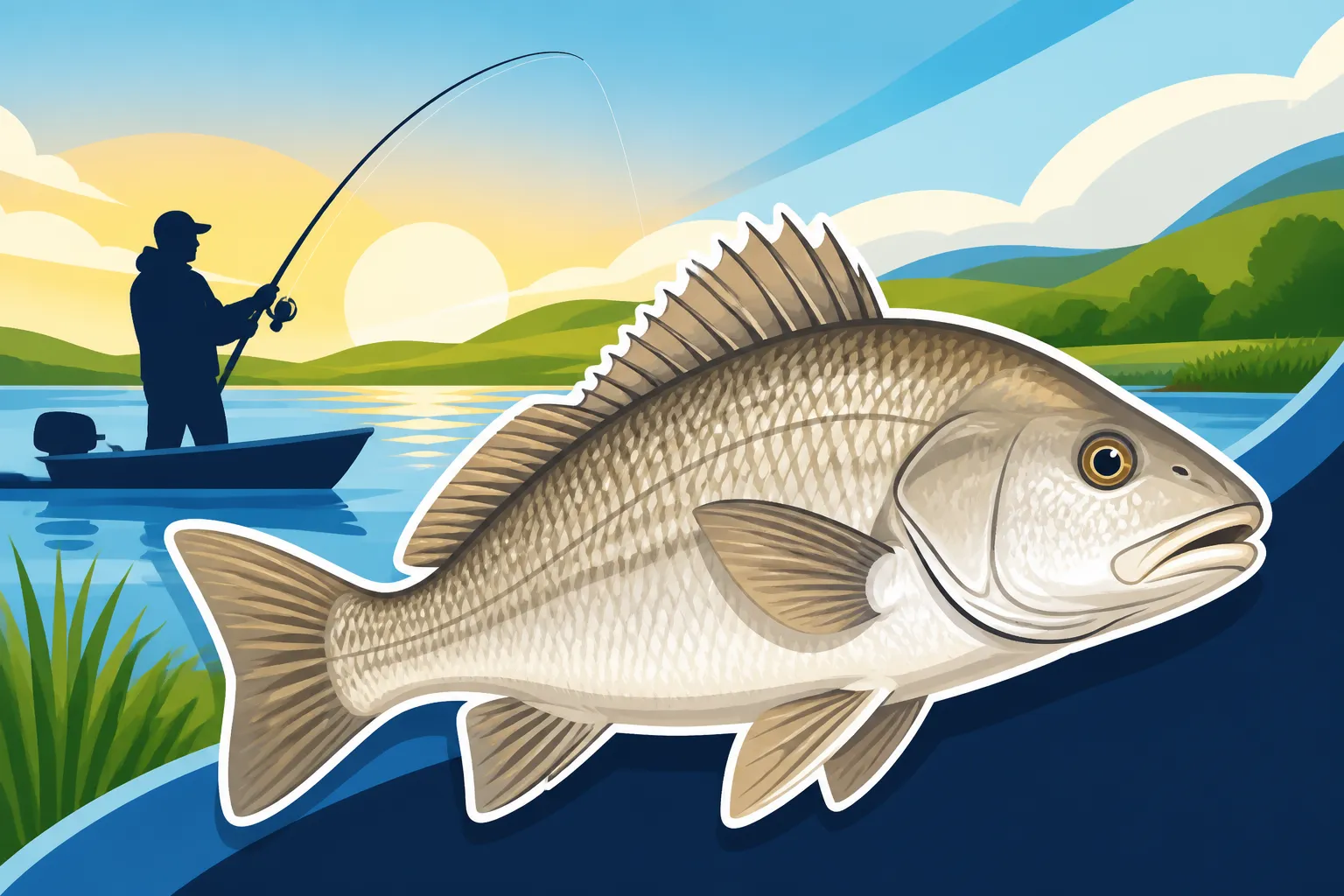
Physically, freshwater drum have a rather deep, somewhat flattened body, with a distinctly humped back. Their color can vary, usually a silvery-gray or brownish-gray on top, fading to a lighter, silvery belly. They have a long dorsal fin and a rounded tail. What really stands out about them is their powerful, crushing pharyngeal teeth, located in their throat, which they use to pulverize the shells of mollusks and crustaceans. This tells you a lot about their diet, but we'll get to that later. They can grow quite large in North Dakota, with specimens over 10 pounds being relatively common, and true giants pushing past 20 pounds not unheard of! Compared to a walleye, they're much deeper-bodied and have a different fin structure, and they lack the whiskered barbels of a channel catfish.
The Drum's Place in North Dakota's Ecosystem
The freshwater drum is a native species to North Dakota, thriving in many of our large rivers and reservoirs. They aren't an invasive species trying to muscle out other fish; they've been here all along, playing a vital role in the health of our aquatic environments. As bottom feeders, they help churn up sediment and consume a wide array of organisms, including snails, clams, crayfish, and various insect larvae. This dietary habit places them firmly within the food chain, acting as both predator and prey.
Their presence indicates a healthy, diverse aquatic system. They contribute to the biomass of the waterbody and serve as a food source for larger predators, including the very walleye and pike that often get all the glory. You won't find specific management plans often solely focused on drum, simply because their populations are generally robust and self-sustaining, not typically requiring stocking like some other species. They're a testament to the resilience and natural balance of our North Dakota waters.
Where to Find Freshwater Drum in North Dakota
One of the great things about freshwater drum is their widespread distribution across many of North Dakota's premier fishing destinations. While they might not be the target species for every angler, knowing where they lurk means you're more likely to stumble upon a fantastic fight when you least expect it, or you can even target them specifically for a fun day out.
Major Rivers and Their Drum Populations
North Dakota's expansive river systems are prime real estate for freshwater drum, particularly the larger, slower-moving stretches. These areas provide the perfect blend of current, depth, and forage that drum absolutely love.
The Missouri River is arguably one of the best places to encounter freshwater drum. From the stretches below Garrison Dam all the way down through Bismarck and into Lake Oahe, the drum thrive in the deeper holes, current breaks, and rocky structures. They'll often congregate in the slower eddies right next to strong currents, where they can ambush prey without expending too much energy. If you're drifting bait for walleye or catfish along the main channel, chances are you'll hook into a drum or two. They particularly love areas with a mixed bottom of sand, gravel, and rock, where those tasty mollusks they feed on are abundant. When exploring this mighty waterway, remember that understanding the currents and depths is key, and our Missouri River Fishing Guide offers a wealth of information to help you navigate these waters.
Similarly, the Red River of the North, famous for its monster catfish, also holds a robust population of freshwater drum. While catfish often steal the show, drum are present throughout the river, especially in the deeper bends and scour holes where the current slows. They'll often be found in the same areas as catfish, making them a common "bycatch" for those targeting whiskers. The muddy bottoms and abundant invertebrate life in the Red River create an ideal environment for drum to forage. If you're fishing near Grand Forks or Fargo, don't be surprised to feel a heavy thud on your line that turns out to be a feisty drum. Our Red River of the North Fishing Guide has more details on this incredible fishery.
The James River is another significant waterway in eastern North Dakota where drum can be found, particularly in its lower stretches. While it doesn't boast the same size or volume as the Missouri or Red, it offers calmer, meandering sections that provide good drum habitat, especially in areas with deeper pools and stable banks.
Lakes and Reservoirs with Drum Presence
Beyond the rivers, North Dakota's colossal reservoirs are also home to thriving drum populations, offering different angling challenges and opportunities.
Lake Sakakawea, our largest reservoir, supports a significant number of freshwater drum. While walleye and salmon are often the main draw, drum are widespread, particularly in the lower two-thirds of the lake where the water is deeper and the habitat more riverine-like. They prefer areas with rocky points, submerged humps, and the main lake basin where they can find structure and food. Anglers targeting walleye with bottom bouncers or jigs will frequently hook into drum, especially when fishing near channel edges or rocky reefs. These fish can grow quite large in Sakakawea, benefiting from the vast forage base. Navigating this immense body of water can be daunting, but our Lake Sakakawea Fishing Guide for North Dakota Anglers can give you a head start on finding prime spots.
Further south, Lake Oahe also boasts healthy drum numbers. As an extension of the Missouri River system, Oahe's characteristics—deep channels, expansive flats, and varied bottom content—are perfect for drum. They are commonly found in the main lake where current is present, as well as in the larger bays and tributary arms. Like Sakakawea, Oahe's drum are often caught incidentally by anglers pursuing walleye or other game fish, but once you feel their pull, you might just start targeting them. For more insights into this productive fishery, check out our Lake Oahe Fishing Guide.
Freshwater Drum Fishing Techniques and Tips
So, you're ready to tackle a freshwater drum? Excellent! These fish are surprisingly strong for their size, offering a robust fight that can really test your gear and your angling skills. They're not picky eaters, which makes them a fun and accessible target for anglers of all experience levels.
Best Baits and Lures for Drum
Drum are bottom feeders by nature, and their diet primarily consists of invertebrates. This knowledge is your biggest advantage when selecting baits.
Live Bait: This is hands-down the most effective way to catch freshwater drum.
- Nightcrawlers or Worms: A classic for a reason! Drum absolutely love a juicy nightcrawler. Threading a full worm or a half-worm onto a hook allows for plenty of scent and natural movement. They are usually readily available at bait shops, or you can even find them in your own backyard after a good rain.
- Minnows: While not their primary food source, a lively minnow can entice a larger drum, especially if it's struggling near the bottom.
- Crayfish: If you can get your hands on them, crayfish are a drum delicacy. Their hard shells are no match for a drum's crushing pharyngeal teeth.
- Cut Bait: For a super scent trail, try small chunks of cut bait, like shad or carp. This is particularly effective in stained or muddy waters, like parts of the Red River, where fish rely more on scent than sight. You can find pre-packaged cut bait options or process your own.
Artificial Lures: While live bait is king, artificials can also be effective, especially when you're actively searching for fish.
- Jigs: A jig tipped with a plastic grub, minnow imitation, or even a piece of worm can be deadly. Bounce it along the bottom, letting it stir up a little puff of mud, which can attract curious drum. Colors like chartreuse, white, or brown often work well.
- Crankbaits: Deep-diving crankbaits that wobble and dig into the bottom can also trigger strikes, especially from more aggressive drum.
- Spoons: Casting or vertically jigging heavy spoons near the bottom can imitate dying baitfish or other forage, drawing strikes.
When considering your bait choices, a lot of options are available. You can easily find a wide variety of live bait containers and artificial lure options through retailers like Amazon, making it convenient to stock up before your next trip. Our guide on Best Bait for North Dakota Fishing provides even more general insights into what works across various species in our state.
Rigging and Presentation for Success
Since drum are primarily bottom feeders, your rigging needs to get your bait down to where they are.
Bottom Rigs: The most straightforward approach is a simple bottom rig.
- Slip Sinker Rig: This is a fantastic choice. Tie a hook (a strong Aberdeen or circle hook in sizes #1 to 3/0 works well) to your main line, then add a small barrel swivel a foot or two above it. Above the swivel, thread on an egg sinker (1/2 to 1 ounce, depending on current) that can slide freely. The free-sliding sinker allows the fish to pick up the bait without feeling the weight of the sinker, preventing them from dropping it. This setup is excellent for both rivers and stiller waters.
- Three-Way Swivel Rig: In stronger currents, a three-way swivel can be effective. Tie your main line to one eye, a short leader (6-12 inches) with a bell sinker to another, and a longer leader (18-36 inches) with your baited hook to the third. This keeps your bait slightly off the bottom and in the strike zone.
Current Considerations: In rivers like the Missouri or Red, understanding current is vital. Drum will often position themselves just out of the main current, in seams or eddies, conserving energy while waiting for food to drift by. Cast your rig slightly upstream and allow it to drift naturally into these holding areas. Adjust your sinker weight to ensure your bait is ticking the bottom but not getting swept away too quickly.
Seasonal Adjustments: While drum can be caught year-round, their activity peaks in warmer months. In spring and fall, they might be found in slightly shallower waters as they follow baitfish or prepare for spawning/winter. In summer, they'll often retreat to deeper, cooler sections of rivers and reservoirs. Fishing deeper humps and main channel breaks in Lake Sakakawea during summer often puts you right on top of them.
When it comes to the right gear, a medium-heavy spinning rod or baitcasting setup with 10-20 pound test monofilament or braided line is a solid choice. You want something with enough backbone to handle their powerful runs. You can find a wide selection of suitable rods and reels on Amazon, often with helpful reviews from other anglers. For more general advice on fishing line, our guide Best Fishing Line for North Dakota Lakes offers valuable insights.
Fighting and Landing These Hard-Pulling Fish
You've got a bite! Now, be prepared for a fight. Freshwater drum are known for their strong, bulldog-like pulling power. They don't make spectacular jumps or acrobatic displays, but they'll dig deep, shake their heads, and often run horizontally, making you think you've hooked something much larger.
When you feel that solid thump on your line, set the hook firmly. Then, keep your rod tip up and maintain steady pressure. Don't try to horse them in too quickly; let your rod and reel do the work. They'll often make several strong runs before you can bring them to the net. Because they often feed in areas with snags, like rocky bottoms or submerged timber, using a heavier line and a rod with good backbone can prevent break-offs. A medium-heavy to heavy power rod, about 6'6" to 7'6" long, paired with a reliable spinning or baitcasting reel with a smooth drag system, will serve you well. For larger drum, a landing net is incredibly helpful, saving your hands and making the landing process smoother. While primarily intended for bigger fish, a good sturdy net like those recommended in Best Landing Net for Landing Big Pike would work perfectly for trophy drum as well.
Remember, the fight is part of the fun! Take your time, enjoy the powerful tugs, and appreciate the resilience of this often-underappreciated fish.
Freshwater Drum: Eating Qualities and Preparation
Here's where we tackle the biggest misconception about freshwater drum: their edibility. Many anglers will tell you they're "trash fish" or only good for bait. I'm here to tell you that's just not true, especially in the clean, cold waters of North Dakota. With proper handling, freshwater drum can be a delicious addition to your dinner plate!
Are Freshwater Drum Good to Eat? Debunking the Myths
Absolutely, yes! Freshwater drum are good to eat, and can actually be quite tasty. The myth that they are poor table fare likely stems from a few factors:
- Improper Handling: Like many fish, if a drum isn't bled and iced immediately after catching, its flesh can become soft and "muddy" tasting. This is true for walleye, pike, and even trout – freshness is key.
- Size: Larger, older drum can develop tougher, coarser meat. Smaller to medium-sized drum (2-5 pounds) tend to have the best texture and flavor.
- Water Quality: In polluted or stagnant waters, any fish can taste off. In North Dakota's generally clean rivers and lakes, drum quality is usually excellent.
Their meat is white, flaky, and has a mild flavor, sometimes compared to red snapper or even cod. There's no strong "fishy" taste if handled correctly. In fact, many restaurants in regions where drum are more popular proudly serve them. Don't let old prejudices keep you from trying this surprisingly good fish! Our article Are Freshwater Drum Good to Eat? dives even deeper into this topic.
Cleaning and Filleting for the Table
Proper cleaning is crucial for maximizing the taste of freshwater drum.
- Bleed Immediately: As soon as you catch a drum you intend to keep, bleed it by cutting a gill arch. This quickly drains the blood, which can contribute to off-flavors.
- Ice Down: Get the fish on ice as quickly as possible. This stops bacterial growth and keeps the flesh firm.
- Filleting: Drum have large, heavy scales and a thick skin. Using a sharp, sturdy fillet knife is essential. Best Fillet Knives for Walleye and Pike would also be an excellent choice for drum.
- Step 1: Scales or Skin? You can either scale them thoroughly or, more commonly, simply fillet the meat off the skin. For drum, skinning is usually easier due to the toughness of their scales.
- Step 2: Remove Fillets: Start by cutting behind the gill plate down to the backbone. Then, turn your knife parallel to the backbone and run it down the length of the fish, separating the fillet. Repeat on the other side.
- Step 3: Skinning the Fillet: Lay the fillet skin-side down. Hold the tail end firmly, insert your knife between the skin and meat at a shallow angle, and saw back and forth while pulling the skin.
- Step 4: Removing the "Mud Line": This is perhaps the most important step for drum. Along the lateral line (the visible line running down the side of the fish), there is often a darker, reddish band of meat. This is where most of any "muddy" flavor can reside. Simply trim this dark strip away from the white meat. You'll be left with beautiful, clean fillets.
Simple and Delicious Drum Recipes
Once you have those clean, white fillets, the possibilities are endless. Keep it simple to let the natural, mild flavor shine through.
- Pan-Fried Drum: This is my absolute favorite way to prepare them.
- Pat the fillets dry.
- Season with salt, pepper, garlic powder, and a touch of paprika.
- Dredge lightly in seasoned flour or a breading mix (cornmeal-based breading works wonders).
- Heat oil (vegetable, canola, or peanut) in a skillet over medium-high heat until shimmering.
- Fry for 3-5 minutes per side, depending on thickness, until golden brown and flaky. Don't overcrowd the pan.
- Baked Drum: A healthier option that still delivers on flavor.
- Place fillets on a greased baking sheet.
- Drizzle with olive oil, lemon juice, and sprinkle with your favorite herbs (dill, parsley, thyme are great).
- Bake at 375°F (190°C) for 10-15 minutes, or until the fish flakes easily with a fork.
- Grilled Drum: Perfect for a summer evening.
- Brush fillets with oil and season well.
- Grill over medium-high heat for 3-4 minutes per side. Use a fish basket or foil to prevent sticking.
The key with drum, like many lean white fish, is not to overcook them. They cook quickly, and overcooking can dry them out. Serve with fresh lemon wedges, tartar sauce, and your favorite side dishes for a truly satisfying meal.
Conservation and Management of Freshwater Drum
While freshwater drum aren't typically a prized game fish for most anglers, they are still a valuable component of North Dakota's diverse aquatic ecosystems. Understanding their role and how we interact with them ensures these robust populations continue to thrive for future generations.
Drum's Role in North Dakota Fisheries Management
North Dakota's fisheries management largely focuses on species like walleye, northern pike, and channel catfish, which are subject to specific size and creel limits. However, the freshwater drum plays an important, albeit often unsung, role within these systems. They are a significant part of the overall fish biomass and a food source for larger predators, especially as juveniles. Their bottom-feeding habits also help cycle nutrients and disturb sediments, which can have various ecological effects.
Because drum populations are generally robust and resilient, typically reproducing successfully on their own without human intervention, specific regulations for them are often quite liberal or non-existent. You'll usually find that drum can be harvested with no daily limit or size restrictions, falling under the general fishing regulations. This reflects their healthy population status and their ecological role. Nevertheless, even without strict limits, responsible angling practices are always important to ensure the health of our fisheries. You can find detailed information on overall fishing regulations in our comprehensive North Dakota Fishing Regulations Explained guide.
Sustainable Angling Practices
Just because there isn't a strict limit on freshwater drum doesn't mean we should take their presence for granted. Practicing sustainable angling is vital for all species, ensuring a healthy environment for everyone.
- Catch and Release: If you're not planning to eat them, release drum quickly and carefully. Minimize their time out of water, handle them gently, and if possible, keep them in the water while removing the hook. This gives them the best chance of survival. Even though they're tough fish, stress can take its toll.
- Minimize Stress: If a fish is deeply hooked, consider cutting the line close to the hook rather than trying to rip it out, especially if you're releasing it.
- Responsible Harvest: If you do decide to keep drum for eating, take only what you will realistically consume. Remember, the smaller to medium-sized fish are generally better for the table. Don't waste fish, and only keep what you can properly store and prepare.
- Protect Habitats: Always be mindful of the environment. Don't leave trash or discarded fishing line behind. Take care when navigating boats or walking along shorelines to avoid disturbing sensitive areas. Understanding where Fish Species Found in North Dakota Lakes and Rivers thrive helps us protect those critical habitats.
By adopting these practices, we ensure that the freshwater drum, North Dakota's often-overlooked fighting fish, continues to thrive and provide enjoyable angling and culinary experiences for years to come.
Here’s a quick comparison of Freshwater Drum with a couple of other popular North Dakota fish:
| Feature | Freshwater Drum | Walleye | Channel Catfish |
|---|---|---|---|
| Appearance | Deep-bodied, silvery-gray, humped back, rounded tail | Sleek, olive-gold, reflective eyes, spiny dorsal fin | Long, slender, whiskered barbels, forked tail |
| Typical Size | 2-10 lbs (can exceed 20 lbs) | 1-5 lbs (can exceed 10 lbs) | 2-15 lbs (can exceed 30 lbs) |
| Primary Habitat | Deeper holes, current breaks, rocky/sandy bottoms in rivers & reservoirs | Rocky reefs, weed lines, open water, structure in lakes & rivers | Deep holes, snags, muddy bottoms in rivers & lakes |
| Diet | Crayfish, mollusks, insects, small fish | Minnows, shiners, perch, insects | Smaller fish, insects, crustaceans, carrion |
| Fight Style | Strong, bulldog-like pull, head shakes | Quick bursts, often deep runs | Powerful, sustained runs, often near bottom |
| Preferred Bait | Nightcrawlers, cut bait, crayfish, jigs | Live minnows, leeches, worms, crankbaits, jigs | Cut bait, stink bait, worms, chicken livers |
| Edibility | Good, white flaky meat (trim "mud line") | Excellent, firm white meat | Excellent, firm white meat |
Disclaimer
This article is for general informational purposes only and does not constitute professional advice. Laws, prices and regulations vary by location and change over time. Consult a qualified professional for guidance on your specific situation.