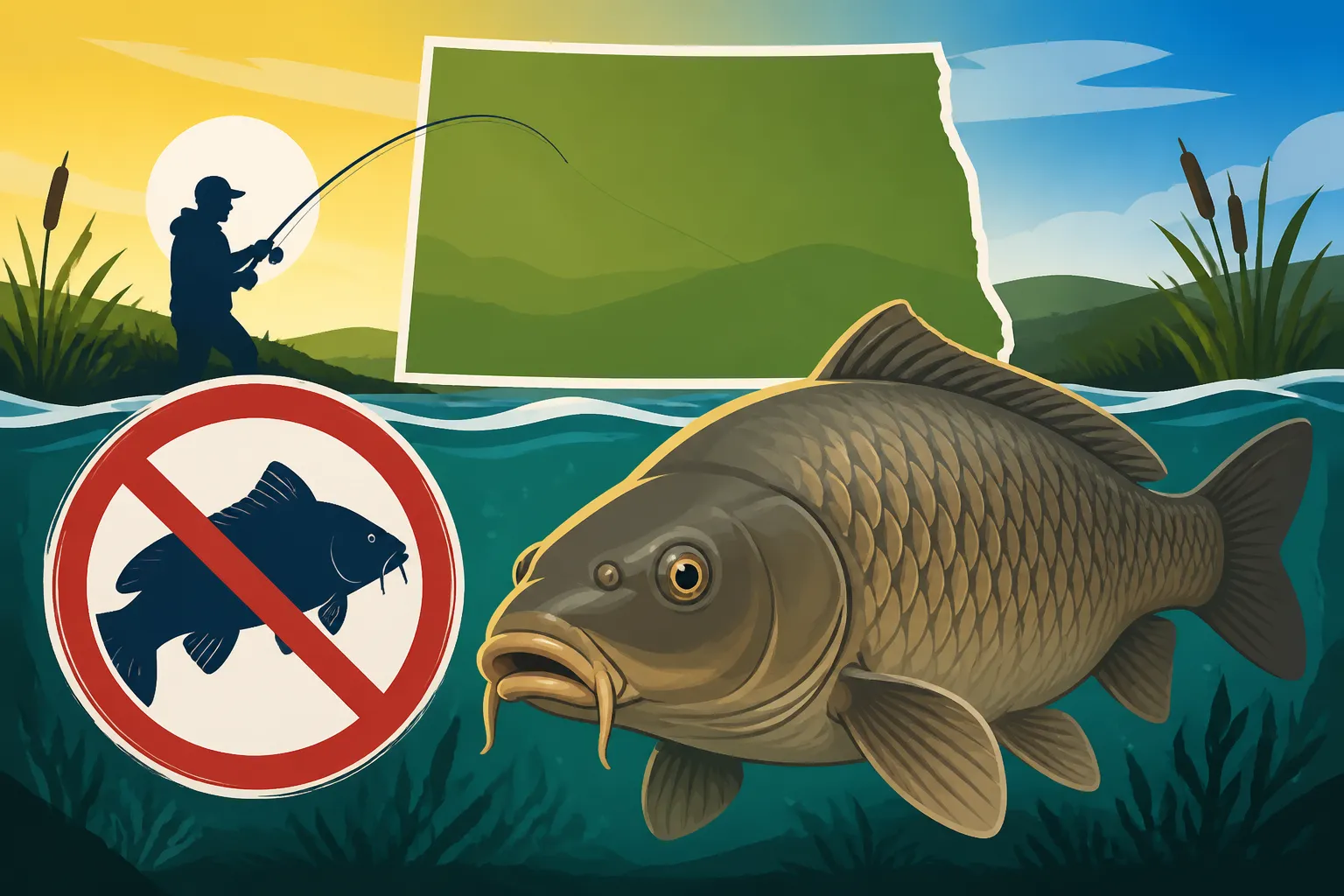
Invasive Carp in North Dakota Waters
It's a tough pill to swallow, but the reality is that North Dakota, like many states, faces a growing concern with invasive species in its precious waterways. One of the most talked-about threats is invasive carp, which can wreak havoc on our native fish populations and delicate aquatic ecosystems. This comprehensive guide is here to shed light on what these carp are, where they're causing problems, and most importantly, what you, as a responsible angler, can do to help manage their spread and protect our beloved North Dakota fishing heritage.
What Are Invasive Carp and Why Are They a Problem in North Dakota?
When we talk about "invasive carp," we're not just talking about the common carp that have been present in North Dakota for a long time. These are a different breed of fish, typically introduced from Asia, that pose a far greater threat due to their aggressive nature, rapid reproduction, and devastating impact on the environment. Understanding them is the first step in combating their spread and preserving our lakes and rivers for future generations of anglers.
Identifying the Different Types of Invasive Carp
It's crucial to distinguish between the different types of invasive carp, as each presents its own unique challenges. While "common carp" are non-native, they've been established for so long that they're often not included in the "invasive carp" conversation in the same urgent way as their Asian counterparts. The main species of concern for North Dakota are Bighead Carp, Silver Carp, Grass Carp, and Black Carp.
Bighead Carp are recognizable by their enormous heads, which are disproportionately large compared to their bodies, and their low-set eyes. They typically have a mottled, dark gray to olive-green color on their backs fading to silver on their sides. These filter feeders consume vast amounts of plankton, directly competing with native species like larval fish and mussels for their primary food source. Imagine a massive vacuum cleaner sucking up the microscopic food that young walleye and perch need to survive – that's the Bighead Carp's impact.
Silver Carp are perhaps the most notorious because of their startling behavior: they jump high out of the water when startled by boat motors. This can be dangerous for boaters and anglers, leading to injuries, and it's certainly not a pleasant surprise when you're out enjoying a peaceful day on the water. Like Bighead Carp, they are filter feeders, gobbling up plankton and stripping the food chain from the bottom up. Their silver scales and distinctive, sharp keel (a ridge along their belly) that extends from their anal fin to their throat are key identifiers.
Grass Carp, as their name suggests, are primarily herbivorous, consuming large quantities of aquatic vegetation. While this might sound beneficial in some areas with overgrowth, in natural ecosystems, they can decimate crucial plant habitats that native fish and waterfowl depend on for food, shelter, and spawning. They have a more torpedo-shaped body, with large, distinct scales and a short snout. They are often stocked for vegetation control, but if not sterile, they can reproduce and become a serious invasive issue.
Finally, Black Carp are a major threat to native mussel and snail populations. They have a dark, almost black body, a pointed head, and large, pharyngeal teeth specifically adapted for crushing mollusk shells. Their presence can severely impact the delicate balance of freshwater ecosystems by wiping out these important bottom-dwelling organisms. Thankfully, Black Carp are less widespread in our region, but vigilance is still key. If you're looking for good resources to help with identification, often state wildlife agencies provide printable guides, or you can find field guides on Amazon that feature detailed illustrations of various North Dakota fish species.
The Ecological and Economic Threat They Pose
The threat posed by these invasive carp isn't just theoretical; it's a very real danger to the health of our waters and the future of fishing in North Dakota. Their impacts are multi-faceted, affecting everything from water quality to the very structure of the aquatic food web. You can learn more about the diverse aquatic life in our state by reading Fish Species Found in North Dakota Lakes and Rivers.
Ecologically, the primary concern is the direct competition for food and habitat. Bighead and Silver Carp consume plankton, which is the base of the food chain for many native species, especially young game fish like walleye, northern pike, and perch. When these carp grow to large sizes and numbers, they effectively starve out the younger native fish, leading to declines in populations and overall biodiversity. Imagine a dinner table with limited food, and then a few enormous, hungry guests arrive and eat most of it before anyone else gets a chance. That's what happens in our lakes and rivers.
Furthermore, these carp contribute to poorer water quality. As filter feeders, Bighead and Silver Carp can stir up bottom sediments, increasing turbidity and releasing nutrients that can lead to harmful algal blooms. This cloudy water reduces sunlight penetration, harming aquatic plants that provide cover and oxygen, and makes it harder for sight-feeding fish to hunt. This creates a vicious cycle that degrades the entire ecosystem.
The economic impact is equally concerning. North Dakota's recreational fishing industry is a vital part of its economy, attracting anglers from across the country. If invasive carp decimate game fish populations, the quality of fishing declines, leading to fewer visitors, reduced tackle sales, and a ripple effect across local businesses that rely on tourism. The sight of jumping Silver Carp, while initially a novelty, quickly becomes a nuisance and a safety hazard, detracting from the peaceful angling experience people come here for. The cost of managing and attempting to control these populations also falls on taxpayers and state agencies.
Where Are Invasive Carp Found (and Monitored) in North Dakota?
Understanding the known locations and potential pathways of invasive carp is crucial for both prevention and rapid response. While North Dakota has been relatively fortunate compared to some states, the threat is ever-present, particularly with the interconnectedness of major river systems.
Current Known Habitats and High-Risk Areas
The primary concern for invasive carp in North Dakota centers around its major river systems, especially the Red River of the North and the Missouri River. These rivers act as highways for invasive species, carrying them upstream from infested waters in neighboring states.
The Red River, forming part of North Dakota's eastern border, is particularly vulnerable due to its connection to the vast Mississippi River Basin, where invasive carp are well-established. Fish don't recognize state lines, and a strong current can carry eggs and young fish long distances. Anglers fishing on the Red River should be especially vigilant. You can find more specific information about fishing this important waterway in our Red River of the North Fishing Guide.
Similarly, the Missouri River, flowing through the western and central parts of the state, is another high-risk area. Its large reservoirs, like Lake Sakakawea and Lake Oahe, could potentially provide suitable habitat if carp establish breeding populations. The fear is that if carp get a foothold in these vast systems, controlling them becomes exponentially more difficult. The movement of boats and gear between different bodies of water also creates pathways for introduction, which is why adherence to Aquatic Nuisance Species Rules for Boaters is so vital. More details on angling this iconic river can be found in the Missouri River Fishing Guide.
It's important to remember that just because a lake isn't directly connected to these rivers doesn't mean it's safe. Human activity, such as illegal stocking or the accidental transfer of baitfish, can inadvertently introduce invasive species into isolated waters. This is why every angler and boater has a role to play in prevention.
Monitoring Efforts and Prevention Strategies
State agencies, particularly the North Dakota Game and Fish Department (NDGFD), are actively working to monitor for and prevent the establishment of invasive carp populations. This isn't a passive effort; it involves a variety of proactive strategies.
Monitoring efforts include regular sampling using specialized nets and electrofishing techniques in high-risk areas. Biologists are constantly on the lookout for any signs of adult carp or their larvae. They also collaborate with federal agencies and neighboring states to share data and coordinate strategies across regional boundaries. Education is another key component, with outreach programs aimed at informing the public about the dangers of invasive species and how to identify them.
Prevention strategies are multi-layered. One major focus is on stopping the spread through commercial pathways, such as ensuring that live bait and aquaculture products are free of invasive species. For anglers, the "Clean, Drain, Dry" initiative is paramount. Before leaving any body of water, you must:
- Clean all aquatic vegetation and mud from your boat, trailer, and fishing gear.
- Drain all water from your boat, including the bilge, livewells, and bait buckets.
- Dry your equipment thoroughly, especially if moving between different bodies of water. If you can't dry it, a thorough wash with high-pressure, hot water can help.
The NDGFD also explores physical barriers, such as electric barriers, which are designed to prevent carp from moving upstream in critical areas. These barriers create an electric field in the water that deters fish from passing through, acting as a crucial line of defense. Remember, knowing your North Dakota Fishing Regulations Explained helps ensure you're part of the solution, not the problem. A specific guide on boat registration can be found at North Dakota Boat Registration Requirements, which includes information on fees that contribute to ANS efforts. To truly understand the full picture of boat cleaning, check out How to Clean Your Boat to Stop Zebra Mussles, as many of the principles apply to preventing carp as well.
What Anglers Can Do About Invasive Carp in North Dakota
As an angler, you're on the front lines in the fight against invasive carp. Your awareness, vigilance, and adherence to regulations can make a significant difference in protecting North Dakota's aquatic resources. It's not just about catching fish; it's about being a steward of our environment.
Identifying and Reporting Sightings
One of the most powerful tools we have is early detection. If you're out fishing and suspect you've caught or even just seen an invasive carp, it's vital to know what to do. The first step is positive identification. Take a moment to compare the fish to reliable identification guides, focusing on characteristics like head size, eye placement, presence of a keel, and scale patterns. If you're unsure, it's always best to err on the side of caution. Many field guides sold online, including on Amazon, offer excellent visual aids for identifying various fish species, including invasives.
If you're confident it's an invasive carp (Bighead, Silver, Grass, or Black Carp), do not release it back into the water. These species generally fall under regulations that require them not to be returned. Instead, if possible and safe to do so, retain the fish. Take clear photographs from multiple angles, especially showing the head, mouth, and any distinguishing features. Note the exact location (GPS coordinates if you have them) and the date and time of the sighting. Then, immediately contact the North Dakota Game and Fish Department. They have specific protocols for handling these reports and will guide you on the next steps for disposal or collection. Reporting is critical; it allows agencies to track movement and respond effectively before populations become entrenched.
| Invasive Carp Species | Key Identification Features | Primary Threat | Typical Habitat (ND) |
|---|---|---|---|
| Bighead Carp | Large head, low-set eyes, mottled grey/olive body | Competes with native fish for plankton (food) | Red/Missouri River systems |
| Silver Carp | Silver body, sharp keel on belly, jumps when startled | Competes with native fish for plankton, boating hazard | Red/Missouri River systems |
| **Grass Carp | Torpedo shape, large scales, short snout | Destroys aquatic vegetation (habitat, food for natives) | Red/Missouri River systems |
| Black Carp | Dark body, pointed head, large pharyngeal teeth (internal) | Preys on native mussels and snails | Less common, high concern |
Fishing and Removal Opportunities Where Permitted
In areas where invasive carp have become established, fishing can actually be a part of the management strategy. However, it's essential to understand that recreational fishing alone won't eradicate these species, but it can help reduce their numbers in certain areas.
For anglers interested in actively pursuing invasive carp, bowfishing is often a popular and effective method. Is Bowfishing Legal in North Dakota? is an important read to ensure you're compliant with all regulations. Spear fishing is another technique that can be employed, though regulations on this vary and should always be checked beforehand. These methods allow for the targeted removal of larger carp, especially in shallower waters where they may congregate. Always ensure you have the appropriate North Dakota Fishing License Guide for any fishing activity.
When fishing for carp with traditional rod and reel, using baits like corn, dough balls, or specific carp baits can be effective. If you catch an invasive carp, remember the rule: do not release it. Disposal is an important consideration. Generally, they can be taken home for consumption (some find them quite good to eat, though they can be bony), used as fertilizer, or disposed of in solid waste if allowed by local ordinances. Never, ever, transfer them live to another body of water. This is illegal and contributes directly to the problem you're trying to solve.
Preventing Further Spread: Clean, Drain, Dry
This cannot be stressed enough: the "Clean, Drain, Dry" message is the most important action you can take to prevent the spread of invasive species, including carp. Every time you move your boat, trailer, or fishing gear from one body of water to another, you risk transporting microscopic larvae, eggs, or even small juvenile fish unknowingly.
Think of it like this: your boat and gear are potential vectors. A tiny speck of mud on your trailer or a few drops of water left in your livewell could harbor the next invasive population.
- Clean: Before you leave the access site, visually inspect your boat, trailer, and all gear. Remove any visible plants, mud, or debris. Pay special attention to anchor ropes, fishing nets, and wading boots. A stiff brush, which you can easily purchase from a retailer like Amazon or any outdoor store, can be incredibly helpful for this.
- Drain: Pull the drain plug on your boat. Drain livewells, baitwells, and bilge water. If you're using a portable cooler for bait, drain that too.
- Dry: The best defense is to let everything dry thoroughly for at least 5 days. If that's not possible, washing your boat with high-pressure, hot water (140°F or hotter) at a commercial car wash can kill many aquatic organisms.
Adhering to these simple steps isn't just a suggestion; it's a critical responsibility for every person who enjoys North Dakota's waters. It helps protect not only against invasive carp but also other aquatic nuisance species like zebra mussels. By being diligent, you're doing your part to ensure our lakes and rivers remain healthy and vibrant for future generations.
Disclaimer
This article is for general informational purposes only and does not constitute professional advice. Laws, prices and regulations vary by location and change over time. Consult a qualified professional for guidance on your specific situation.