Which North Dakota Lakes Have Zebra Mussels?
It's heartbreaking to hear about the ongoing challenges our beautiful North Dakota lakes are facing from aquatic invasive species, and zebra mussels are definitely high on that list of concerns for anglers and boaters alike. Understanding which North Dakota lakes currently contend with zebra mussel infestations is crucial for every responsible outdoors enthusiast. This guide will walk you through the known affected waters and empower you with the knowledge to help protect our cherished fishing grounds.
Understanding the Threat of Zebra Mussels in North Dakota's Waters
The thought of an invisible threat lurking beneath the surface of our favorite fishing spots is unsettling, to say the least. For many years, North Dakota felt somewhat insulated from the widespread issues that other states faced with aquatic invasive species. However, that sense of security has been challenged significantly by the arrival and spread of zebra mussels. These tiny invaders can cause monumental problems, changing entire ecosystems and impacting our angling experiences in ways we might not initially expect. It's a wake-up call, urging us all to be more vigilant and proactive.
What Exactly Are Zebra Mussels and Why Are They a Problem?
Zebra mussels (scientific name Dreissena polymorpha) are small, D-shaped freshwater bivalves, typically no larger than an inch or two, characterized by their distinctive striped shells—hence the "zebra" in their name. They are native to Eastern Europe and Western Asia, but through human activity, primarily shipping, they've spread globally. In North America, they've been a persistent problem since the late 1980s, silently taking over waterways.
The real trouble with zebra mussels isn't just their presence; it's their incredibly efficient, aggressive, and prolific nature. They are filter feeders, meaning they consume plankton, which is the base of the food web. While filtering might sound beneficial, they do it indiscriminately and in such massive quantities that they strip the water of nutrients essential for native fish species and other aquatic life. This can lead to clearer water, which might seem nice at first glance, but it often means less food for native fish, impacting their growth and survival. Imagine your favorite walleye or perch lake suddenly having its pantry emptied—that's the kind of disruption these mussels cause. Furthermore, they attach themselves to virtually any hard surface: rocks, docks, boat hulls, water intake pipes, and even other native mussels and crayfish, smothering them and interfering with their natural functions. They foul beaches with their sharp shells and can cause significant damage to hydroelectric facilities, public water supplies, and irrigation systems by clogging pipes. The financial burden of managing these infestations is enormous, diverting resources that could otherwise be used for improving fishing habitats or access.
How Zebra Mussels Spread and How Anglers Can Accidentally Help
One of the most insidious aspects of zebra mussels is their remarkable ability to spread, often unintentionally facilitated by human activity. Their life cycle includes a microscopic larval stage, known as a veliger. These veligers are practically invisible to the naked eye and float freely in the water for several weeks. This means that a single bucket of water, a damp boat bilge, or even a wet fishing line can carry thousands of these tiny invaders from one water body to another without anyone realizing it.
Adult zebra mussels, while immobile themselves, are champion hitchhikers. They attach firmly to boat hulls, motors, trailers, fishing gear, waders, and anything else that enters an infested waterbody. If a boat or piece of gear isn't properly cleaned, drained, and dried before moving to a new lake or river, those attached mussels (or the invisible veligers in any residual water) can easily be transported. Picture pulling your boat out of Lake Sakakawea, which has faced challenges with these mussels, and then launching it into a smaller, uninfected lake without taking proper precautions. You could be inadvertently introducing a devastating problem. It's not malicious intent, of course, but it highlights just how crucial individual angler responsibility is in preventing further spread. A damp livewell or a fishing bucket still containing water after a trip can be a ticking time bomb for the next fishery you visit.
Identifying North Dakota Lakes with Confirmed Zebra Mussel Infestations
When it comes to zebra mussels, ignorance is definitely not bliss. Knowing where these unwelcome guests have established themselves is the first step in being a responsible angler and boater. The situation is dynamic, with ongoing monitoring and new discoveries always possible, but certain North Dakota waters have unfortunately been confirmed to host zebra mussel populations. This information is vital for planning your fishing trips and for understanding the specific precautions you need to take.
The Current Landscape: Lakes Under Watch and Confirmed Infestations
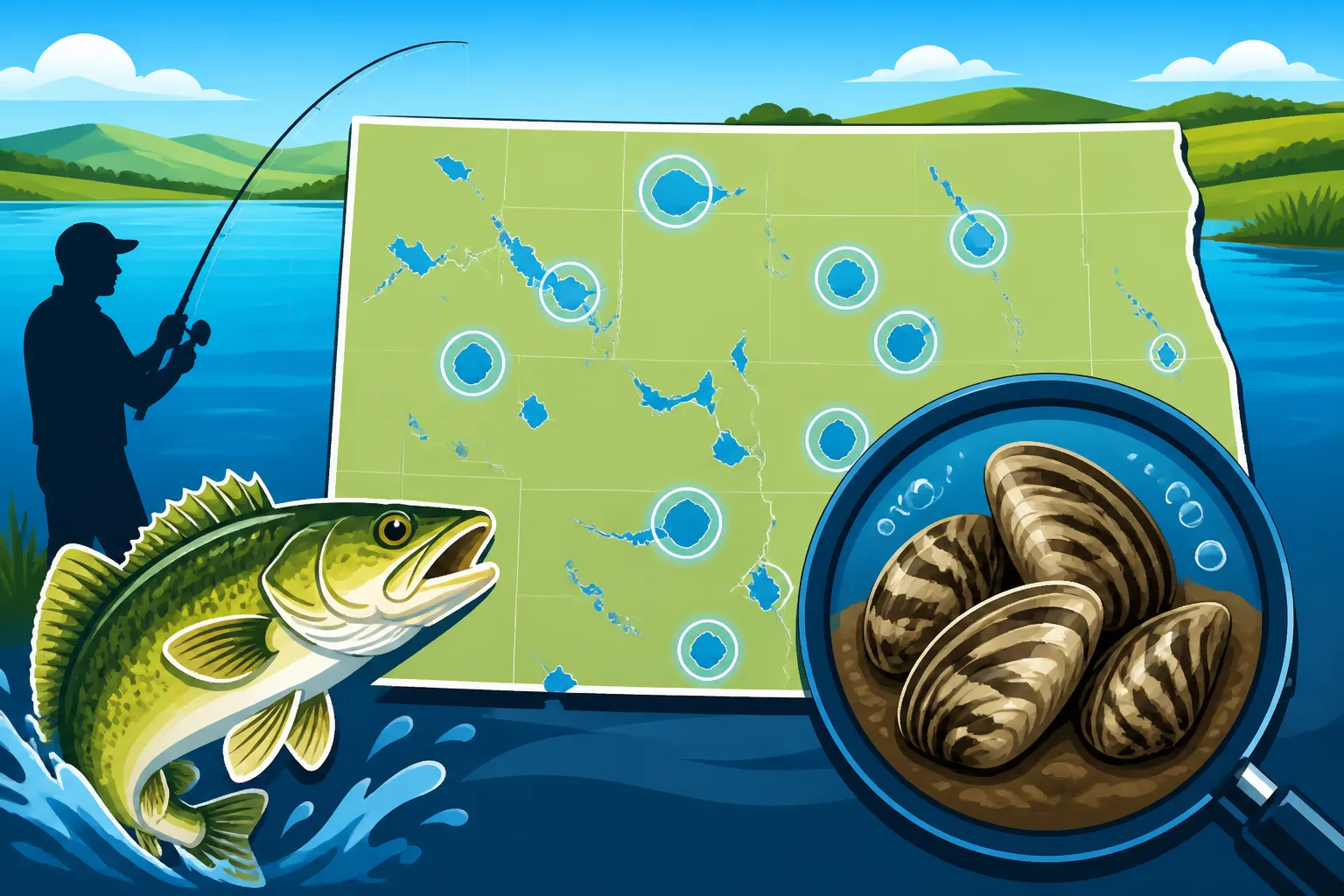
North Dakota has a robust monitoring program, and unfortunately, several key waterways have been identified with zebra mussel populations. These include, but are not limited to, significant portions of the Red River of the North, which forms the eastern border with Minnesota. The Red River was one of the earliest confirmed locations in the state, and its continuous flow and connection to other systems make managing the spread particularly challenging.
Further into the state, Lake Ashtabula has also seen confirmed infestations. This popular lake, known for its walleye and pike fishing, requires meticulous attention from all who use it. Perhaps most concerning for many anglers was the confirmation of zebra mussels in parts of Lake Sakakawea, one of North Dakota's largest and most iconic reservoirs. Its vastness and connection to the Missouri River system present a monumental challenge for control and prevention. Other smaller lakes, such as Lake LaMoure and Lake Darling, have also been added to the list of infested waters. Each of these confirmations sends ripples through the angling community, necessitating stricter adherence to prevention protocols. It’s not just about what we catch, but how we protect the waters for future generations. For the most current and specific details on newly identified infestations or control zones, anglers should always check the official North Dakota Game and Fish Department website. This is where the most up-to-date information is posted, which can change rapidly. Knowing Which North Dakota Lakes Have Zebra Mussels? is key to protecting our state's resources.
How Infestations Impact Fishing and Boating Activities
A zebra mussel infestation doesn't just mean a few shells stuck to your boat; it can fundamentally alter your entire fishing experience and how you interact with the water. One of the most noticeable impacts for anglers might be the change in water clarity. As filter feeders, zebra mussels can make turbid water much clearer. While clear water might seem appealing, it often signals a depletion of plankton, which can drastically reduce the food available for baitfish, which in turn affects game fish like walleye and pike. You might find fish populations struggling, leading to fewer bites or smaller fish. Species like North Dakota Walleye Fishing Guide or North Dakota Yellow Perch Fishing Guide can be particularly sensitive to these ecological shifts.
Beyond the ecological changes, there are practical implications for boating and gear. Boat hulls become encrusted with sharp, razor-like shells, requiring regular scraping and cleaning. This isn't just cosmetic; it can damage paint, reduce boat performance, and make trailering more difficult. Engine cooling systems can become clogged, leading to overheating and costly repairs. Fishing lines, especially if left in the water, can get cut by sharp shells, leading to lost lures and fish. Docks, swimming areas, and even your favorite rock piles will likely be covered in these sharp shells, making wading or swimming a painful endeavor. Furthermore, regulations often become stricter in infested waters, with mandatory decontamination stations or enhanced inspections before you can launch in uninfected lakes. This means extra time and effort for every outing, but it’s a necessary inconvenience to safeguard our fisheries. You might also find yourself needing to adapt your fishing techniques due to changes in water clarity and fish behavior.
Preventing the Spread: Your Role as an Angler
As anglers, we're often the first line of defense when it comes to protecting our waters. We spend countless hours on the lakes and rivers, and our actions, both big and small, have a direct impact on the health of these ecosystems. Preventing the spread of zebra mussels isn't just a suggestion; it's a critical responsibility that falls on every single one of us. Ignoring this duty could mean irrevocably harming our treasured fishing spots for generations to come.
The "Clean, Drain, Dry" Protocol: Your Best Defense
The mantra "Clean, Drain, Dry" isn't just a catchy phrase; it's the most effective defense we have against the spread of zebra mussels and other aquatic invasive species. Every time you leave any body of water, whether it's known to be infested or not, these steps are non-negotiable.
Here’s a detailed breakdown:
- Clean: Before leaving the access area, thoroughly inspect your boat, trailer, motor, and all fishing gear. Remove any visible aquatic plants, mud, or debris. This includes propeller, anchor, fishing lines, and even your boots. Zebra mussels, even tiny ones, can cling to these surfaces. A stiff brush, often available for purchase at sporting goods stores or on Amazon, can be incredibly helpful for scrubbing away stubborn bits. For hard-to-reach areas, a pressure washer is ideal if available, or at least a strong hose. Don't forget your fishing nets and waders—they can hide tiny hitchhikers.
- Drain: This is perhaps the most critical step, especially for preventing the spread of invisible veligers. Drain all water from your boat's bilge, livewell, bait bucket, and engine cooling system. Pull your bilge plug while the boat is still on land to allow all water to escape. Any water left in these compartments could contain thousands of microscopic zebra mussel larvae. If you use a portable bait bucket, empty it completely and do not transport water or live bait from one water body to another. If you plan to fish a different lake, buy new bait locally or use artificial lures. For those fishing on waters like Lake Sakakawea, where zebra mussels are present, draining every last drop is paramount before heading to an uninfected lake. This is covered in detail under Aquatic Nuisance Species Rules for Boaters.
- Dry: After cleaning and draining, allow all equipment to thoroughly dry for at least five consecutive days before launching into another water body. If drying for five days isn't possible, a more thorough decontamination, often involving hot, high-pressure water (140°F or hotter), may be required. This extreme heat is what kills any remaining zebra mussels or veligers. Sun and air are powerful tools here; spread out lines, open compartments, and ensure everything is exposed. A good microfiber drying towel, easily found on Amazon, can help speed up the process on surfaces, but air drying is key for cracks and crevices.
Following these steps meticulously every single time you move between water bodies is how we collectively protect our fishing heritage.
What to Do If You Suspect You've Found Zebra Mussels
Despite all efforts, sometimes zebra mussels turn up in new places. If you suspect you've discovered zebra mussels in a lake or river where they haven't been confirmed, or if you notice something unusual attached to your boat or gear that you can't identify, it's absolutely crucial to act quickly and responsibly. Don't just dismiss it or assume someone else will take care of it.
Here’s what you should do:
- Don't Touch or Remove Aggressively: While it might be tempting to scrape off what you see, try not to disturb them too much, especially if they're on your boat. Aggressive removal could inadvertently release veligers into the water or damage your equipment.
- Document Your Discovery: Take clear photos of the suspected zebra mussels. Try to include something for scale, like a coin or a ruler, if possible. Note the exact location (GPS coordinates if you have them, or detailed directions to the spot) and the date and time of your discovery.
- Collect a Sample (If Safe): If it's safe and feasible, collect a small sample. Place it in a sealed plastic bag or container with a little bit of water from where you found it. This will help with identification.
- Report Immediately: Contact the North Dakota Game and Fish Department as soon as possible. They have specific protocols for handling potential new infestations. Don't rely on social media or forums for reporting; go straight to the official channels. Providing clear documentation and a sample will greatly assist their efforts in confirming the species and taking appropriate action. This prompt reporting is a vital component in preventing widespread invasions and initiating rapid response measures, as outlined in Aquatic Nuisance Species Rules for Boaters. Early detection is our strongest tool in limiting the damage these invasive species can cause.
What the Future Holds for North Dakota Lakes
The presence of zebra mussels in some of North Dakota's prime fishing waters is a stark reality, but it's not a reason to despair or give up on our angling traditions. Instead, it’s a call to adapt, learn, and become even more diligent guardians of our natural resources. The future of North Dakota fishing, especially in the face of invasive species, hinges on a combination of robust management efforts and the collective responsibility of every person who enjoys our state's beautiful lakes and rivers.
Ongoing Monitoring and Management Efforts
The North Dakota Game and Fish Department, along with other state and federal agencies, is working tirelessly on the front lines of this battle. Their efforts include comprehensive monitoring programs, which involve regular sampling of water bodies for zebra mussel veligers and adult mussels. They deploy specialized equipment and expert personnel to detect new infestations as early as possible. When an infestation is confirmed, adaptive management strategies are put into place. These can range from enhanced public education campaigns and signage at boat ramps to specific decontamination requirements for boaters moving between waters. For example, in high-risk areas, you might encounter mandatory inspection stations or even mobile decontamination units, where trained staff can wash your boat with hot, high-pressure water to kill any hitchhikers. Understanding North Dakota Fishing Regulations Explained will often include details on these types of efforts.
Beyond detection and containment, research is ongoing into various control methods, although complete eradication of zebra mussels from a large, infested water body like Lake Sakakawea is incredibly difficult, if not impossible, once they are well-established. The focus shifts to slowing their spread and mitigating their impact on native ecosystems and infrastructure. These efforts require significant funding and public cooperation, underscoring the importance of staying informed and complying with all regulations designed to protect our precious fishing resources.
Adapting Your Angling Habits to a Changing Environment
For us anglers, adapting to a future with aquatic invasive species means a slight shift in mindset and routine, but it certainly doesn't mean less enjoyable fishing. It means embracing a proactive approach to conservation. First and foremost, it means making the "Clean, Drain, Dry" protocol an ingrained habit, not just an occasional chore. Consider it part of your pre- and post-fishing ritual, just as essential as checking your tackle or tying on a new lure. Having a dedicated set of cleaning tools, such as stiff brushes and a bucket, always ready in your vehicle, can make the process quicker and easier.
It also means staying informed. Regularly check the North Dakota Game and Fish Department's website for updates on Aquatic Nuisance Species Rules for Boaters or new confirmed infestations. Participate in public outreach programs if you can, and help educate fellow anglers who might not be aware of the risks. Be patient and understanding with inspection personnel at boat ramps; they are there to protect our waters, which ultimately benefits us all. You might even find yourself looking for specific gear, easily found on Amazon, like a portable dry vac for boat bilges or specialized cleaning solutions for boat hulls to make this task easier. By collectively taking these steps, we can still enjoy the incredible fishing North Dakota offers, ensuring that our lakes and rivers remain vibrant and productive for many seasons to come.
Disclaimer
This article is for general informational purposes only and does not constitute professional advice. Laws, prices and regulations vary by location and change over time. Consult a qualified professional for guidance on your specific situation.