Flathead Catfish in North Dakota
Trying to understand the elusive flathead catfish in North Dakota can feel like searching for a ghost in a vast river system. Unlike their more common channel cat cousins, flatheads are a bit of a mystery to many anglers, but with their massive size and powerful fights, they offer an incredible challenge. This guide will dive deep into everything you need to know about targeting these formidable bottom-dwellers in North Dakota, from where they lurk to the best ways to hook into a true river monster.
The Enigma of Flathead Catfish in North Dakota Waters
When most folks talk about catfish in North Dakota, they're usually referring to the abundant and widely distributed channel catfish. But there's another, much larger, and far more solitary cat that calls some of our waters home: the flathead catfish. These aren't just bigger versions of a channel cat; they're an entirely different beast with unique habits, preferences, and a fighting style that will test even the most seasoned angler.
What Makes Flatheads Different from Channel Cats?
Let's get down to brass tacks: telling the difference between a flathead and a channel catfish is crucial. While both are members of the catfish family, their appearances, behaviors, and even their diets set them worlds apart. A channel cat is typically sleeker, often has a forked tail, and a scattering of dark spots (though these can fade in older fish). Their heads are more tapered, and they're opportunistic feeders, happy to munch on anything from dead bait to prepared stink baits.
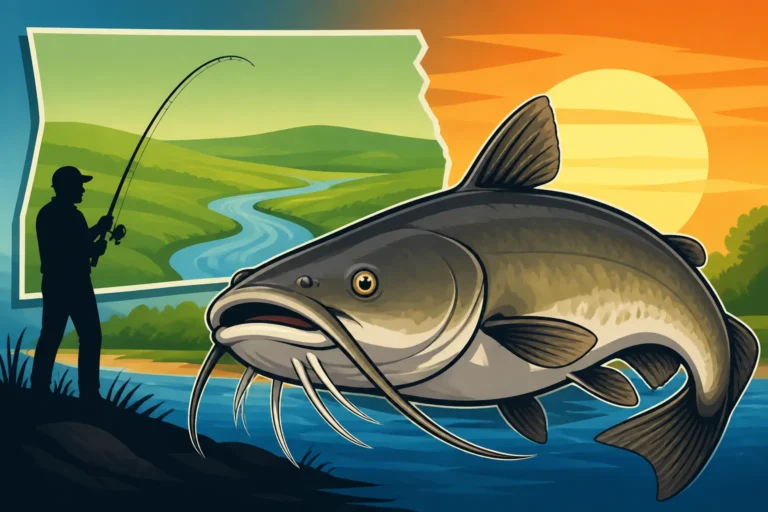
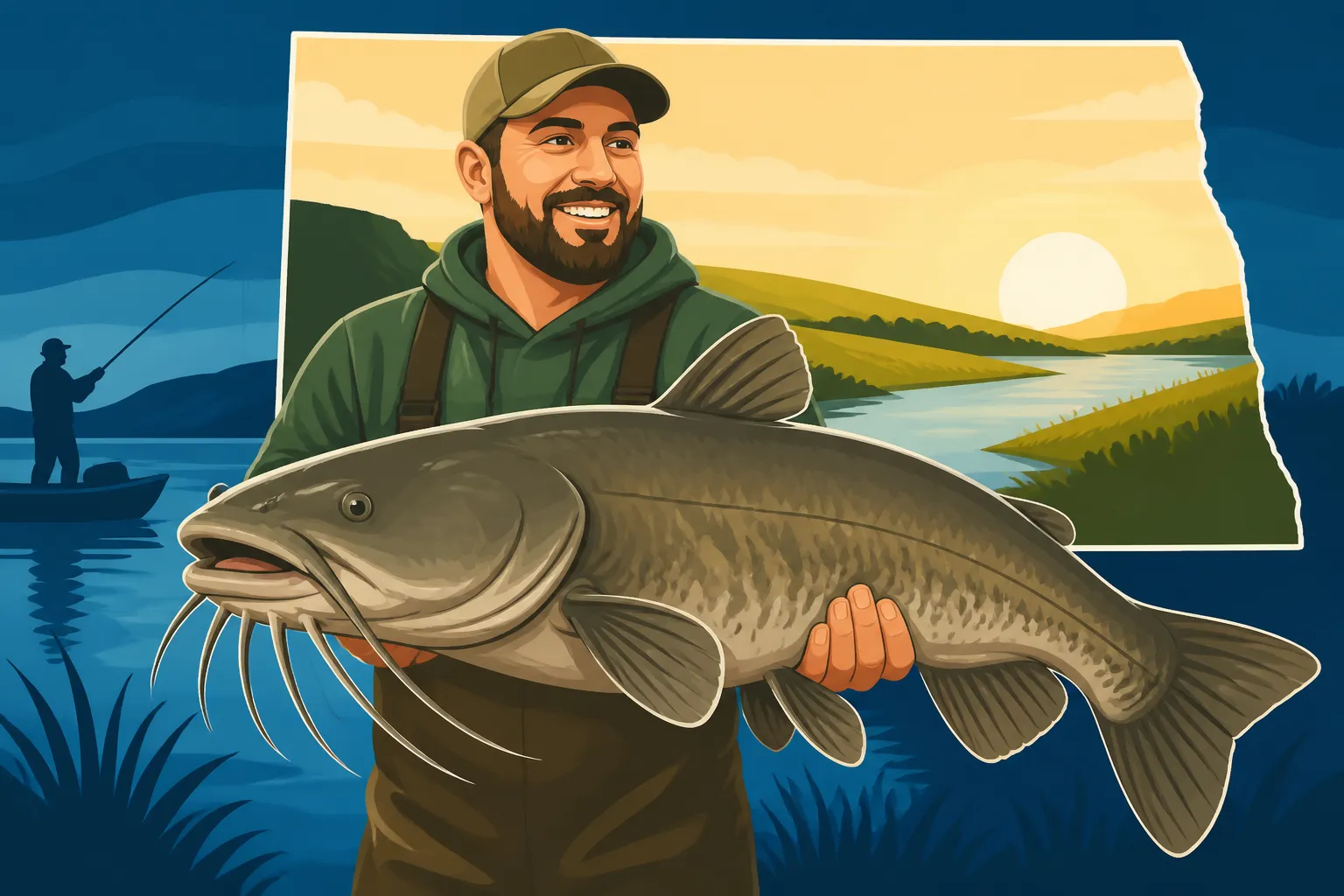
Flatheads, on the other hand, are built like tanks. Their name comes from their distinctively broad, flattened heads. They have a more rounded, paddle-like tail, and their bodies are usually mottled brown, olive, or yellow, lacking the distinct spots of a channel cat. Their lower jaw protrudes slightly, giving them a grumpy, bulldog-like appearance. But the biggest difference, and one that impacts how you fish for them, is their diet. Flatheads are almost exclusively piscivorous – meaning they prefer to eat live fish. They're apex predators in their environment, and they hunt with a fierce determination. You won't typically catch a big flathead on a piece of hot dog or a punch bait; they want the real deal. Understanding these differences is your first step to successfully targeting these North Dakota giants.
A Glimpse into Their Preferred North Dakota Habitats
Given their preference for live prey and their solitary nature, flathead catfish aren't found in every North Dakota lake or river where channel cats thrive. They need specific conditions: deep, slow-moving water with plenty of heavy cover. Think log jams, submerged trees, undercut banks, and rock piles in rivers and larger impoundments. They are ambush predators, and these underwater structures provide the perfect hideouts from which they can dart out and snatch an unsuspecting fish.
In North Dakota, your prime flathead territory will be the larger river systems. The Missouri River, with its expansive waters, varied depths, and abundant woody debris, offers some of the best potential for finding these elusive fish. They aren't typically found in shallow, clear lakes or fast-moving rapids. Instead, look for them where the current breaks around significant structure, creating slack water or eddies where baitfish congregate. These are the "living rooms" of a big flathead, where they spend their days conserving energy and waiting for an easy meal to swim by. If you're exploring Missouri River Fishing Guide, you'll definitely want to keep flathead habitat in mind.
Prime North Dakota Hotspots for Flathead Catfish
When it comes to flatheads in North Dakota, you have to be strategic about where you cast your line. These aren't fish you stumble upon easily. They have specific preferences for habitat, and knowing those key locations can drastically improve your chances of success. It's about putting in the time to scout and understand the nuances of the river.
Navigating the Missouri River for Flatheads
The undisputed king of flathead fishing in North Dakota is the Missouri River. This massive waterway provides everything a flathead needs to thrive: deep channels, a consistent flow, and an abundance of submerged timber and rock structure. When you're thinking about the Missouri, don't just think of the main current. Flatheads often hold in the slower, deeper sections, especially where there's significant cover.
Areas with large, downed trees or old bridge pilings that create current breaks are prime spots. Look for deep holes or scour marks on the downstream side of these obstructions. The river's bends and oxbows, which often feature deeper pockets and slower currents, can also hold trophy flatheads. Below the Garrison Dam, for example, the water is deep and powerful, creating complex currents and structure. While Missouri River Fishing Below Garrison Dam in North Dakota is known for walleye and sauger, those deep, snaggy spots can absolutely harbor flatheads waiting for an easy meal. Focus on areas where the current creates natural eddies or where the river drops off sharply into a deeper channel. Using a good sonar system to identify underwater structure, especially large log jams, will be your best friend here. These fish are masters of camouflage and leverage cover to ambush prey.
Exploring Other Potential Flathead Waters
While the Missouri River is the go-to, it's worth noting that other larger river systems or major impoundments in North Dakota could potentially hold flathead catfish, especially those with connections to the Missouri River system. However, their populations in these other areas are typically much less dense and less consistent than in the Missouri. You might find an occasional stray, but building a dedicated flathead fishing trip around these areas would require significant pioneering and scouting.
For instance, the lower reaches of major tributaries flowing into the Missouri might offer some limited opportunities, particularly near their confluences with the main river where deeper water and woody debris are present. However, flatheads generally don't venture too far up smaller, shallower rivers. It's truly a big-river fish in North Dakota. Anglers who discover a consistent flathead bite in these less common areas often guard their spots closely, and for good reason—they've put in the hard work to find them! For the most consistent action and the best chance at a true monster, the Missouri remains your best bet.
Unraveling the Flathead's Lifestyle: Habits and Hunt
To catch a flathead catfish, you really need to get inside their "heads" and understand what makes them tick. These aren't the cruising, scent-following channel cats that will sniff out your bait from a mile away. Flatheads are highly specialized predators, and their behavior dictates how you should approach them. It's all about ambush, power, and a diet that's decidedly alive.
Their Voracious Appetite: What Flatheads Eat
This is perhaps the most critical difference between flatheads and other catfish species you'll encounter in North Dakota: flatheads are primarily live bait eaters. They are true carnivores, preferring to ambush and devour live fish. Their diet typically consists of smaller panfish, carp, suckers, sunfish, and even smaller game fish that venture too close to their lair. They're not interested in the pungent, decaying baits that attract channel catfish.
This means if you're serious about targeting flatheads, you need to be serious about your bait. Fresh, lively baitfish are absolutely essential. A plump chub, a sturdy bluegill, or a lively sucker are all excellent choices. The size of your bait should match the size of the flathead you're hoping to catch – don't be afraid to use a baitfish that seems almost too big; a truly giant flathead won't hesitate. This reliance on live prey makes flathead fishing a bit more challenging, as it requires you to either catch your bait beforehand or purchase it from a reputable bait shop. You're effectively fishing for a predator with its own preferred prey.
When and Where Flatheads Are Most Active
Flatheads are predominantly nocturnal hunters. While you might occasionally tempt one during the day, especially in heavily overcast conditions or during feeding windows, your best chances of success will be from dusk through the overnight hours until dawn. This is when they emerge from their daytime hideouts to actively feed. The low light gives them an advantage over their prey, and they use their excellent sense of smell and lateral line to detect vibrations in the water.
Seasonally, flathead activity generally picks up as water temperatures rise in late spring and summer. The warmer water means more active baitfish, and the flatheads are in full feeding mode. As fall approaches and water temperatures begin to drop, their metabolism slows down, and they become less active, though they can still be caught. During the peak summer months, especially on warm, muggy nights, flatheads will often move out of the deepest snags to patrol the edges of shallower flats or drop-offs adjacent to their holding areas, looking for easy meals. Understanding these patterns is key to positioning your bait in the right place at the right time. Your chances of success skyrocket when you align your efforts with their natural hunting schedule.
Mastering the Catch: Techniques for Flathead Catfish
Catching a flathead catfish is a battle of wills, a test of patience, and a challenge to your gear. These are powerful fish that live in tough environments, meaning your approach needs to be robust and deliberate. Forget ultralight setups; flathead fishing demands heavy-duty tackle and a thoughtful strategy to get them out of their snag-infested homes.
Essential Gear and Tackle for Flathead Anglers
When targeting flatheads in North Dakota, your gear needs to be up to the task. These fish can grow incredibly large and possess immense strength, especially when trying to drag you into a log jam. You'll want a heavy-action baitcasting rod, typically 7 to 9 feet long, with a strong backbone. This length helps with casting heavier baits and provides leverage to steer a big fish away from snags.
Pair that rod with a high-quality, robust baitcasting reel capable of holding a substantial amount of heavy line. A level wind feature is a plus for even line lay. For line, think tough. Monofilament of 30-50 lb test is common, but many serious flathead anglers opt for braided line in the 50-80 lb test range. Braid offers superior strength, sensitivity, and resistance to abrasion, which is crucial when fishing around heavy cover. You can find excellent options for Best Braided Line Pound Test for Catfish on platforms like Amazon, offering the durability needed for these battles. Leaders, if used, should also be heavy fluorocarbon or monofilament to prevent break-offs on sharp snags or from the flathead's rough mouth. Don't skimp on hooks either; use strong, sharp circle hooks in sizes from 5/0 to 10/0, depending on your bait size. Circle hooks are ideal because they usually hook the fish in the corner of the mouth, making for easier release and protecting the fish.
The Art of Baiting for Flathead Success
As we've discussed, live bait is king for flathead catfish. The fresher and livelier your bait, the better your chances. Popular choices for live bait in North Dakota include suckers, chubs, bluegills, and even small carp. The key is to present the bait in a way that allows it to swim naturally and attract attention, without being able to hide too effectively from the flathead.
Rigging typically involves a slip-sinker setup. This allows the flathead to pick up the bait and move off without feeling immediate resistance from the weight. A common rig consists of a heavy egg sinker (1-4 ounces or more, depending on current) threaded onto your main line, followed by a bead (to protect the knot), and then tied to a strong swivel. A leader of about 12-24 inches is then tied to the other end of the swivel, with your large circle hook at the end of the leader. Hook your live baitfish lightly through the back, just behind the dorsal fin, or through both lips, being careful not to hit the spine, so it remains lively. The goal is for that baitfish to kick, struggle, and send out distress signals that a lurking flathead can't resist.
Setting Up for the Strike: Rod Placement and Patience
Once you have your live bait rigged, proper rod placement is crucial. Flatheads are typically found near structure, so you want to cast your bait as close as safely possible to those submerged logs, rock piles, or undercut banks where you suspect a flathead is holding. If fishing from a boat, you might even consider dropping your bait straight down into a deep hole next to a snag.
Anchor your boat securely or find a stable bank fishing spot. Use sturdy rod holders that can withstand a violent strike. Flatheads hit hard, and a rod without a secure holder can easily be pulled into the water. Set your drag appropriately – tight enough to control the fish, but loose enough to prevent a break-off on the initial powerful run. Engage your clicker if your reel has one, or simply keep a close eye on your rod tip. When a flathead takes the bait, it's usually not a tentative tap; it's a deliberate pull. Give the fish a moment to really take the bait and turn with it, allowing the circle hook to do its job, then gently lean into the rod to set the hook. This is where patience pays off. You might sit for hours without a bite, but when that rod doubles over, be ready for a fight of a lifetime. Looking for a dependable rod holder? Amazon has a wide selection that can handle the power of a flathead strike.
Responsible Angling: Regulations and Conservation
As with any prized game fish, responsible angling practices and adherence to regulations are paramount, especially for a species like the flathead catfish that isn't as widely distributed in North Dakota as others. We want to ensure these magnificent fish continue to thrive for future generations of anglers.
Understanding North Dakota Flathead Catfish Regulations
North Dakota has specific fishing regulations that apply to all species, including flathead catfish. While there isn't always a specific, unique season just for flatheads, they fall under the general fishing regulations set by the North Dakota Game and Fish Department. This usually includes daily creel limits and possession limits, and sometimes size restrictions. For example, North Dakota Fishing Regulations Explained will cover the overarching rules you need to know. It's vital to check the current fishing proclamation before you head out, as regulations can change.
Generally, you'll need a valid North Dakota fishing license to target flatheads, just like any other fish. North Dakota Fishing License Guide is an excellent resource for making sure you're properly licensed. Always be aware of the daily limits for catfish, and if there are any specific length restrictions. While many flathead anglers practice catch and release, especially for the larger, older trophy fish, it's important to know what you are legally allowed to keep. Ignorance of the law is never an excuse, and game wardens are diligent in enforcing these rules to protect our natural resources.
Practicing Ethical Catch and Release for Trophy Flatheads
Given that flatheads are long-lived and relatively slow-growing, especially the trophy-sized individuals, practicing ethical catch and release is highly recommended for any fish you don't intend to eat. A large flathead can be decades old, and releasing it ensures it can continue to contribute to the population and provide another angler with an incredible fight someday.
When you do catch a flathead, especially a big one, try to minimize the time it spends out of the water. Handle the fish gently but firmly. If you plan to weigh or photograph it, do so quickly and efficiently. Support its body horizontally, especially larger fish, to avoid damaging its internal organs. A good pair of fish grippers can help with control and protect your hands from their sharp pectoral fins, which is especially helpful when dealing with a big, slimy fish. Many anglers also find heavy-duty gloves useful for protection when handling these powerful fish. Avoid dragging the fish over rough surfaces. Once you're ready to release it, place it gently back into the water, headfirst, and hold it until it swims off strongly. Properly reviving a fish after a tough fight increases its chances of survival. Being a responsible angler not only helps the fish but also enhances the overall fishing experience for everyone.
From Water to Table: Cleaning and Cooking Flathead Catfish
So, you've landed a North Dakota flathead! While many choose to release these magnificent creatures, especially the true giants, if you decide to keep one (within legal limits, of course), you're in for a culinary treat. Flathead catfish are renowned for their firm, white, and delicious meat, often considered superior to channel catfish by many gourmands. But first, you've got to clean it.
The Best Way to Clean a Flathead Catfish
Cleaning a flathead can be a bit more of a challenge than a typical channel cat due to their size and thick skin. You'll definitely want a sturdy fillet knife, and possibly an electric fillet knife for larger fish, which can be a real time-saver. You can find excellent fillet knives and accessories on Amazon that make the job much easier.
Here's a general approach:
- Immobilize the Fish: For larger flatheads, this can be tricky. Some anglers use a large nail through the head into a board or have a buddy hold the fish firmly. Be cautious of the sharp pectoral fins.
- Cut Behind the Head: Make a deep cut behind the head, down to the backbone, but don't cut through it.
- Fillet Down the Back: Turn the knife flat and carefully cut down the backbone, all the way to the tail, separating the fillet from the rib cage. You'll likely need to make a few passes, applying firm pressure. The skin is thick and tough, so take your time.
- Remove the Skin: Lay the fillet skin-side down. Starting from the tail end, firmly grip the skin and slide your knife between the meat and the skin, working your way towards the head. Keep the knife at a slight downward angle against the skin to avoid wasting meat.
- Remove Ribs and Belly Fat: Once skinned, you can trim off any remaining rib bones and excess belly fat. The belly meat on flatheads can be quite fatty and sometimes has a stronger flavor, so many prefer to remove it.
You'll be left with beautiful, boneless, white fillets. While it requires a bit more effort than cleaning a panfish, the reward is well worth it.
Savory Recipes and Preparation Tips
Flathead catfish meat is incredibly versatile and can be prepared in many ways. Its firm texture holds up well to various cooking methods, and its mild, sweet flavor is highly desirable.
- Frying: This is a classic for a reason! Cut your fillets into manageable strips or chunks, season with your favorite fish fry blend (cornmeal-based breading is popular), and deep-fry until golden brown and flaky. Serve with tartar sauce, coleslaw, and hushpuppies for a true Southern-style meal, even here in North Dakota.
- Grilling: For a healthier option, grilled flathead is fantastic. Marinate the fillets in a lemon-herb mixture or a simple olive oil, salt, and pepper blend for at least 30 minutes. Grill over medium-high heat until cooked through, about 4-6 minutes per side, depending on thickness. The firm meat won't fall apart on the grill grates.
- Baking or Broiling: If you prefer an oven method, flathead fillets bake beautifully. Place them on a baking sheet, brush with melted butter or olive oil, season, and bake at 375°F (190°C) for 15-20 minutes, or until cooked through. Broiling for a few minutes at the end can add a nice crust.
- Blackened: For those who like a little spice, blackening flathead is a delicious choice. Coat the fillets generously with blackening seasoning and cook in a screaming hot cast-iron skillet with a little butter or oil until a crust forms.
No matter how you prepare it, the firm, flaky texture and clean taste of North Dakota flathead catfish are sure to impress. It's a fantastic reward for the effort involved in catching and cleaning these formidable fish. Just be sure to savor every bite!
| Flathead Catfish vs. Channel Catfish (Key Differences) | Flathead Catfish | Channel Catfish |
|---|---|---|
| Head Shape | Broad, flattened head | More tapered, rounded head |
| Tail Shape | Rounded, paddle-like, non-forked | Distinctly forked tail |
| Coloration | Mottled brown, olive, or yellow | Gray/silver, often with dark spots (especially younger) |
| Lower Jaw | Protruding, extends past upper jaw | Upper jaw typically extends past lower jaw |
| Diet Preference | Almost exclusively live fish (piscivorous) | Omnivorous (dead bait, insects, prepared baits) |
| Typical Habitat | Deep, slow-moving water with heavy cover (snags) | More varied; rivers, lakes, reservoirs, less cover-dependent |
| Size Potential | Can grow very large (trophy potential) | Generally smaller, though large ones exist |
| Fight Style | Powerful, often tries to get into snags | Strong, but generally more open-water fight |
Disclaimer
This article is for general informational purposes only and does not constitute professional advice. Laws, prices and regulations vary by location and change over time. Consult a qualified professional for guidance on your specific situation.