Are Bluegill Common in North Dakota?
One question I hear all the time from folks new to fishing in our beautiful state, or even long-time residents looking for something a bit different, is about bluegill. Many assume that with our reputation for big walleye and massive catfish, smaller panfish might be scarce or not worth the effort. But let me tell you, that couldn't be further from the truth! If you're wondering, "Are bluegill common in North Dakota?" and want to know where and how to catch them, you've come to the right place. This guide will dive deep into the world of bluegill in North Dakota, showing you just how abundant and fun these little fighters are to catch.
The Abundance of Bluegill in North Dakota Waters
When you think of North Dakota fishing, images of trophy walleye on Lake Sakakawea or monster channel cats on the Red River often come to mind first. And rightly so! Those are incredible fisheries. But tucked away in countless smaller lakes, ponds, and even quiet backwaters, the humble bluegill thrives. They might not get all the flashy headlines, but these feisty panfish are undeniably common and provide some of the most consistent, family-friendly fishing experiences you can find.
Bluegill Are Widespread and Resilient
Bluegill are true survivors, adapting well to a variety of aquatic environments across North Dakota. They aren't picky about water depth or clarity, as long as there's plenty of food and some good cover from predators. This resilience is a huge part of why they're so widespread. You'll find them in the crystal-clear waters of smaller recreational lakes, the stained ponds nestled in the prairies, and even the calmer sections of our larger reservoirs. They are a staple of the North Dakota fishing scene, often outnumbering some of the larger game fish in certain areas. They're a fantastic fish for beginners, too, because they're generally eager to bite, which means more action and less waiting, especially for the younger anglers in your crew.
One of the best things about bluegill is their ability to bounce back quickly. They reproduce prolifically, so even with consistent fishing pressure, their populations remain strong in well-managed waters. This makes them a dependable target year after year, whether you're looking for a quick evening bite or planning a full day out with the kids. It’s comforting to know that when you head out, there’s a very good chance you’ll find them.
Ideal Bluegill Habitats Across the State
Bluegill prefer areas with abundant aquatic vegetation, submerged timber, docks, or other structures that offer both protection and feeding grounds. Think of those shallow, weed-choked bays or areas with brush piles that bigger fish might shy away from. That's prime bluegill territory! These spots are teeming with the insects, small crustaceans, and tiny baitfish that bluegill love to munch on. You'll often find them congregating in large schools, which means once you find one, you've usually found a whole mess of them.
From the smaller fishing lakes in the eastern part of the state to the numerous recreation areas scattered throughout, bluegill are nearly ubiquitous. While specific named lakes might fluctuate in their bluegill quality year-to-year, the overall distribution is solid. For instance, many of our state parks and public fishing access sites are specifically managed to provide excellent panfish opportunities, and bluegill are always a major part of that equation. You might not hear as much about specific "hot spots" for bluegill as you do for walleye, but that's often because they're just everywhere! Bluegill Habitat in North Dakota provides more detail on the specific types of places these fish like to call home.
The Joy of Bluegill Fishing: Why They're a Family Favorite
There’s something truly special about bluegill fishing that transcends just catching fish. It's about the simplicity, the accessibility, and the pure, unadulterated fun it offers, especially for families. If you’re introducing someone new to fishing, or just want a relaxing day on the water without the pressure of chasing a trophy, bluegill are your go-to.
The Perfect Target for Beginners and Kids
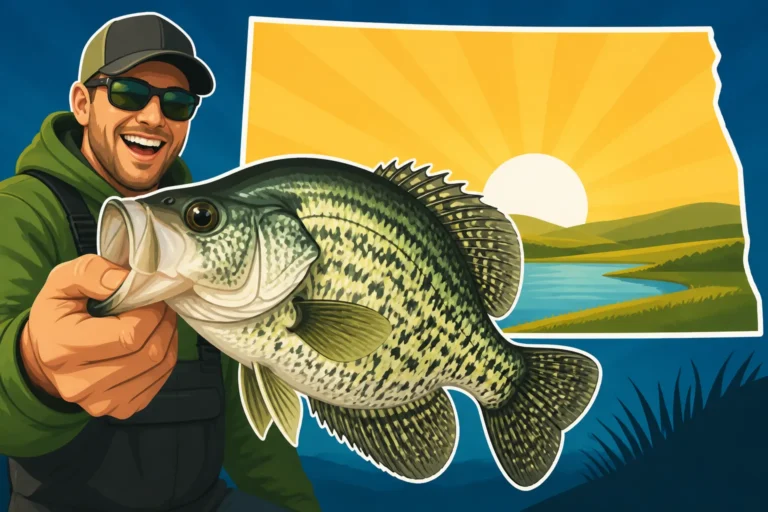
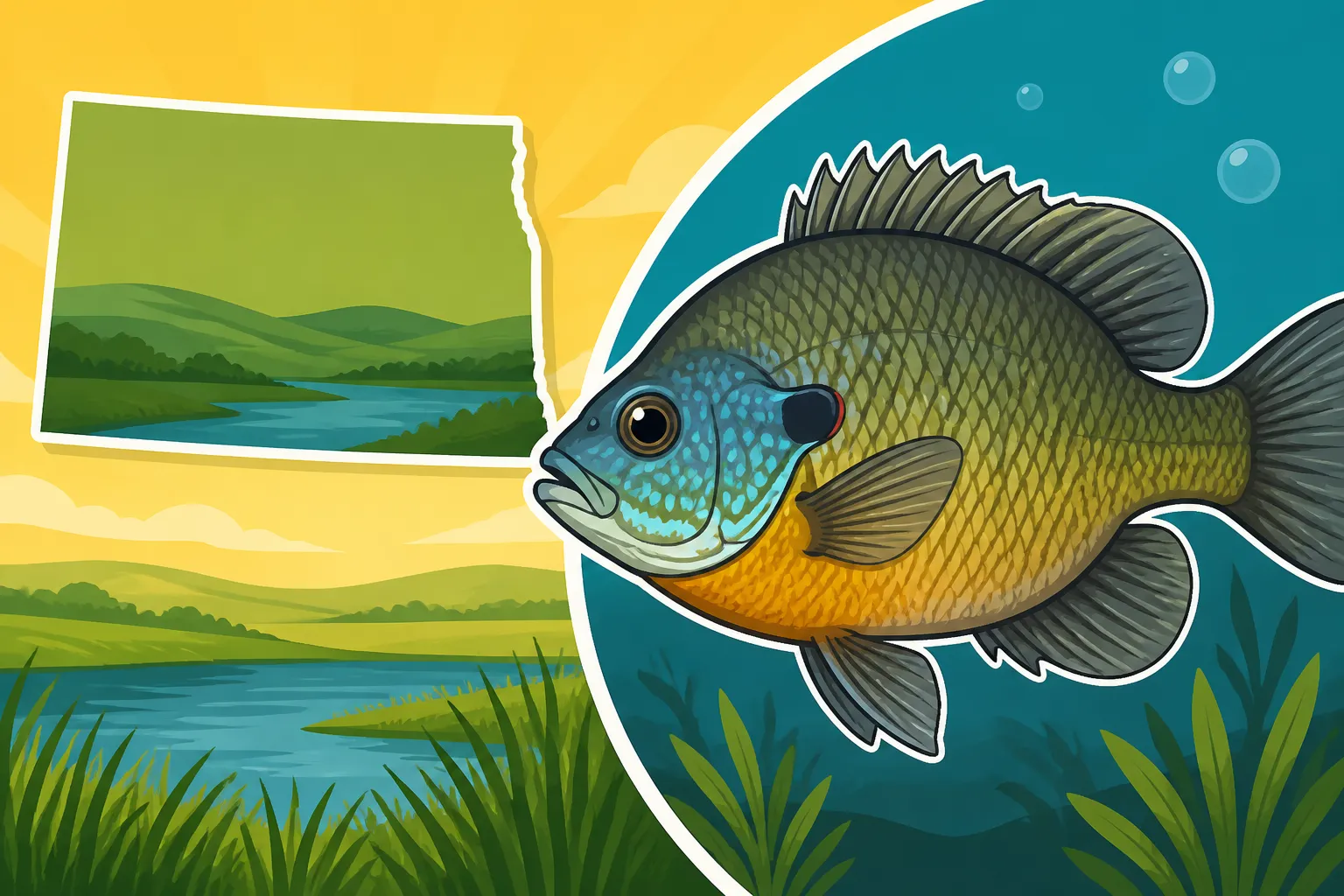
Let's be honest, nothing builds confidence in a young angler like a fish on the line. Bluegill are notorious for their aggressive bites, which means fewer frustrating misses and more exciting pulls on the rod. Their relatively small size makes them easy for little hands to manage, and their vibrant colors—the deep blue on their gill plates, the olive green bodies—make them a beautiful first catch. They are a fantastic entry point into the world of angling, teaching patience, casting skills, and the thrill of a successful catch without overwhelming anyone.
I've taken countless kids out bluegill fishing, and the squeals of delight when they feel that tug are priceless. It's not about the size of the fish; it's about the experience. Watching a bobber disappear under the water with a splash is a core memory for many of us, and bluegill are often the stars of those memories. Plus, you don't need fancy gear to get started, making it an incredibly accessible sport. North Dakota Fishing Rules for Kids and Families outlines what you need to know to make your family outing a success.
Accessible and Low-Cost Fishing
Another huge draw for bluegill fishing is its accessibility. You don't necessarily need a big boat or expensive electronics to find them. Many prime bluegill spots are reachable from shore, docks, or even small canoes and kayaks. This makes it a perfect impromptu activity for an afternoon outing. All you really need is a light spinning rod, some small hooks, a bobber, and a simple bait like worms or small jigs. You can find excellent beginner rod and reel combos on platforms like Amazon that are perfect for bluegill, often at very reasonable prices.
This low barrier to entry means more people can experience the joys of fishing. For many, bluegill fishing isn't just a hobby; it's a way to connect with nature, unwind, and create lasting memories. It’s also incredibly cost-effective. A container of worms and a few small hooks will keep you busy for hours, making it a great budget-friendly outdoor activity.
Where to Find the Best Bluegill Action
While bluegill are widespread, some spots consistently produce better numbers and size. Look for lakes and ponds with good public access, especially those that are shallower with plenty of vegetation. These are often smaller, less-pressured waters that allow bluegill to grow larger.
Here’s a quick overview of what makes a good bluegill spot:
| Characteristic | Why It's Good for Bluegill |
|---|---|
| Shallow Water | Warms up quickly, promoting insect growth; provides easy access to food. |
| Aquatic Vegetation | Offers cover from predators, spawning areas, and a rich feeding ground for insects. |
| Submerged Structure | Fallen trees, brush piles, old docks – these provide shelter and ambush points for food. |
| Muddy or Sandy Bottoms | Often harbor insects and larvae, which are a primary food source for bluegill. |
| Protected Bays | Calm areas less affected by wind and boat traffic, creating stable conditions. |
Many community fisheries and smaller lakes managed by the North Dakota Game and Fish Department are specifically stocked or managed for panfish, ensuring consistent opportunities. These hidden gems are often overlooked by anglers chasing bigger species, leaving plenty of bluegill for those in the know. Check out Best Bluegill Ponds in North Dakota for some specific locations that often yield great results.
Gear and Techniques for North Dakota Bluegill
You don't need a boatload of specialized gear to catch bluegill, and that's part of their charm. A simple setup, paired with the right approach, is all it takes to have a fantastic day on the water.
Essential Bluegill Gear
For bluegill, less is often more. You want light tackle that allows you to feel their subtle bites and enjoy the fight of even a small fish.
- Rod and Reel: A lightweight spinning rod, ideally 5 to 6 feet long with an ultralight or light action, paired with a small spinning reel (500 or 1000 size). This setup makes even a 6-inch bluegill feel like a heavyweight. You can find many affordable and reliable options for this kind of setup on Amazon.
- Line: 4-6 pound test monofilament or fluorocarbon line is perfect. It's thin enough to be less visible to the fish but strong enough for the bluegill you'll encounter.
- Hooks: Small hooks are key! Size 8 or 10 Aberdeen or baitholder hooks work wonderfully. Bluegill have small mouths, so a tiny hook increases your chances of a solid hookset.
- Bobbers: Small, sensitive bobbers are a must. Slip bobbers are great for controlling your depth, while small clip-on bobbers are perfect for shallow water. The quicker you see that bobber disappear, the better your chances!
- Weights: A few small split-shot weights to get your bait down to the fish.
- Bait: This is where bluegill really shine – they'll eat almost anything! Live bait like wax worms, maggots (spikes), pieces of nightcrawler, or even crickets are irresistible. Artificial options include tiny jigs (1/32 or 1/64 oz) tipped with a small plastic grub or even a bare micro jig.
Having a small tackle box with these essentials means you’re always ready for a bluegill adventure. And don't forget a small pair of pliers or a hook remover, as bluegill can sometimes swallow hooks deeply.
Simple and Effective Bluegill Techniques
The beauty of bluegill fishing lies in its simplicity. You don't need complex rigging or advanced sonar skills; just a keen eye and a bit of patience.
- Bobber Fishing: This is the classic bluegill method and probably the most fun for kids. Rig your hook with bait, add a split shot a few inches above the hook, and attach a bobber. Cast near weed lines, docks, or submerged timber, and watch that bobber like a hawk! When it dips or moves, set the hook with a gentle upward sweep of your rod.
- Bottom Fishing: If bluegill are holding deeper, you can try a simple bottom rig. Use a small weight (a split shot or a small bullet sinker) above a swivel, then a 6-12 inch leader to your hook. Cast it out and let your bait sit on the bottom. This is great for when they're not actively feeding higher in the water column.
- Jigging: For a more active approach, try tiny jigs. Cast them out, let them sink to your desired depth, and then retrieve with small twitches and pauses. You can also fish these vertically from a boat or kayak right over suspected bluegill schools. Tipping a jig with a wax worm or a piece of plastic often makes it even more appealing.
Remember, bluegill are schooling fish, so if you catch one, there are usually more nearby. Stick to the same area for a while, and you might fill your bucket! For a detailed look at various methods, check out How to Fish for Bluegill and Sunfish.
Seasonal Bluegill Opportunities in North Dakota
Bluegill are a fantastic species because you can target them effectively almost year-round in North Dakota, adapting your approach to the changing seasons. Each season offers unique advantages for finding and catching these popular panfish.
Spring and Summer: Open Water Fun
As the ice melts and water temperatures rise in spring, bluegill become incredibly active. They'll move into shallower waters to spawn, making them very accessible from shorelines and docks. This is a prime time for sight fishing in clear water or casting small baits into emergent vegetation. The warmer months of summer also keep them active, though they might move slightly deeper during the hottest parts of the day, seeking cooler water and denser cover. Early mornings and late evenings are often the best times in summer.
During this period, focus on weed beds, lily pad fields, and any submerged structures like downed trees or old boat docks. These areas provide both food and protection. Using a light rod and reel, you can effortlessly cast small jigs or a simple worm under a bobber. The sheer number of bites you can get on a good summer day is unparalleled. Consider packing a good cooler, perhaps one you found on Amazon, to keep your catch fresh if you plan on bringing some home for a fish fry.
Fall: The Pre-Winter Feast
As autumn arrives and water temperatures begin to drop, bluegill start to feed aggressively in preparation for winter. They'll often move out of the very shallow, dense weeds and relate more to the edges of deeper weed lines or slight drops where they can still find food but are closer to their wintering grounds. Fall can be an excellent time to find larger bluegill, as they are bulking up.
Focus on transitional areas where shallow water drops off into slightly deeper basins. Small jigs and slow presentations are often key during this time. The bluegill might not be as numerous in the very shallow areas as they were in summer, but the ones you do find can be of impressive size. This season offers a chance for some solitude on the water before the ice fishing crowds arrive.
Winter: Ice Fishing Excitement
And then, of course, there's ice fishing! North Dakota's winters are long, and bluegill provide excellent opportunities through the ice. They continue to school up, often in deeper basins or near structure, and can be caught with tiny ice jigs tipped with a grub or a wax worm. The challenge of finding them under the ice, coupled with the frequent bites, makes them a favorite target for ice anglers.
Small jigs, often weighing as little as 1/64 or 1/100 of an ounce, are fantastic. Tip them with a small live bait or a micro-plastic. Focus on areas with soft bottoms or remnants of weeds from the summer. Your Ice Fishing Auger Techniques will come in handy for punching enough holes to find these schooling fish. Many anglers use electronics, like a flasher, to locate schools of bluegill suspended at various depths. It's truly a sight to behold when you drop your bait down and see a whole swarm of red dots appear on your screen! The thrill of bringing a colorful bluegill up through a small hole in the ice is something every angler should experience in North Dakota.
Disclaimer
This article is for general informational purposes only and does not constitute professional advice. Laws, prices and regulations vary by location and change over time. Consult a qualified professional for guidance on your specific situation.