Biggest Bluegill Ever Caught in North Dakota
It's easy to get caught up in the pursuit of the big walleye or the monstrous northern pike here in North Dakota, but let's be honest, there's a special kind of joy, a pure, unadulterated thrill, that comes from landing a truly exceptional bluegill. These feisty panfish, often underestimated, can provide some of the most exciting battles on ultralight tackle, and when you hook into a jumbo, your heart absolutely races. If you've ever found yourself wondering just how big a bluegill can get in our great state, and what it takes to find those elusive giants, you're in the right place. This guide is all about North Dakota's bluegill record, the waters that hold such trophies, and the best ways to try and catch your own.
The Thrill of the North Dakota Bluegill Record
There's something inherently charming about bluegill. Maybe it's their vibrant colors, their pugnacious fight on light tackle, or simply the accessibility of finding them in nearly any pond or lake. But for dedicated anglers, and especially for those who appreciate the subtle art of panfishing, the quest for a truly massive bluegill is a passion project. It's not just about the size; it's about the challenge, the finesse, and the reward of outsmarting a fish that, despite its commonality, can be surprisingly wily when it reaches record proportions.
Chasing the Dream: What Makes a Record Bluegill So Special?
Think about it: most bluegill you catch might fit in the palm of your hand, maybe stretching to seven or eight inches on a good day. They're fun, abundant, and make for a fantastic fish fry. But a record bluegill? That's a different beast entirely. We're talking about a fish that defies the norm, a true lunker that has managed to avoid predators, find ample food, and survive long enough to pack on serious weight. Landing one feels like finding a diamond in a gravel pit. It signifies a healthy fishery, smart angling, and a whole lot of luck. For many, it’s not just about the numbers; it’s about that moment when a fish that big pulls line from a tiny reel, bending the rod in a dramatic arc, making you question if it's truly "just" a bluegill. That memory sticks with you, a testament to a successful day on the water.
Unveiling North Dakota's Current Bluegill Record
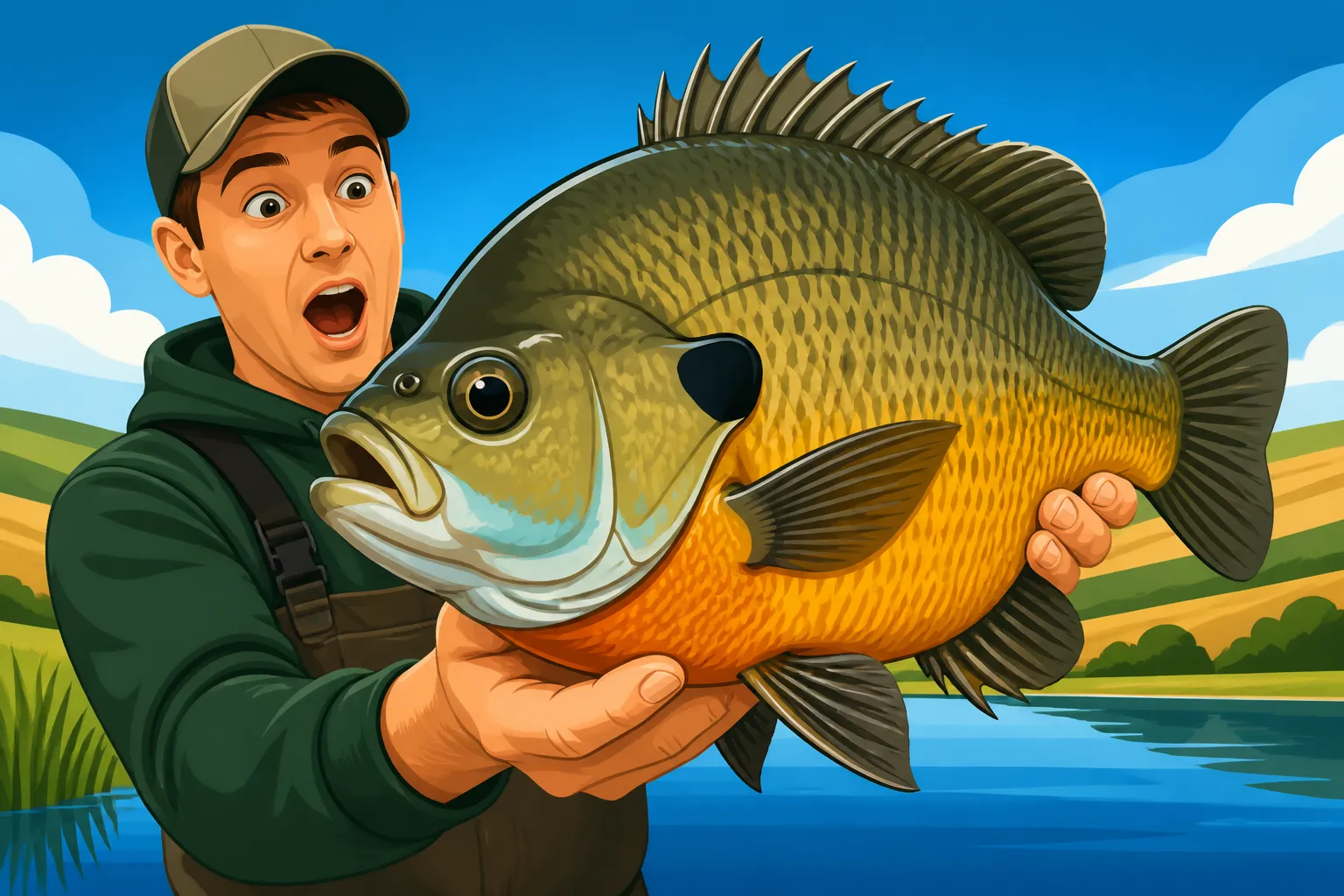
North Dakota has a proud history of impressive fish, and the bluegill record is no exception. The largest bluegill ever officially recorded in the state weighed an incredible 2 pounds, 12 ounces. This magnificent specimen was caught by Maurice L. Anderson way back in 1963, making it a record that has stood the test of time for decades. The legendary catch took place in Jamestown Reservoir, a body of water that has a long-standing reputation for producing quality panfish. While records are meant to be broken, the fact that this bluegill has held the top spot for so long speaks volumes about its exceptional size and the conditions that allowed it to thrive.
Imagine the excitement of Mr. Anderson on that day! Back in 1963, fishing gear might have been simpler, but the thrill of a big fish was just as potent. This record isn't just a number; it's a piece of North Dakota angling history, inspiring generations to cast their lines in search of their own personal best, or even, perhaps, to challenge this long-standing achievement. It reminds us that even in waters we think we know well, there's always the potential for a surprise, a true giant lurking beneath the surface, waiting for the right bait and the right angler.
Where the Big Bluegill Lurk: Prime North Dakota Waters
While Jamestown Reservoir holds the state record, it's far from the only place in North Dakota where you can find impressive bluegill. These fish thrive in a variety of habitats, often preferring clear, vegetated waters with plenty of structure. Understanding their preferred environment is key to increasing your chances of finding those larger, more desirable specimens. It's not always about fishing the biggest lake; sometimes, the hidden gems are small, overlooked ponds or specific bays within larger systems.
Lakes Known for Jumbo Bluegill
Beyond the famous Jamestown Reservoir, several other North Dakota lakes and reservoirs have earned a reputation for producing jumbo bluegill. Generally, you'll find bigger panfish in waters that have a healthy forage base, good aquatic vegetation for cover, and a balanced predator population. Smaller lakes and ponds, often overlooked by anglers targeting walleye or pike, can be goldmines. Places like Lake Ashtabula, specific arms of Lake Sakakawea, and many smaller Game and Fish Department managed community fishing ponds often have excellent bluegill populations, with some individuals growing to impressive sizes. The key is often finding waters that aren't overfished for panfish, allowing a portion of the population to mature.
Another crucial factor is habitat. Bluegill love to hide amongst submerged timber, weed beds, and even rocky drop-offs. These areas provide both protection from larger predators and a rich feeding ground for insects, small crustaceans, and even tiny baitfish. When looking for a spot, keep an eye out for these features. Sometimes, just a small, sheltered bay with a good weed line can hold a whole school of dinner-plate-sized bluegill. It's all about observation and knowing what to look for when you're out scouting.
Beyond the Records: Finding Your Own Trophy Bluegill
You might not break a state record every time you go out, but finding your own personal best bluegill is a truly rewarding experience. The trick is to think like a bluegill. During warmer months, they'll often be found in relatively shallow water, especially around weed beds, lily pads, or submerged brush. These areas offer both food and protection. As temperatures drop in the fall, or during the heat of summer, they might move to slightly deeper water, congregating near drop-offs or submerged structure. Deep Water Structure Fishing Techniques can be very effective here.
When you're out on the water, whether it's by boat or from shore, use your eyes and your electronics. A good fish finder can reveal schools of fish nestled in cover, while polarized sunglasses can help you spot submerged vegetation. Don't be afraid to move around. If a spot isn't producing, try another one with similar characteristics. Often, the biggest bluegill are a bit more solitary or hang out in smaller groups, so you might not catch a dozen in one spot, but the one you do hook could be a real showstopper. Persistence and observation are your best friends in this pursuit.
Strategies for Landing Lunker Bluegill
Catching a bluegill that approaches record size isn't usually an accident. While luck certainly plays a role, applying specific techniques and using the right gear significantly improves your odds. It's a delicate balance of finesse and understanding bluegill behavior, especially when they've grown wise to common angling pressures.
The Right Gear Makes a Difference
When targeting bigger bluegill, ditch the heavy walleye gear. An ultralight or light-action spinning rod, typically 5 to 6.5 feet long, paired with a small spinning reel (size 500-1000 series), is ideal. This setup allows for precise casting of small baits and lures, and truly amplifies the fight of even a modest panfish, let alone a lunker. For line, something in the 2-4 pound test monofilament or fluorocarbon is perfect. Light line allows your tiny baits to swim naturally and increases sensitivity to subtle bites. You can find some excellent choices for Best Fishing Rods for North Dakota Anglers on platforms like Amazon, often bundled with reels, making it easy to get started.
As for terminal tackle, tiny jigs (1/64 to 1/16 ounce) tipped with a small plastic grub, a piece of a nightcrawler, or even a wax worm are deadly. Small spinners and micro-crankbaits can also be effective, especially when bluegill are aggressive. Think small hooks – size 8 or 10 are common – to match the bluegill's mouth size. When it comes to specific baits, live bait often reigns supreme for big bluegill. Crappie minnows, wax worms, or small pieces of nightcrawler are almost irresistible. For those looking to stock up on a variety of lures and live bait containers, a quick search on Amazon can reveal a plethora of options, often with reviews from other panfish enthusiasts.
Seasonal Tactics for Trophy Panfish
Bluegill behavior changes dramatically with the seasons, and tailoring your approach can make all the difference.
- Spring (Post-Spawn): After the ice goes out, bluegill will move into shallower, warmer waters to spawn. This is a prime time to target them, as they're often aggressive and concentrated. Look for spawning beds in sandy or gravelly areas near vegetation. Small jigs under a bobber work wonders.
- Summer: As water temperatures rise, bluegill might move a bit deeper during the day, seeking cooler water and denser cover. Focus on weed lines, submerged timber, and brush piles. Early mornings and late evenings can be excellent, as they move shallower to feed. Vertical jigging or casting small crankbaits parallel to cover can be productive.
- Fall: Bluegill start to feed heavily in the fall, preparing for winter. They often school up more tightly and can be found in a range of depths, from shallow flats to deeper structure near drop-offs. This is a great time for exploring various depths with small spoons or jigs.
- Winter (Ice Fishing): How to Ice Fish in North Dakota for bluegill is incredibly popular. They gather in large schools in specific basin areas or along deep weed edges. Small tungsten jigs tipped with a maggot, wax worm, or plastic tail, fished through tiny holes, are the go-to. A good flasher can help you pinpoint schools and see their reactions to your bait. You can find excellent ice fishing jigs and tackle on platforms like Amazon to ensure you're ready for the hard water season.
Understanding these seasonal shifts and adapting your techniques accordingly will significantly increase your chances of finding and catching those impressive bluegill. Don't be afraid to experiment with different baits, depths, and retrieves until you find what the fish are biting on that particular day.
Patience and Persistence: The Angler's Mindset
More than any specific lure or technique, patience and persistence are perhaps the most crucial elements when targeting trophy bluegill. These aren't always the easiest fish to find, and they can be incredibly wary, especially the older, larger specimens. You might spend hours slowly working a weed line or a brush pile, making countless casts, only to get a few small bites. But it's in those moments of diligent effort that the big one often surprises you.
Don't get discouraged by a slow bite. Try adjusting your depth, changing your retrieve speed, or switching to a different color or type of bait. Sometimes, just sitting still and letting your bait present itself naturally is all it takes. The biggest bluegill didn't get that way by being careless; they're smart and cautious. Approaching their haunts quietly, making stealthy casts, and waiting for that telltale tap can make all the difference. Remember, every cast is a new opportunity, and that next one could be the one that puts a record-challenging bluegill in your net. It's a journey, not a race, and the satisfaction of a hard-earned catch is far greater than one that comes too easily.
The Role of Conservation in Bluegill Fishing
While the excitement of chasing a record bluegill is undeniable, it's vital that we also embrace responsible angling practices. North Dakota's fisheries are a precious resource, and ensuring their health for future generations is a shared responsibility among all anglers. This means understanding and respecting regulations, and making conscious choices about what we keep and what we release.
Understanding Limits and Regulations
The North Dakota Game and Fish Department sets specific limits and regulations for bluegill, just as they do for other species. These rules are put in place to maintain healthy fish populations and prevent overfishing. Before you head out, always make sure you're up-to-date on the current daily and possession limits for bluegill in the specific waters you'll be fishing. These regulations can vary by lake or even by season, so checking the latest North Dakota Fishing Regulations Explained or the annual fishing guide is crucial.
Ignorance of the rules is never an excuse, and a quick check of the regulations can save you a lot of hassle and ensure you're contributing to sustainable fishing. It's not just about avoiding penalties; it's about being a good steward of the environment. By adhering to these limits, you're helping to ensure that the bluegill population remains robust, and that future anglers, including perhaps your own children or grandchildren, will have the same opportunities to experience the thrill of catching these wonderful fish.
Catch and Release for Future Generations
For those truly large bluegill, especially the ones that approach or exceed state record size, practicing selective harvest or catch-and-release is a highly recommended practice. While it's perfectly fine to keep smaller, pan-sized bluegill for a delicious meal, releasing the true giants allows them to continue growing and, more importantly, to reproduce. These large, mature fish are crucial for the genetic health and overall vitality of the bluegill population in a given body of water.
Consider taking a quick photo to immortalize your catch, making sure to handle the fish gently and return it to the water quickly. Wet your hands before touching the fish to protect its slime coat, and support its body properly. Many anglers choose to keep a few medium-sized bluegill for the frying pan, while releasing the biggest ones to fight another day. It’s a win-win: you get to enjoy some fresh fish, and you contribute to a thriving fishery that will continue to produce trophy specimens. It's a small act that has a big impact on the long-term health of our beloved North Dakota waters.
Disclaimer
This article is for general informational purposes only and does not constitute professional advice. Laws, prices and regulations vary by location and change over time. Consult a qualified professional for guidance on your specific situation.