Most Common Fish Species Caught in North Dakota
Stepping into the vast and varied waters of North Dakota, many anglers might feel a little overwhelmed by the sheer possibilities, wondering which finned friends they're most likely to encounter. It's a common thought, especially when you're dreaming of a successful day on the water, and this guide is here to shed some light on the fish species that most frequently end up on a North Dakota hook, giving you a clearer picture of what to expect from our incredible fisheries.
Walleye: The King of North Dakota Waters
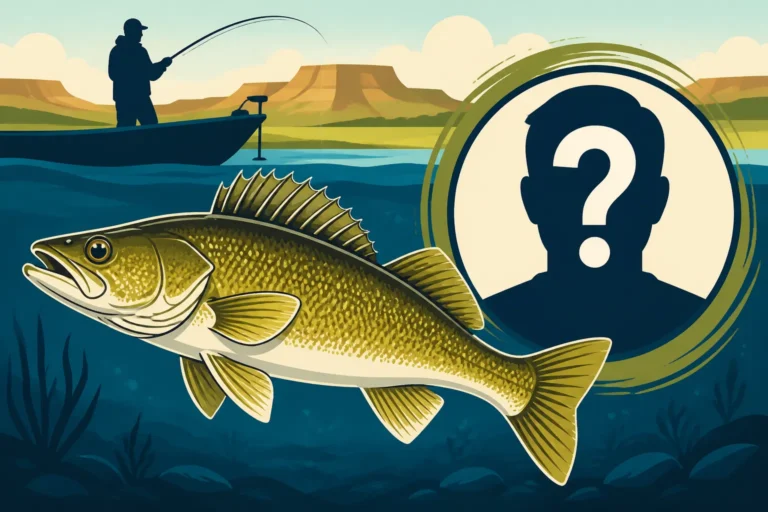
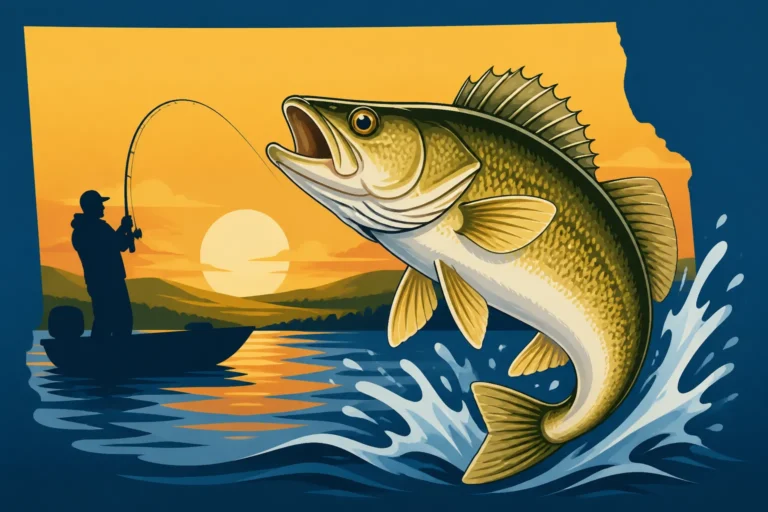
Ah, the walleye. If you've spent any time at all around North Dakota anglers, you know this fish holds a special place in our hearts. It's not just a fish; for many, it's a way of life. The challenge of finding them, the thrill of the bite, and the absolutely delicious fillets they provide make them the undisputed king of North Dakota fishing. You'll hear countless stories about walleye trips, and for good reason – they're abundant, they put up a good fight, and they're darn tasty.
Why Walleye are So Commonly Caught
Walleye are simply prolific in many of our state's premier fisheries, thanks to a combination of natural reproduction and aggressive stocking programs. They thrive in a variety of conditions, from the deep, vast expanses of Lake Sakakawea to the fertile, structure-rich waters of Devils Lake. Their feeding habits also make them a popular target; they're opportunistic predators that will hit everything from live bait to artificial lures, meaning there are many effective ways to catch them. Anglers spend countless hours honing their walleye techniques, whether it's trolling crankbaits, jigging plastics, or drifting with a live minnow, all contributing to their high catch rates. It's a sport that many people dedicate themselves to, always chasing that next bite, that next limit.
Key Walleye Habitats and Identification
Walleye are masters of camouflage, sporting a mottled golden-brown to olive-green color that helps them blend perfectly into their surroundings. Their most distinguishing feature is that large, glassy eye, which helps them see in low light, giving them an advantage over their prey during dawn, dusk, or even on cloudy days. You'll typically find them near structure in lakes and rivers: think submerged humps, rocky points, weed lines, drop-offs, and even flooded timber. They often relate to the bottom or just off it, waiting to ambush unsuspecting baitfish. On big lakes like Sakakawea and Oahe, they'll congregate in main lake basins during different seasons, especially where current or baitfish are concentrated. Understanding these patterns is key to consistently finding them.
Popular Techniques for Catching Walleye
There's no single "best" way to catch a walleye in North Dakota, which is part of their appeal. Many anglers swear by trolling crankbaits or bottom bouncers with spinner rigs, especially during the warmer months when walleye are spread out. Jigging is another classic, whether it's a bare jig tipped with a minnow or a soft plastic presentation, particularly effective in cooler water or when fish are concentrated on specific structures. Live bait, like shiners, leeches, or nightcrawlers, fished under a bobber or on a slip sinker rig, is always a reliable choice. When the ice freezes over, walleye still bite, often falling prey to jigging spoons or small minnows under a bobber. You can learn more about specific approaches in our North Dakota Walleye Fishing Guide. Many anglers are always looking for new gear, and you can often find a wide selection of proven walleye lures, rods, and reels on Amazon to stock your tackle box.
Northern Pike: Aggressive and Abundant Predators
If you're looking for a fish that hits hard and puts up a serious fight, the northern pike is your go-to in North Dakota. These toothy predators are widespread across the state, from the smallest sloughs to the largest reservoirs. They're known for their aggressive strikes and acrobatic displays, making them incredibly exciting to catch, especially for those who love a good tussle. You'll find them in many of the same waters as walleye, and often in unexpected places, always lurking, always ready to ambush.
Why Northern Pike are So Often Encountered
Northern pike are incredibly adaptable and can thrive in a wide range of water conditions, from clear lakes to marshy backwaters. They're voracious eaters, often patrolling the edges of weed beds and shallow bays, making them accessible targets for shore anglers and boaters alike. Their aggressive nature means they're often less finicky than other species, readily attacking a variety of lures and baits. North Dakota's diverse aquatic environments provide ideal habitat for pike, allowing them to grow to impressive sizes, which further fuels their popularity. They're also often an early bite during ice-out conditions, eager to feed after a long winter, making them one of the first fish many anglers target in the spring.
Identifying Pike and Their Preferred Haunts
Northern pike are easily recognizable by their long, slender bodies, duck-bill shaped mouths full of razor-sharp teeth, and distinctive bean-shaped spots or irregular patterns on their flanks. Their coloration typically ranges from dark green to olive, with lighter undersides. They are ambush predators, meaning they prefer areas where they can hide and dart out to strike. This includes dense weed beds, submerged timber, rocky points, and even shallow bays with plenty of cover. In larger lakes, they'll often relate to structure on main lake points or channel edges, especially when targeting larger baitfish. You might find them in surprisingly shallow water, even just a few feet deep, lurking amongst the reeds.
Engaging Techniques for Pike Anglers
Catching northern pike is often about provoking a strike. Large spoons, spinnerbaits, and jerkbaits are incredibly effective, as their flashy action and vibration mimic distressed baitfish. Trolling big crankbaits can also draw out larger pike from deeper waters. For those who prefer live bait, large shiners or suckers fished under a bobber or on a quick-strike rig are deadly, especially when set near prime pike cover. During the winter, tip-ups rigged with large live bait are a staple for ice anglers, allowing pike to run with the bait before setting the hook. When gearing up for pike fishing, particularly for those with a keen eye for quality gear, online retailers like Amazon offer a vast selection of heavy-duty leaders, pliers, and lures specifically designed for these toothy critters. Don't forget to check out our North Dakota Northern Pike Fishing Guide for more detailed strategies.
Yellow Perch: The Panfish Favorite
While walleye and pike often grab the headlines, the humble yellow perch is arguably the true workhorse of North Dakota's fishing scene, especially when the mercury drops. These small but feisty panfish are incredibly popular, particularly with families and ice anglers, offering consistent action and a delicious meal. They might not be the biggest fish in the lake, but their numbers and willingness to bite make them a perennial favorite.
Why Yellow Perch are a Go-To Catch
Yellow perch are prolific breeders and exist in huge numbers in many North Dakota lakes, particularly Devils Lake, which is famous for its jumbo perch. Their schooling nature means that once you find one, you're likely to find many more, leading to fast-paced action that's perfect for keeping kids engaged or filling a cooler in short order. They're also quite accessible, often found in shallower areas, making them prime targets for shore anglers and easily reachable during the ice fishing season. Their mild, flaky white meat is highly prized, making them a fantastic table fare. Many anglers consider a day chasing perch to be some of the most enjoyable fishing North Dakota has to offer.
Perch Habitat and How to Identify Them
Yellow perch are easily identified by their distinctive vertical dark stripes on a brassy yellow-green body, with two dorsal fins and often bright orange lower fins. They typically don't grow much larger than a pound in most waters, though "jumbo" perch in places like Devils Lake can exceed that. They prefer cool, clear water with plenty of vegetation or structure. In summer, they'll often be found in weed beds, around submerged brush, or on shallow flats. As water temperatures cool, they might move to deeper humps and break lines. During the winter, they often congregate in vast schools over softer bottoms, or suspended over deep water, following their primary food sources. Understanding their schooling behavior is key; modern fish finders are invaluable for locating these nomadic schools.
Effective Methods for Landing Perch
Perch fishing is often about finesse. Small jigs, tipped with a wax worm, minnow head, or piece of real worm, are incredibly effective. Micro-spoons, small soft plastics, and even tiny crankbaits can also tempt them. During open water, fishing these baits under a slip bobber near weed edges or structure is a popular method. When ice fishing, jigging small tungsten jigs or spoons is the most common technique, often paired with an underwater camera or flasher to detect their subtle bites. Presentation is crucial, as they can be finicky eaters. You can explore more tactics in our North Dakota Yellow Perch Fishing Guide. When you're gathering all your small tackle and jigs for perch, or perhaps a new set of ice fishing electronics, remember that Amazon often has a fantastic range of options to choose from.
Channel Catfish: The River Monsters
While many anglers focus on the popular game fish of our lakes, the channel catfish holds its own as a truly exciting and widely caught species, especially in the Red River of the North. These powerful bottom dwellers offer an incredible fight, and their sheer size can be genuinely awe-inspiring. If you've never experienced the drag-screaming run of a Red River cat, you're missing out on a quintessential North Dakota fishing experience.
Why Channel Catfish are a North Dakota Angler's Target
North Dakota's rivers, particularly the mighty Red River, are renowned for producing some of the largest channel catfish in North America. These fish aren't just big; they're strong, offering a bulldog-like fight that can test even the most experienced angler's tackle and patience. Beyond the fight, channel cats are also excellent table fare, with firm, white meat when prepared correctly. They're relatively easy to locate and catch once you understand their preferences, making them a reliable target for a fun day (or night!) on the water. Their size, fight, and eating quality combine to make them a highly sought-after species, drawing anglers from far and wide.
Catfish Identification and Prime Locales
Channel catfish have a distinctive, streamlined body, often dark olive to blue-grey on the back, fading to white on the belly, and typically have a deeply forked tail. Younger fish may have small black spots. Their most notable features are the prominent barbels around their mouths, which they use to taste and locate food in murky waters. In North Dakota, you'll primarily find them in the state's larger river systems, especially the Red River, Missouri River, and James River. They prefer deeper holes, current seams, submerged logs, and undercut banks where they can find cover and ambush food. They are often most active during low-light conditions or at night, when they'll cruise the river bottom searching for a meal.
Strategies for Hooking a Trophy Cat
Fishing for channel catfish is often about scent and patience. Stink baits, cut bait (like pieces of sucker or shad), and various prepared baits are highly effective due to the catfish's keen sense of smell. Worms, chicken livers, and even hot dogs can also be productive. A simple bottom rig, such as a slip sinker rig, is often all you need. Cast your bait into a promising hole or current seam and let the scent do the work. Many anglers prefer to fish for cats after dark, as their nocturnal nature often leads to increased activity. Heavy-duty rods and reels are essential for handling the power of these fish, especially on the Red River. Setting up your gear for a night of catfishing? You can find robust rods, high-capacity reels, and even powerful headlamps on Amazon to make your experience more comfortable and productive. Our North Dakota Channel Catfish Fishing Guide delves deeper into specific techniques for these river giants.
Other Notable North Dakota Fish Species
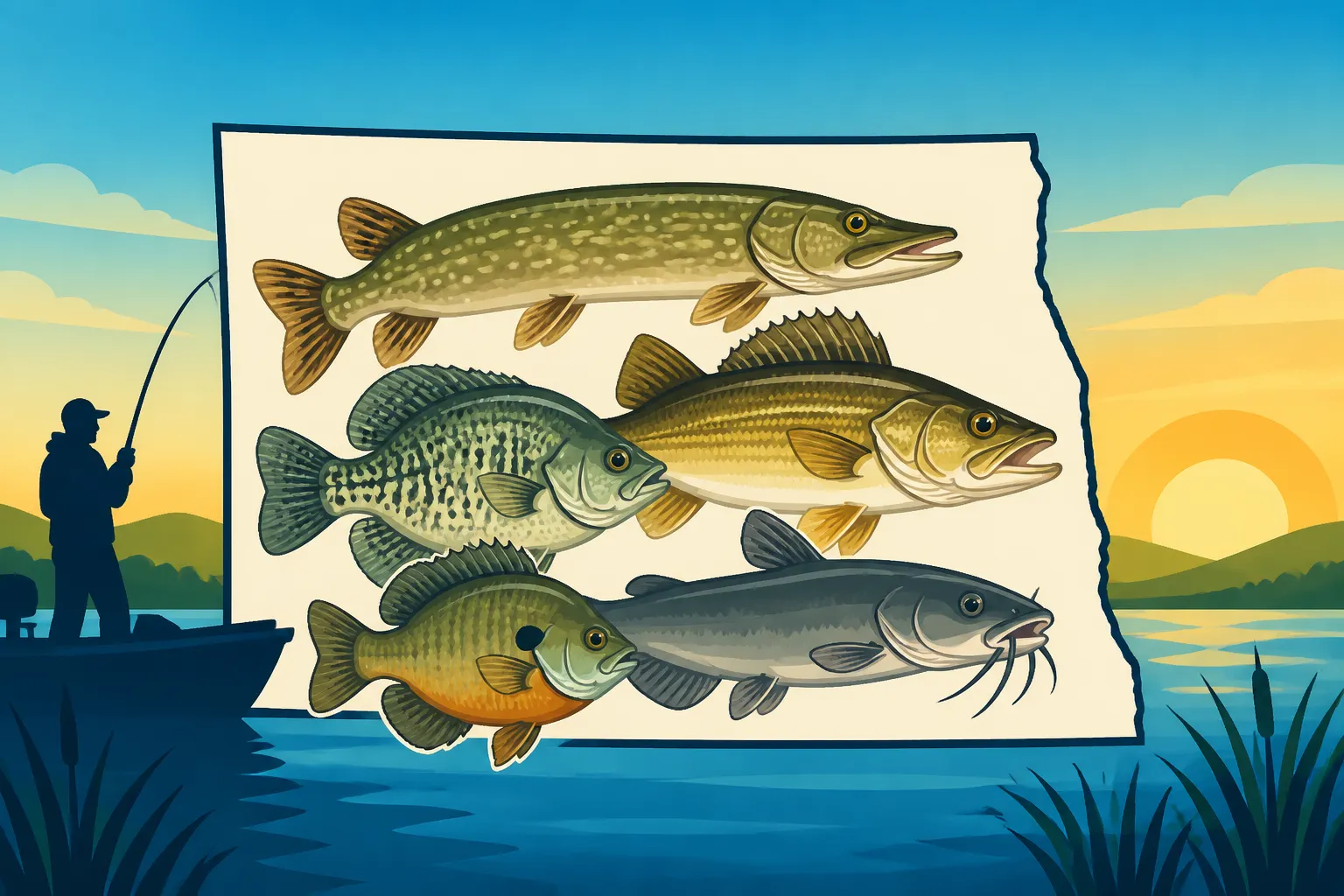
While walleye, northern pike, yellow perch, and channel catfish are certainly the most commonly caught, North Dakota's waters are home to a much wider array of fish that regularly end up on an angler's line. It's a testament to the diverse and healthy ecosystems we have here.
Smallmouth Bass and Crappie
Smallmouth bass are gaining significant popularity, particularly in waters like Lake Sakakawea and Lake Audubon. These bronze beauties are known for their incredible fighting ability, often leaping clear of the water when hooked. They prefer rocky structure and clear water, and they strike aggressively at a variety of artificial lures, making them a thrilling target for many anglers. If you're looking for a fast-paced fight and some impressive acrobatics, smallmouths are a fantastic choice. Smallmouth Bass Techniques on Rocky Shorelines can help you dial in your approach.
Crappie, both black and white, are another panfish favorite, though perhaps not as widespread as perch. They tend to school up around submerged timber, brush piles, and bridge pilings. Like perch, they offer fantastic eating and can provide exciting action once a school is located. They respond well to small jigs, minnows, and even tiny crankbaits, making them a fun target for anglers of all skill levels. They are excellent targets during the spring and fall, when they move into shallower areas.
Sauger and White Bass
Sauger are close relatives of the walleye, often found in the same waters, particularly the Missouri River system below Garrison Dam. They tend to prefer deeper, murkier water and stronger current than walleye, but offer similar delicate fillets. They are frequently caught incidentally by walleye anglers but are a prized catch in their own right. Sauger Habitat Below Garrison Dam is a great resource if you're targeting them specifically. White bass are another schooling fish that can provide incredible action, especially during their spring and fall feeding frenzies on large lakes and rivers. They are powerful fighters for their size and will readily hit jigs, spoons, and small crankbaits. Finding a school of feeding white bass can lead to non-stop action, often right from shore.
Regional Specialties: Chinook Salmon and Paddlefish
While not as common across the state, two species offer unique and exciting fishing opportunities in specific North Dakota waters. Chinook salmon are stocked in Lake Sakakawea and have created a unique coldwater fishery. Trolling with downriggers and specific baits is the primary method for these powerful ocean-going transplants. They are a big game fish experience in landlocked North Dakota, offering a truly different kind of fight.
Paddlefish are an ancient and unique species found in the Missouri River system. Snagging for these giants is a highly regulated, permit-based fishery that draws dedicated anglers. It's an experience unlike any other, targeting fish that can weigh over 100 pounds. While not "commonly caught" in the traditional sense, they are a significant part of North Dakota's diverse fishing landscape for those who pursue them during their specific season. You'll need to check the North Dakota Fishing Regulations Explained for details on these specialized fisheries.
No matter what kind of fish you're after, North Dakota's waters truly offer something for everyone. From the thrill of a trophy walleye to the fast action of a perch bite, or the brute strength of a Red River catfish, the opportunities are abundant. Get out there, explore, and make some memories!
| Fish Species | Primary Habitat | Average Size (North Dakota) | Best Season (General) |
|---|---|---|---|
| Walleye | Lakes, rivers (structure, deep water) | 1-4 lbs (up to 10+ lbs) | Spring, Fall, Ice Fishing |
| Northern Pike | Lakes, rivers (weed beds, shallow bays) | 2-8 lbs (up to 20+ lbs) | Spring, Summer, Ice Fishing |
| Yellow Perch | Lakes (weeds, deeper schools) | 0.25-1 lbs ("jumbo" over 1 lb) | Ice Fishing, Spring, Fall |
| Channel Catfish | Rivers (deep holes, current seams) | 5-15 lbs (up to 30+ lbs) | Summer (especially night) |
| Smallmouth Bass | Lakes (rocky structure) | 1-3 lbs (up to 5+ lbs) | Summer, Fall |
| Crappie | Lakes (submerged timber, brush) | 0.5-1 lbs | Spring, Fall, Ice Fishing |
| Sauger | Rivers (deep, murky current) | 1-3 lbs | Spring, Fall |
| White Bass | Lakes, rivers (open water schools) | 0.5-2 lbs | Summer, Fall |
| Chinook Salmon | Lake Sakakawea (deep, cold water) | 5-15 lbs (up to 20+ lbs) | Summer, Fall |
| Paddlefish | Missouri River (free-flowing areas) | 40-100+ lbs | Specific Spring Season |
Disclaimer
This article is for general informational purposes only and does not constitute professional advice. Laws, prices and regulations vary by location and change over time. Consult a qualified professional for guidance on your specific situation.