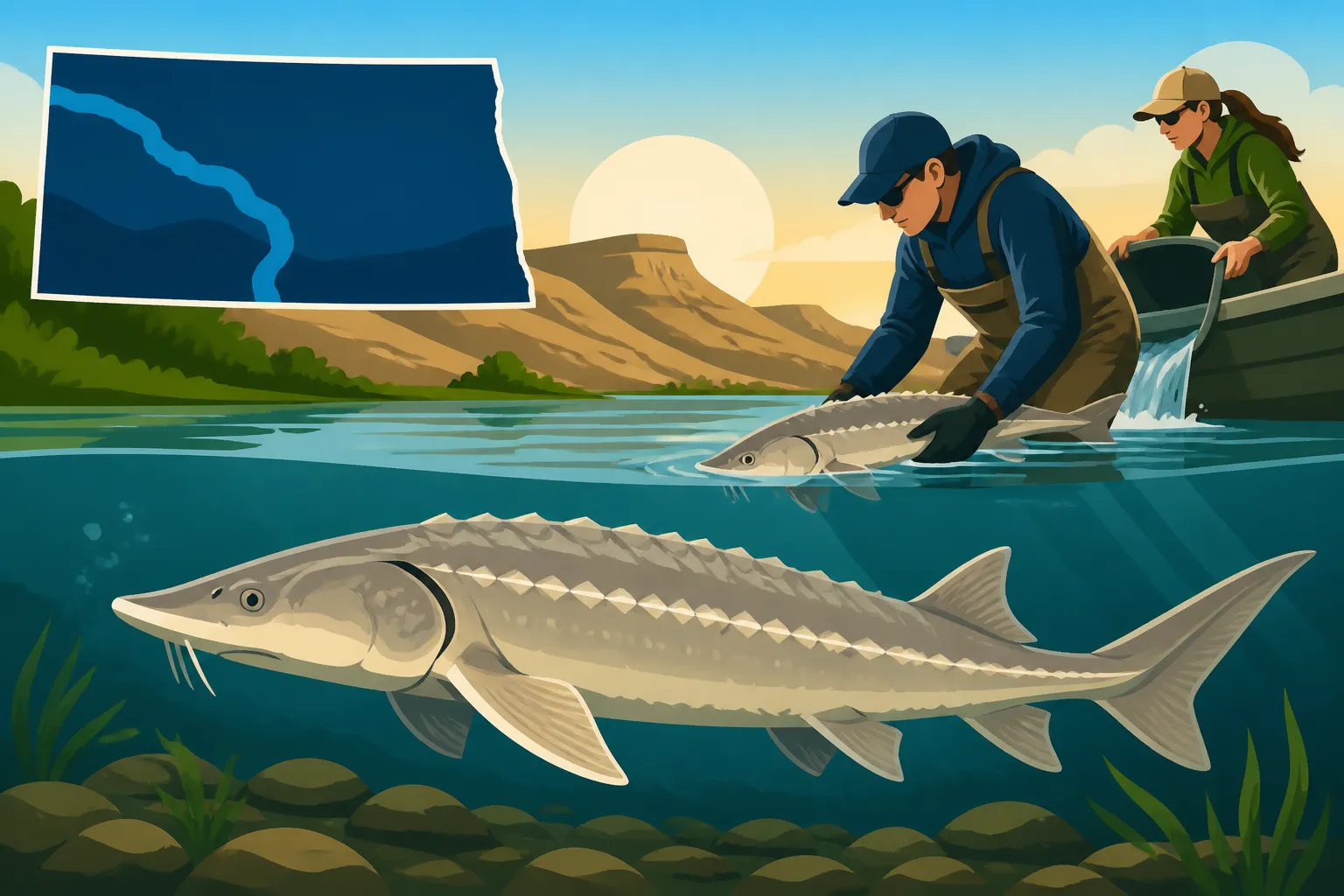
Pallid Sturgeon Recovery in the Missouri River
It's incredibly disheartening when we talk about a species on the brink, especially one as magnificent and ancient as the pallid sturgeon right here in our beloved Missouri River. Anglers, conservationists, and even those who just appreciate the wild beauty of North Dakota's waterways often feel a deep sense of frustration and helplessness when faced with such an uphill battle. This guide is dedicated to shedding light on the critical situation of the pallid sturgeon, detailing the ongoing recovery efforts, and empowering you with practical ways you can contribute to their survival and hopeful return to abundance.
What Exactly is a Pallid Sturgeon?
Before we dive into their struggles and our efforts, let's truly get to know this remarkable fish. The pallid sturgeon is a living fossil, an ancient species that has navigated North American rivers for millions of years, predating many of the creatures we consider "modern." They are a testament to resilience, having survived countless environmental changes, but today they face an unprecedented challenge primarily due to human impact on their natural environment.
Identifying the Elusive Pallid Sturgeon
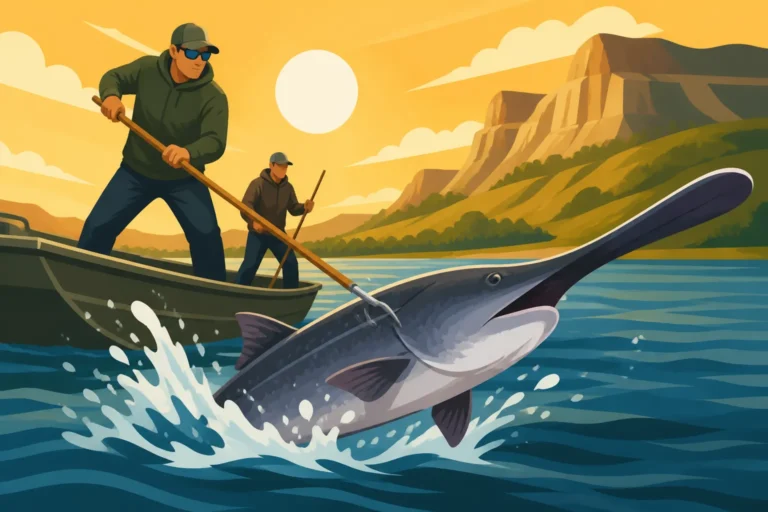
One of the biggest hurdles, even for experienced anglers, is distinguishing a pallid sturgeon from its more common cousin, the shovelnose sturgeon. Both species inhabit parts of the Missouri River, and they look quite similar at first glance. However, there are key differences that, once you know them, become easier to spot. Pallid sturgeon tend to be much larger, growing up to six feet long and weighing nearly 100 pounds, whereas shovelnose sturgeon are generally smaller, rarely exceeding 30 inches. Their coloration also differs; pallids have a paler, sandier, or grayish-white appearance, giving them their "pallid" name, while shovelnose sturgeon are usually darker, with a mottled brown or gray back.
Beyond size and color, look closely at their features. Pallid sturgeon have a flatter, broader snout and their barbels (the whisker-like sensory organs near their mouth) are typically closer to the tip of their snout and are all roughly the same length. Shovelnose sturgeon, on the other hand, have a more pointed, upturned snout, and their outer pair of barbels are usually noticeably longer than the inner pair. Also, inspect the scutes or bony plates on their belly; pallid sturgeon usually have very few or no scutes on their belly behind the pectoral fins, giving them a smoother feel, whereas shovelnose sturgeon have a complete row of bony scutes on their belly. Knowing these distinctions is crucial, as accidentally catching a pallid sturgeon comes with specific responsibilities. You can often find detailed identification charts and guides on websites like Amazon that are invaluable for on-the-water reference.
| Feature | Pallid Sturgeon | Shovelnose Sturgeon |
|---|---|---|
| Size | Large (up to 6 feet, 100 lbs+) | Smaller (up to 30 inches, 5 lbs) |
| Coloration | Pale, sandy, grayish-white | Darker, mottled brown or gray |
| Snout | Flatter, broader | More pointed, upturned |
| Barbels | All similar length, closer to snout tip | Outer pair longer than inner pair, further from tip |
| Belly Scutes | Few or no bony plates behind pectoral fins | Complete row of bony plates |
| Eyes | Relatively small | Relatively larger |
| Conservation Status | Federally Endangered | Common, but protected in some areas (catch limits) |
A Look at Their Natural Habitat and Life Cycle
Historically, pallid sturgeon thrived in the turbid, braided channels of large, free-flowing prairie rivers like the Missouri and Mississippi. These environments offered a dynamic mix of deep scour holes, shifting sandbars, shallow side channels, and a constantly changing riverbed—perfect for their unique lifestyle. They are bottom-dwellers, using their sensitive barbels to forage for aquatic insects, small fish, and other invertebrates in the murky depths. They are also incredibly long-lived, with some individuals reaching ages of 50 years or more, and they don't reach sexual maturity until they are several years old, often not until they're 7 to 15 years old.
Their life cycle is fascinating but also part of their vulnerability. They undertake extensive migrations, often hundreds of miles, to reach specific spawning grounds. These long migrations, combined with their late sexual maturity and infrequent spawning (often every 2-3 years), mean that successful reproduction is a complex and delicate process. The eggs are broadcast over rocky substrates, and the larvae drift downstream, requiring vast stretches of undisturbed river to develop. This intricate reliance on a vast, healthy, and interconnected river system is a major reason why river alterations have had such a devastating impact. For more on the diverse fish species in our waters, check out Fish Species Found in North Dakota Lakes and Rivers.
Historical Significance in North Dakota
In North Dakota, the Missouri River has always been a vital artery, and pallid sturgeon were once a common, albeit unique, part of its ecosystem. Early explorers and settlers likely encountered these large, prehistoric-looking fish, though their true ecological role was perhaps not fully understood at the time. They were a powerful indicator of a healthy, dynamic river system, a species that relied on the very characteristics that define a wild, untamed river. Imagine a time when these giants were just another component of the river's bounty.
Over the last century, however, their numbers plummeted. The dramatic changes to the Missouri River through dam construction and channelization effectively fragmented their habitat and disrupted their life cycle. The historical record suggests that while never as abundant as some other fish species, they were a regular presence. Today, encountering a wild-spawned pallid sturgeon is incredibly rare, a stark reminder of how much has changed and how urgent our recovery efforts truly are. This transformation is a prime example of why understanding North Dakota Fishing Regulations Explained and broader conservation issues is more important than ever.
Why are Pallid Sturgeon Endangered?
The story of the pallid sturgeon's decline is a complex tapestry woven with threads of human progress, often at the expense of natural ecosystems. Their endangered status isn't due to a single factor but a combination of profound alterations to their environment that have cumulatively pushed them to the brink.
The Impact of River Alterations and Dams
The most significant factor contributing to the pallid sturgeon's decline is undeniably the alteration of the Missouri River. The construction of a series of large dams, particularly the Garrison Dam here in North Dakota, and extensive channelization projects designed for navigation and flood control, fundamentally changed the river's character. These dams created massive impoundments like Lake Sakakawea and Lake Oahe, transforming free-flowing riverine habitat into deep, cold, reservoir environments. While these reservoirs created new fisheries for species like walleye and northern pike, they were detrimental to the pallid sturgeon.
These dams act as impenetrable barriers, preventing the long-distance migrations essential for spawning and genetic exchange. The river downstream of the dams also changed dramatically; the sediment load was trapped, leading to a clearer, colder, and less turbid river with a more stable, less dynamic bottom. This new environment lacked the diverse sandbar and island complexes, braided channels, and fluctuating flows that pallid sturgeon relied upon for spawning, rearing, and foraging. It essentially removed the very "nervous system" of the river that these fish needed to survive.
Habitat Degradation and Food Source Scarcity
Beyond the physical barriers, the overall degradation of remaining river habitat played a major role. The altered flow regimes meant fewer shallow water areas for larval development and reduced availability of critical foraging grounds. The once abundant shifting sand and gravel bars, which provided a rich tapestry of invertebrate life, became stabilized or scoured away. This led to a scarcity of their preferred food sources, especially for young sturgeon.
Furthermore, changes in water temperature and clarity could also affect their ability to find food and evade predators. The unique turbidity that once characterized the Missouri River was not just a visual trait; it provided camouflage for these bottom-dwellers and supported a different food web. As the river became clearer and more channelized, the entire ecosystem shifted, favoring species that could adapt to the new conditions, while leaving the highly specialized pallid sturgeon struggling to find sustenance and refuge. This is why discussions around Aquatic Nuisance Species Rules for Boaters are so important, as healthy ecosystems are interconnected.
Reproductive Challenges and Low Recruitment
Even in the remaining suitable river sections, pallid sturgeon face significant reproductive challenges. As mentioned, they spawn infrequently and require very specific environmental cues and conditions. The altered hydrograph (the pattern of water flow) of the Missouri River often means that the natural high-water events that historically triggered spawning runs and aided larval drift are no longer present or are heavily controlled. This can lead to what's called "recruitment failure"—meaning very few, if any, young sturgeon are successfully born and survive to adulthood.
Without successful reproduction, a population cannot sustain itself. For decades, researchers observed very little, if any, natural reproduction among the wild pallid sturgeon populations. The few remaining fish were simply growing old without new generations to replace them. This realization was a stark wake-up call, emphasizing that simply protecting the existing adults wasn't enough; active intervention was needed to restore the conditions necessary for them to breed naturally or to supplement their numbers through artificial means. This problem highlights the delicate balance of ecosystems and why understanding something as simple as North Dakota Fishing Season Calendar can be a window into broader ecological cycles.
The Missouri River Recovery Efforts in North Dakota
Given the dire situation, extensive and multi-faceted recovery efforts have been underway for decades. These efforts are a testament to the dedication of numerous federal, state, tribal, and private organizations, all working to bring the pallid sturgeon back from the brink in the Missouri River system, including the portions that flow through North Dakota.
Hatchery Programs and Stocking Initiatives
One of the cornerstones of the recovery program has been the establishment of specialized hatchery programs. Recognizing the almost complete lack of natural reproduction, conservationists turned to captive breeding as a way to maintain the species and eventually reintroduce them into the wild. Pallid sturgeon are carefully collected from the river, spawned in controlled environments, and their offspring are raised in hatcheries until they reach a size where they have a better chance of survival.
Once they reach a sufficient size, these hatchery-reared pallid sturgeon are then released into various stretches of the Missouri River, including key areas in North Dakota. These stocking efforts are not random; they are meticulously planned, often involving tagging the fish so their movements, survival rates, and growth can be monitored. The goal is to bolster the wild population, increase genetic diversity, and, hopefully, give the species a chance to re-establish a self-sustaining population. While they are stocked, it's important to remember that these are not recreational fish, and strict rules apply. If you're out fishing, make sure you know How Many Lines Can You Fish With in North Dakota? and other regulations.
Ongoing Research and Monitoring
Recovery is not just about putting fish in the water; it's about understanding what makes them thrive (or fail to thrive). Extensive scientific research and monitoring are continuously conducted to gather vital information about pallid sturgeon. Biologists use telemetry tags to track their movements, helping to identify critical habitats, migration routes, and spawning locations. Genetic studies are also performed to assess population health and diversity, ensuring that stocking efforts are contributing to a robust gene pool.
This ongoing research informs management decisions, helping to refine stocking strategies, identify potential areas for habitat restoration, and understand the impacts of various river management practices. For instance, data collected from tracking released fish can help determine if they are surviving, growing, and perhaps most importantly, if they are attempting to spawn naturally. The challenges are immense, and every piece of data contributes to the long-term success of the recovery plan. Anglers can support these efforts simply by being aware and respectful of the river's unique inhabitants.
Collaborative Conservation Projects
No single entity can tackle a challenge as vast as the recovery of an endangered species across an entire river basin. The pallid sturgeon recovery efforts are a shining example of interagency and interstate collaboration. Federal agencies, such as the U.S. Fish and Wildlife Service, work hand-in-hand with state wildlife departments in North Dakota and neighboring states, as well as tribal nations and academic institutions. Each brings unique expertise and resources to the table.
These collaborations extend to habitat restoration projects, which aim to mimic the natural processes of a free-flowing river. This might involve dredging side channels, creating or restoring shallow water habitats, or even experimenting with altered water releases from dams to simulate more natural flow regimes. It’s a huge undertaking, requiring extensive planning and resources, but the dedication to restoring this iconic species is unwavering. For anglers exploring the vastness of the Missouri, knowing What Fish Species Live in the Missouri River? helps appreciate the full ecosystem, not just game fish.
How Anglers Can Play a Role in Recovery
As a community of outdoor enthusiasts, anglers are often the eyes and ears of our waterways. Your presence on the river, and your understanding of the local fish populations, makes you an invaluable partner in the pallid sturgeon recovery efforts. It’s not just about what you can't do, but what you can do to make a positive impact.
Practicing Proper Catch-and-Release Techniques
If you're out fishing on the Missouri River and you accidentally hook a sturgeon, it's critical to assume it's a pallid sturgeon and handle it with the utmost care. Pallid sturgeon are federally protected, meaning it's illegal to harvest them. The primary goal is to minimize stress and injury to the fish before releasing it. This means keeping the fish in the water as much as possible, especially if you're not sure whether it's a pallid or shovelnose. Avoid dragging it onto the bank or into your boat.
If you must handle the fish for hook removal or identification, use wet hands or gloves to protect its slime coat, and support its body horizontally to avoid internal injury. Use long-nosed pliers or a de-hooking tool to gently remove the hook. If the hook is deeply embedded, it's often better to cut the line as close to the hook as possible rather than risking further injury trying to yank it out. Consider carrying a small kit of essential catch-and-release tools, which you can easily find on Amazon, to be prepared for any unexpected catches. Our guide on North Dakota Walleye Fishing Techniques often covers similar responsible angling practices, although with different target species.
Reporting Accidental Catches and Observations
This is perhaps one of the most direct and impactful ways anglers can contribute. If you accidentally catch a pallid sturgeon (or suspect you have), it's incredibly valuable for conservation efforts to report it. Many of the hatchery-reared sturgeon are tagged, either with external tags near the dorsal fin or internal PIT (Passive Integrated Transponder) tags. These tags provide vital information about the fish's age, where it was released, and how much it has grown.
Contact the North Dakota Game and Fish Department immediately with details of your catch, including the location, time, estimated size, and any tag numbers you observe. You can usually find contact information in the official North Dakota Fishing License Guide or the state's fishing proclamation. Even if the fish isn't tagged, reporting a sighting or catch helps biologists understand their distribution and survival rates in the wild. Your observation could be a critical piece of the puzzle, helping researchers monitor the success of stocking programs and identify areas where these fish are surviving and thriving.
Spreading Awareness and Supporting Conservation
Finally, one of the most powerful things any angler can do is simply to be an advocate. Talk to your fellow anglers about the importance of pallid sturgeon recovery. Share your knowledge about identification, proper catch-and-release techniques, and the reasons why these fish need our help. Many people simply aren't aware of the plight of the pallid sturgeon or the intricacies of distinguishing them from shovelnose sturgeon.
Beyond individual actions, consider supporting conservation organizations that are actively involved in Missouri River habitat restoration and pallid sturgeon recovery. Whether through volunteering, donations, or simply staying informed about local conservation initiatives, your support reinforces the collective effort. The more people understand and care about these ancient river giants, the greater the chance they have for a long-term future in North Dakota's waters. Exploring Best Places to Fish in North Dakota can also be an opportunity to appreciate the broader ecosystem and its diverse inhabitants.
Disclaimer
This article is for general informational purposes only and does not constitute professional advice. Laws, prices and regulations vary by location and change over time. Consult a qualified professional for guidance on your specific situation.