What Is North Dakota’s Official State Fish?
It’s a funny thing how state symbols often pass us by, isn't it? We know our state bird, maybe the state flower, but when it comes to the official state fish, a lot of us anglers draw a blank. For those who spend countless hours on North Dakota's pristine waters, chasing that next big bite, it's a question that often sparks curiosity. This guide will dive deep into North Dakota’s aquatic royalty, revealing its official state fish and exploring why this particular species holds such an esteemed place in the hearts of hunters and anglers across the Roughrider State.
The Big Reveal: North Dakota's Official State Fish
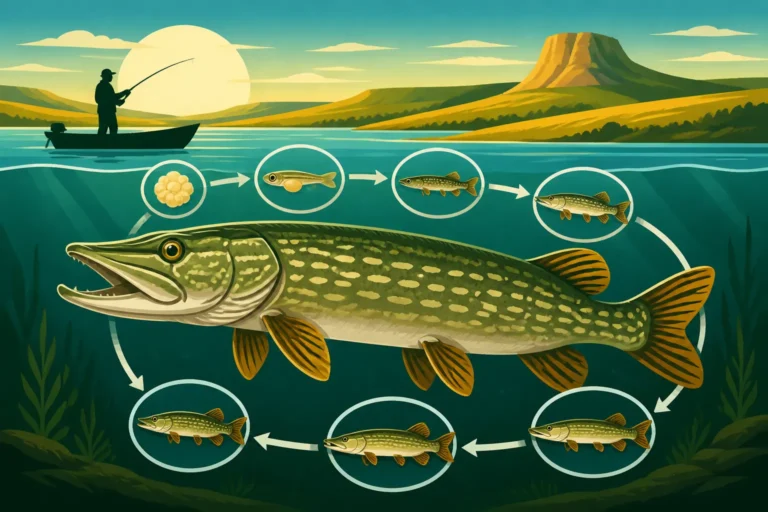
Alright, let's cut straight to the chase because I know you're eager for the answer. North Dakota's official state fish is none other than the Northern Pike. Yes, that toothy, aggressive, and often surprisingly large fish that gives many an angler a run for their money. It's not a secret, but it's certainly not something widely advertised outside of fishing circles.
When you think about the vast, wild expanses of North Dakota, the Northern Pike just fits. It embodies the rugged beauty and spirited nature of our waters. From the sprawling depths of Lake Sakakawea to the smaller, hidden sloughs, these incredible predators are a staple, providing thrilling fishing experiences year-round. They're tenacious, powerful, and truly a symbol of the wild spirit that defines fishing in our state.
Why the Northern Pike?
So, why the Northern Pike? It wasn't just pulled out of a hat. This choice makes perfect sense when you consider the pike's widespread prevalence and its significant impact on North Dakota's fishing culture and ecosystem. These fish are practically everywhere, thriving in a variety of water bodies from large reservoirs to smaller lakes and rivers. They are hardy, adaptable, and incredibly voracious predators, playing a crucial role in maintaining the balance of fish populations in our waters.
Beyond their ecological importance, Northern Pike are renowned for their fighting spirit. Hook into a decent-sized pike, and you're in for a battle. They hit hard, run fast, and often put on spectacular aerial displays, jumping clear out of the water. For many anglers, the sheer thrill of battling a big pike is what keeps them coming back season after season. They're accessible to anglers of all skill levels, from beginners casting spoons from shore to seasoned veterans jigging tip-ups through the ice. The pike is truly a fish of the people, representing the accessible and exciting fishing opportunities North Dakota has to offer.
A Brief History of the Designation
The journey to becoming the official state fish is often an interesting one, sometimes involving passionate advocacy from school groups or fishing organizations. For the Northern Pike, it was officially designated as North Dakota's state fish on April 2, 1969. This wasn't a casual decision; it reflected the deep connection North Dakotans have with this particular species.
Before its official designation, the Northern Pike had long been a celebrated game fish in the state. Anglers cherished it for its aggressive strikes and challenging fights. It was (and still is!) a common target, making it a natural fit for such an honor. The designation helped to solidify its place not just as a popular catch, but as an icon representing the rich fishing heritage of North Dakota. It's a testament to the fish's enduring popularity and its invaluable contribution to the state's outdoor recreation and economy. Every time you cast a line for pike, you're engaging with a piece of North Dakota's official history.
Getting to Know the Northern Pike
Understanding our state fish goes beyond just knowing its name. The Northern Pike is a fascinating creature with distinct characteristics and behaviors that make it truly unique. If you've ever hooked one, you know the thrill, but let's dive into what makes this fish tick.
Physical Characteristics and Identification
Northern Pike are easily recognizable, even for novice anglers. They possess a long, sleek, torpedo-shaped body, perfectly designed for ambush predation. Their coloration typically ranges from dark green to olive green on the back, fading to a creamy white belly, with distinctive bean-shaped, light-colored spots along their sides. This natural camouflage allows them to blend seamlessly into submerged vegetation, waiting to strike unsuspecting prey.
One of their most striking features is their large, duck-bill-shaped mouth, armed with hundreds of razor-sharp, backward-pointing teeth. These teeth are designed to grasp and hold onto struggling prey, leaving little chance of escape. Their dorsal fin is set far back on their body, close to the caudal (tail) fin, which gives them incredible bursts of speed to pounce on their meals. They also have relatively small, bright yellow eyes, which are excellent for spotting movement in murky waters. You can find Northern Pike ranging widely in size, from smaller "hammer handle" pike a foot or two long to massive "gators" stretching over 40 inches and weighing into the double digits. The chance of catching a trophy is always there, making every cast exciting. Northern Pike Identification in North Dakota provides even more detail on how to spot these magnificent fish.
Prime Habitat and Behavior
Northern Pike are incredibly adaptable and can be found in a wide array of aquatic environments across North Dakota. They thrive in cool, clear, and relatively shallow waters that offer plenty of submerged vegetation, fallen timber, or rocky structures. These areas serve as ideal ambush points, allowing them to hide and launch surprise attacks on prey. Lakes, reservoirs, and slow-moving rivers with weed beds are prime Northern Pike territory. Lake Sakakawea, Devils Lake, and many of the smaller prairie lakes are famous for their pike populations. You might even find a great Northern Pike Daily Limit on the Red River if you know where to look.
Their behavior is largely driven by their predatory nature. Pike are solitary hunters for the most part, preferring to stake out a territory and wait for food to come to them. They are opportunistic feeders, meaning they'll eat just about anything they can catch, from smaller fish like perch and walleye to frogs, ducklings, and even small mammals. They have an incredible metabolism, especially in warmer waters, which keeps them constantly on the hunt. In winter, they become a bit less active but still feed regularly, making them a fantastic target for ice anglers. Knowing their preferred habitat and aggressive feeding habits is key to successful pike fishing.
The Northern Pike's Impact on North Dakota Fishing
The Northern Pike isn't just a symbol; it's a driving force behind countless fishing adventures and memories for North Dakota anglers. Its presence shapes fishing strategies, gear choices, and even the stories told around campfires.
Fishing for Pike in North Dakota
Fishing for Northern Pike in North Dakota is an experience unlike any other, offering thrills throughout the year. During the open water season, from spring to fall, anglers often target pike by casting large spoons, spinnerbaits, or crankbaits into weed beds and along drop-offs. These aggressive lures mimic the wounded baitfish that pike love to ambush. Trolling is also effective in larger bodies of water like Lake Sakakawea, especially when targeting suspended pike. Many seasoned anglers will attest to the sheer excitement of a pike hitting a trolled lure. For gear, a medium-heavy to heavy action rod with a strong baitcasting or spinning reel spooled with at least 20-30 lb braided line is essential to handle their powerful runs and sharp teeth. Don't forget a steel leader! You can find some fantastic options for Best Fishing Rods for North Dakota Anglers on popular sites like Amazon, ensuring you're ready for that next big bite.
When winter blankets North Dakota in ice, pike fishing takes on a whole new dimension. Ice fishing for pike, especially with tip-ups, is incredibly popular. Anglers set out multiple tip-ups baited with large live minnows or dead smelt, spreading them out over potential pike haunts. The flag flying up against a stark white landscape is an unmistakable signal that a pike has taken the bait, signaling a dash across the ice for an exhilarating fight. Jigging with large spoons or swimbaits through the ice can also entice strikes. Safety is paramount during ice fishing, of course, but the reward of a big winter pike is well worth the effort. Learn more about techniques in Northern Pike Casting Techniques and Ice Fishing for Northern Pike With Tip-Ups.
Culinary Delights and Management
While some anglers release their pike, many keep them for the table. Northern Pike have a reputation for being bony, but with the right filleting technique – often called the "five-fillet method" – you can easily remove the pesky "Y-bones" and enjoy delicious, firm, white meat. When prepared correctly, pike can be incredibly tasty, whether fried, baked, or grilled. They have a mild flavor that holds up well to various seasonings and cooking methods. If you're looking for a great guide, checking out How to Fillet a Northern Pike Without Bones can make all the difference in turning a good catch into a great meal.
From a management perspective, the North Dakota Game and Fish Department does an excellent job of ensuring healthy pike populations. They implement regulations regarding size limits and daily creel limits, which help protect larger breeding fish while allowing anglers to harvest smaller ones. These regulations are designed to maintain a sustainable fishery for future generations. Additionally, ongoing habitat protection and enhancement projects ensure that pike have the shallow, vegetated areas they need to thrive. Anglers play a vital role in conservation by adhering to these regulations and practicing responsible angling, ensuring that the Northern Pike remains a cherished part of North Dakota's aquatic landscape.
Beyond the Pike: Other Notable North Dakota Fish
While the Northern Pike proudly wears the crown as North Dakota's official state fish, it's certainly not the only game in town. Our waters are teeming with a diverse array of species that draw anglers from near and far, each offering its own unique challenge and charm. Understanding these other popular species gives you a fuller picture of North Dakota's rich fishing tapestry.
Walleye: The Angler's Favorite
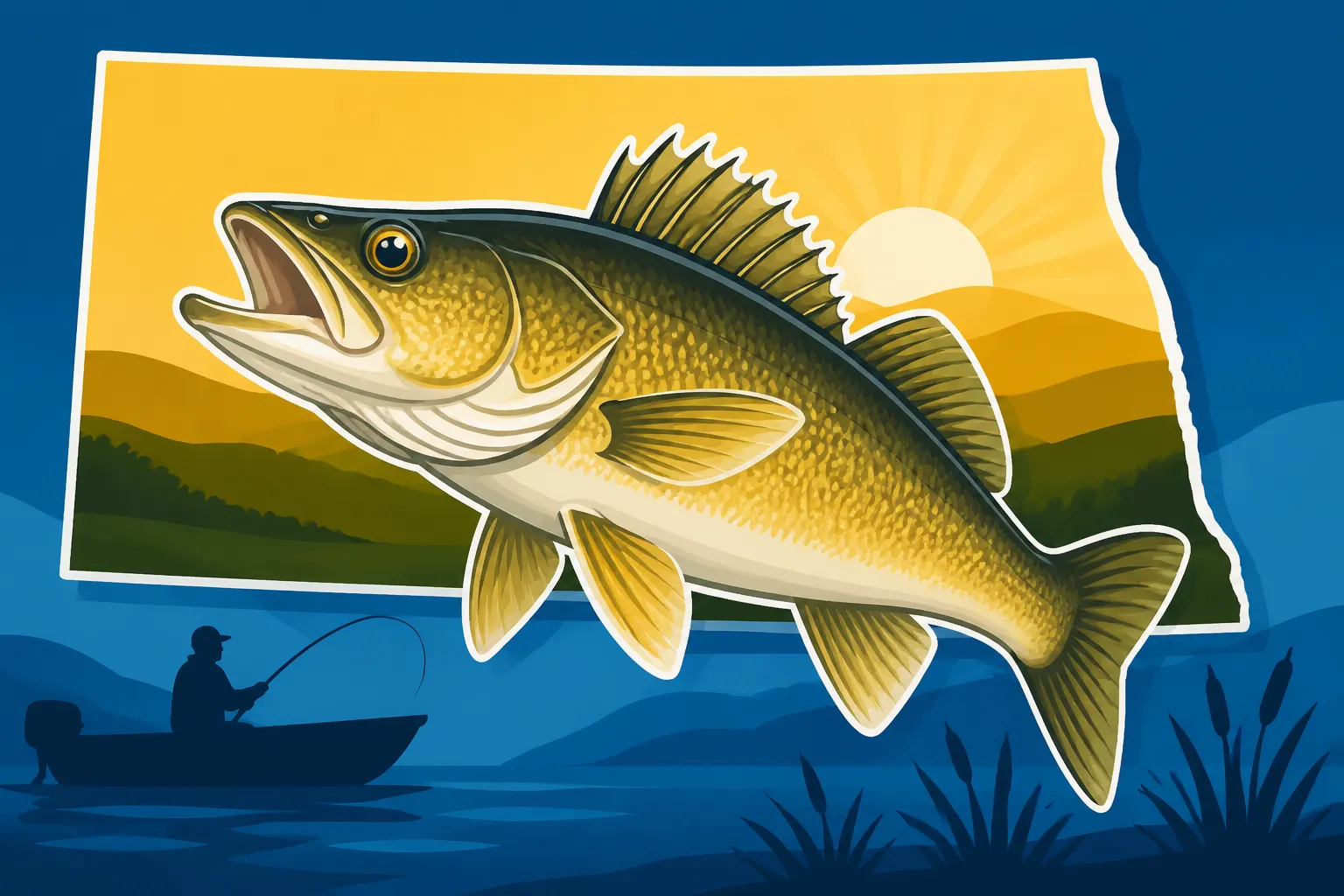
If the Northern Pike is the state's official fish, the Walleye might well be its unofficial king, at least in terms of angler popularity. These elusive and delectable fish are arguably the most sought-after species in North Dakota. Known for their incredible taste and challenging nature, walleye bring a whole different level of excitement to fishing. Lakes like Sakakawea, Devils Lake, and Lake Oahe are legendary walleye factories, drawing thousands of anglers annually. Whether you're jigging, trolling, or employing slip bobbers, cracking the walleye code can be incredibly rewarding.
The techniques for catching walleye often differ significantly from pike. Walleye are more light-sensitive, often preferring deeper water during the day or coming into shallower areas during low light conditions. They can be finicky eaters, requiring a more finessed approach with smaller jigs, live bait rigs, or precision trolling with crankbaits. The sheer dedication and variety of methods involved in North Dakota Walleye Fishing Techniques makes it a constant learning experience. It’s no wonder that a significant portion of the tackle available on platforms like Amazon is dedicated to chasing these prized fish, from specialized rods to glow-in-the-dark jigs.
Perch and Catfish: Other Iconic Species
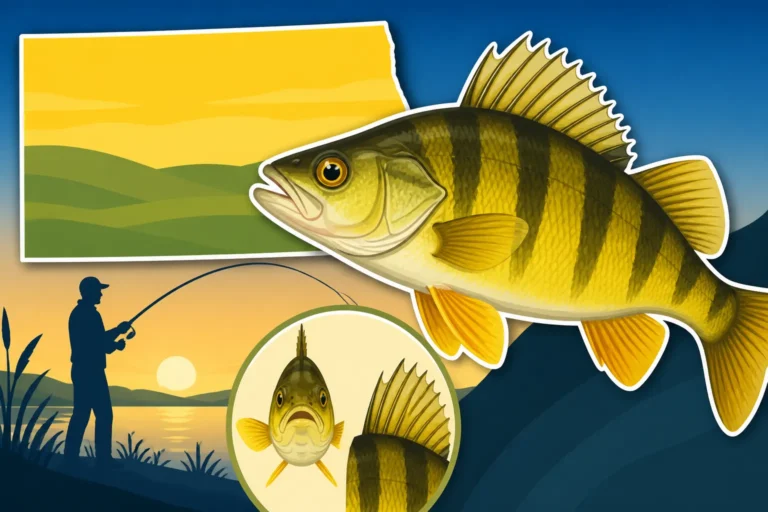
Beyond walleye and pike, North Dakota boasts healthy populations of other incredible game fish that contribute significantly to the state's fishing reputation. Yellow Perch are incredibly popular, especially for ice anglers. Devils Lake is practically synonymous with jumbo perch, and the thrill of finding a school of these striped beauties and pulling them through the ice is truly addictive. They're excellent table fare and offer fast-paced action, making them a family favorite. A light jigging rod with a small jig tipped with a minnow or a waxworm is often all it takes to get them biting. You can explore more about these delightful fish in the North Dakota Yellow Perch Fishing Guide.
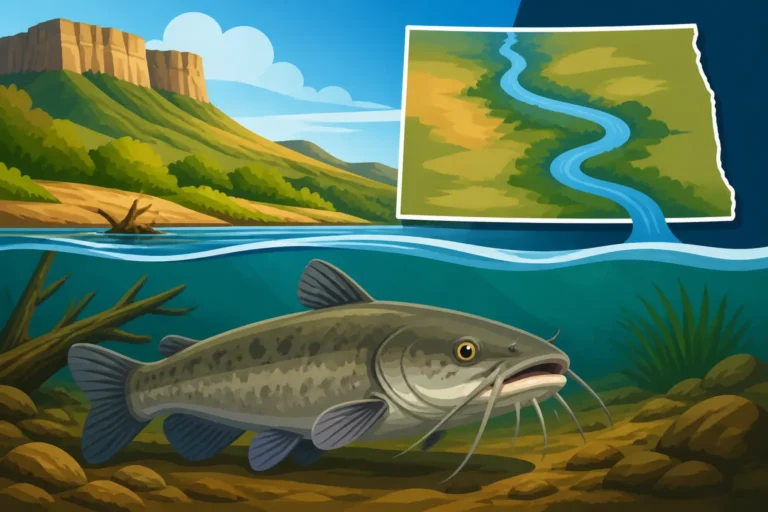
Then there are the Channel Catfish, particularly famous in the Red River of the North. If you're looking for a powerful fight and a fish that can truly test your tackle, the Red River's catfish are legendary. These bottom dwellers can grow to enormous sizes, often reaching weights that will make your arms ache. They're primarily targeted with strong conventional gear and various cut baits or stink baits, often fished on the bottom in deep holes or current seams. Night fishing for catfish is a popular pastime, offering a serene yet exciting experience under the stars. For more on targeting these powerful fish, check out the North Dakota Channel Catfish Fishing Guide. Each of these species adds another layer of enjoyment and challenge to the angling experience, ensuring that North Dakota's waters offer something for everyone.
Disclaimer
This article is for general informational purposes only and does not constitute professional advice. Laws, prices and regulations vary by location and change over time. Consult a qualified professional for guidance on your specific situation.