Channel Catfish Habitat on the Red River
If you've ever spent a beautiful day on the Red River, casting line after line with hopes of landing a monster channel catfish, only to feel that frustrating emptiness, you know the struggle. It's not just about throwing bait in the water; it's about truly understanding where these magnificent creatures live, what makes them comfortable, and why they choose one spot over another. This guide is all about peeling back the layers of the Red River to reveal the precise habitat preferences of channel catfish, helping you unlock more successful and rewarding fishing trips.
The Red River's Unique Landscape for Channel Catfish
The Red River of the North isn't just any river; it's a character all its own. Flowing northward, this legendary waterway carves its path through a landscape that's very different from many other major fishing destinations. Understanding its geology, its flow, and its water quality is the first step in decoding the channel catfish puzzle. These factors dictate where the catfish will find food, shelter, and comfort throughout the year.
Geographical Flow and Riverbed Composition
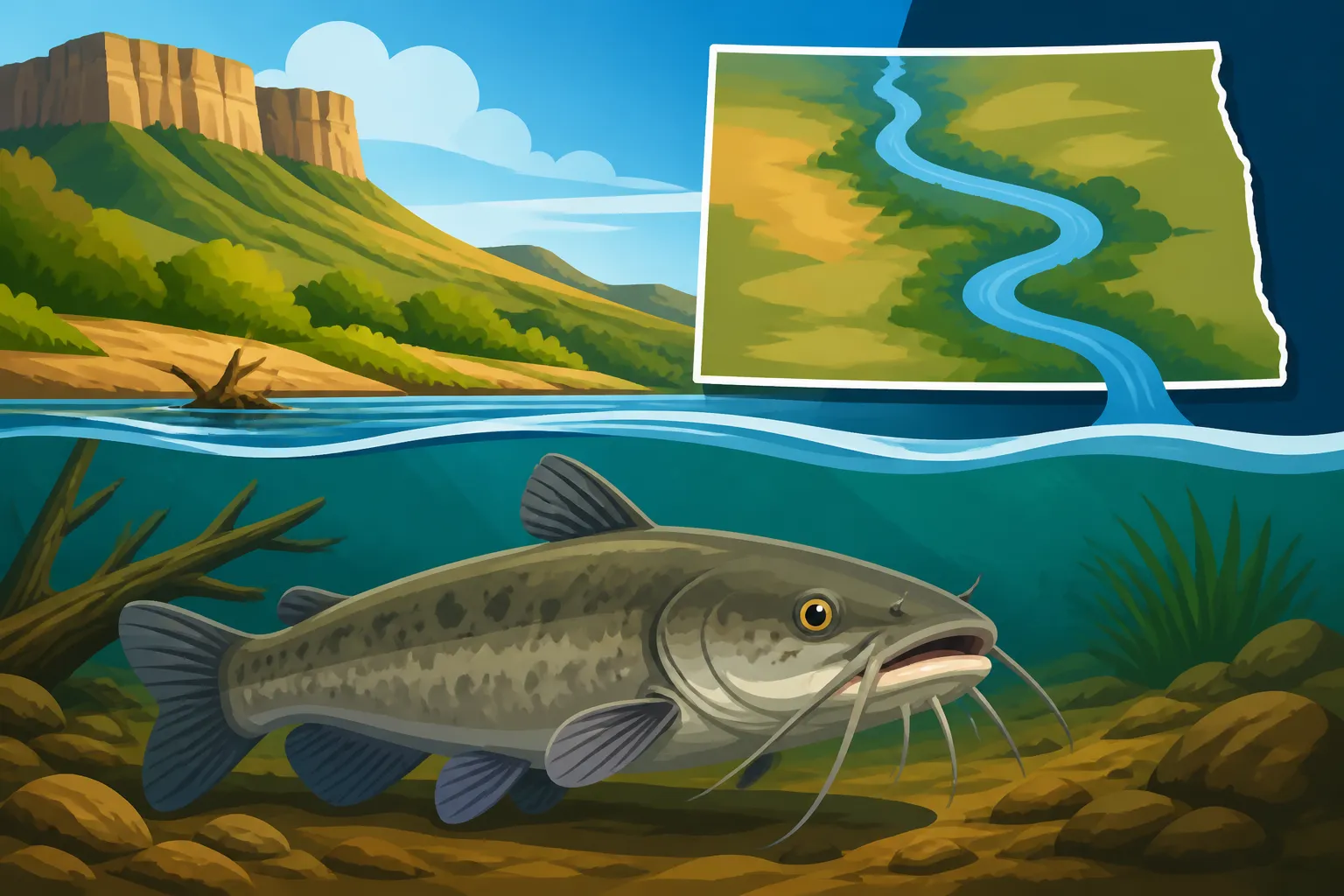
The Red River's journey from its headwaters to Lake Winnipeg is quite distinct. It's known for its relatively slow current compared to other major rivers, especially during lower water periods, and its incredibly gentle gradient. This means the river often winds and meanders, creating oxbows and long, sweeping bends. The riverbed itself is predominantly soft, composed of rich clay, silt, and sand. You won't find many rocky outcroppings or gravel beds like you might in clearer, faster-flowing rivers. This soft bottom, while seemingly uniform, actually holds subtle contours and features that are crucial for catfish. Deep holes are scoured out on the outside bends, and vast, flat mudflats dominate the inside curves. The lack of significant rocky structure means that other elements become incredibly important for catfish.
This unique riverbed composition profoundly influences where channel catfish choose to reside. They aren't looking for rocks to hide behind; instead, they seek out variations in the soft bottom, like subtle depressions, humps, or areas where the current has carved deeper troughs. These soft-bottom areas are rich in the invertebrates and smaller fish that make up a catfish's diet. Think of it less like a rocky mountain stream and more like a slow, fertile highway for these bottom-dwelling giants. Learning to "read" these subtle changes, even without seeing them directly, is a skill that comes with experience and understanding the river's overall character.
Water Chemistry and Clarity Factors
The Red River is often described as having "stained" or "murky" water, and for good reason. Its clay and silt-rich banks contribute to a perpetually brownish hue, especially during and after rainfall or spring runoff. This isn't necessarily a bad thing for channel catfish; in fact, they thrive in it. Catfish are primarily nocturnal feeders and rely heavily on their acute senses of smell and touch (via their barbels) rather than sight to locate food. The reduced visibility in the Red River's water gives them a distinct advantage over sight-feeding predators and prey, making it an ideal environment for their hunting style.
Beyond clarity, the water chemistry, particularly oxygen levels and temperature, plays a significant role. Like all fish, channel catfish need adequate dissolved oxygen, and while they are hardy, extreme conditions can push them into more favorable areas. The Red River's slow flow usually means stable oxygen, but in stagnant backwater areas during hot summer months, oxygen can dip. Water temperature also dictates their activity levels; they become more active as the water warms, seeking out cooler, deeper pockets during the peak of summer heat. Understanding these subtle shifts in water chemistry and temperature helps pinpoint where the most active fish will be, whether they're hugging the bottom of a deep hole or cruising a shallow flat after a rain.
Key Habitat Elements for Channel Catfish in the Red River
Channel catfish are masters of their environment, and the Red River provides some prime real estate for them. It might not look like much to the untrained eye, but beneath that calm, stained surface are specific features that act as magnets for these whiskered warriors. Identifying these key habitat elements is fundamental to consistently finding fish.
Deep Holes and Scour Channels
The Red River, despite its gentle gradient, has some impressively deep holes and scour channels, especially on the outside bends of its many curves. These aren't always dramatic drop-offs, but rather gradual depressions or long, deep trenches carved by the relentless flow of water over time. These deep areas serve several vital purposes for channel catfish. They offer refuge from strong currents, providing a place where fish can rest and conserve energy. They also provide thermal stability, staying cooler in the summer and warmer in the winter, which is crucial for catfish seeking comfortable temperatures.
These deep holes often concentrate food as well. Eddies and slower currents around the edges allow baitfish and invertebrates to settle, creating a natural buffet line for hungry catfish. Anglers targeting Red River Catfish Fishing Spots in North Dakota often focus on these holes, especially during periods of high sun or after cold fronts, when catfish tend to retreat to deeper, more stable environments. Deploying a fish finder, readily available on platforms like Amazon, can be invaluable for identifying these subtle yet critical depressions in the riverbed.
Woody Debris and Structure
Given the lack of natural rocky structure, woody debris becomes an absolutely paramount habitat element for Red River channel catfish. This includes submerged trees, fallen logs, root wads, and brush piles that accumulate along the banks and in the slower sections of the river. These structures are more than just cover; they create complex microhabitats. They offer ambush points for predatory catfish, breaking up the current and allowing them to hide in wait for unsuspecting prey. They also provide shelter from predators, especially for smaller catfish, and a place to escape harsh sunlight or strong currents.
Fishing around these snags can be challenging due to the risk of getting hung up, but the reward often justifies the effort. Catfish will frequently hug these structures very tightly, so presenting your bait right on the edge or even within the cover is often key. You might find entire schools of catfish holding in a large logjam during certain times of the year. Always approach these areas carefully, as disturbing the fish might send them deeper into the cover, making them harder to entice.
Current Breaks and Slack Water
Channel catfish, while powerful swimmers, are opportunistic and prefer to conserve energy whenever possible. This makes current breaks and areas of slack water incredibly important habitat features. A current break is essentially any obstruction or change in the riverbed that disrupts the main flow, creating a calmer zone. This could be the backside of an island, a deep hole, a prominent point, or even a large submerged log. Slack water areas are those where the current is significantly reduced, such as eddies, oxbows, backwaters, or the calm side of a sandbar.
These areas are goldmines for catfish because they offer a comfortable resting place and a prime feeding station. Baitfish and other food items are often swept along by the main current and then deposited or become disoriented in these calmer zones, making them easy targets. Knowing How to Anchor a Boat on the Red River effectively to position your bait in these current seams is a skill that separates successful anglers from those who struggle. Catfish will often sit just out of the main current, facing upstream, waiting for food to drift past. This strategy allows them to feed efficiently without expending excessive energy fighting the flow.
Seasonal Movements and How They Affect Habitat Use
Just like people change their routines with the seasons, channel catfish on the Red River shift their habitat preferences throughout the year. What works in spring might be entirely ineffective in summer, and understanding these migrations is critical for consistent success. The Red River's distinct seasons drive these movements, influencing everything from spawning to feeding to overwintering.
Spring Spawning Habitat
As the ice retreats and the Red River's waters begin to warm, channel catfish move from their wintering grounds to areas suitable for spawning. This usually occurs when water temperatures reach the upper 60s Fahrenheit (around 18-20°C). During this time, they're looking for stable, protected areas where they can lay and guard their eggs. Unlike some fish that require rocky bottoms, Red River catfish will often seek out secluded spots with soft bottoms, undercut banks, or even submerged debris that offers a dark, sheltered cavity.
These spawning habitats are typically found in shallower, slower-moving sections of the river, often in backwaters, protected coves, or the inside bends of oxbows where the current is minimal. The male catfish will prepare a nest, and after the eggs are laid, he'll guard them fiercely until they hatch. During this period, their feeding activity can be reduced as their focus shifts to reproduction. While they may still bite, targeting them directly on their spawning beds is generally discouraged to protect the fishery. Instead, focusing on transition areas where they move to and from these beds can be more productive.
Summer Feeding Grounds
Once spawning is complete and the water temperatures are consistently warm, channel catfish enter their prime feeding period. This is when they become most active and can be found throughout a wider range of the river's habitats. During the summer, their primary drive is to put on weight, making them aggressive and willing biters. You'll find them using those deep holes and current breaks we discussed earlier, but they'll also expand into shallower areas, particularly during low-light conditions or after rain.
On a hot summer day, they might be tucked into the deepest scour channels or massive logjams. However, as evening approaches or if there's an overcast sky, they'll often move onto shallower flats, sandbars, or the edges of current seams to actively hunt for food. The Best Time of Year for Red River Catfish is often considered to be the summer months when they are most abundant and active. This is also the time when experimenting with different baits, from cut bait to prepared stink baits, can be most effective, as they are actively searching for a meal.
Fall Pre-Wintering Behavior
As autumn brings cooler temperatures and shorter days, channel catfish begin their final major seasonal movement before winter sets in. This is a critical time for them to gorge themselves, building up fat reserves that will sustain them through the lean, cold months ahead. Their habitat use during the fall becomes increasingly concentrated in deeper areas, as they start to transition towards their overwintering locations.
You'll find them actively feeding on the edges of deep channels, large scour holes, and areas with significant woody debris that offer both protection and a concentration of food. They might still make forays into shallower feeding flats during warmer periods, but their general trend is to move deeper. Understanding this pre-wintering feeding frenzy can lead to some truly epic fishing. Look for congregations of fish in the deepest, most stable parts of the river, where they'll eventually hunker down for the winter. These areas offer thermal refuge and a place to minimize energy expenditure when metabolism slows drastically.
Finding Prime Catfish Habitat: Where to Look and Why
Finding catfish on the Red River isn't just luck; it's a combination of knowledge, observation, and technology. Once you understand the preferred habitats and seasonal movements, the next step is actively locating those prime spots. This involves both "reading" the river visually and using modern tools to peek beneath the surface.
Reading the River: Visual Cues and Topographical Maps
Even without fancy electronics, the Red River gives away many clues to prime catfish habitat if you know what to look for. One of the most important visual cues is the current itself. Look for areas where the main current is disrupted, creating eddies, slower seams, or swirling water. These are classic current breaks that will almost always hold fish. Pay attention to the outside bends of the river, as these are naturally deeper and often have undercut banks where catfish love to hide. Conversely, inside bends tend to be shallower, but might feature sandbars or gradual flats that become feeding zones during low light.
Topographical maps, especially detailed hydrographic charts, are invaluable tools for understanding the riverbed. While the Red River is ever-changing, these maps can show historical deep holes, channel swings, and areas prone to collecting woody debris. Even a general map found on a basic fishing app or available for purchase from retailers like Amazon can help you identify sharp bends, bottlenecks, or tributary confluences that often concentrate fish. Look for areas where contours tighten, indicating deeper water, or where old river channels might have existed, now serving as scour zones. Visualizing these underwater structures before you even launch your boat gives you a significant advantage.
Using Electronics to Pinpoint Structure
For a truly effective approach, modern electronics are almost indispensable when targeting channel catfish on the Red River. A good fish finder, whether it's a basic model or a full-featured unit with side-imaging, can transform your ability to locate habitat. Traditional 2D sonar is excellent for finding deep holes, reading bottom contours, and identifying submerged trees or logjams. You can often see "arches" that indicate fish holding near the bottom or tucked into cover.
Side-imaging sonar takes this a step further, allowing you to scan wide swaths of the riverbed to either side of your boat. This is incredibly effective for identifying subtle changes in bottom composition, locating scattered woody debris piles that might be missed directly under the boat, or even spotting schools of baitfish that attract catfish. When you mark a promising structure, idle slowly over it from multiple angles to get a complete picture. Once you've pinpointed a deep hole or a significant brush pile, you can drop a marker buoy or save a GPS waypoint on your unit, allowing you to return to that exact spot with precision. This use of technology, combined with traditional river-reading skills, significantly increases your chances of finding those elusive catfish.
Gear and Techniques for Targeting Red River Catfish in Their Habitat
Even with a perfect understanding of channel catfish habitat on the Red River, you still need the right tools and strategies to bring them to the net. The gear you choose and how you present your bait can make all the difference, especially when you're trying to coax a big one out of a snaggy logjam or a deep, dark hole.
Bait and Presentation Tailored to Habitat
Channel catfish are not picky eaters, but certain baits and presentations work better in specific Red River habitats. For instance, when fishing deep holes or scour channels, Catfish Bait Techniques for the Red River often involve using heavy sinkers to get your bait quickly to the bottom and keep it there despite any subtle current. Cut bait, like goldeye, sucker, or even chicken liver, is incredibly effective, as its strong scent disperses well in the stained water, attracting catfish from a distance. A simple Carolina rig or a three-way swivel rig works wonders for keeping your bait on the bottom.
When targeting woody debris or snags, a slightly different approach is needed. You might want to use a snell rig with a strong leader to minimize snags, or even a slip bobber rig to suspend your bait just above the cover, preventing it from getting caught in the branches. Artificial baits that mimic cut bait, which you can find on Amazon, can also be useful here, as they are often more durable and less prone to being pulled off by small bait stealers. The key is presenting your bait naturally in the fish's immediate vicinity without getting irrevocably snagged. Remember, Red River channel catfish will typically hold tight to structure, so your bait needs to be right in their living room.
Boat and Shore Access Considerations
The accessibility of prime Red River catfish habitat varies depending on whether you're fishing from a boat or from shore. For boat anglers, the entire river is your oyster, provided you have a suitable vessel for handling the river's conditions. Many of the best deep holes and extensive logjams are only accessible by boat. A sturdy jon boat or a larger multi-species boat is often ideal for navigating the Red River, allowing you to reach those remote stretches and strategically position your bait in current breaks or directly over submerged structure. Having a good Red River Fishing Access Near Grand Forks or similar launch points along the river is crucial.
Shore anglers, however, are not out of luck. While some prime spots are boat-only, many access points, especially near towns or developed parks, offer excellent shore fishing opportunities. Look for areas with public access that feature sharp bends, bridge pilings, or natural points that create current breaks. These spots often concentrate catfish that cruise closer to shore. Consider using heavier rods and lines when fishing from shore, as you might need to cast further or muscle fish away from bankside snags. Long-handled nets, available from most outdoor retailers and online marketplaces like Amazon, are also a great asset for landing those big cats from an elevated bank. The beauty of the Red River is that it offers fantastic fishing experiences for both types of anglers, as long as you understand how to approach the available habitat.
Conservation and Future of Red River Catfish Habitat
The Red River is a truly special fishery, providing incredible opportunities for channel catfish anglers. But like all natural resources, it needs our care and attention to ensure it remains healthy and productive for generations to come. Understanding conservation efforts and environmental impacts on catfish habitat is part of being a responsible angler.
Protecting Riparian Zones
The riparian zone – the land directly adjacent to the riverbank – is incredibly important for the overall health of the Red River and its channel catfish habitat. Healthy riparian zones, characterized by native vegetation like trees, shrubs, and grasses, act as natural filters, preventing excess sediment and pollutants from washing into the river. This helps maintain water quality and reduces siltation in those critical deep holes and scour channels that catfish rely on. These plants also stabilize the banks, preventing erosion that could otherwise fill in crucial habitat or increase turbidity.
Furthermore, riparian trees contribute to the woody debris that falls into the river, creating essential cover and structure for catfish. When you see a large, fallen tree providing shade and shelter, remember that its journey began on the riverbank. Supporting efforts to protect and restore these riparian areas, such as responsible land management practices or participating in river clean-up initiatives, directly contributes to better catfish habitat. A healthy bank means a healthy river, and a healthy river means more and bigger channel catfish for everyone to enjoy.
Understanding Environmental Impacts
Channel catfish habitat on the Red River isn't immune to environmental pressures, and understanding these impacts is vital for its long-term health. Agricultural runoff, containing nutrients and pesticides, can alter water chemistry and impact the food web that supports catfish. Urban development can lead to increased impervious surfaces, resulting in faster runoff and more pollutants entering the river. Changes in precipitation patterns and water levels, whether due to climate shifts or human activities like dam management upstream, can dramatically alter current flows and the availability of critical habitats like deep holes or backwaters.
Additionally, invasive species can pose a threat to native fish populations and their habitats. While the Red River has proven resilient, it's crucial for anglers to practice "clean, drain, dry" protocols for their boats and gear to prevent the spread of aquatic nuisance species. Being aware of these environmental challenges and advocating for sustainable practices, both on and off the water, helps ensure that the Red River continues to be a world-class channel catfish destination. By being good stewards of the environment, we can help protect the incredible channel catfish fishery that North Dakota is so proud of.
| Habitat Feature | Key Benefit for Catfish | Best Time to Target | Typical Location in Red River |
|---|---|---|---|
| Deep Holes/Scour Areas | Resting, thermal refuge, food concentration | Year-round, especially summer heat/winter cold | Outside bends, confluences, below current breaks |
| Woody Debris (Snags) | Cover, ambush points, current breaks | Spring, Summer, Fall | Along banks, in slower sections, around eddies |
| Current Breaks | Energy conservation, feeding lanes | Year-round | Behind points, islands, bridge pilings, submerged objects |
| Slack Water/Backwaters | Spawning, resting, refuge from current | Spring (spawning), high water | Oxbows, protected coves, inside bends during high flow |
| Shallow Flats | Nocturnal feeding, baitfish presence | Summer nights, low light | Inside bends, broad river sections, upstream/downstream from deep holes |
Disclaimer
This article is for general informational purposes only and does not constitute professional advice. Laws, prices and regulations vary by location and change over time. Consult a qualified professional for guidance on your specific situation.