Black Crappie Habitat in North Dakota
Finding black crappie in North Dakota can sometimes feel like a treasure hunt, especially with our diverse and ever-changing water bodies. Anglers often struggle to pinpoint exactly where these schooling fish congregate, leading to frustrating days on the water. This comprehensive guide is designed to peel back the layers of mystery surrounding black crappie habitat in North Dakota, helping you understand their preferences and dramatically improve your chances of a successful outing.
Understanding Black Crappie in North Dakota
Black crappie are a beloved panfish across North Dakota, known for their feisty fight and delicious fillets. While they might not get the same attention as walleye or northern pike, crappie fishing offers some of the most consistent and exciting action, especially when you know where to look. Understanding these fish begins with knowing who they are and how they live.
Identifying Black Crappie
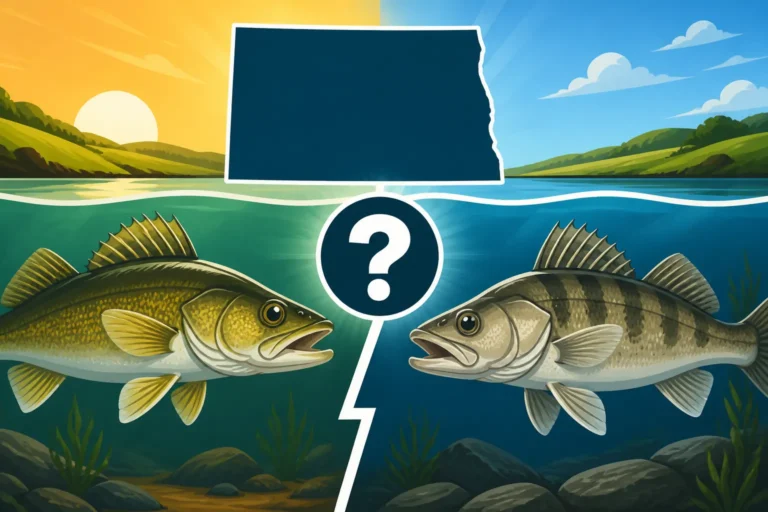
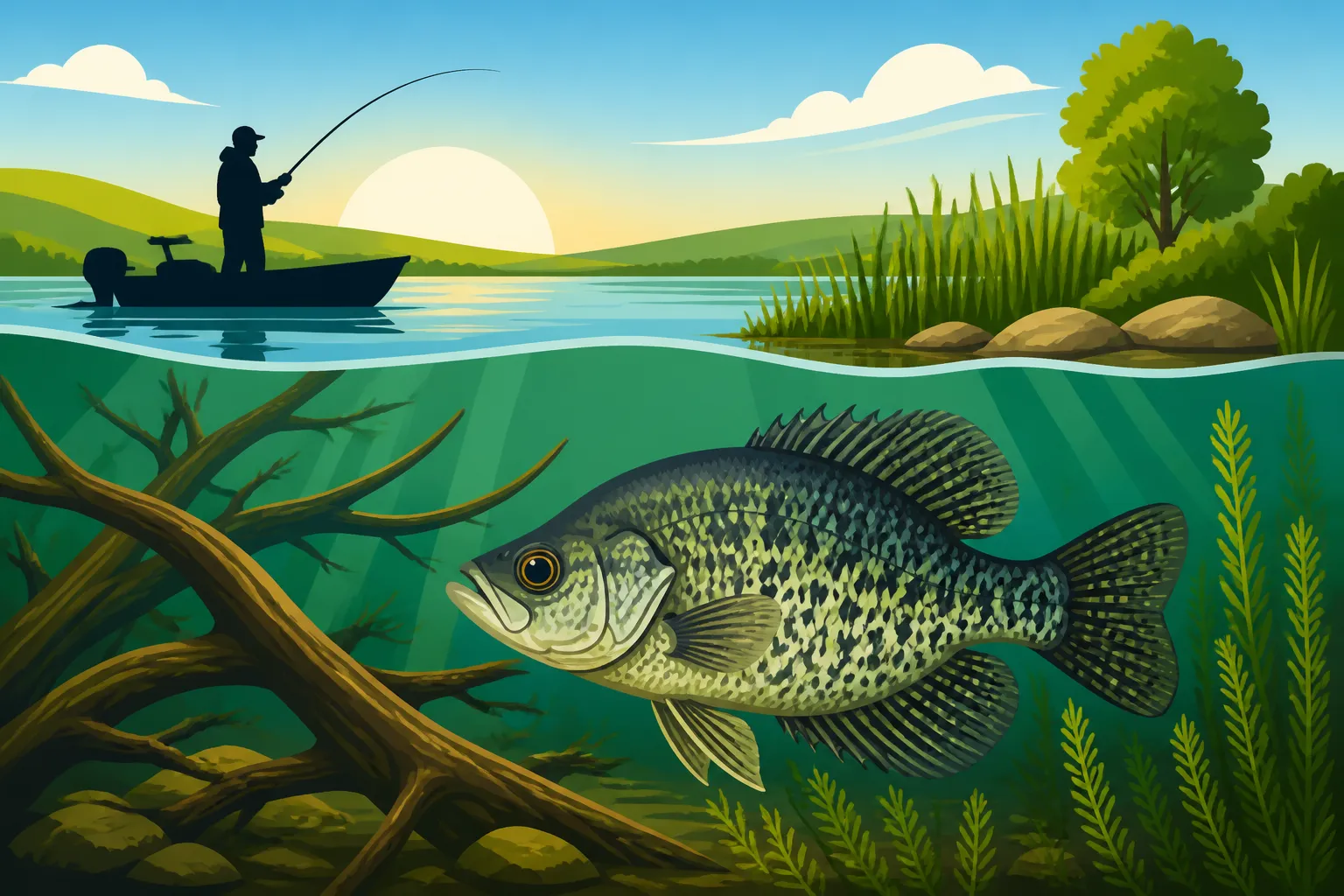
When you reel in a crappie, how do you know if it's a black crappie or its cousin, the white crappie? It's a common question! Black crappie typically have a deeper, more compressed body shape, almost like a dinner plate. Their coloration is usually a dark, mottled green or black pattern, and a key identifier is the presence of 7 or 8 dorsal spines (the pointy ones on their back fin). White crappie, on the other hand, usually have 5 or 6 dorsal spines and a more elongated body with distinct vertical bars. In North Dakota, you'll often find black crappie thriving in clearer waters with plenty of vegetation and submerged wood, whereas white crappie tend to tolerate muddier, more turbid conditions a bit better. Both species offer excellent angling opportunities, but their preferred living spaces can differ slightly.
These beautiful fish are a fantastic target for anglers of all skill levels, from seasoned veterans to excited youngsters. They don't typically grow to massive sizes, but a stringer full of 10 to 12-inch crappie is a fantastic reward, providing both a thrilling fishing experience and a tasty meal. Their willingness to school up makes them a prime target, as finding one often means finding many.
Crappie Behavior and Lifecycle Basics
Black crappie are fascinating fish with predictable behaviors tied closely to their environment. Their lifecycle largely dictates where you'll find them throughout the year. When spring arrives and water temperatures start to climb into the 50s and low 60s Fahrenheit, crappie begin to think about spawning. They move into very shallow water, often just a few feet deep, seeking out protected areas with plenty of cover like submerged brush, weed beds, or even old tires and debris. Males guard the nests, and after the eggs hatch, the tiny fry feed on zooplankton before transitioning to small insects and eventually, tiny baitfish.
Beyond spawning, crappie are primarily sight feeders. They love to ambush their prey, which includes a wide variety of small forage fish like minnows, shad, and the young of other panfish, along with aquatic insects. This preference for ambushing means they are almost always found near some form of structure or cover. They are also highly social fish, preferring to move and feed in schools. This schooling behavior is a huge benefit to anglers, as once you locate a school, you can often catch multiple fish from the same spot, making for some truly memorable days on the water. Understanding these fundamental behaviors is the first step to truly mastering crappie fishing in North Dakota.
Key Habitat Features for Black Crappie
To consistently find black crappie, you need to think like a crappie. What makes a particular spot feel like home to them? It boils down to a few critical elements: the right kind of structure and cover, suitable water quality, and an abundance of food. Ignore any of these, and your crappie hunt might come up empty-handed.
Structure, Cover, and Water Depth
When it comes to black crappie habitat, structure and cover are paramount. These fish are rarely found swimming aimlessly in open water; they prefer to hug tight to anything that offers protection from predators and ambush points for prey. In North Dakota's lakes and reservoirs, this means looking for submerged timber, which could be anything from fallen trees along the shoreline to standing timber in flooded areas (especially common in reservoirs like Lake Sakakawea or Devils Lake that have seen significant water level changes). Brush piles, whether natural or man-made (often sunk by anglers or conservation groups), are absolute magnets for crappie. You'll also find them relating to rock piles, riprap along causeways, and dense weed beds, particularly those with a defined edge where shallow water drops off into deeper areas.
The depth at which crappie utilize this cover is also crucial and changes throughout the year. In spring, they'll be in very shallow cover for spawning. Come summer, as water temperatures rise, they might retreat to deeper submerged timber or the cooler, shaded side of deep-water humps and ledges. Deep Water Structure Fishing Techniques become critical then. During winter, they often school up in deeper basins, relating to the tops or sides of humps, channels, or standing timber. Learning to interpret your sonar or lake maps to identify these varying depths and the structures within them is key to successful crappie fishing. Many anglers invest in good fish finders, which can be found easily on platforms like Amazon, to help them "see" these underwater havens.
Water Quality and Clarity Preferences
Black crappie have a distinct preference for clearer water compared to their white crappie counterparts. While they can adapt to slightly stained conditions, they generally thrive in lakes and impoundments that have good water clarity, allowing them to use their keen eyesight to hunt for prey. This preference for clearer water means you'll often find them in different areas of a lake than you might find white crappie. For example, in a large reservoir like Lake Sakakawea, black crappie might prefer the clearer main lake bays or upper reaches, while white crappie might be more abundant in the muddier riverine sections.
Beyond clarity, water temperature and dissolved oxygen levels play significant roles. Like all fish, crappie have an optimal temperature range where they are most active. Extremes in either direction can push them to seek out more favorable conditions, often meaning deeper, cooler water in the summer or slightly warmer water pockets in winter. During hot summer months, if a lake becomes stratified (layers of water with different temperatures), crappie will often be found just above the thermocline, where oxygen levels are still good and temperatures are comfortable. Paying attention to these subtle changes in water quality can provide vital clues to their whereabouts.
Food Sources and Forage Availability
Just like us, crappie need to eat, and their habitat choices are heavily influenced by the availability of their favorite meals. A prime crappie habitat is one that also supports a healthy population of baitfish. In North Dakota, this often means areas rich in minnows, young yellow perch, or other small panfish. Crappie are opportunistic predators, so if there's an abundance of small prey, they'll be there. They tend to school up and ambush baitfish, making structural elements like weed edges, submerged brush, or drop-offs crucial for their hunting success.
For juvenile crappie, zooplankton (tiny aquatic organisms) are a primary food source. Therefore, areas that support thriving zooplankton populations—often bays with good nutrient flow and protection from strong currents—are important nursery grounds that lead to strong year classes of crappie. As they grow, they transition to larger prey. A healthy crappie population is a direct reflection of a robust forage base. If you can locate schools of baitfish, perhaps using your fish finder, you're often just a stone's throw away from finding crappie, too. Many anglers stock up on crappie jigs and small minnow imitations, readily available from online retailers, anticipating these feeding frenzies.
Top Black Crappie Habitats Across North Dakota
North Dakota boasts a variety of water bodies, each offering unique opportunities for crappie anglers. While some lakes are renowned for their walleye or pike, others quietly hold fantastic black crappie populations, offering different experiences depending on the size and type of water.
Lakes with Abundant Crappie Populations
North Dakota has several fantastic lakes where black crappie thrive, much to the delight of local anglers. One of the standout locations is Lake Audubon, often overshadowed by its larger neighbor, Lake Sakakawea. Audubon is known for its relatively clear waters and abundant submerged structure, including rocky points and expansive weed beds, which provide ideal conditions for crappie. Anglers frequently find healthy schools relating to these features, especially during the spring and fall. Jamestown Reservoir is another excellent crappie fishery, offering a mix of natural and man-made structures that hold crappie year-round. Its varied depths and ample forage make it a consistent producer.
Lake Ashtabula, a long, narrow reservoir formed by the damming of the Sheyenne River, also offers great crappie fishing. The lake features numerous creek arms, flooded timber, and significant weed growth, all classic black crappie hideouts. Anglers often find crappie congregating in the deeper bends of the old river channel or tucked into brushy coves. Lake Ashtabula Walleye Fishing is popular, but crappie provide a fantastic alternative. Beyond these larger impoundments, many smaller community fishing ponds and managed lakes across the state are periodically stocked and provide surprisingly good crappie action, especially for those looking for a more relaxed, family-friendly outing.
River and Reservoir Habitats
While lakes are often the primary focus, rivers and large reservoirs with riverine characteristics also offer prime black crappie habitat in North Dakota. The Missouri River system, particularly the extensive embayments and slower-moving backwaters of Lake Sakakawea and Lake Oahe, holds strong crappie populations. These areas often feature extensive submerged timber from past inundations, old river channels, and protected coves that shield crappie from strong currents. The deeper parts of these embayments can hold massive schools of crappie during the colder months, while the shallower, brushy edges become hot spots in spring.
River backwaters and oxbows, like those found along parts of the Red River or the Sheyenne River, can also be crappie havens. These areas are typically slower moving, allowing for vegetation growth and the accumulation of woody debris, which crappie absolutely love. The challenges in riverine environments often include stronger currents and more variable water levels, which can shift crappie locations. However, experienced river anglers know that by focusing on protected eddies, submerged logs, and calmer side channels, they can unlock excellent crappie fishing. Crappie in these systems often relate to current breaks, using them as ambush points for food drifting by.
Seasonal Movements and Habitat Shifts
Black crappie are constantly on the move, their location dictated by the seasons, water temperature, and their biological needs. Understanding these seasonal shifts is fundamental to consistently putting crappie in the boat—or on the ice!
Spring Spawning and Post-Spawn Patterns
When spring rolls around in North Dakota, typically from late April through June depending on how quickly the ice melts and water warms, black crappie embark on their annual spawning migration. They leave their deeper wintering grounds and push into the shallowest, warmest water available. This means focusing your efforts on protected bays, shallow coves, and areas with dense emergent vegetation or submerged woody debris in just a few feet of water. Water temperatures in the 55-65°F range are usually prime for this activity. Think about areas where sunshine penetrates easily, warming the dark bottom and vegetation. Spring Ice-Out Timing in North Dakota can give you an idea of when to start looking for this shallow movement.
After the spawn is complete, and the males have guarded the nests, both male and female crappie will move slightly deeper but often remain in the vicinity of their spawning grounds. This post-spawn period sees them recovering from the arduous process, but they'll still be looking for food and easy cover. They might retreat to the first significant drop-off or the edge of a weed line adjacent to the spawning flats, often suspended just above submerged brush. This is a great time to fish with small jigs under a slip bobber, allowing you to present your bait precisely at their depth. The fish can be a bit finicky immediately after spawning, but once they start feeding again, the action can be fast and furious.
Summer Deep Water and Shade Seeking
As North Dakota's summer temperatures soar, black crappie make a significant move to deeper, cooler water. Their optimal comfort zone is typically found where water temperatures are more stable and oxygen levels are good. This often means seeking out the deepest available structure in the lake, such as submerged humps, deep rock piles, the edges of main lake channels, or standing timber in the deeper basins of reservoirs. Look for crappie suspended around these structures, often in 15-30 feet of water, sometimes even deeper on very large bodies of water like Lake Sakakawea.
Crappie are also notorious for seeking shade during the bright summer days. This can include the shadows cast by docks, overhanging trees, or large lily pad fields. Even though the water might not be exceptionally deep, the cooler, shaded water provides a comfortable retreat. Best Spots to Catch Chinook Salmon on Lake Sakakawea is a different pursuit, but the same deep-water principles can apply. Night fishing can also be incredibly productive for crappie in summer, as they move shallower under the cover of darkness to feed. Portable underwater lights can attract zooplankton and baitfish, which in turn attract hungry crappie right to your boat or dock. Many anglers will purchase these types of lights from online retailers like Amazon to extend their fishing hours.
Fall Foraging and Winter Deep Structure
Fall is a fantastic time for crappie fishing in North Dakota, as cooling water temperatures trigger an aggressive feeding spree. Black crappie will begin to move out of their deep summer haunts and start transitioning towards shallower feeding flats, often relating to the same types of structure they used in spring, but typically in slightly deeper edges. They're trying to pack on calories for the long winter ahead, so they become less finicky and more willing to chase baits. Look for them around deeper weed lines, brush piles on secondary points, and along the edges of channels in 8-15 feet of water. This is a prime time for both casting small jigs and slow-trolling with minnow-imitating crankbaits.
Once the ice begins to form in late fall and early winter, crappie retreat to their deep-water wintering grounds. This means focusing on main lake basins, deep channels, and areas with extensive standing timber. Crappie will school tightly together during winter, often suspended at various depths within the water column or relating directly to the structure. How to Catch Perch Through the Ice in North Dakota techniques can often be adapted for crappie, as both species relate to similar deep structure in winter. Using a good fish finder or flasher is almost essential for ice fishing crappie, as it helps you pinpoint their exact depth and react quickly to their subtle bites. Once you find a school, the action can be continuous, making for memorable days on the hard water.
Practical Tips for Locating Crappie in Their Habitat
Knowing where crappie like to live is one thing, but actually finding them in those spots can be another challenge entirely. Thankfully, modern technology and time-tested angling wisdom can give you a significant advantage.
Using Technology and Mapping
In today's angling world, technology is your best friend when it comes to locating crappie. A good fish finder is absolutely indispensable. High-quality units offer traditional 2D sonar, side imaging, and down imaging, allowing you to literally "see" submerged timber, brush piles, rock formations, and even schools of fish. Side imaging, in particular, is a game-changer for crappie anglers, as it allows you to scan wide areas for brush piles and other cover without driving directly over them, minimizing disturbance. Best Fish Finders for North Dakota Lakes goes into more detail, but generally, look for units with clear displays and good target separation.
GPS-enabled units allow you to mark specific waypoints once you find productive crappie structure or schools. This means you can return to that exact spot again and again, saving countless hours of searching. Lake contour maps, whether on your fish finder or a dedicated app, are also vital. They show you depth changes, drop-offs, and potential structural elements like old creek channels or humps, which are all prime crappie habitat. Before you even launch your boat, spend time studying these maps to identify promising areas. You can often find excellent mapping software and physical charts through various outdoor retailers, including online platforms like Amazon, making it easy to plan your trips effectively.
Observational Clues and Water Reading
While technology is powerful, never underestimate the value of keen observation and "reading the water." Your eyes can tell you a lot about where crappie might be lurking. Look for surface activity, such as schools of baitfish dimpling the water or being chased by predators. Birds diving into the water can also indicate baitfish presence, which in turn suggests crappie might be nearby. Pay attention to how the wind affects the water – a consistent wind can push baitfish into certain bays or against specific shorelines, and crappie will follow their food. Best Wind Conditions for Walleye Fishing highlights similar principles that apply to crappie.
Visual cues from the shoreline can also be highly informative. Are there fallen trees extending into the water? Is there a noticeable drop-off or weed line visible in shallower areas? Are there docks or other man-made structures that provide shade and cover? These are all potential crappie hotspots. Even something as simple as water clarity variations can give you clues; remember, black crappie generally prefer clearer water. Combining these visual observations with your technological tools creates a powerful crappie-finding strategy.
Tried-and-True Angling Approaches
Once you've identified potential crappie habitat, it's time to present your bait in a way that entices a strike. Crappie are often found suspended or tightly schooled, so vertical jigging is a highly effective technique, especially over deep structure. Use small jigs (1/32 to 1/8 ounce) tipped with a small minnow, soft plastic crappie tube, or grub. Slowly lower your bait to the depth where you're marking fish on your sonar and gently twitch it. The bite can be very subtle, so a sensitive rod is key. Best Live Bait for North Dakota Walleye emphasizes the importance of good bait, and minnows are definitely a crappie favorite.
Slow trolling with small crankbaits or jig-and-minnow combinations can also be productive, particularly when crappie are spread out over a larger area or when searching for schools. This allows you to cover more water efficiently. Another classic and highly effective method is using a slip bobber rig. This setup allows you to present a minnow or small jig at a precise depth above cover, keeping your bait in the crappie's strike zone without snagging. This is especially useful for targeting crappie suspended just above brush piles or weed beds. Experiment with different colors and retrieve speeds until you find what the crappie prefer on any given day.
| Season | Typical Habitat | Key Features | Preferred Depth Range (approx.) | Best Lure/Bait |
|---|---|---|---|---|
| Spring | Shallow bays, protected coves, creek arms | Emergent vegetation, submerged brush, rocky shorelines, sun-warmed areas | 2-8 feet | Small jigs (1/32-1/16 oz), minnows, crappie tubes |
| Summer | Deep main lake basins, submerged humps, deep channels, shade under docks | Standing timber, rock piles, thermocline edges, heavy cover | 10-30+ feet | Small jigs, minnows, tiny crankbaits, soft plastics |
| Fall | Deep weed lines, secondary points, channel edges | Brush piles, fallen trees, baitfish schools congregating | 8-20 feet | Small jigs, minnows, small crankbaits, spoons |
| Winter | Main lake basins, deep channels, standing timber | Tight schools suspended over deep structure, current breaks in reservoirs | 15-40+ feet | Small vertical jigs, spoons, minnows |
Black Crappie Habitat in North Dakota is a great topic, and hopefully, this detailed look helps you catch more of these fantastic fish! Don't be afraid to try different spots and techniques; crappie can be fickle, but once you crack the code, the reward is well worth the effort.
Disclaimer
This article is for general informational purposes only and does not constitute professional advice. Laws, prices and regulations vary by location and change over time. Consult a qualified professional for guidance on your specific situation.