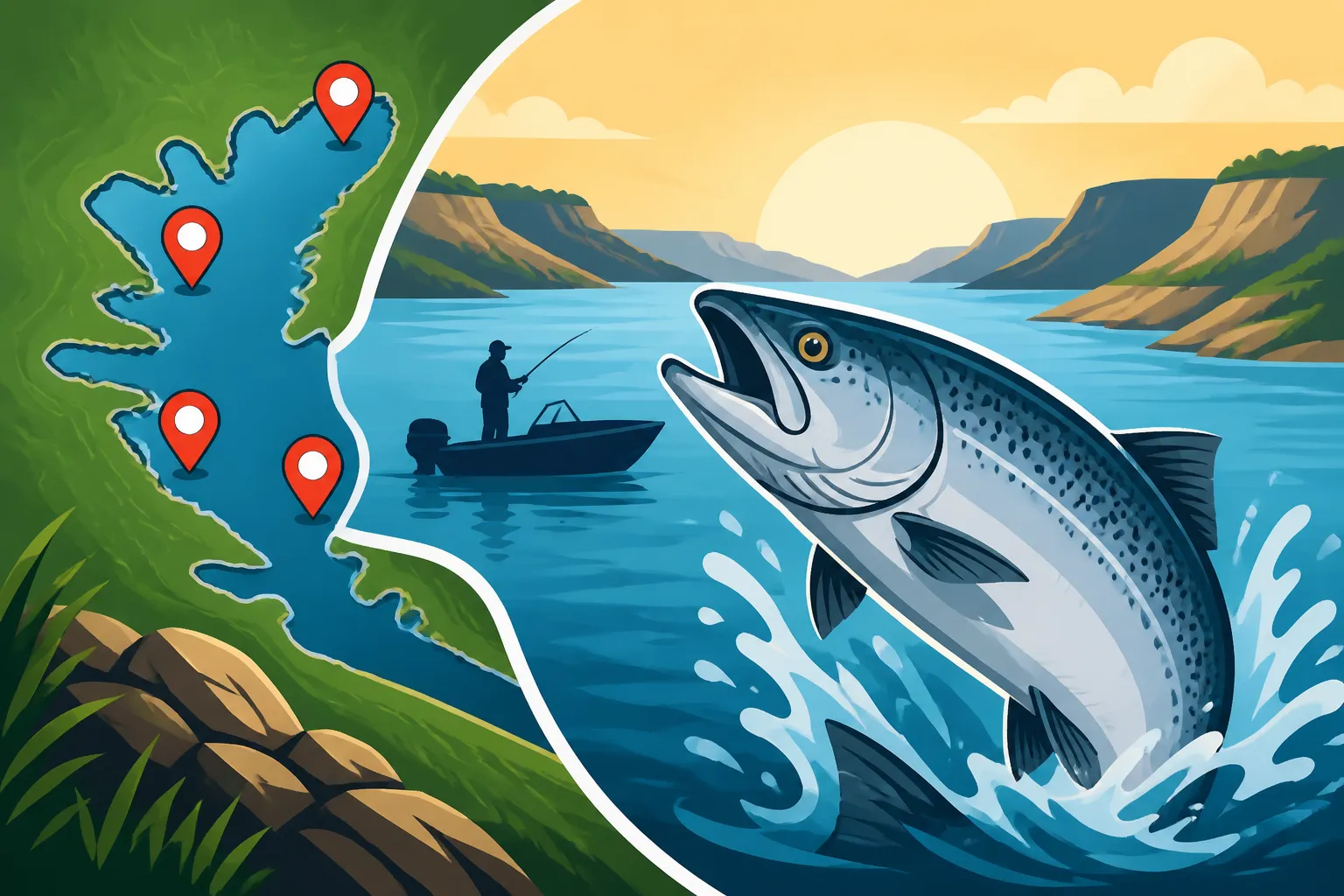
Best Spots to Catch Chinook Salmon on Lake Sakakawea
Navigating a vast body of water like Lake Sakakawea to find a specific species can feel like searching for a needle in a haystack, especially when you're after elusive and powerful fighters like Chinook salmon. Many anglers get frustrated trying to cover so much ground without a clear strategy. This comprehensive guide is designed to cut through that confusion, giving you the precise knowledge you need about the best locations, optimal timing, and proven techniques to significantly increase your success in catching Chinook salmon on North Dakota's premier reservoir.
Understanding Chinook Salmon Habitat on Lake Sakakawea
Before we even talk about specific spots, it’s absolutely crucial to understand why Chinook salmon are where they are on Lake Sakakawea. These aren't your typical shallow-water walleye; they have very specific environmental needs that dictate their movements and preferred habitats.
The Deep, Cold Water Connection
Chinook salmon, being a species native to ocean environments and large, deep freshwater lakes, have a profound need for cold, oxygen-rich water. This isn't just a preference; it's a physiological requirement. On Lake Sakakawea, this means they spend a significant portion of their lives in the deeper sections, particularly during the warmer summer months.
Think about it: when the surface water of Lake Sakakawea heats up to bath-like temperatures in July and August, the salmon aren't going to be cruising the sunny bays. Instead, they retreat to the comfort of the thermocline – that layer of water where the temperature drops rapidly. This thermal stratification provides them with the cool, oxygenated environment they need to thrive. So, when you're out on the lake, you're not just looking for "salmon," you're looking for the right kind of water that salmon will inhabit. Areas with deep contours, submerged river channels, and sudden drops are often key. Understanding the lake's unique depths and how they change throughout the seasons is paramount. The sheer size of this lake can be intimidating, but knowing that the salmon will gravitate towards these cooler zones helps narrow down the search considerably.
Forage Fish and Their Influence
Salmon are predators, and like all predators, they follow their food. On Lake Sakakawea, the primary food source for Chinook salmon is the rainbow smelt. These small, silvery baitfish are stocked and thrive in the same cold, deep water that the Chinook prefer. Therefore, finding schools of smelt is often synonymous with finding salmon.
Smelt move around throughout the year, driven by water temperature, light conditions, and spawning cycles. Anglers who consistently catch Chinook salmon are usually adept at locating these smelt schools using their electronics. Your sonar becomes your most valuable tool, not just for identifying potential fish arches, but for marking large clouds of baitfish. If you find dense concentrations of smelt in the deeper, cooler parts of the lake, you can bet that Chinook salmon are not far behind, actively feeding or staging nearby. This dynamic means that what might be a hot spot one week could be quiet the next if the smelt have moved on. It demands a bit of detective work and adaptability, but the payoff of hooking into a powerful salmon makes it all worthwhile.
Prime Fishing Locations for Chinook Salmon on Lake Sakakawea
Lake Sakakawea is a massive body of water, stretching for miles across North Dakota. To consistently catch Chinook salmon, you need to focus your efforts on areas known to hold these impressive fish. These locations often share characteristics of deep water, ample forage, and access to thermal refugia.
Western Basin and Deep Channels
Without a doubt, the western half of Lake Sakakawea, particularly the stretch from the Garrison Dam westward towards the Van Hook Arm and beyond, is considered the prime real estate for Chinook salmon. This is where the lake is deepest, offering the consistent cold water that salmon absolutely demand, especially during the peak summer months.
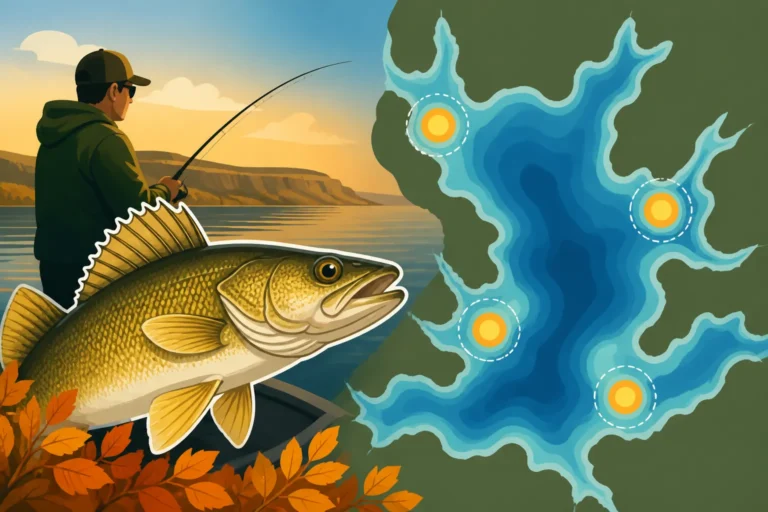
The deep channels and submerged riverbeds in this part of the lake act like highways for salmon, allowing them to move between feeding grounds and thermal sanctuaries. Areas immediately offshore from the main dam structure, where the water plunges to over 100 feet in some spots, are classic Chinook haunts. Imagine trolling along these deep breaks, with your downriggers set to precisely track the thermocline, your electronics showing schools of smelt hovering nearby. This is exactly where you want to be. The Van Hook Arm itself, while having some shallower bays, also boasts significant deep-water access and structure along its main channel. Deepwater Bay (ironically named, right?) is another key area, offering extensive deep water and a history of producing excellent salmon catches. These areas are vast, so having a good GPS with detailed contour maps is invaluable for identifying humps, points, and channel edges that hold fish. Local knowledge often points to these deep, expansive sections as the most reliable.
Tributary Mouths and Submerged Structure
While Chinook salmon typically prefer open, deep water, they can also be found congregating near the mouths of deeper tributaries and around significant submerged structures. This is especially true during cooler periods, like early spring or late fall, or during low-light conditions when they might venture a bit shallower.
Tributary mouths, like those found around the Little Missouri Arm, can create unique current patterns and deliver nutrients that concentrate baitfish. While the salmon might not push far up the tributaries, the deeper water just outside where these arms meet the main lake can be productive. Think of it as a natural funnel that draws in forage and, consequently, salmon. Additionally, any significant submerged structure – a deep point extending out into the main lake, a sunken island, or an underwater hump – can act as an ambush point for salmon. These structures break up the vast expanse of the lake, creating current breaks or attracting baitfish. For instance, in parts of the mid-lake region where depths can still be substantial, a sharp drop-off or a pronounced underwater shelf can be a magnet for both smelt and the salmon that feed on them. Anglers often find success by carefully mapping these underwater features and setting up trolling passes that intersect them. Remember, Chinook are opportunistic feeders, so any place that offers an easy meal is a potential hotspot. If you're looking for an excellent resource to plan your trip and even find local guides who specialize in these spots, consider checking out platforms like FishingBooker.
| Location Feature | Best Season | Typical Depth (Feet) | Primary Method | Notes |
|---|---|---|---|---|
| Western Basin | Summer, Fall | 60-120+ | Downrigger Trolling | Deepest, coldest water. Ideal for mid-summer. |
| Van Hook Arm (main channel) | Summer, Fall | 50-100 | Downrigger Trolling | Excellent forage base, deep access. Look for schools of smelt. |
| Deepwater Bay | Summer | 70-120 | Downrigger Trolling | Consistently holds large concentrations of Chinook. |
| Garrison Dam Tailrace | Spring, Fall | 20-60 | Trolling, Casting | Can be productive when fish are concentrated. Requires careful navigation. |
| Little Missouri Arm (mouth) | Spring, Fall | 40-80 | Trolling | Focus on the deeper main lake connection, especially during cooler temps. |
| Submerged Humps/Points | All Year | Varies (30-90) | Downrigger Trolling | Locate with sonar; excellent ambush points for feeding salmon. |
Optimal Timing and Techniques for Lake Sakakawea Chinook Salmon
Catching Chinook salmon isn't just about finding the right spot; it's equally about being there at the right time and employing the most effective techniques. These factors are interconnected, as salmon behavior changes dramatically with the seasons and even throughout the day.
Seasonal Movements and Best Months
Understanding the seasonal movements of Chinook salmon on Lake Sakakawea is paramount to success. While the lake technically offers year-round fishing, the prime time for Chinook really narrows down.
- Spring (April-May): As the ice clears (the "ice-out" period), Chinook can often be found shallower than any other time of year. They're recovering from winter and actively feeding. Trolling shallower depths with planer boards and lead core line can be very effective. This is a great time to hit areas closer to the main lake points and structure that might be too warm later in the summer. For more insights on the season's start, you might want to look into the North Dakota Fishing Season Calendar.
- Summer (June-August): This is the peak season for deepwater Chinook. As surface temperatures rise, the salmon retreat to the deep, cool water, typically from 60 to over 100 feet. This is when downriggers become indispensable. You'll often find the best bite in the early morning or late evening, though mid-day can also be productive if you're hitting the precise depth of the thermocline. Many anglers consider July and August to be the absolute best months for consistent action, particularly in the western basin. If you're wondering When Do Chinook Salmon Bite on Lake Sakakawea? in terms of the time of day, generally low light conditions are best.
- Fall (September-October): As water temperatures begin to drop, Chinook may again move shallower, offering another excellent window for anglers. They are aggressively feeding to bulk up for winter, making them very susceptible to various trolling presentations. This can be a fantastic time to catch some of the largest salmon of the year before they become harder to target as winter sets in.
Effective Trolling Strategies
Trolling is overwhelmingly the most effective method for targeting Chinook salmon on Lake Sakakawea due to their open-water, pelagic nature. It allows you to cover vast amounts of water and present lures at precise depths.
- Downriggers: These are non-negotiable for summer Chinook fishing. Downriggers allow you to precisely control the depth of your lure, ensuring it's right in the strike zone, often within a few feet of the thermocline or a specific bait ball. You'll want to run multiple lines at different depths until you pinpoint where the fish are holding. Mastering your downriggers, from setting the release clips to understanding your speed and depth, is a critical skill.
- Planer Boards: While less common for the deepest summer Chinook, planer boards are excellent for spreading out lines and covering more water, especially in spring and fall when fish are shallower. They allow you to present lures away from the boat's prop wash, which can sometimes spook wary salmon.
- Lead Core and Copper Line: These specialized lines sink at a predictable rate, allowing you to get lures down without the use of downriggers or heavy weights. They are particularly effective in the spring and fall when salmon might be in mid-depth ranges, say 20-50 feet. Layering different colored segments of lead core helps estimate depth.
- Speed: Pay close attention to your trolling speed. Chinook salmon often prefer a relatively fast retrieve, typically between 2.0 and 3.5 mph, but this can vary daily. Experiment with slight speed changes; sometimes a subtle acceleration or deceleration can trigger a strike. For more detailed advice, check out guides on Best Trolling Speed for Chinook Salmon. If you're interested in refining your technique, dedicated articles on Chinook Salmon Trolling on Lake Sakakawea can provide even more specialized advice. If you're new to the lake or to salmon fishing, consider booking a guided trip through services like FishingBooker to learn the ropes from local experts. They know the current patterns and can help you dial in your presentation.
Lure Selection and Presentation
The right lure, presented correctly, can make all the difference. Chinook salmon are attracted to a combination of flash, vibration, and realistic profiles.
- Spoons: Metal trolling spoons are perhaps the most iconic and effective Chinook salmon lures. Brands like Luhr Jensen, Dreamweaver, and Northport Nailer are popular choices. Experiment with colors – natural baitfish patterns (silver, blue/silver, green/silver) are always good, but bright colors (chartreuse, orange, pink) can be deadly in stained water or low light. Size matters too; match the size of your spoon to the size of the predominant baitfish.
- Flasher/Dodger Combos: These are often rigged in front of a small spoon or a fly. The flasher/dodger creates an enticing thumping and flashing action that attracts salmon from a distance, while the trailing lure provides the actual "meal." Kingfisher and Spin-N-Glo dodgers are common on Sakakawea.
- Flies: Specifically tied salmon flies, often in vibrant colors, can be incredibly effective when trolled behind a flasher. They mimic small baitfish or invertebrates and have a subtle, lifelike action in the water.
- Presentation is Key: Regardless of the lure, proper presentation is vital. Ensure your lure is running true and not spinning incorrectly, which can twist your line and spook fish. Check your leader and hooks frequently for damage. Your leader material and length can also impact success; fluorocarbon leaders are often preferred for their low visibility. Regularly changing lures and depths until you find what the salmon are hitting is part of the game.
Planning Your Sakakawea Chinook Salmon Adventure
Embarking on a Chinook salmon fishing trip on Lake Sakakawea requires more than just knowing where the fish are. Proper preparation, understanding regulations, and leveraging local insights will significantly enhance your experience and success.
Essential Gear and Boat Considerations
Lake Sakakawea is a vast, often windy body of water, and targeting powerful Chinook salmon demands specific gear and a capable vessel.
- Rods and Reels: You'll need sturdy trolling rods, typically 8 to 10.5 feet long with medium-heavy to heavy action, designed to handle the drag of downriggers or heavy lead core. Pair these with robust baitcasting reels capable of holding 200+ yards of 20-30 lb test monofilament or braided line. Line counters are incredibly useful for precise depth control. For a deeper dive into appropriate gear, consider reading up on Best Fishing Rods for North Dakota Anglers.
- Electronics: A quality fish finder with GPS and mapping capabilities is absolutely essential. Side-imaging and down-imaging can help you locate baitfish schools and submerged structure with remarkable clarity. GPS will help you mark productive spots and navigate safely on such a large lake.
- Boat: Given the sheer size and unpredictable nature of Lake Sakakawea, a stable boat capable of handling rough water is paramount. Many anglers prefer deep-V fiberglass or heavy-gauge aluminum boats (18-24 feet) with reliable outboard motors. The ability to troll for extended periods and carry multiple downriggers is a must. If you're curious about what type of boat truly stands up to the challenge of this immense water body, exploring articles like Best Boats for Lake Sakakawea's Big Water can offer valuable insights.
For those looking to optimize their gear without significant upfront investment, exploring options for a guided trip on FishingBooker can provide access to top-tier equipment and expert knowledge, letting you test the waters (literally!) before making big purchases.
Regulations and Conservation
Before you even launch your boat, make sure you're fully aware of North Dakota's fishing regulations, especially concerning Chinook salmon. These rules are in place to ensure the sustainability of the fishery and can change.
- Licenses and Permits: You'll need a valid North Dakota fishing license. Be sure to understand all the requirements for both residents and non-residents. Information on how to get your license can be found in our North Dakota Fishing License Guide.
- Limits and Size Restrictions: Pay close attention to daily limits, possession limits, and any size restrictions for Chinook salmon. These can vary by species and water body. It's crucial to consult the most current North Dakota Fishing Guide or Proclamation. For specific details on Chinook, refer to Lake Sakakawea Chinook Salmon Regulations or the broader North Dakota Fishing Regulations Explained.
- Aquatic Nuisance Species (ANS): North Dakota has strict regulations to prevent the spread of ANS. Always clean, drain, and dry your boat and gear thoroughly before moving between bodies of water. This is not just a recommendation; it's the law and vital for protecting our precious waterways.
- Conservation: Practice responsible angling. Consider catch and release for smaller or non-target fish. Handle fish gently, especially if you plan to release them, to ensure their survival.
Leveraging Local Knowledge and Resources
Even with all the right gear and knowledge, nothing beats local expertise. North Dakota's angling community is generally friendly and willing to share tips, but a guided trip can provide an invaluable jumpstart.
- Bait Shops and Marinas: Local bait and tackle shops around Lake Sakakawea (e.g., in Garrison, New Town, or near the main dam) are treasure troves of information. The folks working there often have up-to-the-minute reports on what's biting, where, and on what lures. Don't be shy about asking questions.
- Fishing Guides: For those serious about learning the nuances of Chinook salmon fishing on Sakakawea, hiring a professional guide is highly recommended. A good guide will have all the specialized gear, know the current hot spots, and teach you the techniques necessary for success. They can save you years of trial and error. You can often find reputable guides through platforms like FishingBooker, which lists experienced charters. Many anglers find success by tapping into the local network or even chartering a trip through platforms like FishingBooker, which connects you with seasoned captains who know Lake Sakakawea like the back of their hand.
- Online Forums and Social Media: There are many online communities dedicated to North Dakota fishing. These platforms can offer real-time updates and connect you with other passionate anglers.
- NDG&F Resources: The North Dakota Game and Fish Department website is an excellent resource for stocking reports (helpful for understanding Chinook Salmon Stocking Numbers in North Dakota), regulation updates, and general fishery information. Don't forget to check out our overall North Dakota Chinook Salmon Fishing Guide for even more details.
Disclaimer
The information provided in this guide is for general informational purposes only and does not constitute legal advice. Fishing regulations and conditions in North Dakota can change frequently. Always consult the most current North Dakota Game and Fish Department regulations and local authorities before fishing. The author and publisher are not responsible for any incidents, accidents, or regulatory violations that may occur. Fishing inherently involves risks, and participants should take all necessary safety precautions.