Trophy Northern Pike Waters in North Dakota
There's a special kind of thrill that comes from pursuing truly giant fish, and for many anglers in North Dakota, that ultimate prize is a trophy northern pike. You know the feeling: the heavy strike, the screaming reel, and the powerful runs that test your tackle and your resolve. It's not just about catching fish; it's about connecting with one of the most aggressive and impressive predators in our waters. This comprehensive guide is here to help you navigate the rich fishing grounds of North Dakota, revealing the best waters and proven strategies to increase your chances of landing that elusive, monstrous northern pike you've been dreaming about.
Understanding the Allure of Trophy Northern Pike in North Dakota
North Dakota might be famous for its walleye, but for those who love a fierce fight and a true freshwater apex predator, the northern pike holds a special place. They are tenacious, powerful, and truly breathtaking when you finally get one next to the boat or on the ice. But what makes a pike a "trophy" in our great state, and why do so many anglers dedicate their time to chasing these toothy giants?
What Defines a "Trophy" Northern Pike in North Dakota?
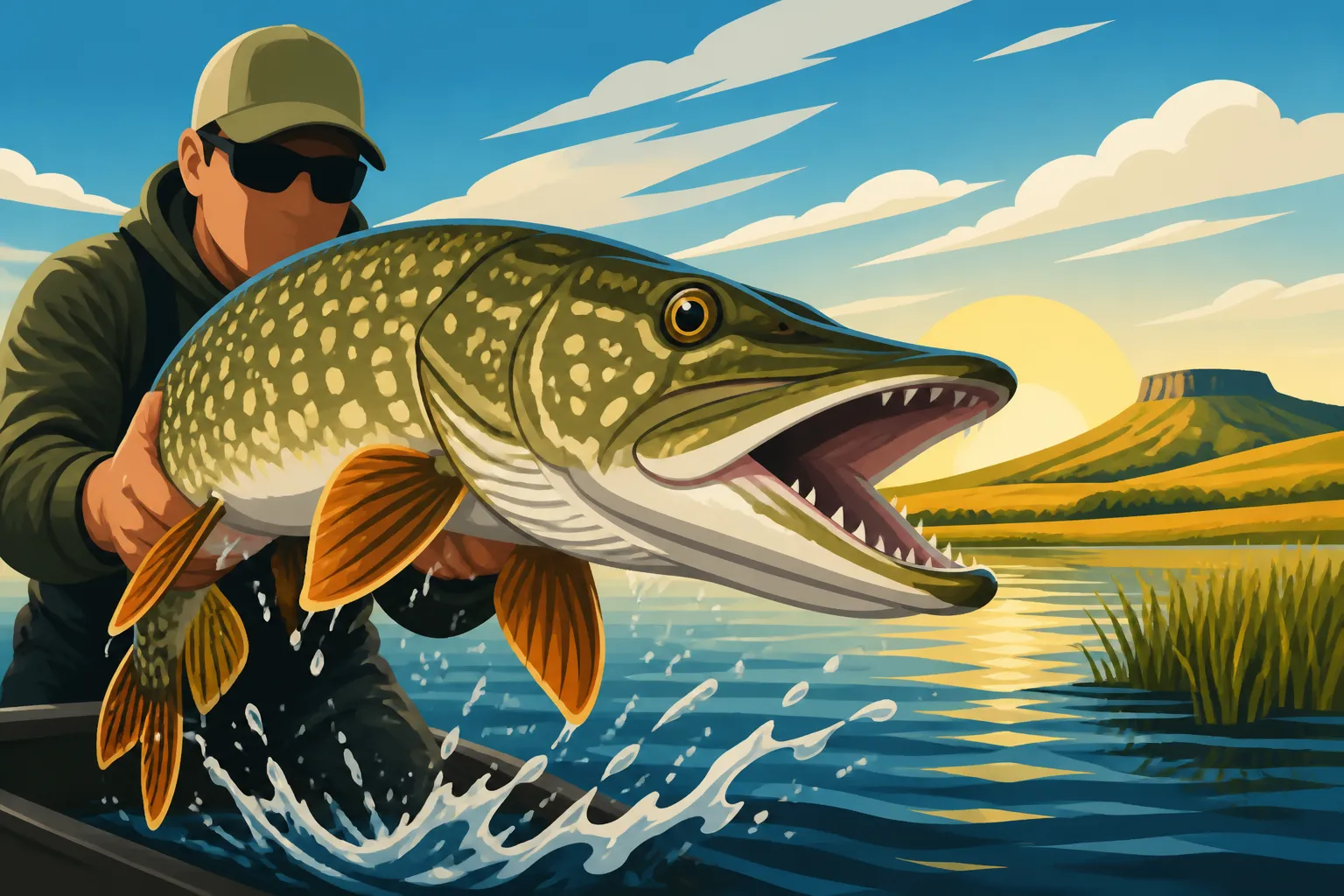
The term "trophy" can be subjective, of course, but when we're talking about northern pike in North Dakota, most seasoned anglers are thinking about fish that push past the 40-inch mark. Many consider anything over 35 inches a fantastic catch, but that magical 40+ inch barrier is where the true giants reside. These aren't your average hammer handles; these are thick-bodied, muscular fish that can weigh well into the teens, and sometimes even over 20 pounds. The state record for northern pike is truly impressive, showcasing the potential for massive fish in our waters. Knowing that such giants lurk beneath the surface fuels the passion of many a pike enthusiast. If you're curious about their impressive growth, you might wonder How Big Do Northern Pike Get in North Dakota Lakes?.
These larger pike are often older, wiser, and have a more defined territory. They've survived countless seasons, evaded predators, and outgrown many of their smaller counterparts. Catching one is a testament to skill, patience, and often, a bit of luck. It's a memory that lasts a lifetime, often accompanied by a fantastic photo and a story to tell around the campfire for years to come.
The Thrill and Challenge of Pursuing Big Pike
There's nothing quite like the adrenaline rush of a trophy northern pike strike. One moment you're steadily reeling, the next your rod is nearly ripped from your hands, and your drag is screaming as a massive fish peels line off your reel. These fish are known for their explosive runs and powerful head shakes, making every battle a test of strength and strategy. They can make sudden directional changes, leap clear of the water, and even "death roll" when close to the boat, making the final moments of the fight particularly intense.
Beyond the fight itself, there's the intellectual challenge of figuring out these fish. Trophy pike are often solitary and temperamental. They can be incredibly selective about what they'll strike and where they position themselves. Understanding their habits, their preferred ambush points, and how they react to different weather and water conditions is a puzzle that keeps anglers coming back for more. It requires diligent scouting, careful observation, and a willingness to adapt your tactics. The pursuit itself becomes a journey of learning and anticipation, making the eventual catch all the more rewarding.
Key Characteristics of Prime Trophy Northern Pike Waters
You can find northern pike in many North Dakota waters, but truly trophy pike tend to concentrate in specific types of environments. These fish, especially the larger ones, aren't just swimming around randomly; they're driven by instincts for survival, hunting, and shelter. Understanding their preferred habitats is your first step toward finding them.
Habitat Essentials: Weeds, Structure, and Forage
Trophy northern pike are ambush predators, meaning they love to hide and wait for their prey to swim by. This means their ideal habitat is rich in features that provide cover and attract baitfish. Think dense weed beds, submerged timber, rocky points, and sharp drop-offs. These areas offer excellent camouflage, allowing pike to blend in and explode on unsuspecting prey. Healthy weed lines, especially coontail and cabbage beds, are absolute magnets for big pike, providing both cover for the pike and a nursery for the baitfish they feed on.
Structure, whether natural or man-made, is equally crucial. This could be anything from sunken islands and rock piles to old roadbeds, bridge pilings, or even flooded structures like old fence lines or tree stands. These features create current breaks, depth changes, and perfect hiding spots for pike. A body of water with a diverse range of these habitat types is far more likely to hold larger, more varied populations of pike. If you're looking to understand the species better, our North Dakota Northern Pike Fishing Guide offers a comprehensive overview.
And, of course, where there's food, there are fish. Trophy pike require an abundant and diverse forage base to reach their immense size. Lakes and rivers teeming with perch, ciscoes, white suckers, or even smaller walleye are prime candidates. They are opportunistic feeders, and the more easily accessible high-protein meals available, the faster and larger they'll grow. This is why some of our state's most productive walleye waters often produce record-class pike as well; the food chain is robust. If you're curious about their diet, you might also be interested in What Do Northern Pike Eat?.
Waterbody Types: Large Reservoirs vs. Smaller Lakes
North Dakota offers a variety of waterbody types, and each can present unique opportunities for trophy pike. Large reservoirs like Lake Sakakawea are vast and often intimidating, but their sheer size and diverse ecosystems allow pike to grow to incredible dimensions. These "big water" environments provide extensive deep-water sanctuaries, miles of varied shoreline, and vast stretches of open water for nomadic pike. However, finding pike in such expansive waters requires good navigation skills, robust electronics, and often, a willingness to cover a lot of ground. The fish can be spread out, making the hunt more challenging but the reward even greater.
On the other end of the spectrum, smaller to medium-sized lakes, especially those with significant weed growth or flooded timber, can be true hidden gems for trophy pike. Devils Lake is a classic example, where its ever-changing water levels have created an incredibly rich, structure-filled environment perfect for growing monstrous pike. These lakes often concentrate fish more, making them potentially easier to pattern once you understand their nuances. They might not have the sheer volume of water as a Sakakawea, but their specialized habitats can produce some truly phenomenal catches. Even some of the smaller, shallower lakes, if they have good water quality and a strong forage base, can surprise you with a giant pike lurking in their depths.
Top North Dakota Lakes and Rivers Renowned for Trophy Northern Pike
When you're hunting for that monster northern pike, you want to focus your efforts on waters that consistently produce big fish. North Dakota has a few standout locations that are legendary among pike anglers for their ability to kick out true giants. These aren't just places where you'll catch a lot of pike, but places where you have a real shot at a fish that will challenge your tackle and make your heart pound.
Lake Sakakawea: A Big Water, Big Pike Haven
Lake Sakakawea, North Dakota's largest reservoir, is truly a world-class fishery, and not just for walleye. Its immense size—stretching for over 170 miles—and diverse underwater landscape make it an ideal environment for trophy northern pike. Here, you'll find everything from expansive open water to deep channels, rocky points, and submerged timber, all providing perfect ambush points for big pike. The forage base is incredible, with abundant ciscoes, smelt, and a variety of other baitfish, fueling the growth of these top predators.
Anglers often target the bays and points that feature a mix of rocky structure and deep weed lines, particularly in the upper and middle sections of the lake. Areas like Van Hook Arm, Deepwater Bay, and the Little Missouri arm can be especially productive. Look for irregularities in the shoreline, areas where creeks feed into the lake, or any submerged structure that breaks up the vast expanses of water. Trolling large crankbaits or casting big spoons and swimbaits are common tactics here, often yielding pike in the 35-inch-plus range, with legitimate 40-inchers caught regularly. Just be prepared for the sheer scale of the lake; it demands attention to detail and a willingness to explore.
Devils Lake: The Flooded Timber Giant Factory
Devils Lake is perhaps the most iconic trophy northern pike destination in North Dakota, if not the entire upper Midwest. What makes it so special is its unique and ever-changing environment. Over the decades, the lake's rising waters have flooded countless trees, roads, and farmsteads, creating an underwater jungle of prime pike habitat. This flooded timber, combined with extensive weed beds and varying depths, provides an almost endless supply of ambush points for pike. It's a challenging lake to navigate, but those who learn its secrets are often rewarded with incredible catches.
The pike in Devils Lake thrive on an abundant forage base of perch and various minnow species. They grow fast and fight hard. During the open water season, anglers often cast large spoons, spinnerbaits, or glide baits into the flooded timber or along the edges of the vast weed beds. In winter, Ice Fishing for Northern Pike With Tip-Ups is a hugely popular and effective method here, with anglers spreading multiple tip-ups across productive flats and submerged structure, baited with large frozen smelt or suckers. It's not uncommon for anglers to pull multiple 15-20 pound pike from the ice here on a good day. The sheer density of quality pike makes Devils Lake an absolute must for any trophy hunter.
Other Notable Waters for Big Pike Opportunities
While Sakakawea and Devils Lake often steal the spotlight, North Dakota has several other fantastic waters that hold true trophy northern pike. These might be less pressured or offer different types of fishing experiences, but they certainly shouldn't be overlooked.
One such gem is Lake Audubon, located directly downstream from Lake Sakakawea on the McClusky Canal. Audubon is known for its clear waters and abundant aquatic vegetation, making it an excellent pike fishery. It often warms up quicker in the spring, offering earlier opportunities for aggressive post-spawn pike. The weedy bays and rocky shorelines are prime spots, and anglers often have success casting big spoons or stickbaits. It's a great option for those looking for a slightly less intimidating "big water" experience compared to Sakakawea but still want trophy potential.
The Missouri River itself, particularly in certain stretches below the Garrison Dam and in its slower backwaters, also holds impressive pike. While more renowned for walleye and sauger, the river's deep channels, current breaks, and adjacent sloughs can hide some enormous pike. Look for areas where feeder creeks enter the main river or where rip-rap shorelines provide current breaks and cover. Jigging large swimbaits or trolling heavy spoons can entice these river giants. Don't forget the Red River in the east, which is famous for its giant catfish but also holds a decent population of big pike in its slower moving sections and oxbows. North Dakota Northern Pike Daily Limit rules apply, so always check the current regulations before you go!
Here's a quick overview of some top pike waters:
| Lake/River | Primary Habitat | Peak Trophy Season | Key Features for Pike |
|---|---|---|---|
| Lake Sakakawea | Rocky points, deep structure, submerged timber | Spring, Fall | Vast, diverse forage, challenging but rewarding, huge water |
| Devils Lake | Flooded timber, shallow bays, extensive weed lines | Spring, Fall, Ice | High pike density, ambush points, unique timber fishing |
| Lake Audubon | Weedy bays, rocky shorelines, varied depths | Spring, Summer, Fall | Good numbers of pike, often overlooked, clear water |
| Missouri River | Current breaks, submerged wing dams, backwater sloughs | Spring, Fall | Challenging current, large pike potential, diverse forage |
| Jamestown Reservoir | Weedy flats, submerged humps, rocky points | Spring, Summer | Consistent pike action, accessible fishery |
Strategies and Techniques for Landing North Dakota's Largest Pike
Chasing trophy northern pike isn't just about showing up; it's about being prepared, understanding their behavior, and employing the right tactics. These big fish didn't get big by being easy to catch, so you need to bring your A-game.
Lure Selection and Presentation for Aggressive Pike
When it comes to trophy pike, "go big or go home" often rings true for your lure selection. Large, attention-grabbing baits are key. Think big spoons (like Dardevles or Johnson Silver Minnows in 1 oz+ sizes), oversized spinnerbaits with large blades (especially tandem blades), and substantial crankbaits or glide baits that imitate large baitfish. Colors can vary, but bright, flashy options like firetiger, perch patterns, or white are often effective, especially in stained water. Darker colors, like black and purple, can be excellent on cloudy days or in clear water.
Presentation is equally critical. For casting, make long casts to cover water, allowing your lure to sink to the desired depth before beginning a retrieve. Vary your retrieve speed – pike often strike on the pause or when a lure changes direction or speed. Jerkbaits and glide baits are fantastic for this, allowing you to impart an erratic, wounded baitfish action. When trolling, experiment with different speeds and depths until you find what triggers bites. Many anglers use planer boards to spread out their offerings and cover more water, especially on large lakes like Sakakawea. Remember, you're trying to appeal to a predatory instinct, so make your lure look like an easy meal or an unwelcome intruder.
The Importance of Proper Tackle and Line Strength
You can't bring a knife to a gunfight, and you certainly can't bring ultralight tackle when chasing trophy northern pike. These fish are powerful, have razor-sharp teeth, and will absolutely shred inadequate gear. A medium-heavy to heavy action rod, usually 7 to 9 feet long, is essential for casting large lures and handling the brutal fight. Pair that with a stout baitcasting or spinning reel spooled with strong braided line, typically 50-80 lb test. The no-stretch nature of braid helps set hooks and pull pike out of heavy cover.
Crucially, you must use a steel or heavy fluorocarbon leader (at least 80-100 lb test) to prevent bite-offs. Without one, a trophy pike will easily sever your line with its teeth, and you'll lose both your fish and your expensive lure. Don't skimp on terminal tackle either – use strong, sharp hooks. Many anglers upgrade the treble hooks on their lures right out of the box to ensure they can stand up to a big pike's power. Having a Best Landing Net for Landing Big Pike and Best Pliers for Removing Pike Hooks is also non-negotiable for safe handling and release. You can find robust tackle options on platforms like Amazon, ensuring you're ready for whatever North Dakota's waters throw at you.
Advanced Tactics: Trolling, Casting, and Live Baiting
While casting and trolling are fundamental, mastering a few advanced tactics can significantly boost your trophy pike success.
Trolling: For covering vast areas, especially on Lake Sakakawea, trolling large crankbaits at various depths is highly effective. Using a trolling motor with GPS capabilities helps maintain precise speeds and tracks over promising structure. Experiment with different lures until you find the size, color, and action that pike are keying into that day. Speed changes and subtle turns can often trigger a follow-up bite.
Casting: When working specific cover like weed edges or flooded timber, precision casting is key. Employing a "shock leader" of heavy monofilament or fluorocarbon (beyond your bite leader) can absorb some of the impact of violent strikes and make casting heavy lures easier. Targeting visible cover or using electronics to pinpoint submerged structure allows for more efficient casting. Consider using topwater lures in shallow, weedy bays during low-light conditions for explosive surface strikes. How to Cast for Northern Pike From Shore is a great skill to develop, opening up many accessible spots.
Live Baiting: While artificial lures are popular, live bait can be incredibly effective, especially for wary trophy pike. Large shiners, suckers, or smelt, fished under a bobber or on a quick-strike rig, are irresistible to big pike. This tactic is particularly lethal during ice fishing season, but can also be used effectively from a boat in open water, especially in colder temperatures when pike might be less willing to chase. Using a quick-strike rig ensures a solid hookup without deep hooking the fish, making for easier and safer releases. Make sure your live bait is legal to use in North Dakota.
Seasonal Approaches to Trophy Northern Pike Fishing
Understanding how northern pike behave throughout the year is crucial for consistently finding and catching trophy-sized fish. Their patterns shift dramatically with water temperature and spawning cycles, so tailoring your approach to the season is paramount.
Spring and Early Summer: Post-Spawn Aggression
Spring, particularly right after ice-out and into early summer, is prime time for trophy northern pike. These fish spawn shortly after the ice melts, often in shallow, vegetated bays and marshy areas. After the rigors of spawning, they are incredibly hungry and aggressive, actively feeding to regain lost energy. This makes them relatively predictable targets as they move out of their spawning grounds into slightly deeper areas with access to food.
During this period, you'll often find big pike lurking on the edges of large weed beds, around submerged wood, or on shallow flats adjacent to deeper water. They're looking for easy meals, making them susceptible to large spoons, spinnerbaits, and soft plastic swimbaits retrieved with a medium-fast pace. Early mornings and late evenings can be particularly productive as water temperatures are still cool and pike are most active. Best Lures for Northern Pike in Spring often include bright, flashy options that mimic the returning baitfish. Focus your efforts on these shallow, fertile areas as the water warms, and be prepared for some explosive strikes.
Fall Fishing: Pre-Winter Feeding Frenzy
Just as spring offers a phenomenal bite, the fall months—from late September through November, before the lakes freeze—are another incredible window for trophy pike. As water temperatures drop, pike embark on a massive feeding spree, bulking up for the long winter ahead. They become incredibly active and aggressive, often moving into shallower zones where baitfish are congregating before winter.
During this time, look for pike around prominent points, deep weed lines, and structural elements like humps and rock piles. They're often cruising these areas in search of schools of baitfish. Trolling large crankbaits over open water flats or casting substantial spoons and jerkbaits along breaklines can be highly effective. Fall pike are powerful and healthy, offering some of the fiercest fights of the year. Many of the biggest pike of the season are caught by anglers who brave the colder fall weather. This pre-winter feeding provides ample opportunity for a truly memorable catch.
Ice Fishing for Northern Pike With Tip-Ups
North Dakota is renowned for its ice fishing, and trophy northern pike are a major draw once the lakes freeze over. Unlike their open water counterparts who might be more active chasers, under the ice, pike often revert to classic ambush tactics, making tip-ups an incredibly effective tool. They'll hold tight to structure, waiting for an unsuspecting meal to swim by. Ice Fishing for Northern Pike With Tip-Ups is a technique that has landed countless giants.
When ice fishing for trophy pike, focus on areas with significant weed growth, flooded timber, or sharp depth changes. Pike will often position themselves on the deeper edges of these features. Use large live or dead bait, such as smelt, large shiners, or suckers, fished just above the weed tops or suspended in the water column. Setting multiple tip-ups allows you to cover more ground and increase your odds. Always ensure your tip-ups are spaced according to regulations and that you're using heavy fluorocarbon or wire leaders to prevent bite-offs. Patience is key, but when that flag flies, be ready for a battle that will warm you up even on the coldest North Dakota day. Remember to check Best Bait for Northern Pike Through the Ice to maximize your chances.
Essential Gear and Safety for North Dakota Trophy Pike Fishing
Landing a trophy northern pike is as much about having the right tools as it is about skill. Furthermore, safety should always be your top priority, especially when dealing with powerful, toothy fish and often challenging North Dakota weather conditions.
Rods, Reels, and Line Built for Battle
For trophy pike, your gear needs to be robust and reliable. As mentioned, a medium-heavy to heavy action rod, typically 7 to 9 feet in length, provides the backbone needed for casting heavy lures and muscling big fish. Pair this with a sturdy baitcasting reel or a high-quality spinning reel with a strong drag system. When purchasing a new setup, consider checking options on Amazon for competitive prices and a wide selection of brands like Abu Garcia or Shimano, known for their durable products.
Your line choice is critical. Braided line (50-80 lb test) offers superior strength, no stretch for solid hooksets, and excellent abrasion resistance. Always, always, always use a bite-proof leader. Steel leaders are the most common and safest option, but heavy fluorocarbon (80-100 lb) can also work in clearer waters if you prefer a less visible presentation. Having a selection of leaders with different lengths and strengths on hand is a good idea. Don't forget to regularly inspect your line and leaders for any nicks or fraying, as a compromised line is a lost trophy fish. Best Ice Fishing Rods for Northern Pike also apply to heavy-duty open water scenarios, as they share similar strength requirements.
Safety Considerations: Handling Pike and Cold Weather
Trophy northern pike are formidable creatures, and handling them safely—both for you and the fish—is paramount. Their mouths are full of razor-sharp teeth, capable of inflicting serious injury. Always use a long-nosed pliers or a specialized hook remover like Best Pliers for Removing Pike Hooks to extract hooks. Never put your bare hand inside a pike's mouth. A large landing net is invaluable for safely bringing a big pike into the boat or onto the ice, minimizing stress on the fish and reducing the risk of a hook-related incident. Consider a rubberized net to protect the fish's slime coat.
If you plan to release the fish (which is highly encouraged for trophy-sized pike to maintain healthy populations), keep it in the water as much as possible, especially during photos. Support its weight horizontally and return it gently to the water, allowing it to swim off on its own power.
Beyond fish handling, North Dakota weather can be extreme, particularly during the spring and fall or, of course, during ice fishing season. Always dress in layers, and be prepared for sudden changes in temperature, wind, and precipitation. Hypothermia is a real risk. Ensure you have proper safety gear on your boat, including life jackets for everyone, a first-aid kit, and communication devices. If ice fishing, always check ice thickness, inform someone of your plans, and carry essential safety items like ice picks and a throw rope. Being prepared ensures a safe and enjoyable pursuit of North Dakota's trophy northern pike.
Disclaimer
This article is for general informational purposes only and does not constitute professional advice. Laws, prices and regulations vary by location and change over time. Consult a qualified professional for guidance on your specific situation.