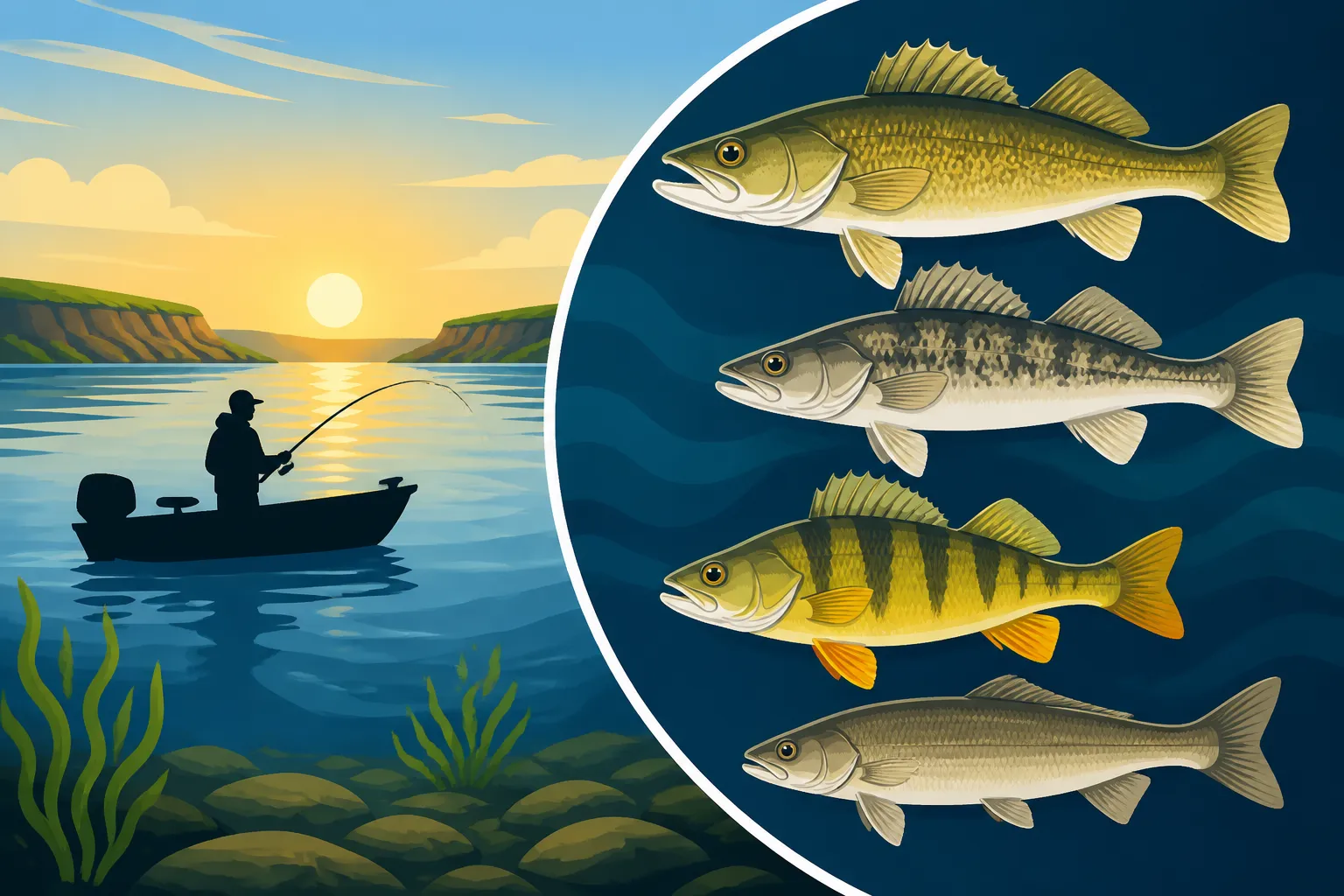
Fish Species Unique to Devils Lake
Stepping onto the shores of Devils Lake, North Dakota, you might not immediately realize you're looking at one of the most dynamic and fascinating fisheries in the entire country. Many anglers, especially those new to North Dakota, often wonder why fishing here is talked about with such reverence, and why the fish seem…different. This guide is all about exploring the genuinely unique fish species that thrive in Devils Lake, delving into what makes them so special, and how this ever-changing body of water molds them into the exceptional catches anglers travel far and wide to pursue.
The Dynamic Ecosystem of Devils Lake and Its Impact on Fish
Devils Lake isn't just any lake; it's an endorheic basin, meaning it has no outflow to the ocean. Over the past few decades, its water levels have fluctuated dramatically, expanding significantly and submerging vast tracts of prairie, farmland, and even entire groves of trees. This ongoing transformation has created an ecosystem unlike almost any other, directly shaping the fish species that call it home.
The Rising Waters and Flooded Timber: A Fish Paradise
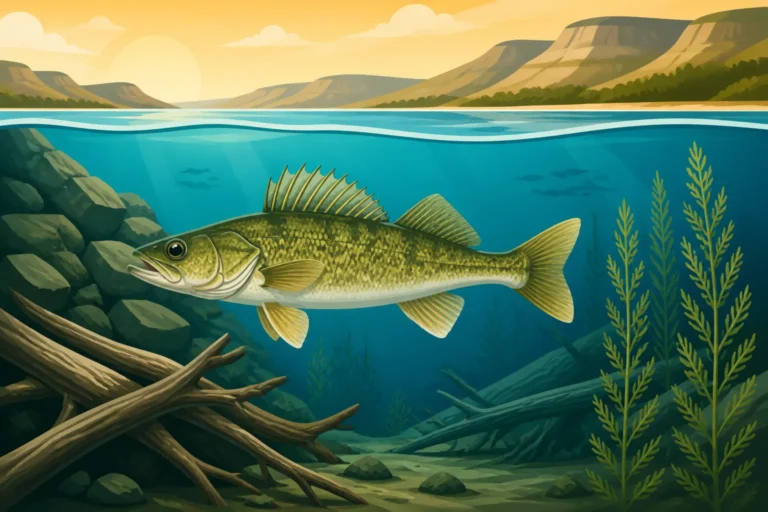
Imagine a vast inland sea, but instead of open plains, much of its shoreline and even its central expanses are dotted with drowned trees, old fence lines, and submerged buildings. This is the reality of Devils Lake's flooded timber, and it's a huge part of what makes its fishery so distinct. As the lake expanded, it enveloped countless trees, creating an incredibly rich and complex underwater environment.
These submerged forests act as natural fish hotels and nurseries. They provide abundant cover for baitfish, keeping them safe from predators. This, in turn, creates prime ambush points for larger game fish like walleye and northern pike. The decomposition of organic matter from the flooded landscape also contributes to the lake's high productivity, fueling the entire food web from the smallest invertebrates to the largest fish. The sheer amount of structure means fish have endless places to hide, hunt, and grow, leading to healthier, often larger specimens than you might find in more uniform lake environments. When you're out on the water, seeing those skeletal tree trunks breaking the surface, you're looking at the very heart of the lake's productivity. It's a challenging environment to fish, no doubt, but incredibly rewarding.
Salinity and Productivity: Fueling the Food Chain
Devils Lake has a naturally fluctuating salinity level, which, while it might sound concerning, actually contributes to its incredible productivity. Because it has no outlet, minerals and salts accumulate over time. This unique chemistry, combined with fertile agricultural runoff (within ecological limits), creates an extremely rich soup of nutrients. This nutrient-rich water fosters an explosive growth of plankton and invertebrates, forming the base of a robust food chain.
This abundance of microscopic life means there's always plenty for baitfish like fathead minnows, shiners, and young perch to eat. A thriving baitfish population is the absolute key to growing big, healthy game fish. When walleye, pike, and perch have an unlimited buffet, they grow faster, fatter, and often reach impressive sizes. This high productivity is a significant reason why anglers often describe Devils Lake fish as having an exceptional "fight" – they're well-fed and strong. It's a testament to how a seemingly unusual environment can become a biological powerhouse, sustaining a vibrant and diverse fishery.
Devils Lake's Signature Species: Thriving in a Special Environment
While many fish species call North Dakota home, several thrive in Devils Lake in ways that make them particularly unique and legendary among anglers. These are the fish that have truly capitalized on the lake's one-of-a-kind ecosystem.
Walleye: The Adaptable King of the Lake
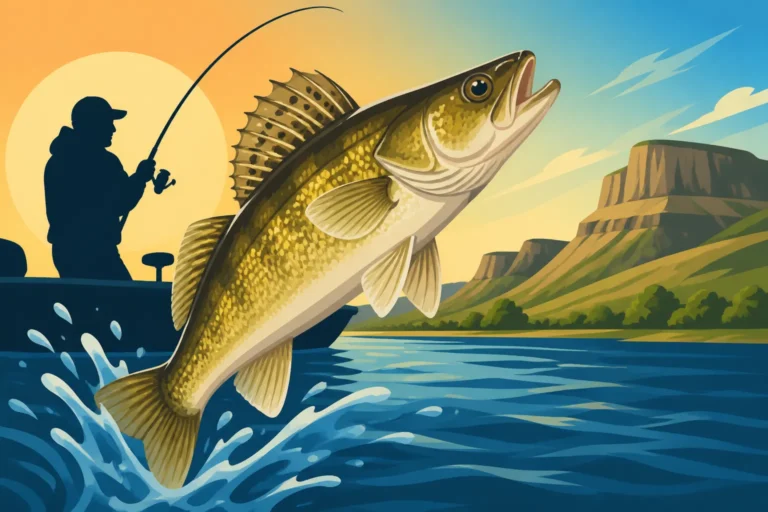
Walleye are undoubtedly North Dakota's most sought-after game fish, and Devils Lake walleye have a legendary reputation. What makes them so unique here isn't just their sheer numbers, but how robust and adaptable they are to the lake's ever-changing conditions. They've learned to navigate the flooded timber, adapting their hunting strategies to the dense cover. This means they're often found in places you might not expect in a typical lake, offering a different kind of challenge and reward.
Anglers often note that Devils Lake walleye are exceptionally strong fighters, a direct result of the lake's abundant forage and their need to navigate a complex environment. They grow to impressive sizes, with 20-inch plus fish being common, and true trophy walleye often pushing into the upper 20s and even 30-inch range. The constant influx of nutrients and baitfish means these walleye are always on the feed, making them eager to bite if you can find them. Whether you're jigging in the timber, trolling along deeper breaks, or casting cranks near shoreline structure, the patterns here can be distinct. Understanding Devils Lake Walleye Fishing Spots is key, as the best locations can change with water levels and seasons. The sheer abundance and consistent quality of walleye fishing truly set Devils Lake apart.
Yellow Perch: Jumbo Jewels of the Depths
If there's one fish that truly embodies the "unique to Devils Lake" spirit, it's the yellow perch. While perch are found across North Dakota, Devils Lake is synonymous with "jumbo perch." These aren't your average pan-sized perch; we're talking about thick, football-shaped fish that can easily exceed a pound, with many pushing a pound and a half or even two pounds. Their vibrant yellow and green stripes truly stand out.
The reason for their extraordinary size lies directly in the lake's hyper-productive ecosystem. The abundance of food, coupled with ideal spawning and nursery habitat in the flooded timber and weed beds, allows perch to grow rapidly and reach impressive dimensions. They form massive schools, and when you find them, the action can be non-stop. Fishing for these jumbo perch often requires specialized techniques, like using small jigs tipped with a minnow or wax worm, dropping down into the depths where these schools roam. Many dedicated perch anglers invest in high-quality ice fishing electronics, which you can readily find on platforms like Amazon, to pinpoint these roving schools under the ice or in deep water during open-water season. The thrill of hooking into a stringer of these beautiful, hard-fighting, and delicious fish is an experience you won't soon forget, and it's something Devils Lake offers like few other places. If you're looking for Devils Lake Perch Fishing Spots, remember that they often relate to structure and subtle depth changes.
Northern Pike: Apex Predators of the Timber
Northern pike are another species that truly thrive in the unique environment of Devils Lake. While they are common across North Dakota, the sheer size and number of pike, particularly in the flooded timber zones, make them a distinct part of the Devils Lake experience. These toothy predators grow large here, often topping 10-15 pounds, with trophy pike exceeding 20 pounds being a real possibility.
The flooded timber offers pike the ultimate ambush habitat. They'll lurk among the submerged trees, waiting to dart out and snatch an unsuspecting walleye or perch. This makes for incredibly exciting fishing, as pike strikes in such dense cover are often explosive and challenging. Anglers targeting pike in Devils Lake need robust tackle and often throw large spoons, spinnerbaits, or swimbaits. Searching for these specific lures on a site like Amazon before your trip can ensure you're well-equipped for the battle. Their voracious appetites, fueled by the lake's abundant forage, mean they are aggressive and provide incredible action, especially during spring and fall. Understanding Northern Pike Identification in North Dakota can help you appreciate these powerful fish even more.
Beyond the "Big Three": Other Species Making Their Mark
While walleye, perch, and pike get most of the attention, Devils Lake's diverse ecosystem supports a variety of other fish species that contribute to its rich angling opportunities. These often overlooked fish can offer fantastic action and a different kind of challenge for those willing to explore.
White Bass: An Overlooked Powerhouse
White bass are a species that often gets overshadowed by the lake's famous walleye and perch, but they are an absolute powerhouse in Devils Lake. These feisty fish thrive in the lake's productive, slightly saline waters and often reach impressive sizes, making them a blast to catch. They are schooling fish, and when you find a school, the action can be fast and furious, with multiple hookups a common occurrence.
White bass are known for their strong fighting ability, putting up a surprising battle for their size. They are particularly active during the summer months, often chasing baitfish near the surface or along submerged structures. Light tackle, small spoons, jigs, or crankbaits are highly effective for these aggressive feeders. For anglers looking for consistent action and a break from targeting the "big three," white bass offer an incredible opportunity. They also make for decent table fare, especially when fresh.
Crappie, Bluegill, and Bullhead: Diverse Opportunities
Beyond the main game fish, Devils Lake also supports populations of other panfish and rough fish that add to its ecological diversity and provide alternative fishing experiences. Black crappie are present, particularly in areas with abundant submerged timber and brush. While not as dominant as in some other North Dakota lakes, healthy crappie populations can be found, offering a fun challenge for those targeting them with small jigs and minnows.
Bluegill, though not as prevalent or large as the perch, can also be found in certain areas, especially around shallower weed beds and inundated vegetation. They offer a great opportunity for new anglers or families to enjoy some relaxed fishing. Basic panfish gear, easily assembled with components bought from Amazon, works perfectly for these species. And let's not forget the bullhead! While often seen as a nuisance, bullhead thrive in Devils Lake, particularly in muddier bays. They are incredibly tough fish, fun for kids to catch, and surprisingly good to eat if properly prepared. These diverse species ensure that Devils Lake offers something for every type of angler, from those chasing trophies to families simply looking to make memories.
Navigating and Appreciating Devils Lake's Unique Fishery
Fishing Devils Lake is an experience unlike many others, and to truly appreciate its unique fish species, it helps to understand the nuances of this dynamic body of water.
The Art of Fishing Flooded Timber
One of the most defining characteristics of Devils Lake fishing is the flooded timber. For species like walleye and northern pike, these submerged forests are vital habitat, offering endless cover and ambush points. However, fishing in the timber requires a specific approach and, often, a bit of bravery. Losing lures to snags is a given, but the rewards are often worth it.
Anglers learn to adjust their presentations, often using heavier line, weedless jigs, or even fishing vertically right next to the tree trunks. Electronics become crucial here, helping you identify subtle changes in depth or pockets of fish-holding structure amidst the chaos of submerged trees. Investing in a good quality fishing map or a GPS chartplotter for your boat, which you can easily research and purchase on Amazon, can make all the difference in navigating this complex terrain and identifying potential hotspots. Many locals also develop a keen eye for subtle clues on the surface that indicate submerged structure. Embracing the challenge of Devils Lake Flooded Timber Fishing Spots is essential to unlock some of the lake's best angling secrets. It’s a learning curve, for sure, but mastering it means access to some incredible fish.
Conservation and Future of Devils Lake's Fish
The exceptional fishery of Devils Lake is not a given; it's a testament to natural adaptability and ongoing conservation efforts. Because the lake's environment is so dynamic, with fluctuating water levels and salinity, the fish populations are constantly adapting. This makes responsible angling even more critical. Understanding and adhering to North Dakota Fishing Regulations Explained is paramount to ensuring that these unique fish species continue to thrive for future generations.
The North Dakota Game and Fish Department closely monitors fish populations and adjusts regulations as needed to maintain a healthy balance. This often includes specific limits on walleye, pike, and perch to manage harvest and protect the larger, spawning-capable fish. Practices like careful catch-and-release for trophy fish, properly disposing of fishing line, and preventing the spread of aquatic invasive species are all vital. When you fish Devils Lake, you're not just enjoying a day out; you're participating in a unique ecological story, and your actions contribute directly to its continuation. The future of these magnificent fish species, uniquely shaped by their Devils Lake home, depends on all of us.
| Fish Species | Primary Habitat in Devils Lake | Unique Aspect in Devils Lake | Fishing Techniques Often Used |
|---|---|---|---|
| Walleye | Flooded timber, submerged humps, breaks | Exceptional adaptability to changing conditions, strong fighters | Jigging, trolling crankbaits, slip bobber fishing |
| Yellow Perch | Deep basins, timber edges, weed lines | "Jumbo" size, prolific schooling behavior | Small jigs with live bait, aggressive jigging patterns |
| Northern Pike | Dense flooded timber, weed beds | Abundant large fish, aggressive strikes in cover | Large spoons, spinnerbaits, swimbaits, jerkbaits |
| White Bass | Open water, main lake points, shallow flats | Schooling action, strong fighters, often overlooked | Small spoons, crankbaits, jigs, topwater during chases |
| Black Crappie | Submerged brush piles, timber | Targeted by panfish enthusiasts in specific pockets | Small jigs, minnows, light tackle, vertical presentations |
Disclaimer
This article is for general informational purposes only and does not constitute professional advice. Laws, prices and regulations vary by location and change over time. Consult a qualified professional for guidance on your specific situation.