Where Do Smallmouth Bass Live in North Dakota?
It's a common question, especially for those of us used to chasing walleye or pike: where on earth do you even start looking for smallmouth bass in North Dakota? These feisty, hard-fighting fish are a blast to catch, but they don't inhabit every body of water like some of our other popular species. If you've been casting aimlessly and wondering why you're not getting those tell-tale smallmouth strikes, this guide is here to unravel the mystery and pinpoint exactly where these bronze beauties call home in our great state.
Understanding Smallmouth Bass Habitat Preferences
Smallmouth bass aren't just any fish; they're creatures of particular tastes when it comes to their environment. Unlike their largemouth cousins who often lurk in thick weeds and lily pads, smallmouth prefer a different kind of underwater real estate. Knowing these preferences is the first step to narrowing down your search in North Dakota.
The Allure of Rocks, Gravel, and Clean Water
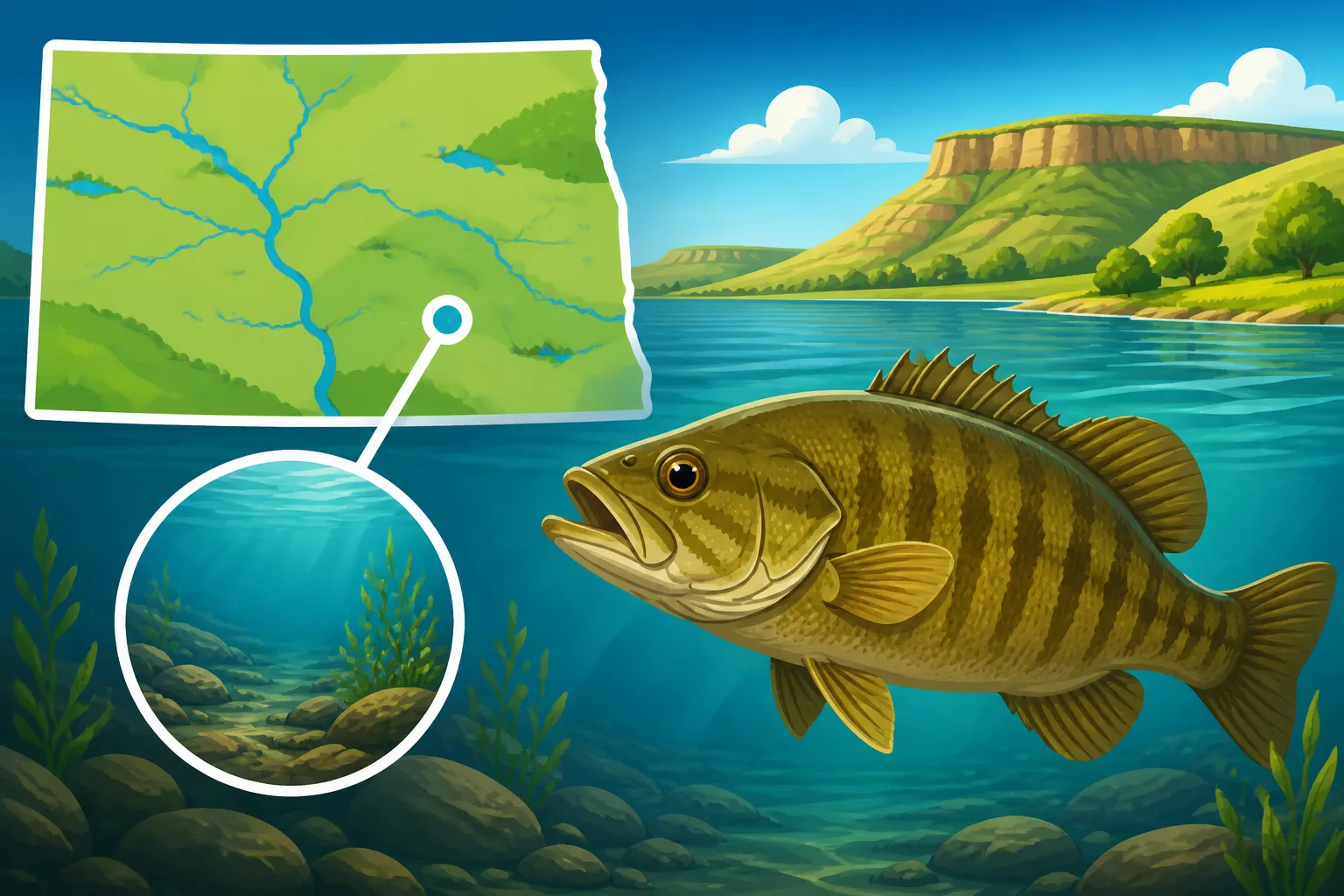
If there's one thing a smallmouth bass loves, it's rocks. We're talking about everything from small gravel beds to large boulder fields, riprap, and rocky points. These structures provide excellent ambush points for their prey, offer shelter from strong currents, and often hold plenty of crayfish, which are a favorite meal for smallmouth. They also thrive in clear, cool water with a good oxygen content, which is why you won't typically find them in murky, silty river sections or stagnant backwaters. Think about areas where the water looks clean and you can see a fair distance down – that's smallmouth country.
When you're out on the water, pay close attention to shorelines with scattered rocks, submerged humps, or old roadbeds. Bridge pilings and dam areas with riprap are also prime spots. If you're exploring a new lake, looking at a bathymetric map for sudden depth changes near rocky features can give you a huge advantage. These fish relate heavily to structure, so any interruption on an otherwise flat bottom is worth investigating. A good pair of polarized sunglasses, available on platforms like Amazon, can really help you spot these underwater clues.
Current, Oxygen, and Forage Availability
Beyond just rocks, smallmouth bass are often found where there's a good flow of water, be it a subtle current in a lake or a more pronounced flow in a river. This current brings in food and keeps the water well-oxygenated, which is crucial for their health and activity levels. In North Dakota, this means that river stretches and reservoir sections with current are often excellent places to find them. The moving water often attracts baitfish, making it a natural feeding ground.
Consider the availability of forage. While crayfish are a staple, smallmouth also feast on minnows, insects, and even smaller fish. Areas where these food sources are abundant will naturally draw in smallmouth. If you find a rocky shoal with schooling baitfish darting around, you've likely hit a jackpot. This combination of current, clean water, rocky structure, and ample food creates the perfect smallmouth bass ecosystem. Understanding Smallmouth Bass Habitat in North Dakota is key to successful angling.
Key North Dakota Lakes for Smallmouth Bass
While North Dakota might be famous for its walleye and perch factories, we do have some fantastic lakes where smallmouth bass have established thriving populations. These aren't necessarily the largest lakes, but they offer the specific habitat these fish demand.
Lake Sakakawea and the Missouri River System
It's almost impossible to talk about fishing in North Dakota without mentioning Lake Sakakawea, and yes, it holds a respectable population of smallmouth bass, especially in its lower sections and within the main Missouri River channel below the Garrison Dam. The sheer size of Sakakawea means you need to be strategic, but the rocky points, bluffs, and inundated timber in the deeper, clearer parts of the lake create ideal smallmouth habitat.
Focus your efforts on the main lake points, especially those that drop off quickly into deeper water. Areas with a mix of rocks and submerged brush or trees are particularly attractive. The clearer water conditions you find further downstream or in the main river channel below the dam are also very conducive to smallmouth bass. Don't be surprised to find them sharing these areas with walleye and even the occasional sauger. You might also explore the Missouri River itself, particularly around the Bismarck and Mandan areas, where rocky banks and current breaks provide excellent opportunities. For a more general overview, you can check out the Missouri River Fishing Guide.
Lake Audubon: A Hidden Gem
Perhaps one of the most underrated smallmouth bass fisheries in North Dakota is Lake Audubon. This gem, located directly adjacent to Lake Sakakawea, offers some absolutely fantastic smallmouth fishing. Audubon is known for its remarkably clear water and abundant rocky structure, which is exactly what smallmouth bass crave. It's truly a smallmouth paradise for North Dakota anglers.
The smallmouth in Lake Audubon tend to be aggressive and can reach impressive sizes. Look for them around rocky points, submerged humps, and along the extensive riprap areas. Because the water is so clear, these fish can be very visual hunters, responding well to presentations that mimic crayfish or baitfish. Early mornings and evenings often yield the best results, as they become more active in lower light conditions. If you're looking for a dedicated smallmouth trip, Lake Audubon Smallmouth Bass Fishing should definitely be on your radar.
| Lake/River System | Primary Habitat Features | Smallmouth Presence | Fishing Tips |
|---|---|---|---|
| Lake Sakakawea | Rocky points, bluffs, submerged timber, clear water | Moderate to Good | Focus on lower lake, main channel; target points and sudden drops. |
| Lake Audubon | Exceptionally clear water, abundant rocky shorelines/humps | Excellent | Look for aggressive fish near riprap and structure; visual presentations work well. |
| Missouri River (main channel) | Current breaks, rocky banks, bridge pilings | Good | Fish eddies, current seams, and structure; crayfish imitations are effective. |
| Red River | Limited, but some in specific rocky areas near dams | Very Limited | Not a primary smallmouth destination; focus on other species. |
| Smaller Lakes/Ponds | Rare, unless specifically stocked with suitable habitat | Very Limited | Most smaller lakes lack the clear water and rocky structure smallmouth need. |
River Systems Holding Smallmouth Bass
While lakes get a lot of attention, our river systems in North Dakota can also provide excellent smallmouth bass opportunities, especially where the conditions align with their preferred habitat.
Missouri River: A Prime Smallmouth Corridor
Beyond the massive expanse of Lake Sakakawea, the main stem of the Missouri River itself, both upstream and downstream from the large reservoirs, is a fantastic place to target smallmouth bass. The flowing water, coupled with natural rocky stretches, current breaks, and man-made structures like bridge pilings and wing dams, create a dynamic and productive environment for them.
When fishing the river, think about how the current dictates fish behavior. Smallmouth will often tuck into eddies or behind larger rocks, waiting for prey to be swept by. Look for seams where faster current meets slower water, or areas where the river bends and creates deeper pockets. Popular areas often include sections near Bismarck, where the river flows through town, offering various public access points and boat launches. Casting crankbaits or jigs that mimic crayfish or minnows parallel to rocky banks can be incredibly effective here. You might even stumble upon some decent smallmouth while trying for walleye or sauger in these areas.
The Red River and Other Tributaries: Sparse but Possible
Now, when we talk about the Red River of the North, smallmouth bass are much less common. The Red is notoriously slow, muddy, and silty, which isn't the preferred clear-water, rocky habitat that smallmouth thrive in. While you might occasionally hear of one being caught, it's usually an anomaly and not a target species for this river system, which is much more famous for its colossal channel catfish.
Other smaller river systems and tributaries across North Dakota are generally not considered smallmouth fisheries either, due to similar reasons of habitat suitability. However, it's always worth checking with local bait shops or the North Dakota Game and Fish Department if you're exploring a very specific, lesser-known stretch of river. Sometimes, isolated populations can exist in unique conditions. But for a consistent smallmouth experience, the Missouri River and its connected reservoirs are your best bet.
Seasonal Movements and How to Find Them
Just like any fish, smallmouth bass move throughout the year, influenced by water temperature, spawning cycles, and food availability. Understanding these patterns will significantly boost your chances of finding them, no matter the season.
Spring and Early Summer: Shallow Feeding Frenzy
As the ice recedes and water temperatures begin to climb in the spring, smallmouth bass move from their deeper wintering holes into shallower, warmer water. This is a fantastic time to target them, especially in areas with dark, rocky bottoms that absorb the sun's heat. They'll be looking to bulk up after winter and prepare for their spawn. Look for them in bays, coves, and along sunny, rocky shorelines.
During early summer, after the spawn, smallmouth remain relatively shallow and are often very aggressive. They'll be guarding fry or simply recovering and feeding heavily. This is when topwater baits, shallow-running crankbaits, and soft plastics rigged weightless can be incredibly effective. Consider looking for them in water from 2 to 10 feet deep, especially around visible cover. Don't be afraid to cast right up to the bank if there's rocky structure there. Sometimes, a subtle presentation with a soft plastic jerkbait can elicit a strike when they're a bit finicky. If you're looking for specific tactics, reading up on Smallmouth Bass Techniques on Rocky Shorelines can be very helpful.
Mid-Summer: Deeper Structure and Thermoclines
As the dog days of summer arrive and surface water temperatures soar, smallmouth bass will often retreat to deeper, cooler waters. They'll still relate to structure, but now you'll find them holding on submerged humps, deep rocky points, ledges, and along the edges of the thermocline if the lake has one. This doesn't mean they won't make forays into shallower water during low-light periods, but their main haunts will be deeper.
This is the time for vertical jigging with heavier jigs and soft plastics, or trolling deep-diving crankbaits. Using your fish finder to locate schools of baitfish or prominent underwater structures becomes crucial. Fan-casting around these deeper structures and systematically working your way through them is a solid strategy. Having a diverse selection of lures, easily replenished from stores like Amazon, will ensure you're ready for different depths and fish moods.
Fall: The Pre-Winter Feast
Fall is another prime time for smallmouth bass fishing in North Dakota. As water temperatures cool down, these fish enter a "feeding frenzy" phase, trying to pack on calories before the long winter. They'll often move back to shallower to mid-depth structures, similar to spring, but with a renewed sense of urgency. Look for them around rocky points, ledges, and humps that are still holding baitfish.
Big crankbaits, spinnerbaits, and larger swimbaits can be very effective as smallmouth become less selective and more focused on quantity. They'll often be schooled up, so if you catch one, there are likely more in the area. Pay attention to changes in barometric pressure and enjoy those crisp fall days on the water. This is when you can really target trophy-sized smallmouth that are aggressively feeding. Understanding Best Lures for Smallmouth Bass in North Dakota can make a huge difference during this productive season.
Disclaimer
This article is for general informational purposes only and does not constitute professional advice. Laws, prices and regulations vary by location and change over time. Consult a qualified professional for guidance on your specific situation.