Biggest Smallmouth Bass Ever Caught in North Dakota
Every angler dreams of landing that one fish that makes all the early mornings and chilly evenings worthwhile – a true trophy. For smallmouth bass enthusiasts in North Dakota, that dream often revolves around not just a big fish, but the biggest fish. It's a quest for a personal best, maybe even a state record. The frustration comes when you feel like you're doing everything right but those monster bronzebacks remain elusive. This guide will dive into the history of North Dakota's state record smallmouth bass, explore where these giants hide, and share strategies to help you land your own memorable catch.
The North Dakota State Record Smallmouth Bass
There's something truly special about chasing a state record. It’s not just about the size of the fish; it's about the legend, the story, and the sheer accomplishment. North Dakota, while not always the first state people think of for smallmouth bass, actually holds some incredible opportunities for these hard-fighting fish.
Unpacking the Record
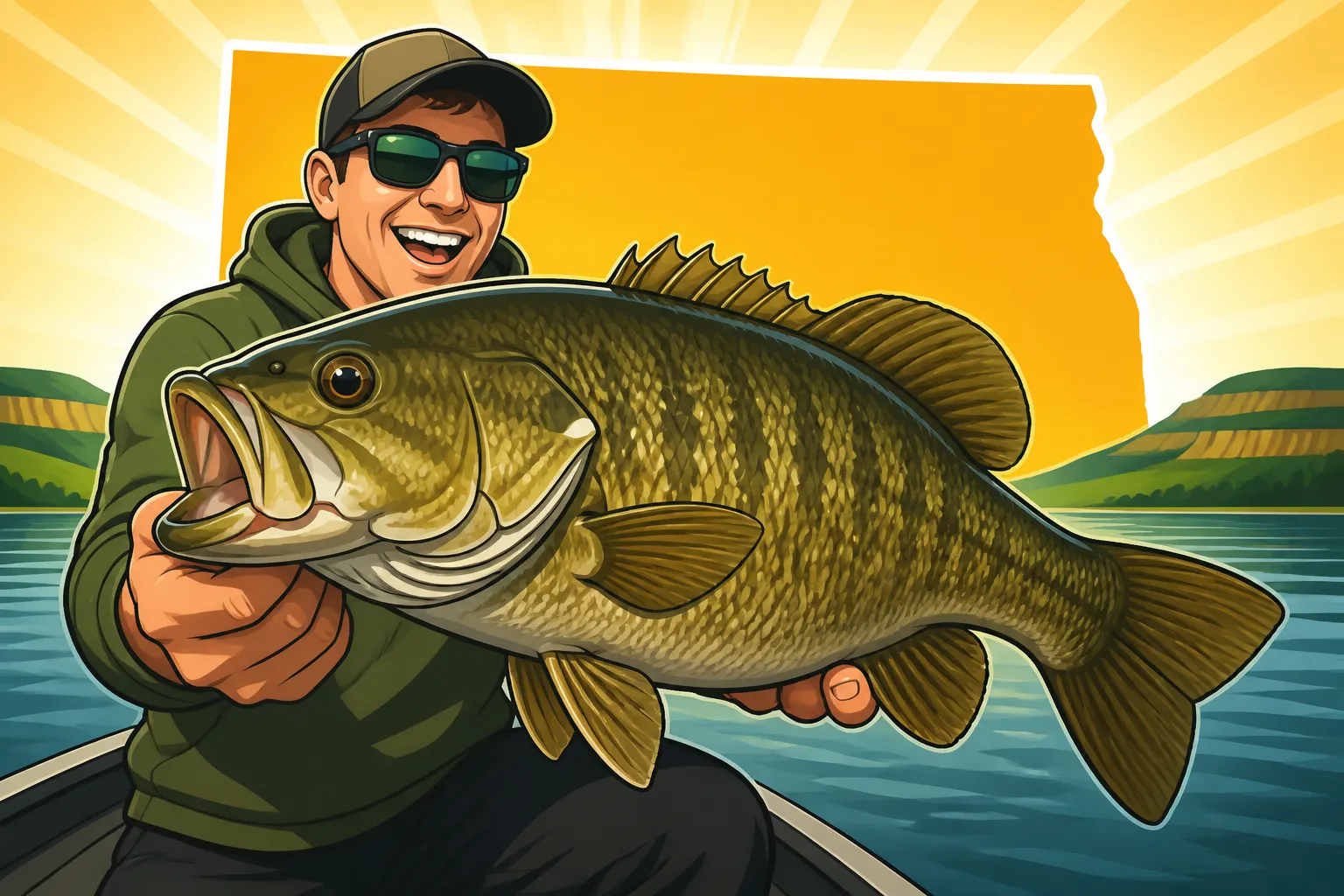
The current North Dakota state record smallmouth bass is a remarkable catch, weighing in at an impressive 6 pounds, 2 ounces. This magnificent specimen was pulled from the waters of Lake Sakakawea, a massive reservoir that consistently produces trophy-sized fish across various species. Imagine the thrill of hooking into a fish of that caliber! The battle must have been epic, and the memory, priceless. It really sets the bar for what’s possible when you hit the waters here, reminding us all that those lunker smallmouth are indeed out there, swimming in our very own lakes.
It’s easy to look at a record like that and think it's pure luck, but often, record-setting catches are the culmination of dedication, knowledge, and persistent effort. Anglers who consistently target trophy fish spend countless hours studying patterns, experimenting with baits, and meticulously mapping out prime locations. The 6-pound, 2-ounce record from Lake Sakakawea isn't just a number; it's a testament to the potential of North Dakota's fisheries and the skill of the angler who landed it. North Dakota Smallmouth Bass Fishing Guide covers more about what makes these waters so productive.
Why Smallmouth Are So Challenging and Rewarding
Smallmouth bass are often called "bronze warriors" for a reason. They're not just strong; they're incredibly intelligent and aggressive fighters. Unlike some fish that might give up after an initial run, a smallmouth will often jump, dive, and pull with all its might until it's right at the boat. This makes every hook-up an exhilarating experience, a true test of your angling skills and your gear.
Their challenge isn't just in the fight; it's in finding them. Smallmouth prefer clear, cool waters with rocky bottoms, submerged timber, and sharp drop-offs. They can be incredibly wary, especially the bigger ones, making precise lure presentation crucial. They often school up, but finding that school can be like searching for a needle in a haystack on expansive waters like Lake Sakakawea. When you finally locate them and entice a bite from a large smallmouth, the reward is immense – not just in the fish itself, but in the satisfaction of outsmarting such a formidable opponent. It's this combination of intelligence, power, and elusive nature that makes them such a prized game fish for so many.
Prime Smallmouth Bass Habitats in North Dakota
While the state record came from Lake Sakakawea, North Dakota offers several other fantastic smallmouth bass destinations, each with its own unique characteristics that appeal to these bronze beauties. Understanding where they thrive is the first step toward landing a trophy.
Lake Audubon: A Smallmouth Powerhouse
When it comes to consistent smallmouth action, especially for bigger fish, Lake Audubon often steals the spotlight. Nestled just south of Garrison Dam, it's connected to Lake Sakakawea but maintains its own distinct fishery. Lake Audubon is a smallmouth haven, boasting an abundance of rocky points, gravel bars, and clear water that these bass absolutely adore. The varied depths and structure provide perfect ambush points for smallmouth to hide and strike at passing baitfish.
Many anglers find that focusing on the rocky shores, underwater humps, and deep drop-offs of Lake Audubon can yield incredible results. Early mornings and evenings often see smallmouth cruising shallower water, while during the brighter, hotter parts of the day, they might retreat to deeper structure. Smallmouth Bass on Lake Audubon provides a deeper dive into fishing this particular body of water. The consistent presence of good forage, combined with ideal habitat, makes Lake Audubon a top-tier destination for anyone hoping to land a truly massive smallmouth.
Other Notable Smallmouth Waters
Beyond the giants like Lake Sakakawea and Lake Audubon, North Dakota has several other lakes and river stretches where you can find respectable smallmouth bass, and occasionally, a true lunker. These might not hold state record fish every year, but they offer exciting opportunities, often with less pressure than the big-name lakes.
- Missouri River System: Below Garrison Dam and through various stretches of the Missouri River, you'll find smallmouth bass thriving in the current. They gravitate towards eddies, current breaks, and rocky rip-rap along the banks. Fishing these moving waters requires slightly different techniques than still lakes, often involving heavier jigs or crankbaits to get down to the fish.
- Lake Oahe: As a continuation of the Missouri River system, the North Dakota portion of Lake Oahe also holds smallmouth. Similar to Sakakawea, this large reservoir has vast areas of rocky structure and submerged timber where smallmouth can grow to impressive sizes.
- Smaller Lakes and Ponds: Don't overlook some of the state's smaller, lesser-known lakes, particularly those with good water clarity and rocky habitat. While they might not produce 6-pounders, they can offer fantastic action for solid 2-4 pound smallmouth, which are still incredibly fun to catch. Exploring these local gems can sometimes lead to surprising finds and unpressured fish. Remember to always check local regulations, as rules can vary between water bodies. The Smallmouth Bass Habitat in North Dakota guide offers a broader look at where these fish like to hang out across the state.
Here’s a quick overview of some prime smallmouth bass locations and their characteristics:
| Water Body | Key Features | Typical Smallmouth Size Range | Record Potential |
|---|---|---|---|
| Lake Sakakawea | Massive, deep, diverse structure, rocky points | 2-5 lbs, occasionally larger | High |
| Lake Audubon | Clear water, rocky humps, gravel bars, connected to Sakakawea | 2-4 lbs, consistent 5+ lbs | High |
| Missouri River | Current breaks, rip-rap, eddies, diverse forage | 1-3 lbs, good numbers | Moderate |
| Lake Oahe | Similar to Sakakawea, rocky structure, timber | 2-4 lbs, occasional larger | High |
| Turtle Mountain Lakes | Clear, cool, rocky bottom, often smaller but feisty | 1-3 lbs | Low-Moderate |
Tactics for Targeting Trophy Smallmouth
Catching a truly massive smallmouth bass requires more than just luck; it demands a thoughtful approach to lure selection, seasonal understanding, and meticulous presentation. These fish are apex predators in their environment, and the bigger they are, the smarter they tend to be.
Lure and Bait Selection
When it comes to enticing a trophy smallmouth, having the right arsenal of baits is crucial. Smallmouth are opportunistic feeders, but they can also be particular.
- Crankbaits: Diving crankbaits that imitate baitfish are incredibly effective, especially when trolled or retrieved along rocky drop-offs. Colors that mimic local forage like perch, shad, or crawfish are often best. Brands like Rapala and Strike King offer a wide variety that can be found on platforms like Amazon.
- Jigs and Soft Plastics: Grubs, tubes, and creature baits rigged on jig heads are deadly, particularly when fished slowly along the bottom or jigged vertically over structure. Green pumpkin, watermelon, and brown/orange crawfish patterns are perennial favorites. The subtle action of a plastic tube falling through the water column can be irresistible to a big smallmouth. Look for quality soft plastics from companies like Z-Man or Gary Yamamoto on Amazon to ensure you have durable and effective options.
- Topwater Lures: During low light conditions (dawn, dusk) or overcast days, topwater poppers, walk-the-dog baits, and prop baits can trigger explosive strikes. Seeing a big smallmouth blow up on a topwater lure is one of the most exciting experiences in fishing!
- Live Bait: Minnows, leeches, and especially crawfish are natural smallmouth prey and can be incredibly effective when artificial lures aren't cutting it. Fishing them on a simple slip-sinker rig or under a bobber can be very productive. Best Bait for North Dakota Fishing offers a more general look at bait options.
Don't be afraid to experiment with size. Sometimes, a larger lure is exactly what it takes to catch a larger fish, as bigger bass are often looking for a more substantial meal to expend energy on.
Seasonal Strategies for Big Bass
Smallmouth bass behavior changes dramatically with the seasons, and tailoring your approach can make all the difference in catching trophy fish.
- Spring (Ice-Out to Spawning): As the ice retreats and water temperatures rise, smallmouth move shallower, often holding near northern-facing rocky banks or shallow gravel areas that warm up fastest. They are hungry after winter and eager to feed. Pre-spawn smallmouth are often aggressive and can be caught on crankbaits, jerkbaits, and jigs. As water temps hit the mid-50s, they'll start moving to spawning beds, usually in shallower, protected areas with gravel. During this time, they become very protective, and while catchable, it's often best practice to release them quickly to ensure successful spawning.
- Summer: During the heat of summer, smallmouth will often retreat to deeper, cooler waters, concentrating around main lake points, offshore humps, and deep rock piles. Look for them on the ledges and breaks, using your electronics to find structure and baitfish. Drop-shotting, deep crankbaits, and heavy jigs become primary tools. Early morning and late evening can still provide shallow water opportunities when they move up to feed. Best Time of Year to Fish in North Dakota can help guide you further.
- Fall: This is a prime time for trophy smallmouth! As water temperatures begin to cool, smallmouth go on a feeding frenzy, packing on weight for the upcoming winter. They'll often move back shallower, cruising rocky points and flats adjacent to deeper water. Spinnerbaits, crankbaits, and large jigs are excellent choices. They are often less pressured than walleye at this time of year, offering a fantastic opportunity for anglers.
Mastering Presentation and Retrieve
Even with the perfect lure, presentation is paramount when targeting wary, large smallmouth. These fish are intelligent and have seen it all.
- Subtlety is Key: Sometimes, the slightest twitch or pause is what triggers a strike. Experiment with retrieve speeds and actions. For jigs and soft plastics, a slow, methodical drag-and-pause or a gentle hop can be incredibly effective. Don't be afraid to let your lure sit motionless for a few seconds; a curious smallmouth will often investigate and then strike.
- Reading the Water: Pay close attention to current, wind, and water clarity. Smallmouth often position themselves to ambush prey, so casting to the upcurrent side of a rock or the windy side of a point can put your lure right in their strike zone. Fishing in North Dakota's Windy Conditions can give you more insights here. If the water is crystal clear, you might need longer leaders or fluorocarbon line to reduce visibility.
- Precision Casting: Big smallmouth aren't often found in random places. They relate to specific structures: the tip of a submerged point, a lone boulder, or a transition line. Accurate casting that puts your lure exactly where you think the fish are holding will significantly increase your chances. This means practicing your casts and being able to hit targets with consistency, even in windy conditions. Consider investing in a quality Best Fishing Rods for North Dakota Anglers to improve your casting accuracy and feel.
By combining the right gear, understanding seasonal patterns, and perfecting your presentation, you'll dramatically increase your odds of connecting with a true North Dakota trophy smallmouth bass.
The Thrill of the Chase: Beyond the Record
While landing a state record is an incredible feat, the joy of smallmouth bass fishing extends far beyond the numbers on a scale. It's about the entire experience, the challenge, and the connection to nature.
Conservation and Catch & Release
When you're targeting big, mature smallmouth, practicing responsible catch and release is absolutely vital for sustaining the fishery. These larger fish are the prime breeders, contributing significantly to future generations of smallmouth bass. Landing a trophy fish should always come with the understanding that its release ensures more exciting battles for yourself and other anglers down the line.
When releasing fish, minimize handling time, keep the fish in the water as much as possible, and use proper de-hooking tools. If you plan to weigh and measure, have your scale and measuring board ready beforehand to expedite the process. A quick photo, a gentle release, and watching that powerful fish swim away is often more rewarding than keeping it. Many anglers even pinch down the barbs on their hooks to make de-hooking faster and less stressful for the fish. This commitment to conservation helps ensure that North Dakota’s smallmouth populations remain robust and healthy for years to come.
Documenting Your Catch Even if Not a Record
Even if your catch isn't quite state record material, every big smallmouth is a personal triumph worth celebrating. Capturing that moment can be done in several ways, creating lasting memories and allowing you to share your success.
- Photographs: A good photo is worth a thousand words. Get a clear, well-lit picture of you and your fish, showing off its size and beauty. Hold the fish horizontally with two hands to support its weight evenly, or even better, take a photo of the fish while it's still in the water, just before release. Avoid holding large fish vertically by the jaw, as this can cause damage.
- Measurements: Carry a flexible measuring tape or a bump board to accurately record the fish's length and girth. These numbers are just as impressive as weight, especially for a slender but long smallmouth.
- Journaling: Keeping a fishing journal can be incredibly helpful for tracking patterns. Note the date, time, weather conditions, water temperature, location, lure used, and any other details about your catch. Over time, you'll start to see trends that can help you become an even more successful angler. This kind of data can be invaluable for understanding the Seasonal Fish Movement Patterns in North Dakota Lakes for various species, including smallmouth.
- Sharing Your Story: Whether it's with friends, family, or online communities, sharing your fishing stories and photos adds to the camaraderie of the angling world. There’s nothing quite like reliving the excitement of a hard-fought battle with a big smallmouth bass.
The pursuit of the biggest smallmouth bass in North Dakota is a journey filled with learning, challenge, and immense satisfaction. By understanding their habitats, refining your techniques, and embracing conservation, you're not just chasing a record; you're becoming a more skilled and responsible angler, enjoying every moment of the thrilling chase.
Disclaimer
This article is for general informational purposes only and does not constitute professional advice. Laws, prices and regulations vary by location and change over time. Consult a qualified professional for guidance on your specific situation.