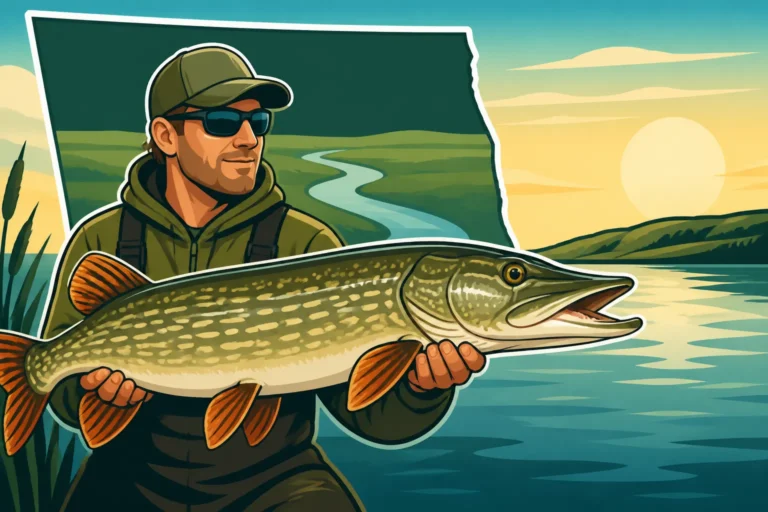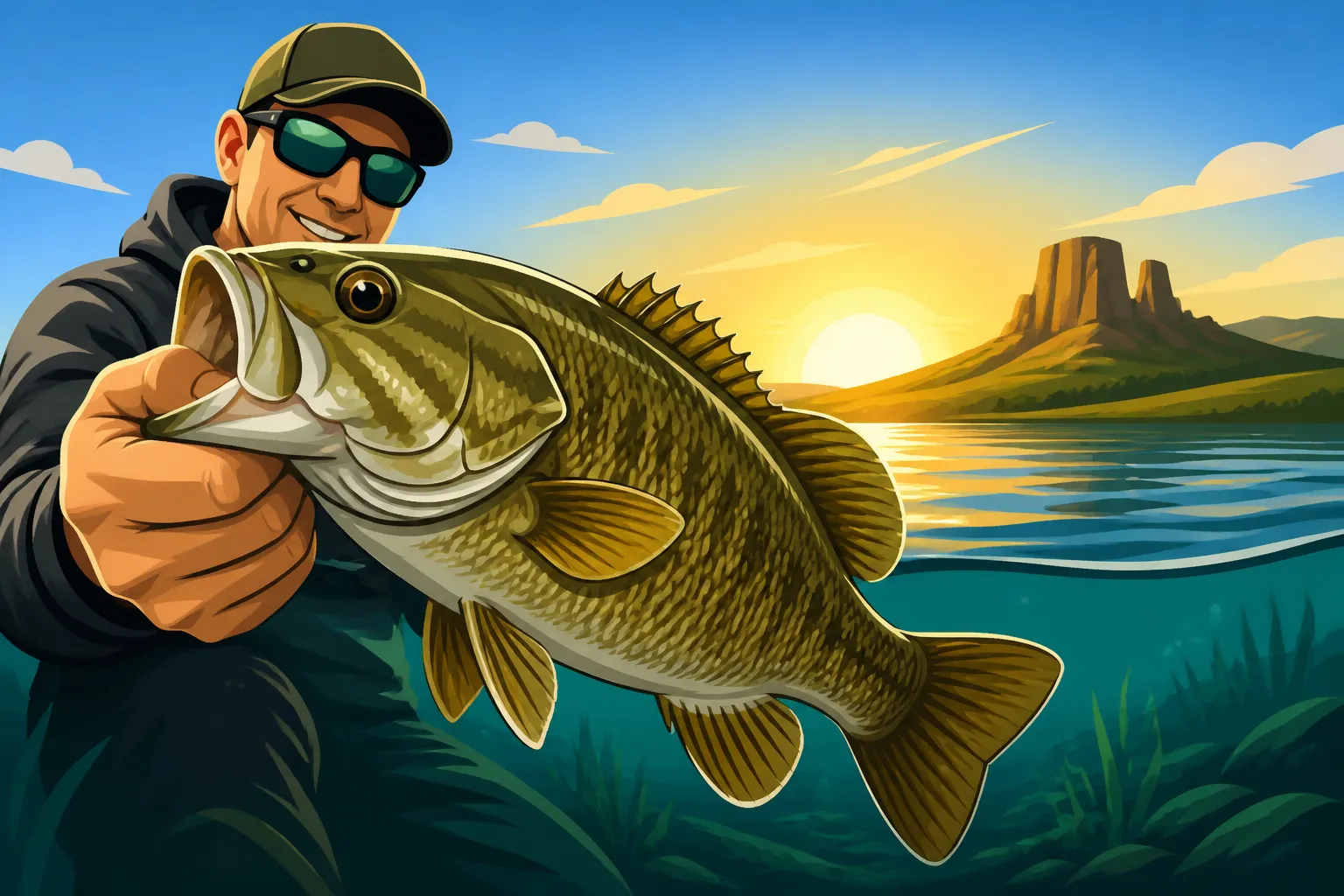
Smallmouth Bass on Lake Audubon
Anyone who's ever tried to target smallmouth bass knows they're feisty, fun, and can be elusive if you don't understand their habits. On a lake as diverse and popular as Lake Audubon, finding these bronze beauties can feel like a quest, especially when you're not sure where they hide or what they're biting on. This comprehensive guide will help you understand the unique smallmouth bass fishery in Lake Audubon, offering insights into their behavior, the best spots to find them, and proven techniques to get them on your line.
Understanding Lake Audubon's Unique Smallmouth Bass Fishery
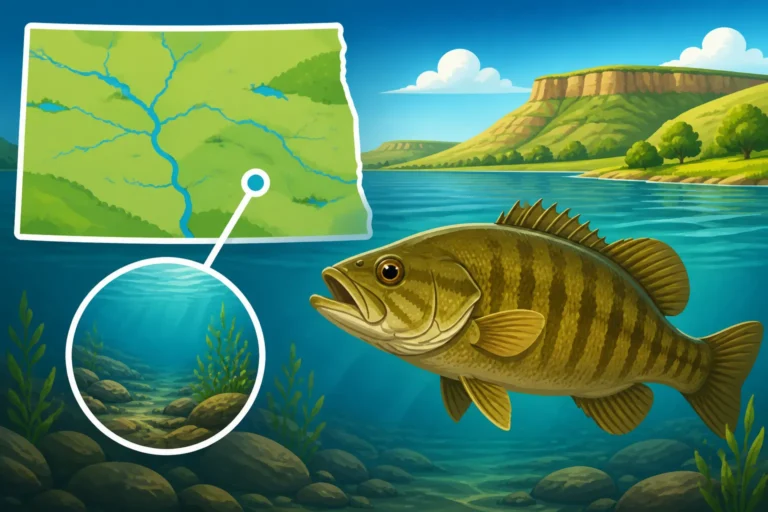
Lake Audubon, a large reservoir formed by the Audubon Dam on the Sheyenne River, is a gem in North Dakota's fishing landscape, particularly for smallmouth bass. Unlike some of the other lakes in the state, Audubon offers a diverse range of habitats that these hard-fighting fish absolutely thrive in, making it a prime destination for anglers specifically targeting smallmouth. It's not just about the size of the lake; it's about the structure, the forage base, and the overall aquatic environment that conspires to create a fantastic smallmouth fishery.
The Habitat That Holds Smallmouth
Smallmouth bass are truly creatures of structure, and Lake Audubon delivers this in spades. They love rocky areas, submerged timber, humps, points, and sudden depth changes. Think about those areas where the lake bottom isn't just a flat, featureless plain. The reservoir's diverse shoreline, with its rocky bluffs, rip-rap along causeways, and scattered rocky reefs, provides ample hiding and ambush points for smallmouth. You'll often find them lurking around these formations, waiting for an unsuspecting minnow or crayfish to swim by. This preference for structure is key to understanding where to focus your efforts.
Beyond the visible structure, Lake Audubon also boasts submerged features that are crucial. Old creek beds, flooded timber (though less prevalent than in some other reservoirs), and man-made structures provide additional cover. Water clarity also plays a role; while smallmouth can tolerate a bit of murkiness, they generally prefer clearer water where they can use their keen eyesight to hunt. The diverse habitat helps contribute to the Smallmouth Bass Habitat in North Dakota success stories.
Forage Base Fueling the Fight
A strong smallmouth fishery isn't just about good cover; it's about a robust food source. On Lake Audubon, smallmouth bass have a smorgasbord of options that keep them healthy and aggressive. Their diet primarily consists of crayfish, minnows, shiners, and sometimes even smaller panfish. The abundance of these prey items means the smallmouth grow quickly and are well-fed, translating to powerful fights when you hook into one.
The presence of specific baitfish populations like various shiners or juvenile perch can dictate where the smallmouth congregate. Understanding what the smallmouth are feeding on at a given time of year can be a game-changer. For example, if the crayfish are active and shallow, the bass will likely be too. If the baitfish are schooled up in open water, the bass might follow suit, making trolling or searching with electronics more effective. It's a dynamic ecosystem where the predator-prey relationship constantly influences fish location.
Identifying Lake Audubon Smallmouth Bass and Their Behavior
Knowing you're targeting smallmouth is one thing, but truly understanding their characteristics and typical behavior on a specific body of water like Lake Audubon can elevate your angling success. These aren't just any bass; they have distinct patterns and preferences that, once learned, can be highly predictable.
Physical Characteristics and Size Expectations
Smallmouth bass are often mistaken for largemouth bass by novice anglers, but there are some clear distinctions. Smallmouth typically have a bronze to golden-brown coloration, sometimes with vertical bars or blotches along their sides, giving them their "bronze back" nickname. Their jawline is a critical identifier: when their mouth is closed, the upper jaw doesn't extend beyond the rear edge of the eye. Contrast this with a largemouth, whose jaw extends well past the eye. They also have a more streamlined, torpedo-shaped body compared to the bulkier largemouth.
On Lake Audubon, while you might not find the gargantuan smallmouth seen in some southern lakes, you can certainly expect respectable fish. Many anglers consistently pull in smallmouth in the 1 to 3-pound range, with fish pushing 4-5 pounds being a truly excellent catch. These are hard-fighting fish for their size, known for their acrobatic jumps and strong runs, which makes them such a thrill to catch. If you're curious about the general size of these fish, you might want to read up on Lake Audubon Smallmouth Bass Average Size.
Typical Smallmouth Behavior and Seasonal Movements
Smallmouth bass behavior on Lake Audubon is heavily influenced by water temperature and the availability of food and cover. In early spring, as ice retreats and water temperatures start to climb into the 40s and 50s, smallmouth will begin to move from their deeper wintering holes towards shallower, sun-warmed rocky areas. They'll feed aggressively in preparation for spawning, making this a prime time to target them. Look for transition areas, rocky points, and shallow flats near deeper water.
Once spawning concludes (typically late spring/early summer when water temperatures hit the mid-60s), they might linger around those same areas for a bit, recovering from the spawn. As summer progresses and water temperatures rise into the 70s, they often move to deeper offshore structure—rock piles, humps, and ledges—where the water is cooler and oxygen levels are more stable. Fall sees them return to shallower feeding grounds as water temperatures cool, often gorging themselves before winter, making for another fantastic fishing period. Understanding these seasonal shifts is crucial for consistent success. You can always check the North Dakota Fishing Season Calendar for general timing.
Top Techniques and Lures for Lake Audubon Smallmouth
When it comes to smallmouth bass, versatility is your best friend. These fish can be finicky one day and aggressive the next, so having a range of techniques and lures at your disposal is key. On Lake Audubon, certain presentations consistently out-perform others due to the lake's specific characteristics and the bass's preferred forage.
Mastering the Art of Jigging and Soft Plastics
Jigging is arguably one of the most effective ways to catch smallmouth on Lake Audubon, especially when they are holding to deeper structure or when the bite is tough. A simple jighead paired with a soft plastic grub, tube, or creature bait can be deadly. The key is to impart a natural, lifelike action that mimics a wounded baitfish or a scuttling crayfish. Experiment with retrieve speeds – sometimes a slow drag works best, other times a sharp hop and fall. For deeper presentations, heavier jig heads ensure your bait gets to the strike zone quickly.
Colors matter too. Natural tones like green pumpkin, brown, and watermelon are excellent choices for clear water, especially when mimicking crayfish. In slightly stained water, or on cloudy days, something with a bit of chartreuse or orange can sometimes trigger more bites. Don't be afraid to experiment with scented soft plastics either, which can provide an extra edge, especially if the fish are hesitant. Many anglers find their go-to smallmouth jigs on platforms like Amazon, stocking up on various weights and colors.
Crankbaits and Jerkbaits for Aggressive Bites
When smallmouth are actively feeding and somewhat scattered, covering water with crankbaits and jerkbaits can be incredibly productive. Shallow-diving crankbaits work well in spring and fall around rocky points and flats, while deeper-diving models shine in summer over offshore humps and ledges. Look for crankbaits that mimic the local baitfish in color and profile. Natural perch, shad, or crawfish patterns are always a good starting point.
Jerkbaits are phenomenal for smallmouth, particularly in cooler water or when the fish are suspended. Their erratic, darting action, followed by a pause, can drive smallmouth crazy. A long cast, followed by a series of sharp jerks and extended pauses, can often elicit violent strikes. Again, baitfish patterns are typically the most effective. Having a quality spinning reel and a medium-light rod, which you can find on Amazon, will greatly aid in casting these baits and detecting subtle bites. Learning Best Lures for Smallmouth Bass in North Dakota will definitely pay off here.
Topwater and Spinnerbaits for Exciting Action
For sheer excitement, nothing beats a topwater strike from a smallmouth bass. In low-light conditions (early morning, late evening, or overcast days) or when smallmouth are shallow and aggressive, topwater lures like poppers, walking baits, and prop baits can be incredibly effective. The visual strike is exhilarating, and often the biggest smallmouth will come up to smash a topwater. Focus on calm water areas around rocky cover or weed lines.
Spinnerbaits and chatterbaits are also excellent search baits, especially when you're trying to locate active fish. The flash and vibration can draw smallmouth from a distance, making them great for covering a lot of water quickly. They're particularly effective around submerged vegetation, sparse timber, or rocky shorelines. Chartreuse, white, and various greens are common productive colors. These lures are a staple in many tackle boxes and can be easily found on retailers like Amazon.
Seasonal Smallmouth Bass Patterns on Lake Audubon
Understanding the general seasonal behavior of smallmouth bass is one thing, but pinpointing their specific movements and preferences on Lake Audubon through the year can significantly boost your success. Each season presents unique challenges and opportunities.
Spring Aggression and Spawning Rituals
Spring is a time of renewed activity for smallmouth bass on Lake Audubon. As the ice recedes and water temperatures begin their slow ascent, smallmouth will shake off their winter lethargy and start moving shallower. This pre-spawn period, when water temperatures are in the 40s to low 50s, sees them feeding heavily to build energy for the upcoming spawn. They'll typically be found on secondary points, rocky flats, and protected coves that warm up quickly. This is an excellent time for jerkbaits, small crankbaits, and even slow-rolled spinnerbaits.
As water temperatures creep into the mid-50s to low 60s, the smallmouth begin their spawning rituals. They'll seek out shallow, gravelly or rocky bottoms in protected bays and coves to build nests. During this period, while they may not be actively feeding, they become highly protective of their beds. Sight fishing for bedding bass can be a challenging but rewarding experience. After the spawn, they'll often stay in these shallower areas for a short recovery period, still relatively easy to target with jigs and soft plastics before moving out. This aggressive period is one of the Best Time of Year to Fish in North Dakota for smallmouth.
Summer Deep Water Relocation and Structure Fishing
Once Lake Audubon fully warms up in the summer (water temperatures consistently in the high 60s and 70s), smallmouth bass often vacate the very shallow areas, seeking out cooler, more oxygenated water. This means focusing your efforts on deeper offshore structure. Think rock piles, submerged humps, deep ledges, and prominent points that drop off into deeper water. This is when your electronics become invaluable for locating these key features and the fish holding to them.
Vertical jigging with heavier jigs and soft plastics, drop-shotting, and deep-diving crankbaits are prime techniques for summer smallmouth. Trolling can also be effective for covering large areas of offshore structure. Pay close attention to current seams if any exist, as these can concentrate baitfish and, consequently, smallmouth. Early mornings and late evenings might see some smallmouth venturing into shallower feeding flats, but for most of the day, they'll be holding tight to that deeper cover. Don't forget that many anglers also target Lake Sakakawea Smallmouth Bass Fishing during this season.
Fall Feeding Frenzy and Wintering Holes
As autumn arrives and Lake Audubon's water temperatures begin to cool, smallmouth bass enter another aggressive feeding phase. This is their opportunity to gorge themselves, building up fat reserves for the long winter ahead. They'll often move back towards shallower rocky points, main lake humps, and even deeper weed lines, shadowing baitfish that are also making their seasonal movements. Fall can be one of the best times to catch trophy-sized smallmouth, as they are often at their heaviest and most active.
Crankbaits, jerkbaits, and spinnerbaits are excellent choices for covering water and finding these active fall fish. Jigging spoons and blade baits can also be incredibly effective when smallmouth are schooled up on deeper structure. As the water gets colder, their movements become slower, and they eventually transition to their deep wintering holes. These are typically the deepest, most stable areas of the lake, often sheltered from current, where they will congregate in large schools until spring arrives again.
Responsible Angling and Conservation on Lake Audubon
While the thrill of catching a feisty smallmouth bass on Lake Audubon is undeniable, it's equally important to practice responsible angling. Maintaining a healthy fishery for future generations means understanding and adhering to regulations, and adopting ethical practices that minimize stress on the fish. This isn't just about following rules; it's about respecting the resource.
Understanding and Following North Dakota Regulations
The North Dakota Game and Fish Department (NDGFD) sets specific regulations to protect fish populations, including smallmouth bass, on all state waters. These regulations can include length limits, daily creel limits (how many fish you can keep per day), and possession limits (how many fish you can have in your possession at any given time). These limits are designed to ensure that enough fish survive to reproduce, maintaining a healthy population structure.
It's your responsibility as an angler to be familiar with the current North Dakota Fishing Regulations Explained. These regulations can change, so always check the latest proclamation before heading out. Ignoring these rules not only risks fines and penalties, such as those detailed in Penalties for Fishing Without a License in North Dakota, but also negatively impacts the very fishery you enjoy. Taking only what you need and releasing the rest, especially larger breeding fish, is a practice that benefits everyone.
| Regulation Aspect | General Guideline (Always Check Current NDGFD) | Why It Matters for Smallmouth Bass |
|---|---|---|
| Length Limits | Often a slot limit (e.g., 14-18 inch protected) | Protects breeding-size fish, allows smaller ones to grow. |
| Daily Creel Limit | Typically a specific number per angler (e.g., 3-5) | Prevents overharvesting, ensures sustainable population. |
| Possession Limit | Usually one or two daily limits | Prevents stockpiling, encourages selective harvesting. |
| Bait Restrictions | Certain baits may be prohibited in specific waters | Prevents introduction of invasive species or disease. |
| Line Limits | Number of lines an angler can use (e.g., 2) | Manages angler impact and fairness. |
Catch and Release Best Practices
Many smallmouth bass anglers are passionate about catch and release, especially for the larger, older fish that are vital for reproduction. If you plan to release fish, proper handling is paramount to ensure their survival. Minimize the time the fish is out of the water. Use barbless hooks or crimp down the barbs on your hooks to make removal easier and reduce tissue damage.
When handling a smallmouth, support its body horizontally, avoiding hanging it vertically by the jaw, which can damage internal organs. Wet your hands before touching the fish to protect its slime coat, which is its primary defense against disease. Use a good pair of pliers or a hook remover to quickly extract hooks, especially if they're deeply embedded. If a fish is bleeding heavily from the gills, it's unlikely to survive, and it's often more humane to keep it if legal. Investing in quality tools, available on Amazon, like long-nosed pliers and knotless rubberized landing nets, can make a huge difference in fish survival.
Protecting Lake Audubon's Environment
Beyond the fish themselves, responsible angling extends to protecting the entire aquatic environment of Lake Audubon. This means practicing "Leave No Trace" principles. Pack out everything you pack in, and perhaps even a little extra litter you find. Avoid discarding fishing line, which can entangle wildlife. Dispose of live bait properly – never release unused bait into the lake, as it could introduce non-native species or diseases.
Be mindful of aquatic invasive species (AIS). Always "Clean, Drain, Dry" your boat, trailer, and fishing gear after every outing, especially when moving between different bodies of water. This simple practice helps prevent the spread of harmful invaders like zebra mussels or Eurasian watermilfoil, which can devastate a fishery. By being a thoughtful steward of the environment, you ensure that Lake Audubon remains a vibrant fishery for years to come.
Accessing Lake Audubon for Smallmouth Bass
Lake Audubon is a large body of water, and knowing where to launch your boat or find good shore access can make a big difference in your smallmouth bass fishing experience. While it's part of the Garrison Diversion Unit, its vastness offers numerous access points, each with its own advantages.
Boat Ramps and Launch Sites
For most smallmouth bass anglers on Lake Audubon, a boat is almost essential for reaching the best spots. The lake features several well-maintained boat ramps managed by various entities, including the North Dakota Game and Fish Department and local parks. Key access points are typically found around the lake's perimeter, providing access to different sections.
Popular spots often include ramps near the Audubon Dam itself, as well as various county and park-managed sites along the eastern and western shores. These ramps usually have ample parking for trailers and paved surfaces. Before you head out, it's a good idea to check the current water levels and ramp conditions, especially during periods of drought or heavy rain, as some ramps can become unusable. Always ensure your boat registration is up-to-date and that you understand North Dakota Boat Registration Requirements.
Shore Fishing Opportunities
While a boat offers the most flexibility, not every angler has one, or perhaps you just prefer to cast from solid ground. Lake Audubon does offer some decent shore fishing opportunities for smallmouth bass, particularly in areas with public access and rocky shorelines. The rip-rap areas along causeways or around certain recreational parks can be excellent spots, as these man-made structures mimic the natural rocky habitat smallmouth love.
Look for areas where roads or paths run close to the water's edge, offering easy access to deeper water or significant structure. Public fishing piers, if available, can also provide access to productive smallmouth habitat without the need for a boat. However, be prepared to walk a bit to find less pressured spots, and always be respectful of private property boundaries. For those who prefer to explore from shore, packing a lightweight spinning combo and a small tackle box (easily found on Amazon) with jigs, small crankbaits, and soft plastics will set you up for success.
Kayak and Canoe Angling
For those who want to get onto the water without the expense or maintenance of a full-sized boat, kayaks and canoes are fantastic options for targeting smallmouth on Lake Audubon. They offer stealth, allowing you to get into shallower, quieter coves and along rocky shorelines without spooking fish. This can be especially effective for covering smaller, more intricate pieces of structure that larger boats might struggle to access.
While Lake Audubon can get windy, making kayak fishing challenging on open water, there are many protected bays and arms where kayaks thrive. Always check the weather forecast before heading out, wear your life jacket, and consider a small anchor to hold your position over promising structure. Kayaks are also excellent for exploring areas where North Dakota Boat Registration Fees by Size might be a concern for larger vessels. Many specialized fishing kayaks come equipped with rod holders and storage, and you can find a great selection of Best Kayaks for North Dakota Fishing on the market.
Essential Gear for Smallmouth Bass Fishing on Lake Audubon
Having the right gear can transform your smallmouth bass fishing experience from frustrating to fantastic. While you don't need to break the bank, investing in a few key items tailored to smallmouth and Lake Audubon's conditions will pay dividends.
Rods, Reels, and Line Choices
For smallmouth bass, a versatile rod and reel combo is crucial. A medium-light to medium power spinning rod, typically 6'6" to 7' in length, with a fast action tip is ideal. This combination offers enough backbone to fight hard-pulling fish and make long casts, while the sensitive tip allows for detecting subtle bites and working lighter lures. Pair this with a reliable spinning reel in the 2000-3000 size range, ensuring a smooth drag system is a must for those unexpected surges. If you're looking for a great all-around setup, checking out Best Fishing Rods for North Dakota Anglers can give you a starting point.
When it comes to line, a good all-around choice for smallmouth is 8 to 10-pound test fluorocarbon or braided line with a fluorocarbon leader. Fluorocarbon is nearly invisible underwater and offers excellent sensitivity. Braided line provides superior casting distance and strength, and its lack of stretch enhances sensitivity, which is vital for detecting those faint taps. If using braid, a 6-8 foot fluorocarbon leader will maintain invisibility at the business end.
Lure Selection and Tackle Organization
As discussed earlier, a diverse array of lures is essential. For Lake Audubon smallmouth, your tackle box should include:
- Jigs and Soft Plastics: 1/8 to 3/8 ounce jig heads paired with 3-4 inch grubs, tubes, and creature baits in natural and some brighter colors.
- Crankbaits: Shallow to medium-diving crankbaits in crawfish, perch, and shad patterns. Have a few deep-diving models for summer.
- Jerkbaits: Suspending jerkbaits in clear or baitfish patterns.
- Topwater Lures: Poppers and walking baits for low-light conditions.
- Spinnerbaits/Chatterbaits: 1/4 to 1/2 ounce in white, chartreuse, or green patterns.
- Drop Shot Rigs: Small finesse worms or minnow imitations for tougher bites.
Keeping your tackle organized will save you time and frustration on the water. A good tackle box with adjustable compartments is invaluable. You can find a vast selection of these on Amazon, ensuring your jigs, crankbaits, and soft plastics are neatly separated and ready for action.
Electronics and Safety Gear
While not strictly necessary for every outing, a good fish finder can drastically improve your smallmouth bass success on Lake Audubon, especially when targeting deeper offshore structure. Side imaging and down imaging capabilities can help you locate those submerged rock piles, humps, and ledges where smallmouth love to hide. A reliable GPS unit (often integrated into modern fish finders) is also incredibly useful for marking productive spots and navigating large bodies of water. For a deeper dive into these tools, you might find Best Fish Finders for North Dakota Lakes to be a helpful read.
Beyond fishing-specific gear, safety should always be your top priority. Always carry a U.S. Coast Guard-approved life jacket for everyone on board, and wear it, especially if you're in a smaller craft like a kayak or canoe. Other essential safety items include a first-aid kit, whistle or air horn, paddle, bailing device, and navigation lights for low-light conditions. Being prepared for emergencies is just as important as being prepared to catch fish. For a broader overview, check out the Essential Gear Checklist for North Dakota Fishing.
Disclaimer
This article is for general informational purposes only and does not constitute professional advice. Laws, prices and regulations vary by location and change over time. Consult a qualified professional for guidance on your specific situation.