Smallmouth Bass Habitat in North Dakota
Finding smallmouth bass in North Dakota can sometimes feel like a treasure hunt, especially if you're used to fishing for walleye or pike in more predictable patterns. These bronze beauties have very specific preferences when it comes to where they like to hang out, and if you don't know what kind of underwater real estate they're looking for, you might just be casting into empty water. This comprehensive guide will dive deep into the ideal smallmouth bass habitat across North Dakota, helping you understand their preferences and pinpoint the most promising spots to find them.
What Are Smallmouth Bass Looking For? The Bronze Back's Ideal Home
Smallmouth bass aren't just any fish; they're finicky architects when it comes to their homes. Unlike some of their cousins who might be happy in a muddy ditch, smallmouth prefer a very particular kind of neighborhood. Understanding these core preferences is your first step to unlocking consistent success when targeting them in North Dakota's diverse waters. It's about thinking like a smallmouth, imagining what makes them feel safe, well-fed, and ready to thrive.
Rock and Rubble Structures
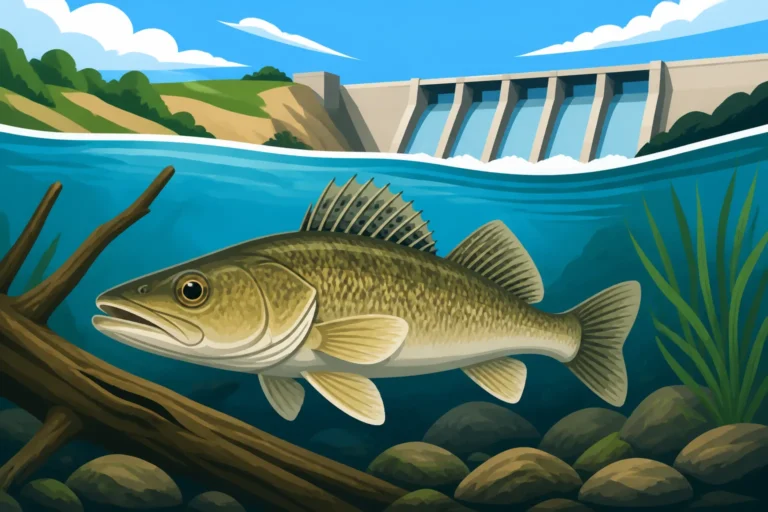
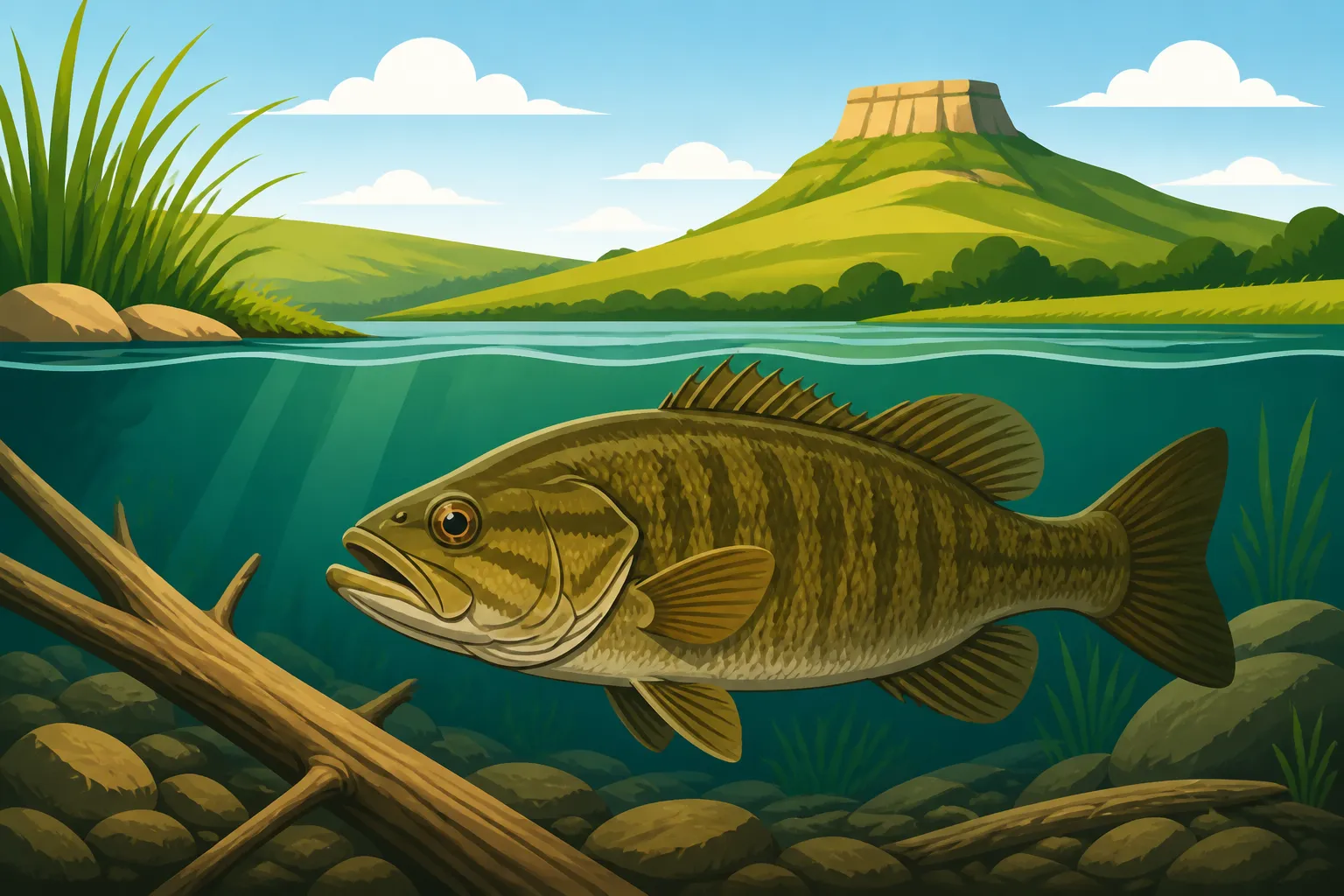
If you could sum up a smallmouth's dream home in one word, it would probably be "rocks." These fish absolutely adore rocky bottoms, submerged boulders, rip-rap along shorelines, and rocky points. Why the obsession with rocks? Well, these structures offer a fantastic combination of ambush points and protection. Smallmouth are aggressive predators, and a jagged rock pile provides countless nooks and cr crannies from which they can dart out and ambush unsuspecting baitfish or crayfish. Think about a stretch of the Missouri River or the sheer rock faces along Lake Sakakawea Fishing Guide for North Dakota Anglers; these aren't just pretty views, they're smallmouth paradises.
Beyond just cover, rocks also serve as important foraging grounds. Crayfish, a primary food source for smallmouth, live among the rocks, and various aquatic insects also call these areas home. Furthermore, rocks absorb and radiate heat, which can be crucial in cooler water temperatures, drawing baitfish and, consequently, the smallmouth in. It's a complex ecosystem right there under the surface, all centered around those hard, unyielding structures.
Clear, Flowing Water
Another non-negotiable for smallmouth bass is water clarity and, often, some degree of current. While they can adapt to slightly turbid conditions, smallmouth generally thrive in clearer waters where they can effectively use their keen eyesight to hunt. This is a predatory advantage, allowing them to spot prey from a distance and make accurate strikes. North Dakota has plenty of clear water opportunities, from the vast expanses of our large reservoirs to the moving currents of certain rivers.
The presence of current, even a gentle flow, is also often a key factor. Current delivers oxygen, washes food past waiting predators, and helps keep the water clean. In rivers, smallmouth will often orient themselves just out of the main flow, in current seams or eddies, conserving energy while waiting for food to drift by. On larger lakes, wind-driven currents can create similar food delivery systems, pushing baitfish and nutrients into specific areas that smallmouth will exploit. The cleaner the water and the more subtle current breaks you can find, the better your chances of encountering healthy smallmouth populations.
Forage and Cover
Ultimately, any good habitat comes down to two things for a fish: food and safety. Smallmouth bass are no different. Their ideal habitat is rich in forage, meaning plenty of their preferred meals like minnows, shiners, small perch, and especially crayfish. These food sources will typically be found in or around the rocky structures and clear water mentioned above. If there's an abundant food supply, smallmouth will establish territories and defend them.
Beyond food, cover is essential for both ambush predation and protection from larger predators, as well as from harsh environmental conditions. While rocks provide the primary form of cover, submerged timber, weed lines (especially sparse, hard-bottom weed lines), and even sharp drop-offs can serve a similar purpose. The best smallmouth spots are often a combination of these elements—a rocky point adjacent to a deep weed line, or a submerged timber pile nestled against a current seam. It's about finding that perfect blend where they can eat and hide without expending too much energy.
Key Habitat Types in North Dakota Waters
North Dakota might be known for its prairie landscapes, but beneath the surface, our lakes and rivers offer incredibly diverse habitats. For smallmouth bass, these different water bodies present unique living conditions, each with its own advantages and challenges. Knowing these distinct habitat types will allow you to tailor your approach and increase your chances of finding these hard-fighting fish.
Riverine Habitats: The Moving Water Advantage
When you think of river fishing for smallmouth, the Missouri River immediately comes to mind. This mighty waterway, particularly the stretches below the Garrison Dam and near towns like Bismarck, offers classic smallmouth habitat. Here, you'll find plenty of current, a diverse bottom composition of rock, gravel, and sand, and numerous current breaks where smallmouth can stage. They love the eddies behind large boulders, the slack water pockets next to wing dams, and the seams where faster water meets slower water. These are prime ambush points, and the constant flow brings a steady stream of food.
Beyond the main stem of the Missouri, several tributaries and smaller rivers can also hold smallmouth, especially if they maintain good clarity and rocky bottoms. These often go overlooked, offering a chance for a quieter fishing experience. Navigating these river systems often requires a smaller boat or even Fishing From a Kayak in North Dakota to effectively reach the prime spots. Always remember that current is your friend here, and understanding how smallmouth use it to their advantage is paramount.
Reservoir and Large Lake Habitats: Big Water, Big Bass
North Dakota's vast reservoirs, especially Lake Sakakawea and Lake Audubon, are arguably the crown jewels for smallmouth bass fishing in the state. These massive bodies of water, formed by the Missouri River system, boast miles of prime smallmouth habitat. Lake Sakakawea, with its immense size and countless bays, points, and rocky shorelines, is a textbook example. Here, smallmouth will relate heavily to rocky main lake points, submerged islands, rip-rap shorelines, and prominent breaks that drop into deeper water. The sheer scale means there's always new water to explore.
Lake Audubon, connected to Sakakawea via a canal, offers similar, if slightly more condensed, opportunities. Its clear water and rocky structures, particularly around the many islands and points, make it another fantastic smallmouth fishery. Anglers often find Smallmouth Bass on Lake Audubon to be a rewarding experience. These large lakes can be challenging due to their size and susceptibility to wind, but they hold the potential for truly trophy-sized smallmouth that thrive in these expansive, forage-rich environments.
Smaller Lakes and Ponds: Hidden Gems and Unique Structures
While less common for true trophy smallmouth, some of North Dakota's smaller, clearer lakes and even larger ponds can surprise you with healthy populations. These are often waters with natural rock features, old roadbeds, submerged bridge abutments, or other hard structures that provide the necessary habitat. In these smaller systems, smallmouth might also utilize submerged timber more extensively than in larger, rock-dominated reservoirs, as they seek out any available cover.
These smaller fisheries often offer excellent opportunities for shore fishing or wading, making them very accessible. Always check local regulations, as some smaller waters may have specific rules regarding species or catch limits. The key to finding smallmouth in these spots is still to look for those hard, irregular bottom features combined with good water clarity. Don't let their size fool you; some of these hidden gems can provide fantastic action, especially for those who prefer a less crowded fishing experience.
Specific North Dakota Lakes and Rivers Known for Smallmouth Habitat
Knowing the general types of habitat is one thing, but knowing where to find those specific habitats in North Dakota is the real game-changer. Our state boasts some phenomenal smallmouth fisheries, each with its own unique character and challenges. Let's explore some of the top destinations where you're most likely to encounter these aggressive, hard-fighting bass.
Lake Sakakawea's Rocky Shores
Lake Sakakawea isn't just big; it's a smallmouth paradise carved out of the prairie. With its immense shoreline, rocky points, numerous islands, and deep bays, it offers endless habitat. The smallmouth here thrive among the countless submerged rock piles, natural rip-rap banks, and rocky main lake points that stretch for miles. Areas where old creek beds or river channels meet these rocky structures are particularly potent. The sheer amount of structure means that even on a windy day, you can often find a protected bay with plenty of smallmouth holding cover.
Anglers often target the western and central portions of the lake for smallmouth, where the old river channel runs closer to shore and the bluffs are more pronounced, leading to more prevalent rock formations. When the water levels are up, even more new cover becomes available, flooding brush and trees that smallmouth will quickly move into. Look for areas with a mix of baseball-sized rocks and larger boulders, especially if they're near a significant depth change. Bringing a good electronics unit is key to identifying these crucial depth contours and hidden structures.
Missouri River's Currents and Structure
The Missouri River, particularly the stretches both above and below Lake Sakakawea, offers a different, yet equally productive, smallmouth experience. Upstream, you'll find more classic riverine habitat with defined current seams, sandbars, and rocky outcroppings. Downstream of the Garrison Dam, the cooler, oxygen-rich water creates an ideal environment. Here, smallmouth will relate strongly to current breaks provided by wing dams, bridge pilings, natural rock formations, and even subtle changes in the river bottom.
Fishing the Missouri River Fishing Guide for smallmouth often means targeting eddies and current seams. These are spots where the fast current slows down, creating a natural funnel for baitfish and a comfortable resting spot for smallmouth. Vertical jigging, casting crankbaits, or even drifting tubes and grubs can be incredibly effective here. You'll want to pay close attention to water depth and flow, as these factors dictate where the fish will position themselves. The sheer power of the Missouri can be intimidating, but it holds some truly impressive smallmouth.
Lake Audubon's Varied Depths
Lake Audubon, adjacent to Lake Sakakawea, is another fantastic smallmouth fishery that deserves your attention. While it shares some characteristics with its larger neighbor, Audubon often fishes a bit differently due to its unique structure. It features numerous islands, underwater humps, and a mix of rocky and softer bottom compositions. The smallmouth here are often found relating to these varied depths and structures, moving from shallow rock gardens in the spring to deeper breaks and humps in the summer.
Anglers targeting Smallmouth Bass on Lake Audubon will want to focus on the points and rocky shorelines around the islands. These areas often have steep drop-offs that provide both deep-water access and shallow feeding zones. The clear water of Lake Audubon makes visual fishing possible on calm days, allowing you to spot cruising fish or identify key structures. Like Sakakawea, wind can play a significant role here, pushing bait and creating current, so understanding wind direction and its impact on fish location is a huge advantage.
Smaller, Lesser-Known Gems
While the big names like Sakakawea, Audubon, and the Missouri River dominate the smallmouth conversation, North Dakota has several other smaller lakes and reservoirs that can offer fantastic, albeit often overlooked, smallmouth opportunities. These might include waters like Lake Metigoshe up in the Turtle Mountains, which offers clear water and rocky shorelines, or even some of the smaller impoundments with public access that feature good rock habitat.
These "hidden gems" often don't receive the same fishing pressure as the larger bodies of water, which can lead to more consistent action and less competition. However, finding them requires a bit more research and exploration. Checking the North Dakota Game and Fish Department's lake surveys and fishing reports can sometimes point you in the right direction. When exploring these smaller waters, remember the smallmouth's golden rules: look for clear water, hard bottoms (especially rocks), and available forage. A portable fish finder or even just a good pair of polarized sunglasses (available on platforms like Amazon) can be invaluable for scouting new spots.
Seasonal Habitat Changes and How They Affect Smallmouth
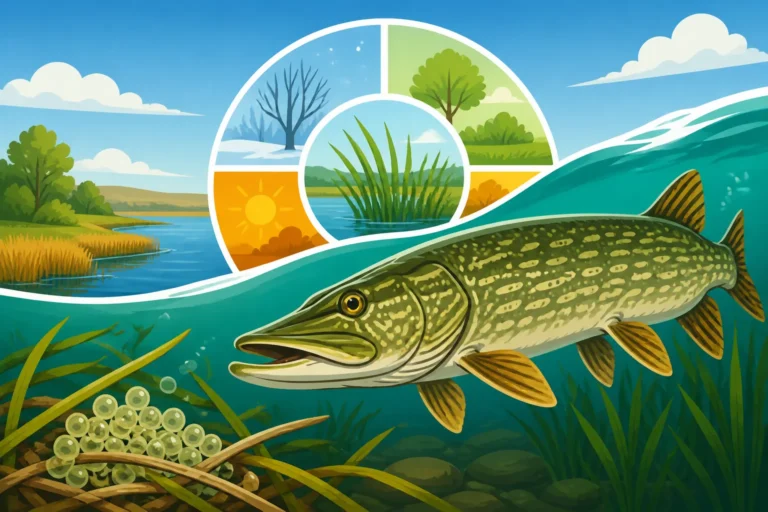
Just like we change our living habits throughout the year, smallmouth bass are constantly on the move, adapting their habitat preferences based on the seasons. Understanding these seasonal migrations and how they relate to water temperature, spawning cycles, and forage availability is absolutely crucial for consistent smallmouth success. Fishing the same spot year-round and expecting the same results is a surefire way to get frustrated.
Spring Spawning and Shallow Cover
As North Dakota shakes off winter's chill and water temperatures begin to climb into the 50s Fahrenheit, smallmouth bass start thinking about one thing: spawning. This means they'll migrate from their deeper wintering grounds to shallower, protected areas. Look for gravelly or rocky flats in bays, along protected shorelines, or on the tops of submerged humps where the water warms up faster. These areas need to be relatively calm, with enough hard bottom for the males to fan out nests.
During this pre-spawn and spawn period, smallmouth are often very aggressive, feeding heavily before and during the spawn. They'll relate to any available cover in these shallow areas, including rocks, sparse weeds, and even submerged timber, using them as staging points or protection for their nests. Post-spawn, the females will often drop back to slightly deeper water to recover, while the males stay shallow to guard the fry. Knowing When Does Walleye Season Open in North Dakota? can sometimes give you a hint of when other species are also getting active.
Summer Deep Water and Thermoclines
Once North Dakota's summer heat fully sets in and water temperatures soar into the 70s, smallmouth bass will often seek refuge in deeper, cooler water. In large reservoirs like Lake Sakakawea, this often means moving to offshore humps, deep rocky points, and breaks that drop into the thermocline (the layer where water temperature changes rapidly). They're not necessarily going to the deepest part of the lake, but rather to comfortable depths that offer both cooler temperatures and access to forage.
During this period, smallmouth might still make forays into shallower water during low-light conditions or when conditions are cloudy, but generally, you'll find them relating to deep structure during the day. This is where a good fish finder becomes indispensable, allowing you to locate these deeper humps and breaks. Trolling deep-diving crankbaits or vertically jigging can be very effective for targeting these deep-water smallmouth. Don't be afraid to experiment with different depths until you locate their comfort zone.
Fall Feeding Frenzy and Transitional Areas
As the days shorten and North Dakota's waters begin to cool again in the fall, smallmouth bass enter a "feeding frenzy." They know winter is coming, and they need to pack on the pounds. This is often one of the most exciting times to target them, as they become incredibly aggressive. They'll transition from their deep summer haunts back towards shallower and mid-depth areas, often moving between deep water and shallow feeding flats.
Look for smallmouth along rocky points that extend into deeper water, transition zones where hard bottom meets soft bottom, and areas where baitfish are congregating. They'll follow schools of minnows and shiners, often pushing them against structure. This time of year, both shallow and deep presentations can be effective, depending on the time of day and prevailing weather conditions. The key is to find those areas where they can quickly access both shallow feeding grounds and deeper escape routes.
Winter Deepwater Refuges
When the ice covers North Dakota's lakes and rivers, smallmouth bass retreat to their deepest wintering grounds. They become much less active, conserving energy in the cold water. While not typically a primary target for ice fishing in North Dakota (walleye and perch steal the show!), smallmouth can still be caught. They'll often be found near deep structures like submerged humps, steep breaks, or the deepest parts of river channels that still have good oxygen levels.
They might suspend over deep water or hug the bottom tight to structure. Presentations need to be subtle and slow, as their metabolism slows considerably. While you might not specifically target them through the ice, it's not uncommon to catch a smallmouth while jigging for walleye or perch over deep structure. This demonstrates their reliance on deep, stable habitat during the coldest months. If you're out there, remember How to Ice Fish in North Dakota safely!
Understanding Water Conditions and Their Impact on Smallmouth Habitat
Water conditions are dynamic. They change constantly based on weather, season, and even time of day. For smallmouth bass, these conditions aren't just background noise; they directly influence where the fish will live, how active they'll be, and what they'll be willing to eat. Being able to "read the water" and understand these impacts is a skill that separates average anglers from truly successful ones.
Water Clarity and Light Penetration
We've already touched on it, but water clarity is paramount for smallmouth bass. They are primarily sight feeders, meaning they rely heavily on their vision to locate and ambush prey. In North Dakota, many of our best smallmouth waters, like Lake Audubon, boast excellent clarity. This allows light to penetrate deeper, extending the photic zone where baitfish and crayfish thrive. When the water is clear, smallmouth are often found in slightly deeper water during bright conditions, or they'll tuck tight to cover.
Conversely, if the water becomes turbid after heavy rains or due to strong winds churning up the bottom, smallmouth can become more challenging to locate. They might move shallower to areas where light penetration is still adequate, or they might become more ambush-oriented, relying on sound and vibration rather than sight. In these conditions, brighter colored lures or those with more vibration can be more effective. Monitoring clarity is a crucial first step in any smallmouth outing.
Temperature Gradients and Oxygen Levels
Water temperature is perhaps the single most important factor influencing smallmouth behavior and habitat choice. Smallmouth bass thrive in a relatively specific temperature range, typically from the mid-50s to low 70s Fahrenheit. They will actively seek out water within their comfort zone. In summer, this means moving deeper to find cooler water, often relating to the thermocline. In spring and fall, they'll follow warming or cooling trends, moving shallower or deeper accordingly.
Oxygen levels are also critical, especially in deeper waters during summer. As water heats up, its ability to hold dissolved oxygen decreases. Below the thermocline in many lakes, oxygen levels can become depleted, creating "dead zones" where fish cannot survive. Smallmouth will always avoid these areas. Therefore, understanding temperature gradients and where the oxygen-rich water exists is key to locating active fish. This is another area where modern fish finders and their temperature gauges, many of which can be found on Amazon, become invaluable tools.
Current and Flow Dynamics
In river systems like the Missouri, current is a defining characteristic of smallmouth habitat. Even in large reservoirs, wind-driven currents can create similar effects. Smallmouth are expert at using current to their advantage: they'll position themselves just out of the main flow, in current breaks or eddies, conserving energy while waiting for food to be delivered to them. Think of a large boulder in a river – the smallmouth will often be on the downstream side, or slightly to the side, where the current is lessened but still swirling.
Understanding how different structures interact with the current is vital. A submerged hump might create an eddy on its downstream side, concentrating baitfish and attracting smallmouth. A bend in the river might create a deeper, slower channel on one side and a faster, shallower riffle on the other. Learning to read these subtle shifts in flow and relating them to structure will lead you directly to where smallmouth are holding. These dynamics are a constant puzzle, but solving it is incredibly rewarding.
Protecting and Enhancing Smallmouth Bass Habitat
As anglers, we have a responsibility to not only enjoy North Dakota's incredible fishing opportunities but also to protect and enhance the habitats that make them possible. Smallmouth bass are a valuable resource, and their continued health depends on our collective efforts to practice responsible angling and environmental stewardship.
Catch and Release Practices
While North Dakota has generous limits for many species, practicing catch and release, especially for larger smallmouth bass, is a fantastic way to ensure the sustainability of the fishery. These larger, older fish are often the most prolific spawners and contribute significantly to the genetic health of the population. Properly handling fish before release is also crucial. Minimize their time out of water, use de-hooking tools when necessary, and ensure they are revived before letting them go.
Consider carrying a proper landing net (many great options are available from fishing brands on Amazon) to minimize stress on the fish during landing. By returning those trophy-sized smallmouth to the water, you're not just ensuring future generations of anglers have a chance to catch them, but you're actively contributing to a robust and healthy ecosystem. It's a small act with a huge impact.
Aquatic Nuisance Species Prevention
North Dakota's waters are constantly under threat from aquatic nuisance species (ANS) like zebra mussels and Eurasian watermilfoil. These invasive species can drastically alter habitats, outcompete native forage, and ultimately degrade the quality of our fisheries. Smallmouth bass habitats, particularly those with hard bottoms, are especially vulnerable to colonization by zebra mussels.
It's every angler's duty to "Clean, Drain, Dry" their boats and gear after every outing. Aquatic Nuisance Species Rules for Boaters are in place for a reason – to protect our precious waters. Even something as simple as dumping leftover bait buckets into the lake can introduce unwanted organisms. Be diligent about inspecting your boat, trailer, waders, and fishing gear for any plant fragments or hitchhiking organisms before moving from one water body to another. Our smallmouth bass, and all our native fish, depend on it.
Shoreline Preservation and Restoration
The health of underwater habitat is often directly linked to the health of the shoreline. Eroding banks, excessive nutrient runoff from agricultural or urban areas, and the removal of natural vegetation can all negatively impact water quality and habitat structure. Shoreline vegetation provides critical erosion control, filters pollutants, and offers shade and cover for baitfish, which in turn benefits smallmouth.
Supporting efforts to restore degraded shorelines, volunteering for clean-up initiatives, or simply being mindful of your own impact when accessing the water can make a difference. Avoiding driving vehicles directly onto banks, using designated access points, and respecting private property can help preserve these vital transitional zones. Healthy shorelines lead to healthy waters, and healthy waters are the cornerstone of robust smallmouth bass populations in North Dakota. This holistic approach ensures that Best Places to Fish in North Dakota remain vibrant for years to come.
Table: Smallmouth Bass Seasonal Habitat Preferences
To give you a quick overview of how smallmouth bass adapt their habitat use throughout the year, here's a handy table outlining their general movements and preferred locations in North Dakota's waters:
| Season | Typical Water Temperature | Preferred Depth Range | Key Habitat Features | Primary Focus |
|---|---|---|---|---|
| Spring (Pre-Spawn/Spawn) | 48-62°F | Shallow (2-10 ft) | Rocky/gravel flats, protected bays, sun-warmed shorelines, sparse cover | Spawning & Feeding |
| Summer | 68-75°F | Mid-Deep (15-40+ ft) | Deep rock structures, offshore humps, thermocline edges, current breaks | Thermal comfort, Forage |
| Fall | 55-65°F | Mid-Shallow (5-25 ft) | Rocky points, transition areas, deep weed lines, baitfish congregations | Intense Feeding |
| Winter (Ice Cover) | 35-40°F | Deep (30-60+ ft) | Deep breaks, submerged humps, river channels | Conservation |
Please note these are general guidelines, and specific conditions (like water levels, clarity, and forage availability) can cause variations. Always adjust your strategy based on what you observe on the water.
Disclaimer
This article is for general informational purposes only and does not constitute professional advice. Laws, prices and regulations vary by location and change over time. Consult a qualified professional for guidance on your specific situation.