What Do Walleye Eat in North Dakota Lakes?
It's a question every angler who's spent hours on a North Dakota lake, staring at a bobber or watching their sonar, has asked: "What in the world are these walleye eating?" It can be frustrating when you're throwing everything in your tackle box at them, and they just aren't biting. Understanding the primary diet of walleye in our beautiful North Dakota waters is absolutely key to unlocking more consistent success, and this guide will dive deep into their preferred meals, helping you figure out what to tie on next.
The Core Diet of North Dakota Walleye
Walleye are opportunistic predators, but they definitely have their favorites. Their diet is largely dictated by what's readily available in their environment, which, thankfully, often includes a good variety of tasty options for them. Knowing what they're generally keyed into helps us mimic that with our lures and baits.
Primary Forage: A Smorgasbord of Small Fish
When you think "walleye food," the first thing that usually comes to mind is other fish, and you're spot on! Walleye are primarily piscivores, meaning they love to eat fish. In North Dakota, this translates into a diverse menu of smaller species that populate our lakes and rivers.
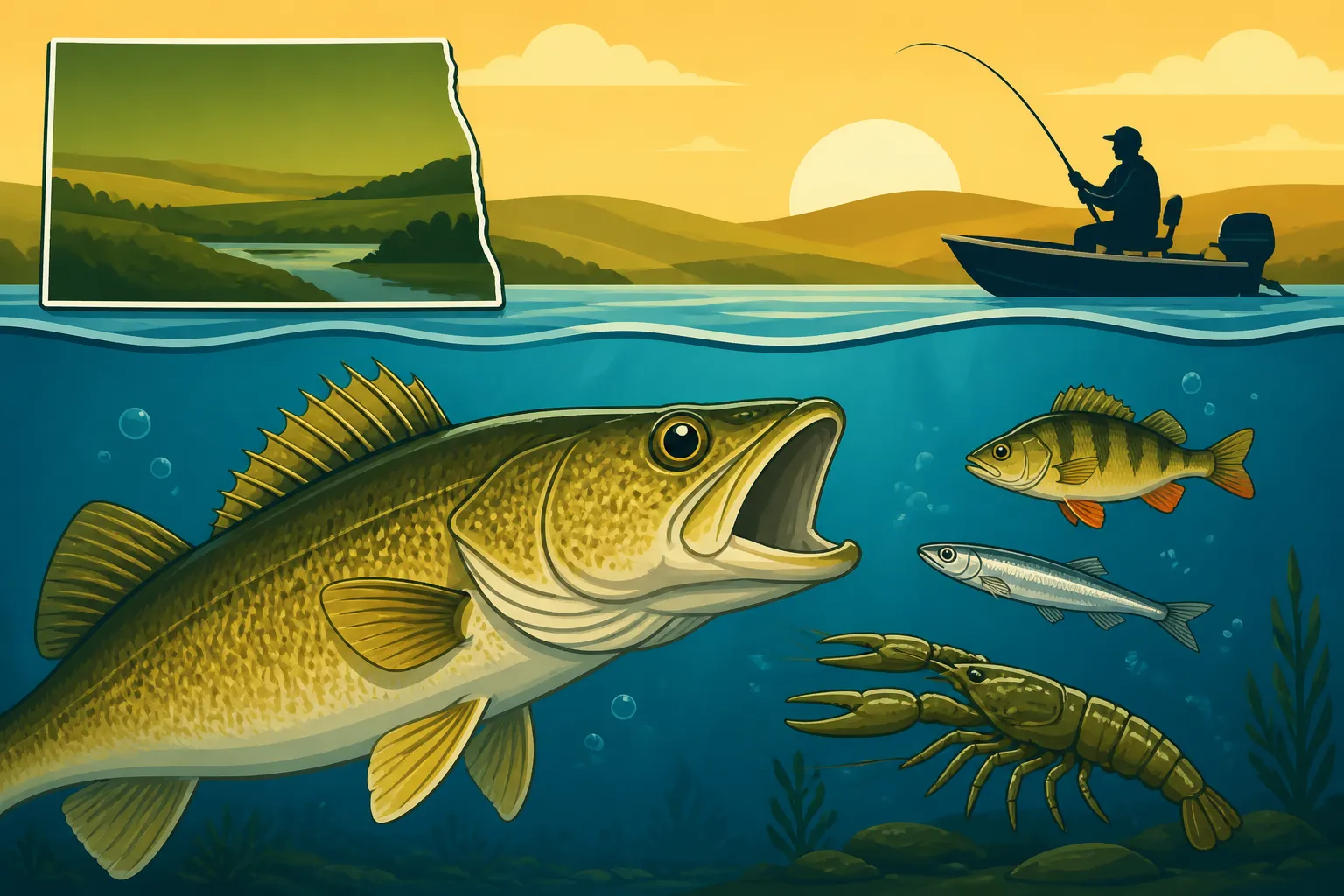
Minnows are high on the list. Shiners, like spottail shiners, emerald shiners, and golden shiners, are abundant in many of our waters and are a staple for walleye. They're soft-rayed, easy to swallow, and swim in schools, making them an efficient food source. Fathead minnows are another common snack, especially in shallower areas. You'll often find these smaller minnows in bays and along shorelines, which is exactly where walleye will cruise, looking for an easy meal. Best Live Bait for North Dakota Walleye explores some of these options in more detail.
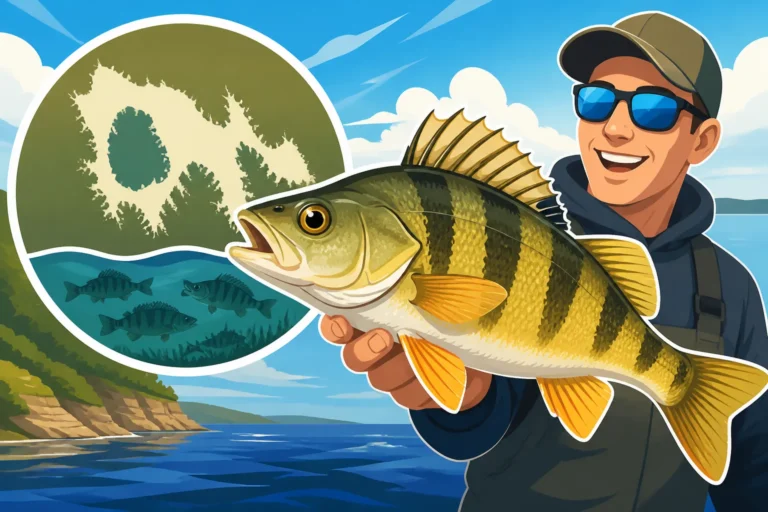
Young-of-the-year yellow perch are also incredibly important, especially in lakes like Devils Lake where perch populations thrive. A walleye loves nothing more than to ambush a school of small perch, turning a day of fishing into an all-you-can-eat buffet. The size of these young perch directly influences how quickly walleye grow and how big they can get. When perch populations are booming, walleye often grow exceptionally fast and reach impressive sizes. It’s a classic predator-prey relationship that drives much of our fishing success. Other small baitfish, like various dace and even young suckers, also find their way onto a walleye's dinner plate, especially in river systems.
Beyond the Minnow Bucket: Invertebrates and Opportunistic Meals
While fish are undoubtedly king in a walleye's diet, they aren't exclusive eaters. Walleye are highly adaptable and will readily consume invertebrates, especially when they're plentiful or when other forage is scarce. This adaptability is part of what makes them such a successful predator across varied environments.
Think about the insect hatches. During certain times of the year, particularly late spring and early summer, massive hatches of insects like mayflies and caddisflies can occur. When these insects emerge, they become a huge, easy food source, and walleye will absolutely key in on them. They might not be actively chasing minnows when there are thousands of protein-rich insects floating around. This is often when anglers scratch their heads, wondering why their usual minnow presentation isn't working – the walleye are simply feasting on something else!
Crayfish are another important food source, especially in lakes and rivers with rocky or gravelly bottoms. These crustaceans provide a substantial, protein-packed meal. Walleye will root around rocks, ambushing crayfish as they scuttle along the bottom. If you've ever seen a walleye spit up a half-digested crayfish, you know they're definitely on the menu. Leeches, though less glamorous, are also a convenient meal for walleye, especially during cooler water periods when they are more active and accessible. Understanding these alternative food sources can totally change your approach, perhaps leading you to try a jig-and-plastic combo that mimics a crayfish, rather than just another minnow.
Seasonal Shifts in Walleye Feeding Habits
Just like us, walleye's appetites and preferred meals change with the seasons. Water temperature, available forage, and their own biological needs (like spawning or preparing for winter) all play a huge role in what they're looking for.
Springtime Hunger: Post-Spawn Recovery and Shallow Water Feasting
Ah, springtime in North Dakota! After the ice clears and the walleye have completed their arduous spawning ritual, they are often in recovery mode, and their hunger ramps up. Their metabolism starts to increase as the water slowly warms, and they need to replenish their energy reserves. This is a fantastic time to target them because they can be quite aggressive.
In the cooler, shallower waters, they'll often be targeting easily accessible food sources. Small baitfish that are also moving into the shallows to spawn or feed are prime targets. Worms, which wash into the water after spring rains, can also become an unexpected, yet readily consumed, food source. This post-spawn period often sees walleye cruising flats, points, and shallow bays, where the water warms up faster and baitfish are congregating. This is a great time for techniques mentioned in Early Spring Walleye Techniques in North Dakota, often involving slower presentations with jigs and minnows, or even just a simple slip bobber rig with a leech.
Summer Buffet: Deeper Water and Abundant Forage
As North Dakota's summer heat really sets in, walleye often retreat to deeper, cooler waters where oxygen levels are stable and larger baitfish, having grown throughout the spring, are plentiful. Their metabolism is high now, meaning they need to eat a lot to sustain themselves. They become more active predators, often chasing schools of baitfish in open water or staging around deep structure.
During the summer, walleye will target larger baitfish, often feeding heavily on juvenile perch, ciscoes (where available), and shiners. This is when trolling with crankbaits or bottom bouncers with spinner rigs really shines, as you're covering water and mimicking those active, fleeing baitfish. Evening and night feeding patterns become much more pronounced as walleye move shallower under the cover of darkness to ambush prey. If you're out on the water, keep an eye out for those prolific insect hatches that can still occur, as walleye might briefly switch their focus to an easy insect meal near the surface.
Fall Fattening: Preparing for Winter
When autumn arrives, and the water temperatures begin to drop again, walleye enter a crucial period of intense feeding, often referred to as the "fall fattening." This is their last big push to pack on calories and build up fat reserves before the long, lean winter months under the ice. This means they are often very active and aggressive, making fall one of the most exciting times to fish for them.
Walleye during the fall will aggressively pursue schools of baitfish. They're not just looking for a meal; they're looking for a big meal. Larger minnows, ample perch, and even small white bass can become targets. They'll often school up in specific areas, gorging themselves. Anglers can experience incredible success by finding these feeding schools. Fishing techniques that mimic fleeing baitfish or offer a substantial meal, like larger crankbaits, swimbaits, or substantial jig-and-minnow combos, are highly effective. For more insights into this exciting time, check out Fall Walleye Fishing Patterns in North Dakota.
Winter Sustenance: Slowed Metabolism, Strategic Feeding
Once the hard water sets in and North Dakota's lakes freeze over, the walleye's world changes dramatically. Their metabolism slows considerably due and to the colder water. They don't need to eat as frequently, but they still need to eat. Their feeding becomes much more strategic and opportunistic.
Under the ice, walleye will often target whatever is easiest to catch and offers the most energy return. This typically means smaller baitfish like minnows and young perch. However, their strikes can be much more subtle, requiring sensitive ice fishing rods and keen attention. They will often relate to structure that holds baitfish, such as humps, points, and transition areas. Presentations during winter often involve small jigs tipped with a minnow head or a wax worm, or a small spoon. While they aren't constantly on the prowl, those willing to brave the cold can find incredible success by understanding where walleye will conserve energy while still having access to a meal. North Dakota Ice Fishing Rules outlines the specifics for enjoying this frozen pursuit.
Locational Differences: Lake Sakakawea vs. Devils Lake vs. Rivers
It's important to remember that North Dakota is a big state with diverse water bodies. The specific forage available can vary significantly from one lake or river to another, and this, in turn, influences the walleye's diet and behavior.
| Water Body | Primary Walleye Forage | Key Characteristics Affecting Diet |
|---|---|---|
| Lake Sakakawea | Rainbow Smelt, Gizzard Shad, Young Perch | Large, deep reservoir; introduced forage species; diverse habitat |
| Devils Lake | Yellow Perch, Fathead Minnows | Shallow, nutrient-rich, flooded timber; high perch population |
| Missouri River | Various Minnows, Suckers, Crayfish | Current-driven, diverse bottom structure, specific riverine baitfish |
| Red River of the North | Goldeye, Suckers, Various Minnows | High current, muddy water, abundant larger baitfish (goldeye, suckers) |
Lake Sakakawea: A Vast Reservoir's Diverse Diet
Lake Sakakawea is a massive body of water, and its sheer size and depth mean a slightly different menu for its walleye. Here, two introduced species play a colossal role in the walleye's diet: rainbow smelt and gizzard shad. Smelt are a cold-water fish that thrive in the deeper, cooler sections of the lake, forming huge schools that walleye can gorge on. Gizzard shad are more warm-water tolerant and provide a protein-rich, oily food source.
The presence of smelt and shad means that Sakakawea walleye often grow to impressive sizes, as they have an abundant, high-energy food source. Anglers targeting walleye on Lake Sakakawea often use lures that mimic these baitfish in size and profile. While perch are still present and contribute to the diet, especially in certain bays and shallower areas, the large open water environment often finds walleye chasing the plentiful schools of smelt and shad. If you're planning a trip, Lake Sakakawea Walleye Fishing Spots can help you find areas where this forage congregates.
Devils Lake: Perch Capital and Flooded Timber Buffet
Devils Lake is legendary for its walleye fishing, and a huge part of that success can be attributed to its prolific yellow perch population. Perch are the absolute backbone of the Devils Lake walleye diet. The lake's unique flooded timber environment provides an incredible habitat for both perch and walleye, offering endless ambush points and hiding spots for baitfish.
Walleye in Devils Lake are often found lurking in or near the flooded trees, where schools of perch seek shelter. They are constantly on the lookout for an easy meal of yellow perch, from tiny juveniles to larger specimens. This strong predator-prey relationship means walleye grow quickly and are well-fed. Anglers often find success using lures that imitate perch, whether it's a jigging rap with a perch pattern or a crankbait in perch colors. It's a key to understanding why Devils Lake produces so many trophy walleye. To find some of these prime locations, check out Devils Lake Walleye Fishing Spots.
Missouri and Red Rivers: Current-Driven Opportunities
River systems, like the Missouri River and the Red River of the North, present a different set of dietary influences for walleye due to the constant current. Walleye in rivers are often more streamlined and built for holding in current and ambushing prey.
On the Missouri River, particularly below the Garrison Dam, walleye feed on a variety of minnows, suckers, and crayfish. The current concentrates baitfish in specific seams and eddies, making them easy targets for waiting walleye. Bottom-dwelling forage like crayfish are also significant, especially where there are rocky stretches. Understanding these current-driven dynamics is crucial for success here. Our Missouri River Fishing Guide has more details on fishing this mighty waterway.
The Red River of the North, famous for its massive channel catfish, also holds a good population of walleye. Here, the walleye's diet heavily includes goldeye and various suckers, both of which are abundant in the often-turbid waters. Goldeye, with their silvery flash, are a favorite. Anglers often find success using lures that mimic these larger river baitfish. The current dictates where baitfish will hold, and consequently, where walleye will position themselves for an ambush. For more on this unique fishery, see Red River of the North Fishing Guide.
Practical Implications for Anglers: Matching the Hatch
Understanding what walleye eat isn't just academic; it's intensely practical! It directly informs your lure selection, fishing techniques, and ultimately, your success on the water.
Choosing the Right Lures and Baits
This is where all that dietary knowledge comes together in your tackle box. If you know walleye are primarily feeding on small minnows, then jigs tipped with live minnows, soft plastic minnow imitations, or small crankbaits that mimic a minnow's profile and action are your best bet. When perch are the dominant forage, especially in places like Devils Lake, lures in perch colors or shapes become incredibly effective. Think about those jigging raps in a perch pattern, or a crankbait with vertical bars like a baby perch.
For those times when walleye might be keying in on insects or crayfish, consider different presentations. A jig-and-plastic that mimics a crawling crayfish or a leech imitation might be just the ticket. Even a simple nightcrawler, which imitates a worm washed into the water, can be deadly when walleye are opportunistic. Building a diverse tackle box is essential, and you can find a huge variety of options, from soft plastics to hard baits, easily on Amazon. Best Jigs for North Dakota Walleye and other gear guides can help you stock up wisely.
Understanding Walleye Behavior for Better Success
Knowing what walleye eat also helps you understand why they are where they are, and how they are likely to behave. If they are aggressively chasing schools of smelt in open water, you might need to cover a lot of ground with trolling motor and crankbaits. If they are hunkered down near flooded timber, waiting to ambush perch, a slower, vertical presentation with a jig might be more effective.
Paying attention to baitfish on your electronics, or even observing what kind of baitfish are jumping at the surface, can give you huge clues. Sometimes, if you're lucky and it's allowed, you can even check the stomach contents of a legally kept walleye to get a direct answer to what they've been eating that day! This kind of observation and adaptation is what separates the consistently successful angler from those who just hope for the best. Remember, walleye feed throughout the day, but often have peak activity during low-light conditions or specific "bite windows" dictated by pressure changes or baitfish movements.
Where to Find Specific Baits and Tackle
Getting the right gear is part of the game. For live bait – minnows, leeches, or worms – your best bet is usually a local bait shop. They'll have the freshest stock and can often give you up-to-the-minute reports on what's working locally. Don't be shy about asking them for recommendations!
For artificial lures, hooks, lines, and all the other tackle that mimics a walleye's natural diet, you have a wealth of options. Local sporting goods stores are great for hands-on selection, and many anglers love browsing online. Websites like Amazon offer a massive selection of crankbaits, jigs, soft plastics, and spinner rigs in every color and size imaginable, often allowing you to perfectly match whatever the walleye in your target lake are eating. Just remember to research what colors and profiles are effective for specific baitfish in your chosen North Dakota water body. For example, if you're targeting walleye that key on yellow perch, you might search for "perch pattern crankbaits on Amazon" to find exactly what you need. Or if you're after those big river walleye, look for "goldeye imitation swimbaits" to buy on Amazon. Having the right tools in your arsenal, whether from a local shop or through a quick order on Amazon, makes all the difference.
Disclaimer
This article is for general informational purposes only and does not constitute professional advice. Laws, prices and regulations vary by location and change over time. Consult a qualified professional for guidance on your specific situation.