How Old Is a 30-Inch Walleye?
Catching a truly massive walleye in North Dakota is an experience that stays with you forever. That incredible moment when you reel in a fish that's pushing or even exceeding the 30-inch mark often sparks a natural curiosity: just how old is this magnificent creature? This guide dives deep into the science and real-world factors that determine a walleye's age, specifically focusing on those elusive 30-inch trophies in North Dakota's diverse waters.
The Quest for the Trophy Walleye: What Makes a 30-Incher Special?
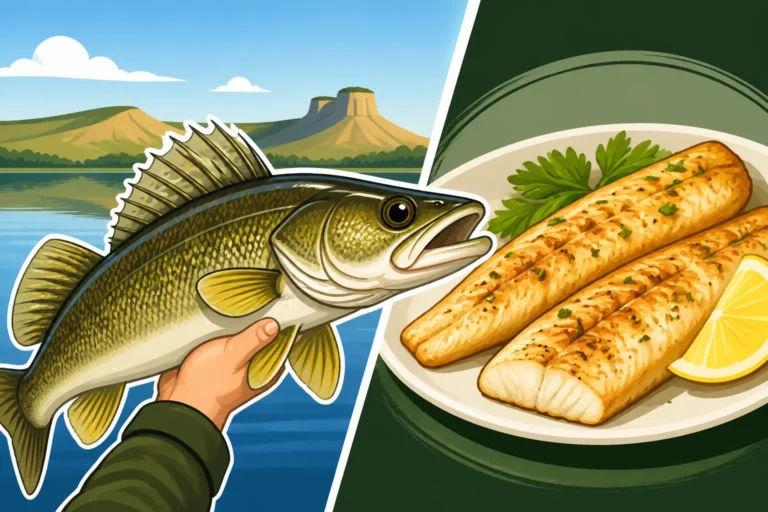
For many anglers, the 30-inch walleye represents the pinnacle of success, a fish that embodies years of growth, survival, and a bit of luck on your part. It's more than just a measurement; it's a testament to a healthy ecosystem and a fish that has beaten the odds. The sheer size and power of such a walleye are unforgettable, whether you're battling it on Lake Sakakawea's vast expanse or a smaller, nutrient-rich lake in the eastern part of the state.
Why a 30-Inch Walleye is a True Trophy
Think about the journey a walleye takes to reach 30 inches. From a tiny fry, it navigates predators, changing water conditions, and the constant search for food. Many, many walleye never make it past the 15- to 20-inch range, which are still fantastic fish, mind you. A 30-incher has proven itself to be a master survivor, thriving for years in its environment. It's a dominant fish in the system, often a large female, crucial for the health and future of the fishery. Catching one is a rare feat, a true once-in-a-lifetime experience for many.
The excitement of seeing that long, golden-flanked fish come to the net is unparalleled. You instantly know you've hooked into something special. These big fish don't get big by being easy to catch, either; they're often wise to many angling tricks. This adds to the satisfaction and the "trophy" status.
Factors Influencing Walleye Growth Rates
Just like people, not all walleye grow at the same rate. Several critical environmental and biological factors play a huge role in how quickly a walleye grows. These factors are especially pronounced in a state like North Dakota, which has such varied water bodies, from massive reservoirs to smaller, more stable lakes.
Firstly, food availability is paramount. Lakes with an abundant forage base – plenty of baitfish like smelt, cisco, or even smaller perch and shad – tend to produce faster-growing, larger walleye. Conversely, lakes with sparse food resources will have slower-growing fish. Secondly, water temperature dictates metabolic rates; warmer waters (within a healthy range) can mean faster growth as fish can feed and digest more efficiently. However, overly warm water can stress fish. Thirdly, genetics play a role; some walleye simply have the genetic predisposition to grow larger and faster than others. Finally, population density matters. In overcrowded lakes with too many walleye and not enough food, growth rates can stunt, leading to many smaller fish rather than a few giants. This is a delicate balance that fishery managers constantly monitor. For more on these incredible fish, check out our North Dakota Walleye Fishing Guide.
Unraveling the Age: How We Determine a Walleye's Lifespan
Determining the age of a fish isn't as simple as checking a birth certificate, but it's a fascinating science. Fishery biologists have developed techniques that allow them to quite accurately estimate a fish's age, providing invaluable data for managing fish populations and understanding their life cycles. It gives us a window into the life of these aquatic residents.
The Science Behind Fish Aging: Otoliths and Scales
The primary methods for aging walleye involve examining their otoliths (ear bones) or their scales. Think of it like reading the rings on a tree trunk. As a fish grows, it lays down new layers of material on these structures. During periods of fast growth (like summer), these layers are broad, and during slow growth (like winter), they are narrow and dense. These annual marks are called annuli.
Biologists carefully remove these structures, prepare them, and then examine them under a microscope. For otoliths, they might be sectioned and polished to reveal the growth rings. For scales, they are pressed flat between glass slides. Counting these distinct rings allows biologists to determine the fish's age in years. It's a meticulous process that requires training and experience to do accurately, but it provides crucial insights into fish populations.
Challenges in Accurate Age Estimation
While these methods are generally reliable, they aren't without their challenges. One major hurdle is the variability in growth rates mentioned earlier. A fish that grew quickly in a nutrient-rich environment might appear older than a slower-growing fish of the same size from a less productive lake. Environmental stressors, periods of low food, or even injury can affect the clarity and spacing of the annuli, making them harder to interpret.
Furthermore, reading scales can sometimes be less accurate for very old or very young fish, as the annuli can be crowded or indistinct. Otoliths are generally considered more reliable, especially for older fish, but their removal means the fish cannot be released alive. This is why fishery management agencies often collect otoliths from a sample of harvested fish or from fish collected during scientific surveys. Despite these challenges, these methods provide the best available data for understanding the Life Span of a Walleye in North Dakota.
So, How Old Is a 30-Inch Walleye in North Dakota?
Now for the big question! After all that, what's the typical age of a North Dakota walleye that measures a whopping 30 inches? The short answer is: it varies, but we can give you a pretty good idea based on regional data and general walleye growth patterns.
General Age Range for a 30-Inch Walleye
In North Dakota, a 30-inch walleye is almost always going to be an older, more mature fish. Generally, you're looking at a walleye that is somewhere between 8 and 15 years old, though some might be a bit younger (say, 7 years in exceptionally productive waters) or significantly older (up to 20 years or more in less productive systems or if growth slows down).
Consider the difference between a lake like Lake Sakakawea, which can offer an incredible forage base of smelt and cisco, allowing for faster growth, versus a smaller, shallower lake where food might be more seasonal or less abundant. A walleye growing in prime conditions in Sakakawea might hit 30 inches closer to the lower end of that age range, while a fish in a more challenging environment could take several more years to reach that same size. Female walleye also tend to grow larger and live longer than males, so a 30-inch fish is very likely a grand old female.
North Dakota-Specific Growth Studies and Data
The North Dakota Game and Fish Department conducts regular surveys and studies to monitor fish populations, including collecting age and growth data. While specific, real-time data on every 30-inch walleye caught isn't available to the public, these studies consistently show that larger walleye are older walleye. The average growth rate for walleye in North Dakota's major fisheries means that reaching that 30-inch mark is a commitment of many years.
For instance, in highly productive waters like parts of Lake Sakakawea or Devils Lake, a walleye might reach 20 inches in 4-6 years. To add another 10 inches to that length takes considerably longer, as fish growth slows down as they age. A 20-inch walleye might add an inch or two a year, but a 28-inch walleye might only add an inch every couple of years. It's a slow and steady process. So, when you land that magnificent 30-inch walleye, know that you're holding a venerable elder of the lake, a fish that has likely spawned many times and contributed greatly to the fishery. It's truly a testament to longevity and the richness of North Dakota's waters.
| Walleye Length (Approx.) | Typical Age Range (Years) | North Dakota Growth Factors |
|---|---|---|
| 10 inches | 1-2 | Fast growth in first years, abundant small forage. |
| 15 inches | 3-4 | Consistent growth, reaching reproductive maturity. |
| 20 inches | 4-7 | Good size for harvest, strong fighters. |
| 25 inches | 6-10 | Approaching trophy status, significant spawning contribution. |
| 30 inches | 8-15+ | True trophy, often large females, vital for genetic diversity. |
| 35+ inches | 15-20+ | Extremely rare, exceptional genetics and environment. |
Conserving Our Giants: Catch-and-Release for Trophy Walleye
When you're fortunate enough to land a 30-inch walleye, you're not just catching a fish; you're connecting with a piece of the lake's history and its future. These large, old fish are incredibly important to the overall health and sustainability of the walleye population. That's why many anglers, myself included, advocate strongly for practicing responsible catch-and-release, especially for these giants.
The Importance of Releasing Large Spawners
Those big 30-inch walleye are almost always mature females, often referred to as "brood stock." They are the most prolific spawners in the lake, producing a massive number of eggs each spring. These larger, older females typically lay more eggs, and often, their eggs are of higher quality, which can lead to better survival rates for the next generation of walleye. Removing these prime spawners can have a disproportionately negative impact on the long-term health of the fishery.
By releasing these trophy fish, you're ensuring that they can continue to contribute their genetics and their impressive egg production to future walleye populations. It’s a way to pay it forward, helping to ensure that other anglers (and yourself!) can experience the thrill of catching a big walleye for years to come. It’s about more than just the immediate gratification; it’s about stewardship of our precious natural resources. You can read more about How Many Eggs Does a Female Walleye Lay? to understand their reproductive capacity.
Best Practices for Handling and Releasing Big Walleye
If you decide to release that magnificent 30-inch walleye, doing it correctly is crucial to ensure its survival. The goal is to minimize stress and physical harm to the fish. First, use appropriate gear. When targeting big fish, have a sufficiently strong rod and reel to bring the fish in relatively quickly, reducing the length of the fight. Longer fights exhaust the fish, making it harder for them to recover.
Second, use a large, knotless, rubberized net. These nets are much gentler on the fish's slime coat and fins than traditional nylon nets, preventing scale loss and injury. Once in the net, keep the fish in the water as much as possible. If you need to bring it into the boat for a quick photo, handle it gently with wet hands, supporting its full body weight horizontally. Avoid holding it vertically by the jaw or gills, as this can damage its internal organs. Have your camera ready and snap the shot quickly.
Third, remove the hook swiftly and carefully. Barbless hooks can make this much easier. Use long-nosed pliers or a hook remover (you can find great options on Amazon) to extract the hook. If the fish is deeply hooked and removing the hook would cause significant trauma, it's often best to simply cut the line as close to the hook as possible. The hook will usually rust out over time.
Finally, revive the fish properly. Hold the fish gently in the water, facing into the current (if there is one), and allow water to flow over its gills. Don't pump it back and forth; just hold it steady until it can swim away strongly on its own. This might take a few minutes, so be patient. Seeing a big walleye swim off strong is a reward in itself, knowing it will continue its long life. These practices help ensure that the fish you release can go on to create more amazing fishing opportunities. When considering regulations, always refer to the North Dakota Walleye Size Limit Rules.
Disclaimer
This article is for general informational purposes only and does not constitute professional advice. Laws, prices and regulations vary by location and change over time. Consult a qualified professional for guidance on your specific situation.