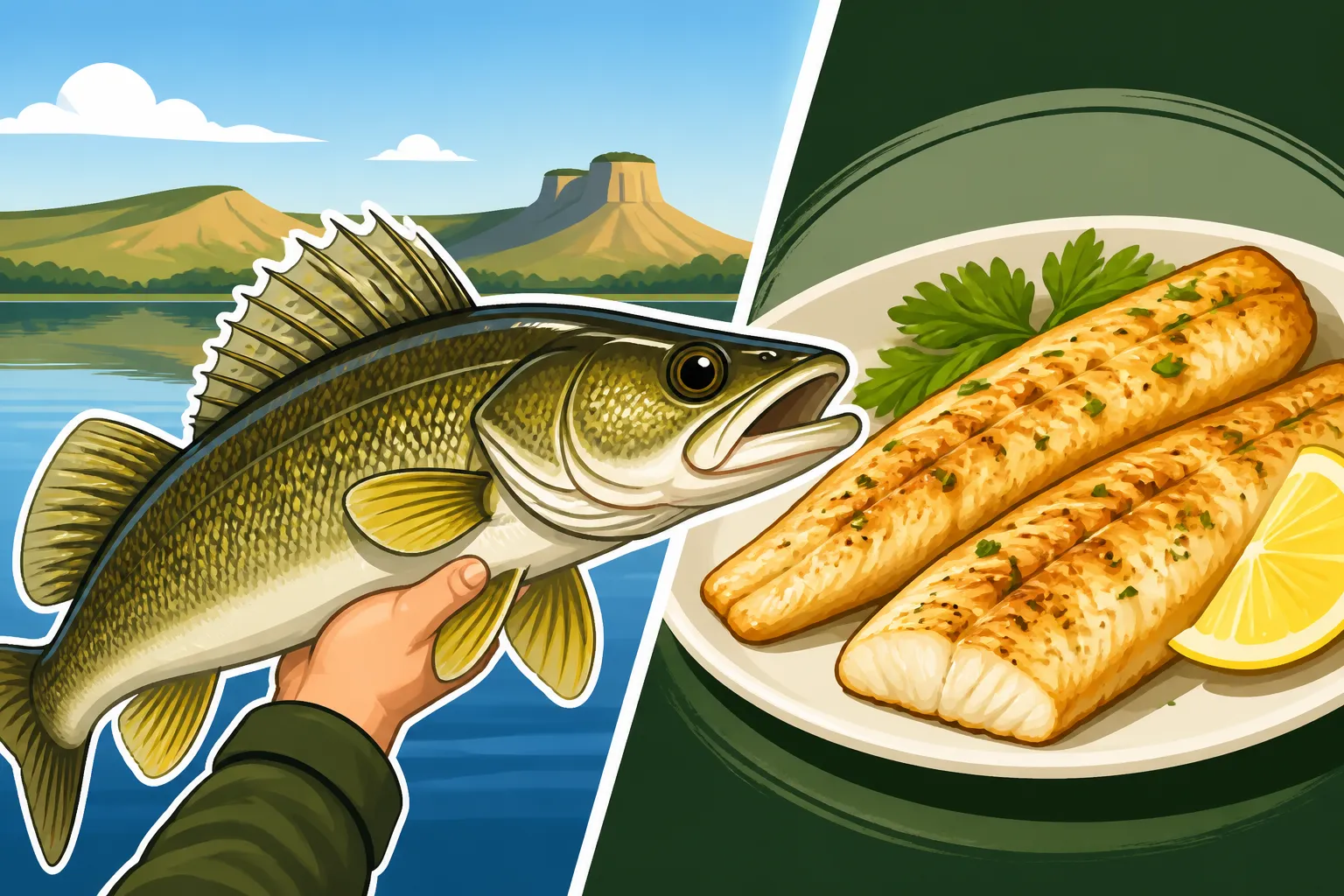
Is Sauger Good to Eat?
Oh, the age-old question that sparks many a campfire debate among North Dakota anglers: is sauger good to eat? If you've ever reeled in one of these feisty fish, you've probably wondered how it stacks up against its more famous cousin, the walleye. Well, let me tell you, sauger are absolutely delicious, and in this comprehensive guide, we're going to dive deep into why these often-underestimated fish deserve a prime spot on your dinner plate.
Sauger's Flavor Profile and Texture: A Culinary Delight
When folks ask about sauger, the first thing they want to know is usually, "Does it taste like walleye?" And the answer is a resounding "Yes, pretty darn close!" Sauger, much like walleye, offers a remarkably mild, sweet, and clean flavor that is incredibly appealing to a wide range of palates. There's no strong "fishy" taste here, which makes it a fantastic option even for those who might be a bit finicky about seafood.
The flesh of a sauger is typically white, firm, and beautifully flaky when cooked. It separates easily with a fork, providing a tender bite that many anglers prefer. While some connoisseurs might argue that walleye has a slightly finer flake or a hair more sweetness, the difference is often so subtle that in a blind taste test, most people would be hard-pressed to tell them apart. Think of it like a subtle variation between two types of apples – both delicious, just a slight nuance. What truly impacts the taste more than the species itself is the freshness of the catch, how quickly it was iced down, and how it's prepared. A fresh sauger, properly handled, is a truly superior eating experience. This firm, white flesh holds up well to various cooking methods, making it a versatile choice for any kitchen. If you're looking to understand the fish itself better, check out Sauger Identification vs Walleye to learn the visual cues.
Nutritional Benefits of Adding Sauger to Your Diet
Beyond their incredible taste, sauger also pack a punch when it comes to nutritional benefits, making them a smart choice for a healthy diet. Like most cold-water fish, sauger are an excellent source of lean protein, which is essential for muscle repair, growth, and overall bodily function. You can enjoy a generous serving without worrying about excessive fat intake.
But wait, there's more! Sauger are also a good source of those highly beneficial omega-3 fatty acids. These healthy fats are crucial for heart health, brain function, and reducing inflammation throughout the body. Many of us struggle to get enough omega-3s in our diets, so incorporating fish like sauger is a fantastic way to boost your intake. Beyond protein and omega-3s, sauger also provide a good array of vitamins and minerals. These can include B vitamins, which are vital for energy metabolism, and essential minerals like phosphorus and selenium. Of course, when we talk about fish consumption, the topic of mercury occasionally comes up. Generally speaking, sauger, being a freshwater fish and typically not living for decades like some larger, longer-lived saltwater species, are considered a safe and healthy option, particularly when consumed in moderation as part of a varied diet. It's always wise to check current consumption advisories from local wildlife agencies for specific North Dakota waters, if available. For more on what these fish eat, which can influence their nutritional profile, see What Do Walleye Eat in North Dakota Lakes?.
Preparing and Cooking Sauger for Optimal Flavor
The secret to truly enjoying sauger, or any fish for that matter, often lies in how you prepare it from the moment it comes out of the water to the moment it hits your plate. Proper handling is paramount to preserving that delicate flavor and flaky texture.
Cleaning and Filleting Your Catch
Once you've caught your sauger, the very first step is to get it on ice immediately. This slows down any degradation and keeps the flesh firm and fresh. When it comes to cleaning, filleting a sauger is very similar to filleting a walleye. You'll want a sharp, flexible fillet knife to get clean cuts and maximize your yield. Start by making a cut behind the gills down to the backbone, then turn the knife and run it along the backbone towards the tail. Flip the fillet over and carefully remove the rib cage. Some anglers also choose to "skin" the fillet for a cleaner piece of meat. There are many great tutorials out there, and having a good quality fillet knife, perhaps one you picked up from a brand like Amazon, makes all the difference. For some guidance on tools, consider Best Fillet Knives for Walleye and Pike. Remember, the cleaner the fillet, the better the final taste.
Popular Cooking Methods and Seasoning Tips
Sauger's mild flavor and firm-flaky texture make it incredibly versatile in the kitchen. You can't go wrong with classic methods, but don't be afraid to experiment!
- Pan-Frying: This is a perennial favorite for a reason. A light dredge in seasoned flour, cornmeal, or a simple breadcrumb mixture creates a beautiful, crispy crust while keeping the inside moist and tender. Cook in a hot pan with a bit of butter or oil until golden brown on both sides.
- Baking/Broiling: For a lighter option, baking or broiling sauger fillets is excellent. A simple brush of olive oil, lemon juice, salt, pepper, and a sprinkle of dill or parsley is all you need. You can even add some garlic and paprika for extra zest. Bake at around 375-400°F (190-200°C) until the fish flakes easily.
- Grilling: Grilling adds a wonderful smoky flavor. Use a fish basket or foil packet to prevent the delicate fillets from sticking or breaking apart on the grates. Again, a little olive oil and simple seasonings work wonders.
When it comes to seasoning, less is often more with sauger. Its natural flavor is so pleasant, you don't want to overpower it. Lemon, dill, parsley, garlic powder, onion powder, salt, and black pepper are your best friends. A sprinkle of paprika for color and mild flavor is also great. Consider serving your sauger with fresh vegetables, wild rice, or a light salad to really let the fish shine. And don't forget a Best Coolers for Keeping Fish Fresh to bring your catch home in prime condition.
Sauger vs. Walleye: Settling the "Taste Test" Debate
Ah, the great debate! You hear it all the time on the docks and around the ice shacks: "Is sauger as good as walleye?" It's a question that can divide anglers, but honestly, in most cases, the differences are so negligible that it really comes down to personal preference, and sometimes, even the specific body of water they were caught in. Many veteran anglers will tell you that they would happily take a limit of sauger over walleye any day of the week if given the choice.
Sauger are often found in murkier, faster-moving waters, such as the Missouri River below the Garrison Dam, which some believe gives their flesh a slightly different texture or even a cleaner taste due to their environment and diet. They tend to be a bit smaller than walleye, but what they lack in size, they make up for in sheer numbers and aggressive bites, making them a rewarding catch. For a closer look at where these fish thrive, check out Sauger Habitat Below Garrison Dam. The white, flaky meat is a hallmark of both species, and if you're ever in a restaurant that serves "pickerel" or "pike-perch," chances are you're enjoying sauger or walleye, as these terms are often used interchangeably for these prized fish. Ultimately, if you enjoy walleye, you will undoubtedly enjoy sauger. It's a fantastic table fare, and anyone who tells you otherwise is probably just trying to keep all the sauger for themselves! Don't let anyone tell you that Is Walleye the Best Tasting Fish in North Dakota? without giving sauger a fair shot, too.
In the end, sauger are not just "good to eat" – they are a truly excellent eating fish. They offer a delightful culinary experience that stands toe-to-toe with North Dakota's most popular game fish. So, the next time you're out on the water, whether you're targeting walleye or casting specifically for sauger, remember that you're in for a delicious meal, no matter which one you bring home. For more general information on fishing for them, a great resource is the North Dakota Sauger Fishing Guide!
Disclaimer
This article is for general informational purposes only and does not constitute professional advice. Laws, prices and regulations vary by location and change over time. Consult a qualified professional for guidance on your specific situation.