Is There a State Fish of North Dakota?
It's a question many North Dakota anglers, both seasoned veterans and curious newcomers, often ponder: does our great state have an official state fish? You see, when you spend as much time on the water as we do, whether it's battling trophy walleye on Lake Sakakawea or chasing giant catfish on the Red River, it's easy to assume one of our many beloved species has claimed that prestigious title. This guide is here to clear up the confusion and dive deep into North Dakota's aquatic pride, explaining exactly which fish holds the esteemed state fish designation and why it's such a perfect fit for our wild and wonderful waters.
North Dakota's Official State Fish: The Walleye
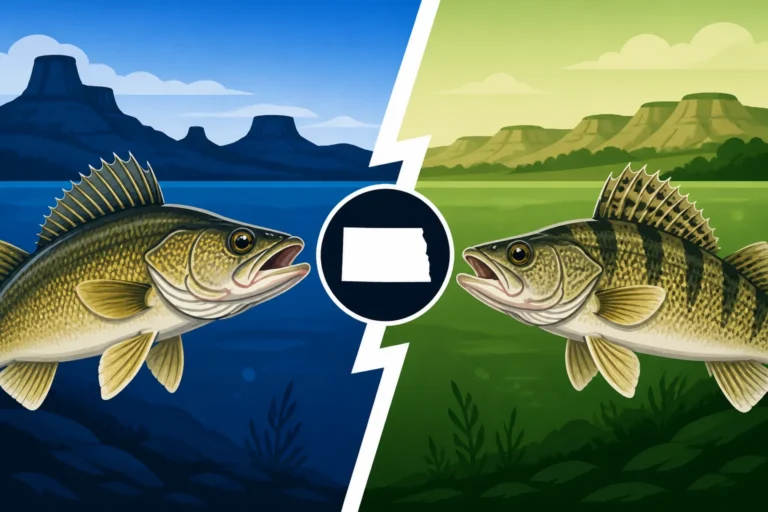
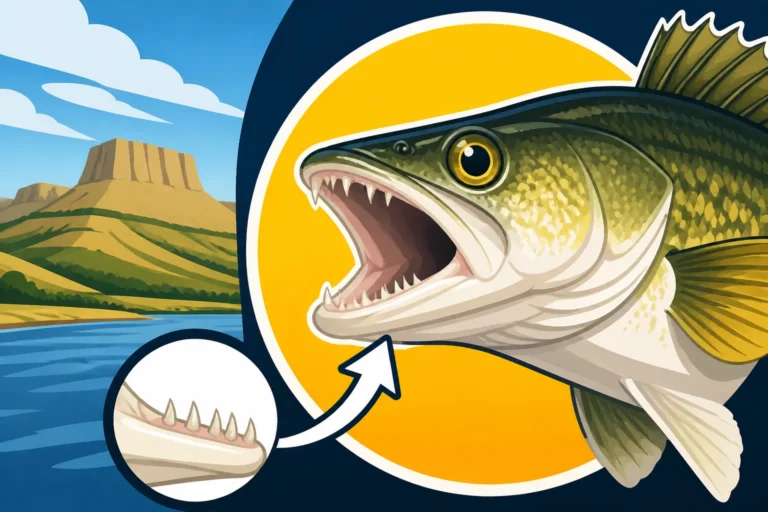
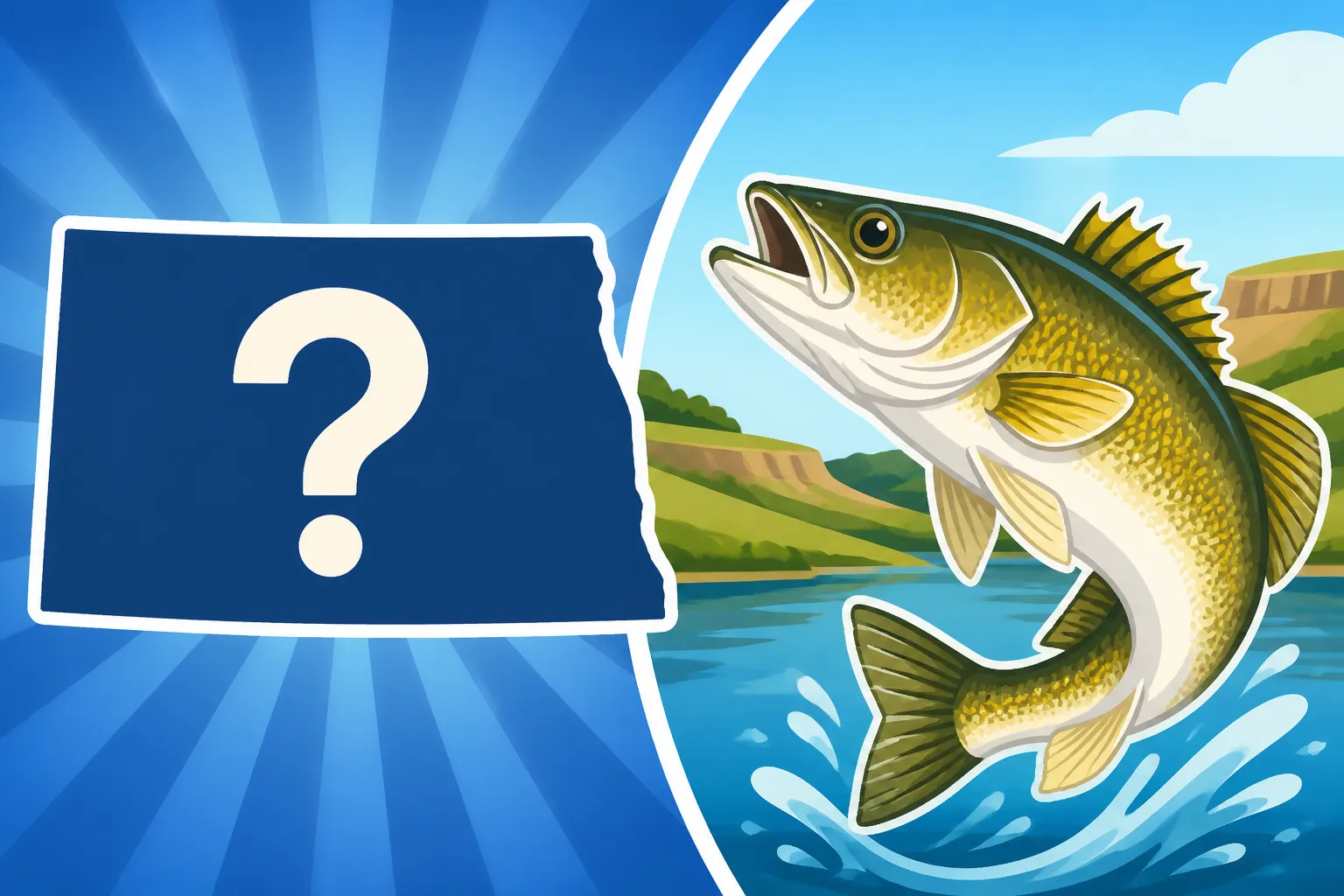
Yes, North Dakota proudly recognizes an official state fish, and it's none other than the magnificent walleye. The walleye was officially designated as North Dakota's state fish in 1993, a decision that resonated deeply with anglers across the state. This wasn't just some arbitrary choice; it was a testament to the walleye's incredible popularity, its significant ecological role, and its immense economic impact on our communities. For decades, the walleye has been the undisputed king of game fish in North Dakota, drawing in anglers from all corners, eager to test their skills against this elusive and delicious species.
Think about it: almost every conversation about fishing in North Dakota, especially when discussing bigger water bodies like Devils Lake or Lake Sakakawea, eventually circles back to walleye. It's woven into the fabric of our angling culture, from the early spring bite on the Missouri River system to the late-fall deep-water trolling. Even in the dead of winter, when ice fishing shanties dot the frozen landscape, the pursuit of walleye remains a primary objective. Its prevalence and the passion it ignites among anglers truly solidify its position as the quintessential North Dakota fish.
Why the Walleye Earned its Crown
The walleye's journey to becoming North Dakota's state fish is rooted in its profound impact on our state's recreational fishing and overall identity. It's more than just a fish; it's a symbol of outdoor heritage and a major contributor to local economies. Every year, countless fishing tournaments, guide services, tackle shops, and lakeside resorts thrive because of the popularity of walleye fishing. The allure of catching a sizable walleye brings tourists and generates significant revenue, supporting small businesses and local families.
Consider a busy summer weekend at a boat ramp on Lake Sakakawea. What you'll see are boats specifically rigged for walleye trolling, anglers discussing "the bite" and what lures are working best, and proud fishermen holding up their catches for a photo before heading to the cleaning station. This scene repeats itself across the state on countless lakes and reservoirs, from the huge main bodies of water to smaller community fishing lakes. The walleye’s widespread distribution, challenging nature, and excellent table fare have made it an integral part of our outdoor lifestyle, distinguishing it from other popular species.
What Makes Walleye So Special for Anglers?
From an angler's perspective, the walleye offers a unique combination of challenges and rewards that makes it incredibly special. They're often referred to as "low-light feeders," meaning they can be most active during dawn, dusk, or even at night, requiring different strategies and techniques than daytime biters. This adds an extra layer of intrigue and skill development to the pursuit. You might spend hours patiently working a jig, adjusting your boat speed while trolling, or meticulously watching your Best Fish Finder Settings for Walleye display, all for that distinctive, subtle "thump" that signals a walleye on the line.
Beyond the thrill of the catch, walleye are widely regarded as one of the best-eating freshwater fish available. Their firm, flaky, white meat has a mild flavor that is incredibly versatile, whether you're pan-frying fillets, baking them, or even turning them into fish tacos. This culinary appeal is a huge draw, making every successful fishing trip not just an adventure but also a delicious meal for the family. No wonder anglers invest in quality gear, from specialized rods and reels to a wide array of jigs and crankbaits found on retailers like Amazon, all in the quest for that perfect walleye. You can learn more about targeting this species in our North Dakota Walleye Fishing Guide.
Beyond the Walleye: Other Iconic North Dakota Fish
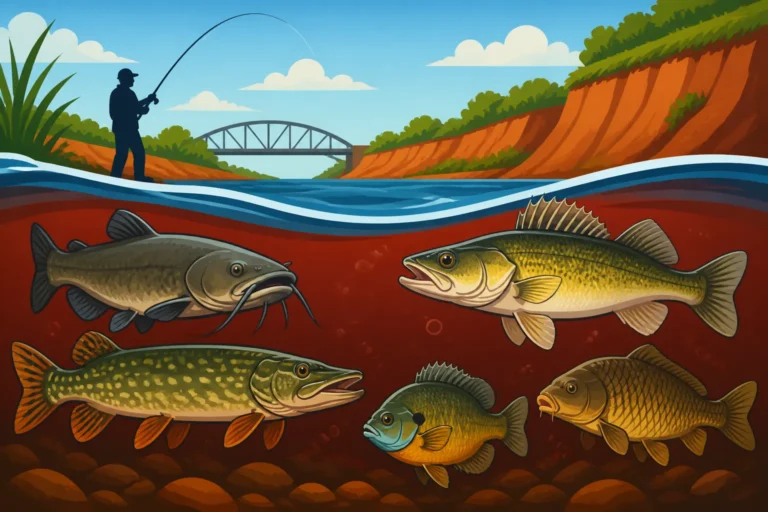
While the walleye holds the official title, North Dakota's waters are teeming with other incredible fish species that have carved out their own special places in the hearts of local anglers. These fish offer different kinds of challenges and rewards, contributing to the rich tapestry of our state's diverse fisheries. From powerful predators to schooling panfish, there's always something else to pursue, ensuring that every angler can find their passion.
It’s easy to focus solely on the walleye, but to do so would be to miss out on the incredible variety of fishing experiences available. Imagine the thrill of hooking into a monster northern pike that peels line off your reel, or the simple joy of filling a bucket with plump yellow perch, perfect for a family fish fry. These species, while not the "official" state fish, are no less important to North Dakota's angling landscape and provide vital opportunities for both recreational and subsistence fishing across the state.
The Feisty Northern Pike
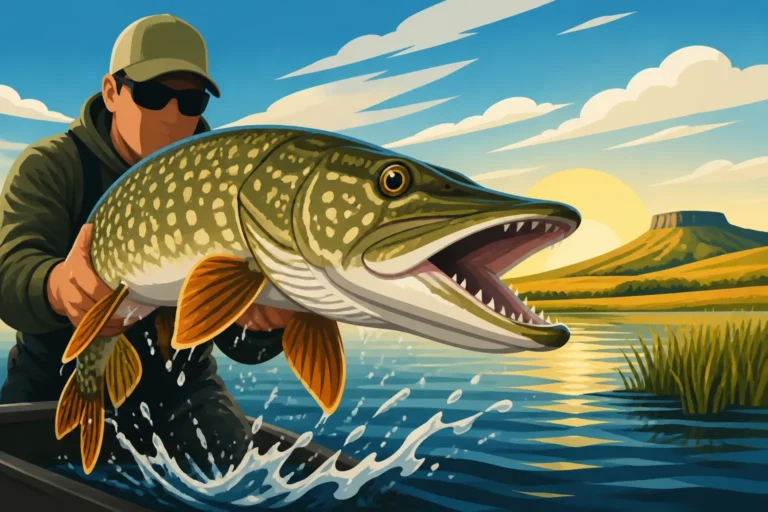
The northern pike is another powerhouse species that commands respect in North Dakota's waters. Known for their aggressive strikes and powerful fights, pike are a favorite among anglers looking for a true battle. These toothy predators inhabit many of the same lakes and rivers as walleye, often lurking in weed beds or along drop-offs, ready to ambush unsuspecting prey. Landing a large pike can be an exhilarating experience, often requiring heavy-duty tackle and a good pair of pliers for hook removal!
Many an angler has a story about a massive pike that gave them a run for their money. They're prevalent in lakes like Devils Lake and even in the Red River system, offering a different kind of angling challenge than the more subtle walleye bite. Their sheer size potential—with state records well into the double-digit pound range—makes them a thrilling target. If you're keen to learn more about chasing these freshwater sharks, our North Dakota Northern Pike Fishing Guide offers a comprehensive look at techniques and hotspots.
The Humble Yellow Perch
Often overlooked in the shadow of their larger cousins, the walleye and pike, the yellow perch holds a very special place in North Dakota's fishing culture, particularly during the ice fishing season. These schooling fish are incredibly popular for their prolific numbers and, much like walleye, their superb taste. Catching perch often involves finding large schools, and once you do, the action can be fast and furious, providing hours of entertainment for anglers of all ages.
Devils Lake, in particular, is renowned for its outstanding yellow perch fishery, attracting ice anglers from across the region. There's a particular joy in jigging for perch through the ice, feeling those subtle taps, and bringing up a stringer full of bright yellow and olive-striped beauties. While they may not have the fighting prowess of a pike or the elusive nature of a walleye, the sheer enjoyment and delicious reward of a perch limit make them truly humble heroes of North Dakota fishing. Check out our North Dakota Yellow Perch Fishing Guide for more insights on these popular panfish.
The Mighty Channel Catfish
If you're looking for sheer power and an unforgettable fight, look no further than the channel catfish, especially those found in the Red River of the North. These whiskered giants are legendary for their brute strength and their willingness to bite on a variety of baits, making them a fantastic target for anglers who prefer a more relaxed approach, often fishing from shore or anchored boats. The Red River catfish fishery is internationally recognized, drawing anglers specifically to target these behemoths.
Channel catfish can grow to incredible sizes in North Dakota, with specimens easily tipping the scales into the 20, 30, or even 40-pound range. The fight they put up is something truly special, testing your gear and your muscles. Night fishing for catfish is a particularly popular pastime, offering a peaceful solitude under the stars, punctuated by explosive runs. Our North Dakota Channel Catfish Fishing Guide has all the details on how to tackle these powerful bottom dwellers.
Understanding North Dakota's Fisheries
North Dakota might be known for its vast prairies, but underneath the surface, our lakes and rivers support incredibly diverse and healthy fisheries. This isn't by accident; it's the result of unique natural conditions, dedicated management, and the responsible efforts of anglers like you. Understanding these underlying factors helps us appreciate why our fishing is so good and why certain species thrive where they do.
From the massive reservoirs carved out by the Missouri River to the sprawling natural lake systems like Devils Lake, each body of water offers a distinct habitat. This variety allows a wide range of fish species to flourish, creating a robust and exciting fishing environment year-round. It's a testament to the resilience of nature and the careful stewardship that goes into maintaining these valuable resources for generations to come.
How Fish Species Thrive in Our Waters
Several factors contribute to the success of fish populations in North Dakota. Firstly, the rich prairie soils and agricultural runoff, while needing careful management to prevent excess pollution, also contribute a high level of nutrients to our waters. This nutrient load often leads to very productive ecosystems, supporting a robust food chain from microscopic organisms to baitfish, which in turn feed our prized game fish. For example, lakes like Devils Lake are naturally saline and highly productive, which contributes to the rapid growth and abundance of species like walleye and perch.
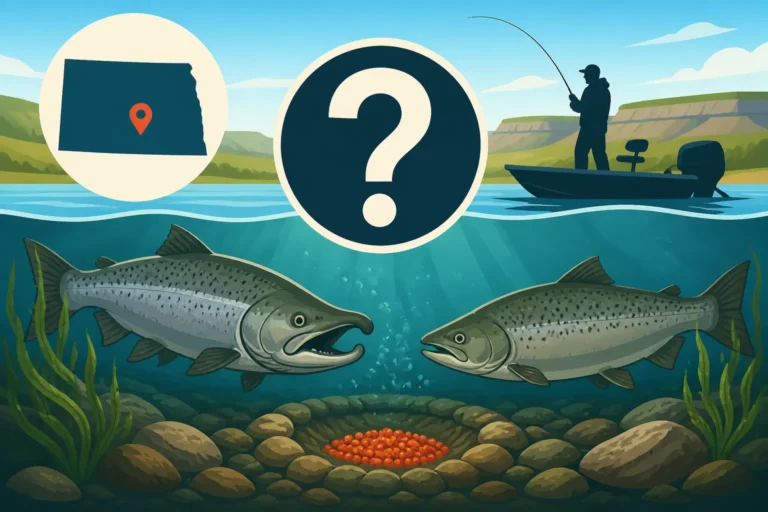
Secondly, the North Dakota Game and Fish Department plays a crucial role through extensive stocking programs and habitat management. Many of our prime fisheries, including Lake Sakakawea for walleye and Chinook salmon, are regularly stocked to maintain healthy populations and provide ample angling opportunities. These efforts, combined with careful regulation of catch limits and seasons, ensure that our fish populations remain sustainable and continue to offer world-class fishing. You can find out more about the variety of fish in our Fish Species Found in North Dakota Lakes and Rivers article.
Conservation Efforts and Your Role
Maintaining healthy fish populations and thriving aquatic ecosystems requires a collective effort, and anglers play a vital role in conservation. It's about more than just following the rules; it's about being a steward of the environment. Simple practices like properly disposing of fishing line and trash, cleaning your boat to prevent the spread of aquatic nuisance species, and adhering to catch and release guidelines for certain fish can make a huge difference.
Every fishing license purchased, every piece of appropriate gear bought on platforms like Amazon that supports local businesses, contributes to the funding of conservation programs. The regulations regarding North Dakota Walleye Size Limit Rules or North Dakota Northern Pike Daily Limit aren't there to hinder your fun; they're designed to protect our fisheries for the long term. By understanding and respecting these efforts, we ensure that the next generation of anglers can enjoy the same incredible opportunities we do.
Frequently Asked Questions About North Dakota's Fish
It's natural to have questions, especially when it comes to something as complex and fascinating as our state's aquatic life. Whether you're curious about less common species or wondering how North Dakota stacks up against other states, getting accurate information is key. Let's tackle a couple of common inquiries that often surface when discussing North Dakota's diverse fish populations.
Anglers often want to know not just about the game fish they target, but also about the health of the overall ecosystem. Questions about conservation and the broader picture of our fisheries are important because they reflect a genuine concern for the future of fishing in our state. It shows we're all in this together, working towards common goals of sustainability and enjoyment.
Are There Any Endangered Fish Species in North Dakota?
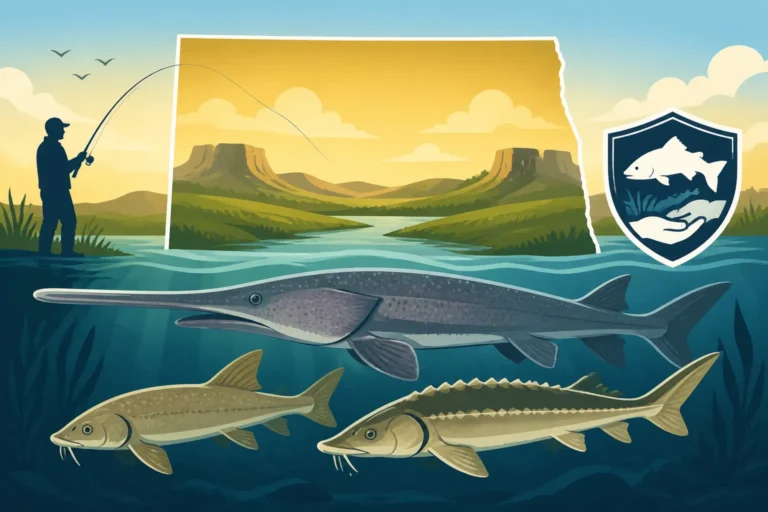
Yes, North Dakota is home to at least one federally endangered fish species, the Pallid Sturgeon. This ancient and unique fish is primarily found in the Missouri River system. Pallid sturgeon are long-lived, slow-growing fish that require specific riverine habitats, including large, free-flowing rivers with sandy or gravelly bottoms, which have been impacted by dam construction and habitat alteration over time. Their recovery is a significant conservation challenge.
Efforts are underway to restore pallid sturgeon populations, including extensive research, habitat restoration, and stocking programs. Anglers play a crucial role by understanding and respecting regulations related to this protected species. If you happen to catch a pallid sturgeon, it's essential to release it immediately and unharmed. Distinguishing them from the more common shovelnose sturgeon can be tricky, so it's always best to err on the side of caution.
Do Other States Have Walleye as Their State Fish?
North Dakota isn't alone in recognizing the walleye's incredible appeal! In fact, three other states also proudly claim the walleye as their official state fish: Minnesota, Michigan, and Vermont. This widespread recognition across different regions of the U.S. truly speaks to the walleye's prominence and popularity as a premier game fish. It's a testament to its challenging nature, wide distribution, and excellent table fare that it holds such a special place in the hearts of anglers in so many states.
Each of these states shares a passion for walleye fishing, though their specific habitats and angling cultures might differ. Minnesota, the "Land of 10,000 Lakes," has an incredibly strong walleye tradition, as does Michigan with its vast Great Lakes fishery. Even Vermont, with its smaller walleye populations compared to the Midwest, still holds the species in high regard. This shared love for the walleye truly highlights its status as a highly sought-after and universally respected fish across North America.
| Fish Species | Official State Fish | Key Traits | Primary Habitat in ND | Average Size (ND) |
|---|---|---|---|---|
| Walleye | Yes | Prized table fare, subtle bite, nocturnal | Lake Sakakawea, Devils Lake, Missouri River | 15-25 inches |
| Northern Pike | No | Aggressive, powerful fight, toothy predator | Devils Lake, Missouri River, many lakes | 20-35 inches |
| Yellow Perch | No | Excellent eating, schooling behavior | Devils Lake, numerous lakes | 8-12 inches |
| Channel Catfish | No | Brute strength, nocturnal, bottom feeder | Red River, Lake Oahe, Missouri River | 15-30 inches (Red River larger) |
| Pallid Sturgeon | No (Endangered) | Ancient, critically endangered, slow-growing | Missouri River | 30-60 inches |
Disclaimer
This article is for general informational purposes only and does not constitute professional advice. Laws, prices and regulations vary by location and change over time. Consult a qualified professional for guidance on your specific situation.