Are There Sharks in North Dakota Waters?
It's quite natural to ponder what lurks beneath the surface of any vast body of water, and when you're thinking about the expansive lakes and rivers of North Dakota, a question like "Are there sharks in North Dakota waters?" might just pop into your head. While the thought of encountering a toothy ocean predator in the heart of the prairie is certainly a dramatic one, this guide is here to definitively answer that question and introduce you to the truly magnificent, and sometimes surprisingly fierce, aquatic life that does call North Dakota home.
The Big Question: Sharks in North Dakota? Dispelling the Myth
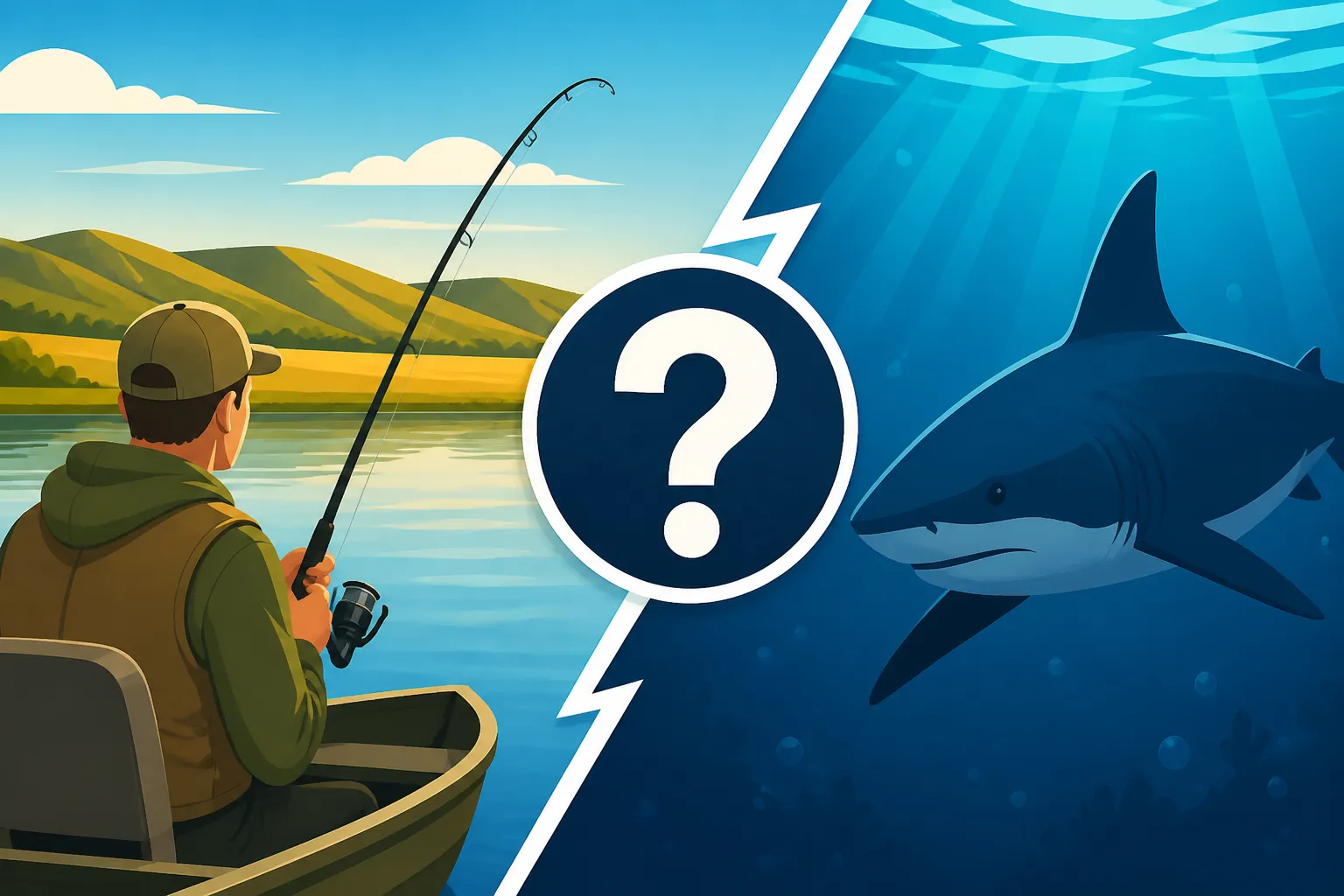
Let's cut right to the chase, because I know that curiosity can be a real pull. No, my friend, there are no sharks swimming in the waters of North Dakota. It's a common misconception or a fun "what if" thought experiment, but the reality of North Dakota's geography and aquatic ecosystems makes it impossible for sharks to thrive here.
The Reality of North Dakota's Waters
North Dakota is a landlocked state, meaning it has no direct access to an ocean. Think about it: the closest saltwater bodies are thousands of miles away. Our incredible state is defined by its vast prairies, fertile farmlands, and beautiful freshwater lakes and rivers, like the mighty Missouri River, the expansive Lake Sakakawea, and the legendary Devils Lake. These are all freshwater systems, and sharks, for the most part, are saltwater creatures. While there are a few species of bull sharks that can tolerate freshwater for periods, they are not native to North America's interior rivers and would need a direct pathway to the ocean to even begin to arrive, which simply doesn't exist here. So, rest easy knowing you won't be reeling in a great white on Lake Sakakawea! You might, however, be reeling in a North Dakota Walleye Fishing Guide or a massive Northern Pike.
Dispelling the Myth: Freshwater vs. Saltwater
The fundamental difference lies in the water itself. Sharks are highly adapted to the high salinity of ocean water. Their bodies have complex osmoregulation systems that allow them to maintain the proper balance of salts and fluids within their cells. Freshwater fish have entirely different biological mechanisms to cope with their low-salinity environment. If a typical shark were to somehow find itself in North Dakota's freshwater, its body would absorb too much water, its cells would swell, and it wouldn't survive for long. It's a biological barrier that's far more effective than any dam or geographic distance. While you might find plenty of fishing gear, books, and even documentaries about ocean sharks available on platforms like Amazon, none of them will suggest that North Dakota is a shark hot spot.
North Dakota's True Aquatic Predators: The Prairie's Own Fish
Okay, so no sharks. But don't think for a second that North Dakota's waters lack excitement or formidable fish! Our lakes and rivers are home to some truly impressive aquatic predators that provide incredible sport and challenge for anglers. These are the fish that rule our waterways, and they command respect with their size, strength, and cunning.
Northern Pike: The Freshwater Shark of the Prairies
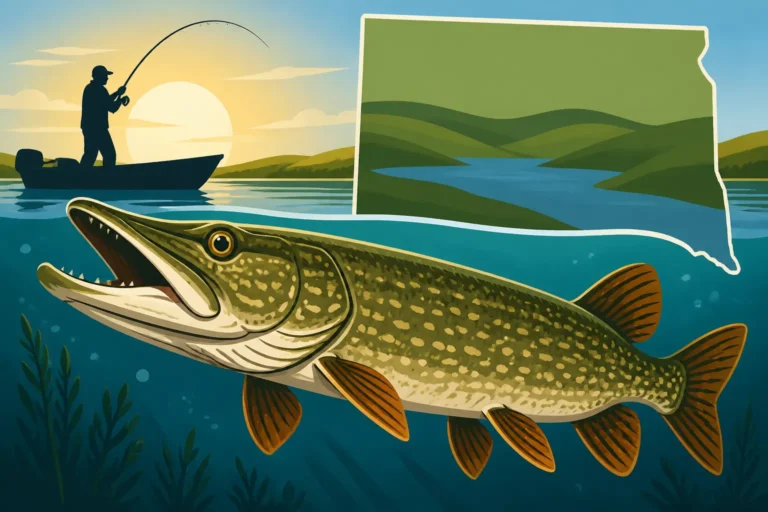
If you're looking for North Dakota's closest equivalent to a shark in terms of sheer predatory aggression and toothy grins, look no further than the Northern Pike. These fish are absolute torpedoes, built for speed and ambush. With their elongated bodies, dorsal fins set far back, and mouths full of razor-sharp teeth, they are perfectly designed to devour anything from smaller fish to frogs, ducks, and even small mammals that get too close to the water's edge. Hooking into a big pike is an adrenaline rush like no other. They put up a fierce fight, often leaping from the water in spectacular fashion. These guys are widespread throughout North Dakota, from shallow weedy bays to deeper river channels, making them a popular target for many anglers. If you're targeting these beasts, you'll want some heavy-duty leaders and lures to avoid losing your catch to their formidable dentistry. Learning How to Fish for Northern Pike in North Dakota is an essential skill for any serious angler here.
Walleye: Efficient Ambush Predators
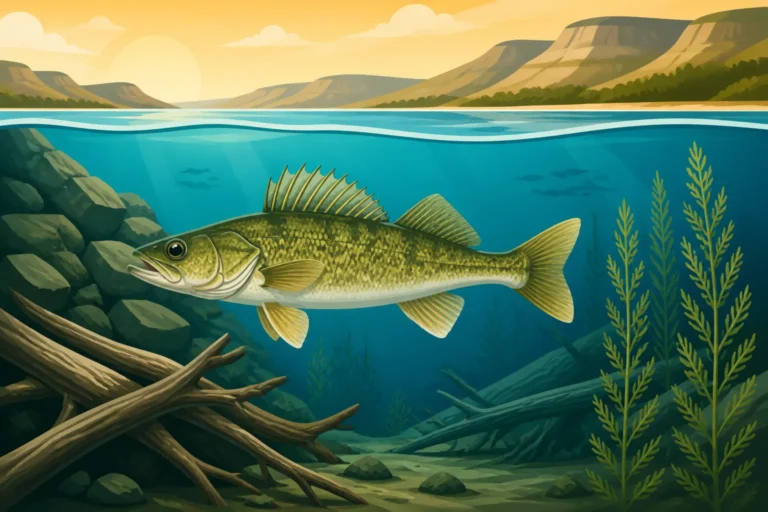
While not as outwardly fearsome as a Northern Pike, the Walleye is an incredibly effective and sought-after predator in North Dakota. Known for their delicious white flesh and their elusive, nocturnal habits, walleye are masters of ambush, using their keen eyesight (especially in low light) and excellent lateral line system to detect prey. They primarily feed on smaller baitfish like perch, shiners, and smelt, congregating on underwater structures, humps, and breaks. A large walleye can grow to impressive sizes, offering a powerful fight on light tackle. Anglers spend countless hours honing their techniques, from jigging to trolling, to entice these cunning fish. If you want to understand their habits, a detailed North Dakota Walleye Fishing Guide can be incredibly helpful. They are a true trophy fish, and the thrill of feeling that distinct "thump" on your line as a walleye inhales your bait is what keeps many of us coming back for more.
Mighty Catfish: Bottom-Dwelling Behemoths
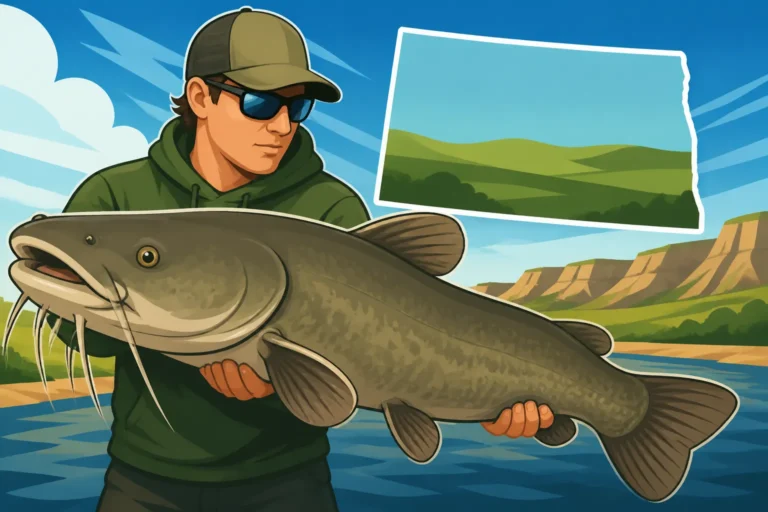
Don't underestimate the power of North Dakota's Channel Catfish, especially those found in the Red River. While they might not have teeth like a pike or the sleek profile of a walleye, these bottom-dwelling behemoths are absolute powerhouses. They're opportunistic feeders, using their sensitive whiskers (barbels) to locate food in murky waters, often consuming anything from insects and crustaceans to smaller fish and even dead bait. The Red River is particularly famous for its trophy channel cats, with some specimens reaching truly massive proportions. Landing one of these giants requires heavy tackle, strong lines, and a lot of patience. They pull like freight trains, making for an unforgettable battle. Anyone serious about chasing these giants should check out a North Dakota Channel Catfish Fishing Guide to learn the best spots and tactics. Even smaller catfish found in other lakes and rivers offer a strong fight and are a blast to catch, especially for families.
Other Intriguing Fish Species You Will Find in North Dakota
Beyond the well-known predators, North Dakota's waters are teeming with a diverse array of other fish species, each with its own unique characteristics and appeal. From living fossils to popular panfish, there's a lot more to discover than just what bites hardest.
The Ancient Paddlefish: A Living Fossil
One of the most unique and ancient fish you'll find in North Dakota is the Paddlefish. Often referred to as a "living fossil," these incredible creatures have been around for millions of years, largely unchanged. They are easily recognizable by their long, paddle-shaped snout, which they use to detect plankton, their primary food source, while swimming with their mouths open. Paddlefish are filter feeders and do not bite a hook, so they are caught by snagging in designated areas of the Missouri River system during a very specific season. It's a highly regulated and unique fishing experience that draws anglers from all over. If you're interested in this truly prehistoric encounter, our North Dakota Paddlefish Snagging Guide provides all the details you'll need. These gentle giants can grow to impressive sizes, making the snagging experience quite a workout!
Unique Sturgeon and Other Bottom Feeders
While not as common or as large as their relatives in other parts of the world, North Dakota does have its own species of sturgeon: the Shovelnose Sturgeon. These fascinating fish are also bottom feeders, characterized by their armored plates and distinctive shovel-shaped snout. They are generally smaller than many other sturgeon species but are still a unique part of our aquatic heritage. Beyond sturgeon, our waters also hold species like Burbot (often called "freshwater cod"), which are another intriguing, bottom-dwelling fish, particularly active in colder months. These species contribute to the rich biodiversity of our rivers and lakes, though they might not always be the primary target for most anglers. Many anglers interested in identifying these less common species often consult detailed field guides, which can be easily found on platforms like Amazon.
Popular Panfish and Sport Fish
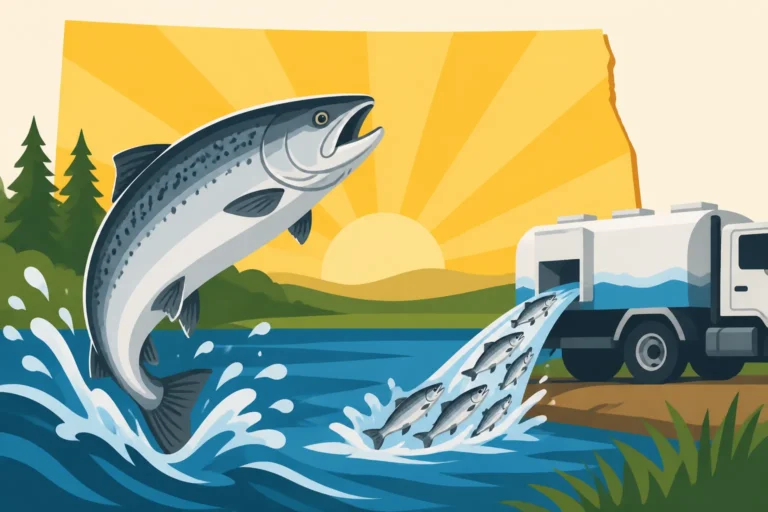
North Dakota is also celebrated for its fantastic panfish and other sport fish populations. Yellow Perch, for instance, are incredibly popular, especially for ice fishing. They are delicious, fun to catch, and often school in large numbers. Crappie and Bluegill are also abundant in many lakes, providing excellent opportunities for both seasoned anglers and beginners alike. Yellow Perch and Panfish Daily Limits Explained provides details on keeping these tasty fish. Then there's the Smallmouth Bass, a feisty fighter found in clear, rocky waters, known for its acrobatic leaps. Even Chinook Salmon are stocked in Lake Sakakawea, offering a unique "big water" trolling experience. The variety truly means there's something for every angler, no matter their preference or skill level.
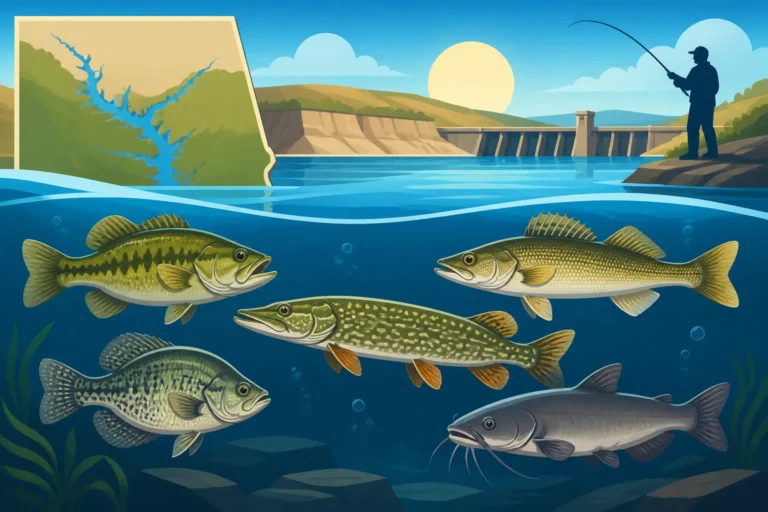
Here's a quick comparison of some of North Dakota's actual top aquatic predators:
| Fish Species | Primary Habitat | Notable Characteristics | Predatory Behavior | Typical Size Range (North Dakota) |
|---|---|---|---|---|
| Northern Pike | Weedy bays, shallow areas, river backwaters | Elongated body, duck-bill snout, sharp teeth, ambush predator. | Aggressive, fast, ambushes prey from cover. | 2-15 lbs (often much larger) |
| Walleye | Deep structure, humps, breaks, low light | Large, reflective eyes, sharp canine teeth, sleek body. | Nocturnal, feeds on baitfish, uses low light vision and lateral line. | 1-10 lbs (trophy size 12+ lbs) |
| Channel Catfish | River channels, deeper lake sections, murky water | Smooth skin, barbels (whiskers), powerful, muscular body. | Opportunistic bottom feeder, uses scent and touch to locate prey. | 2-20 lbs (Red River giants 30+ lbs) |
| Smallmouth Bass | Rocky shorelines, clear water, current | Bronze coloration, vertical bars, strong fighter, compact body. | Aggressive, feeds on crawfish and baitfish, known for jumps. | 1-5 lbs |
| Chinook Salmon | Deep, open waters of Lake Sakakawea | Large, silver body, dark spots, powerful swimmer. | Open water pelagic feeder, pursues smelt and other baitfish. | 5-25 lbs (trophy size 30+ lbs) |
Understanding North Dakota's Aquatic Ecosystem: Why We Have What We Have
The reason North Dakota is home to such a fantastic array of freshwater fish, and definitively not sharks, comes down to a combination of geological history, climate, and dedicated conservation efforts. Our distinct environment shapes the aquatic life we cherish.
Key Factors Shaping Fish Habitats
North Dakota's unique geography, primarily being within the Missouri River drainage basin and having numerous glacial lakes, dictates the types of fish species that can thrive here. The prairie climate, with its warm summers and extremely cold winters, means fish must be adaptable to significant seasonal changes. Our lakes range from shallow and fertile like Devils Lake, known for its incredible perch and walleye, to the massive, deep, and sometimes turbulent waters of Lake Sakakawea, which supports a diverse fishery including salmon and trout. The river systems, like the Missouri and the Red, offer different currents, depths, and food sources, leading to species like the large channel catfish and sturgeon. Understanding these diverse habitats is key to successful fishing and appreciating the state's natural beauty. You can find more comprehensive details about all the Fish Species Found in North Dakota Lakes and Rivers.
Conservation and Management Efforts
The health and diversity of North Dakota's fisheries don't just happen; they're the result of careful management and conservation efforts by the North Dakota Game and Fish Department. They implement North Dakota Fishing Regulations Explained to ensure sustainable populations, conduct fish stocking programs (especially for species like walleye and salmon), and monitor water quality. Efforts to control Aquatic Nuisance Species Rules for Boaters are also crucial to protect native fish populations and habitats. These dedicated efforts ensure that future generations of anglers can continue to enjoy the fantastic fishing opportunities North Dakota has to offer, chasing the real, exciting predators that are perfectly suited to our freshwater world.
So, while you won't be checking your fishing license for a "shark endorsement," you can be sure that North Dakota's waters offer plenty of thrilling catches and diverse fish species to keep any angler entertained and challenged for a lifetime. Happy fishing!
Disclaimer
This article is for general informational purposes only and does not constitute professional advice. Laws, prices and regulations vary by location and change over time. Consult a qualified professional for guidance on your specific situation.