North Dakota Paddlefish Snagging Guide
There's nothing quite like the raw power and sheer size of a North Dakota paddlefish. For many anglers, the thought of grappling with one of these ancient giants can be both thrilling and a little intimidating, especially if you're new to the unique technique of snagging. This comprehensive guide is designed to demystify paddlefish snagging in North Dakota, walking you through everything from understanding the regulations and essential gear to mastering the techniques and safely handling your impressive catch, ensuring your next paddlefishing adventure is successful and unforgettable.
The Allure of North Dakota Paddlefish Snagging
Paddlefishing isn't your everyday fishing trip. It's an event, a unique pursuit that calls to a specific type of angler—one who appreciates history, power, and a truly wild experience. North Dakota's waters, particularly the Missouri River system, offer some of the best opportunities in the country to pursue these prehistoric fish.
Why Paddlefish Are So Unique
Paddlefish are living fossils, true remnants of an ancient past that have roamed North American waters for millions of years. Their most striking feature, of course, is that long, paddle-like snout, which is packed with electroreceptors used to detect plankton, their primary food source. Unlike most fish we target, paddlefish are filter feeders, which means they don't bite traditional baits or lures in the conventional sense. This biological fact is precisely why "snagging" is the legal and accepted method for catching them. Imagine hooking into a fish that can easily top 50, 60, or even over 100 pounds, a fish that existed alongside dinosaurs and still thrives today. It's an experience that truly connects you to the wild heart of the river.
Beyond their unusual appearance, their sheer size is what really captures the imagination. These fish are powerful, built for navigating strong currents, and when you hook one, you'll know it. It's a testament to their incredible resilience and adaptability over countless millennia. The chance to interact with such an ancient and magnificent creature is a privilege, and it's why so many anglers eagerly anticipate the short but intense paddlefish season each year.
The Thrill of the Fight: What to Expect
If you've never hooked a large paddlefish, prepare for an adrenaline rush like no other. When that heavy treble hook finds its mark, it's not a gentle tap; it's often a sudden, brutal shock that immediately tests your tackle and your resolve. These fish don't nibble; they just go. Their initial runs are incredibly powerful, peeling line off your reel with alarming speed. You'll feel the full force of their broad tails and immense body mass as they surge against the current, trying to break free.
Successful paddlefishing isn't just about having the right gear; it's about endurance and strategy. You'll need to maintain constant pressure, pump and reel, and sometimes even walk down the bank to follow a fish that's determined to outrun you. It's a full-body workout that leaves you exhausted but exhilarated. Many anglers describe the fight as akin to battling a runaway freight train or a submerged log that suddenly comes alive. Landing a trophy-sized paddlefish, especially one in the triple digits, is a truly monumental achievement that few other freshwater species can offer. The sheer physicality of the experience, combined with the knowledge that you're battling a prehistoric marvel, makes every successful snagging trip utterly unforgettable.
Conservation and Management Efforts
Given the unique nature of paddlefish and their status as an ancient species, conservation and careful management are paramount. The North Dakota Game and Fish Department (NDGFD) works tirelessly to ensure the long-term health and sustainability of the state's paddlefish populations, particularly in the Yellowstone and Missouri River systems. This involves extensive research, population monitoring, and the implementation of specific regulations designed to protect the species while still allowing for a limited, controlled harvest.
One of the most significant management tools is the annual lottery system for paddlefish tags, which limits the number of fish that can be harvested each year. This helps to prevent overfishing and ensures that the population can reproduce effectively. Additionally, specific snagging zones and season dates are established to coincide with paddlefish spawning runs, allowing anglers access when fish are congregated, but also providing protection during sensitive periods. Anglers play a critical role in these efforts by adhering strictly to all regulations, accurately reporting their catches, and practicing responsible catch-and-release with fish that are not kept. It's a collaborative effort between the state and the angling community to preserve this incredible resource for future generations.
Understanding North Dakota's Paddlefish Season and Regulations
Paddlefish snagging in North Dakota isn't an open-ended affair; it's a highly regulated, specific season that requires careful planning and adherence to rules. These regulations are in place to manage a unique and historically significant fishery, ensuring its health for years to come.
Key Dates and Designated Snagging Areas
The North Dakota paddlefish snagging season typically runs for a limited period, usually in May, when these ancient fish migrate upstream from Lake Sakakawea to spawn in the Yellowstone and Missouri Rivers. This narrow window is critical because it's when paddlefish are concentrated and most accessible to snaggers. The specific dates can vary slightly year to year based on environmental conditions, so it's absolutely crucial to check the latest North Dakota Fishing Regulations Explained proclamation before planning your trip.
The primary designated snagging areas are centered around the confluence of the Yellowstone River and the Missouri River, specifically within designated zones in western North Dakota. This includes the area from the North Dakota/Montana border on the Yellowstone River, downstream to the pipeline crossing on the Missouri River, near the city of Williston. There are also specific rules about fishing beyond these boundaries, and certain areas might have further restrictions or closures. Understanding these geographical limits is just as important as knowing the dates. Fishing outside these designated zones during the paddlefish season, even unintentionally, can lead to serious penalties. Always have a current map or GPS with you to confirm your location within the legal snagging zones. The North Dakota Paddlefish Snagging Season on the Missouri River provides more detailed information on this topic.
Tagging Requirements and Lottery System
Unlike most other species where a general fishing license is all you need, catching a paddlefish in North Dakota requires a specific, annual paddlefish tag. This tag is the cornerstone of the state's conservation efforts for this species. To obtain a tag, anglers must participate in a lottery system administered by the North Dakota Game and Fish Department. The application period for the lottery is usually in March, well in advance of the May season. This system controls the number of paddlefish that can be harvested each year, ensuring the sustainability of the population.
When you successfully draw a tag, it will specify the zone and often the dates for which it is valid. It's a one-tag-per-person-per-year system, meaning you can only legally keep one paddlefish if you are fortunate enough to draw a tag. Once you've caught a legal paddlefish and decided to keep it, you must immediately attach your tag to the fish, as outlined in the regulations. Failing to do so can result in significant fines and penalties. The tag acts as both your permission to harvest and your proof of legal possession. Without it, even if you caught a fish in season, it's considered poaching. You can learn more about the specifics in our guide Do You Need a Paddlefish Tag in North Dakota?.
Equipment Restrictions and Legalities
Paddlefish snagging isn't just about having heavy gear; it's about adhering to very specific equipment regulations designed to ensure fair chase and prevent undue harm to the fish. The rules typically stipulate the type and number of hooks, the use of weights, and even the hours during which snagging is permitted. For instance, regulations commonly specify the use of single-barbed treble hooks, often limited to a certain maximum size. You might also be limited to a specific number of hooks per line.
Hefty weights, sometimes up to 12 ounces or more, are often required to get your hooks to the bottom in the strong river currents where paddlefish typically hold. These weights must be used in a manner that doesn't foul other lines or create excessive snagging hazards for other anglers. Additionally, there are usually restrictions on snagging hours, often limiting it to daylight hours to ensure visibility and prevent illegal activities. It's illegal to attempt to snag fish by any means other than the specified equipment or outside of the designated hours. Ignorance of the law is never an excuse, so carefully review the North Dakota Fishing Proclamation for all current legalities before you even tie on your first hook. Table 1 provides a quick overview of typical gear specifications.
Table 1: Typical Paddlefish Snagging Gear Specifications (Always check current regulations)
| Gear Component | Typical Characteristics | Important Considerations |
|---|---|---|
| Rod | Heavy-duty, stout, 7-9 feet, fast action, strong backbone | Must handle heavy weights and powerful fish |
| Reel | Large conventional or heavy spinning, high line capacity (300+ yards) | Smooth drag system is critical |
| Line | 80-120 lb braided line recommended | Minimal stretch, high abrasion resistance, bright color |
| Hooks | Single-barbed treble hooks, maximum size often specified (e.g., 5/0 – 8/0) | Ensure they are legal size and type, check barbs |
| Weights | Pyramid or egg sinkers, 8-12 oz (or more in heavy current) | Match weight to current to keep rig on bottom |
| Float/Bobber | Large, high-visibility, often optional but aids in depth control | Helps keep leaders off bottom, can mark strikes |
| Leader | Heavy monofilament or fluorocarbon (80-100 lb) | Abrasion resistant, strong knots for connection |
Essential Gear for North Dakota Paddlefish Snagging
Paddlefishing is not for light tackle. These are big, powerful fish in big, powerful rivers, and your gear needs to be up to the challenge. Skimping on tackle will lead to heartbreak, lost fish, and a frustrating experience. Investing in the right equipment is crucial for success and enjoyment.
Rods, Reels, and Line: Building Your Powerhouse Setup
When it comes to rods for paddlefish snagging, think heavy, extra-heavy, or even custom-built "paddlefish rods." You need a rod that can cast heavy weights (often 8-12 ounces or more) repeatedly and absorb the shock of a sudden, powerful strike. A typical paddlefish rod will be 7 to 9 feet long, with a very stiff backbone and a fast action tip to help detect those subtle "snags" and provide leverage. Graphite or composite blanks are common, offering a balance of strength and sensitivity. You're not looking for finesse; you're looking for brute force and durability.
For reels, you'll want something with a robust drag system and a high line capacity. Large conventional reels (like those used for saltwater bottom fishing or catfishing) are popular, as are heavy-duty spinning reels. The key is to hold a lot of line—at least 300 yards of heavy braid—and have a smooth, consistent drag that won't seize up under immense pressure. Brands like Penn, Daiwa, or Shimano offer models that fit the bill. As for line, braided line is the undisputed champion for paddlefish. Its minimal stretch gives you direct feel to your rig on the bottom and helps transmit the "snag" more effectively. Go with a heavy test, typically 80 to 120 pounds. The breaking strength isn't just for the fish; it's also for reeling in snagged logs, rocks, or dealing with the incredible force of the current. You can often find great options for these heavy-duty setups on platforms like Amazon, making it convenient to source the right gear from home.
Hooks, Weights, and Floats: The Business End of Your Rig
The "business end" of your paddlefish setup needs to be equally robust and specifically configured for snagging. The primary component is the treble hook. Regulations typically specify single-barbed treble hooks, often in sizes ranging from 5/0 up to 8/0 or even larger. These hooks need to be strong, sharp, and capable of penetrating the tough hide of a paddlefish. Always double-check the current regulations for exact hook size and barb requirements, as these can change.
To get your hooks down to where the paddlefish are feeding, you'll need substantial weight. Pyramid or egg sinkers are common, and you'll often be using 8, 10, or even 12 ounces, depending on the current conditions. The weight needs to be heavy enough to keep your rig near the bottom, even in fast-moving water. Many anglers will attach their weight to a short dropper line with a weaker breaking strength than their main line. This way, if the sinker gets hopelessly snagged on the bottom, you might only lose the weight and not your entire rig. Lastly, while not always mandatory, a large, high-visibility float or bobber can be a helpful addition. Positioned above your weights and hooks, it can help keep your leader and hooks slightly off the bottom, reducing snags on debris, and also provide a visual indicator of your line's position and sometimes even a subtle "strike" from a paddlefish.
Safety and Essential Accessories
Paddlefish snagging involves heavy gear, powerful currents, and very large fish, making safety an absolute priority. Beyond the fishing tackle, several essential accessories can make your trip safer, more comfortable, and more successful. First and foremost, a properly fitted life jacket is non-negotiable, especially if you're fishing from a boat or near treacherous shorelines. The Missouri River is a powerful waterway, and accidents can happen quickly.
Heavy-duty gloves are also crucial. Not only will they protect your hands from the rough braided line during casting and reeling, but they are absolutely essential for handling a large, thrashing paddlefish with sharp hooks. A long-nosed pliers or a dedicated hook remover is vital for safely unhooking fish, whether you're releasing them or keeping them. A sturdy measuring tape is needed to ensure your fish meets legal size requirements before tagging. Don't forget a camera to capture the moment you land that monster! Other helpful items include a large cooler with plenty of ice if you plan to keep your fish, sturdy waders if you're shore fishing, and appropriate clothing for North Dakota's often unpredictable spring weather. Having these items on hand means you're prepared for the unique challenges that paddlefish snagging presents.
Mastering Paddlefish Snagging Techniques
Paddlefish snagging is a skill that takes practice, but understanding the fundamentals will dramatically increase your chances of success. It's a dance between reading the water, powerful casting, and a distinct retrieving motion.
Reading the River: Locating Paddlefish Hotspots
Successfully snagging a paddlefish begins long before you cast your line; it starts with understanding the river. Paddlefish migrate upstream during their spawning run, and they tend to congregate in specific areas, especially where there's a strong current and deeper water. Look for prominent current breaks, deep holes, and eddies. These areas provide places for the fish to rest or funnel through as they move. The confluence of the Yellowstone and Missouri Rivers is a classic example of where these conditions meet, drawing in large numbers of paddlefish.
Pay attention to subtle changes in water color and flow. Sometimes, a slight slack water area adjacent to a roaring current can be a magnet for fish looking to conserve energy. Experienced snaggers also learn to "read" their electronics, if fishing from a boat, to identify large schools of fish holding near the bottom. If you're shore fishing, observe where other successful anglers are concentrating their efforts; they've likely found a productive holding area. Remember, paddlefish are constantly moving, so a spot that's hot one hour might be cold the next. Be prepared to move and experiment with different depths and current seams until you find where the fish are holding. Knowing where to focus your efforts is half the battle in this unique form of fishing.
The Art of the Snag: Casting and Retrieving
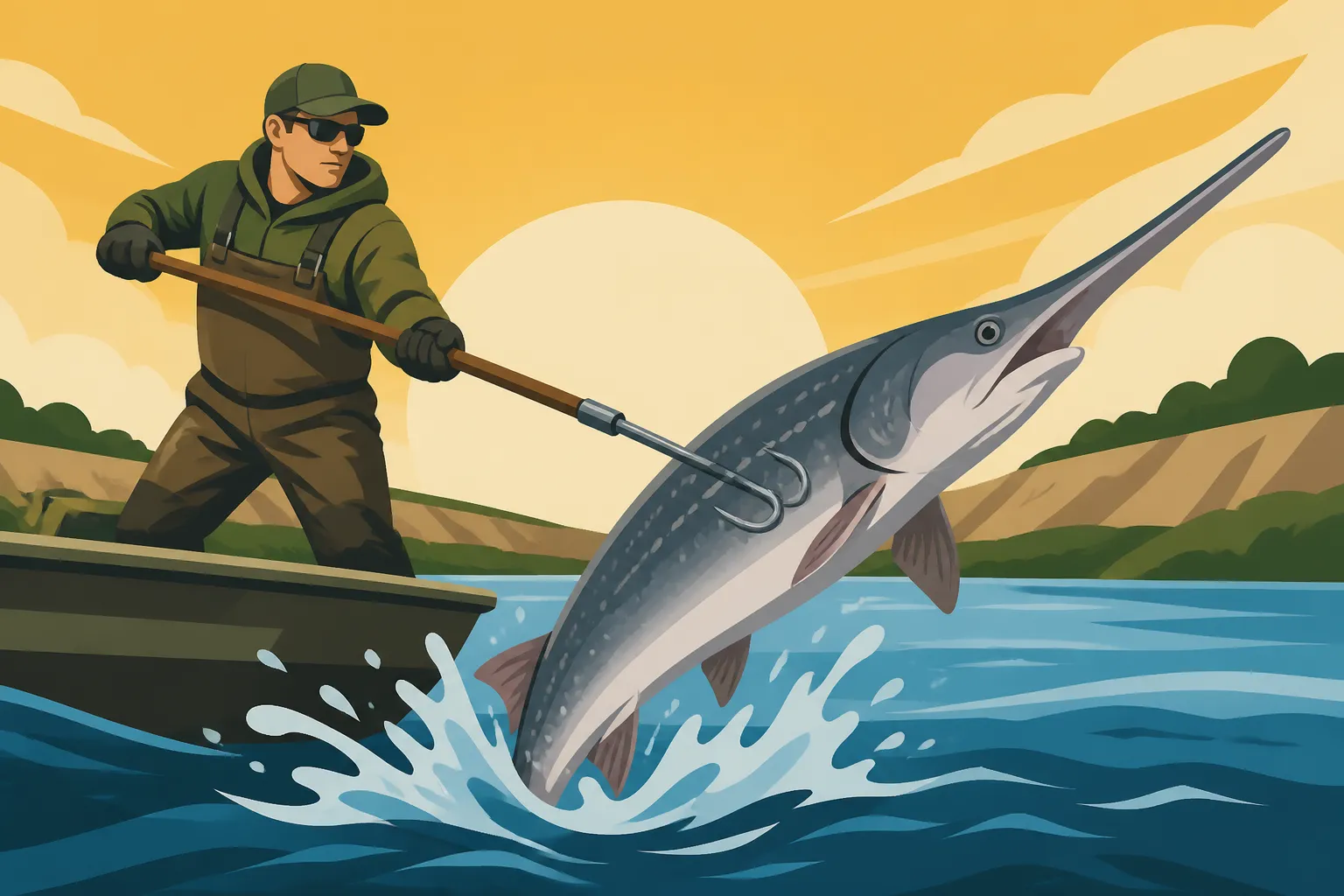
Once you've identified a promising location, the real work begins. The goal of snagging is to cast your heavy rig upstream and across the current, allowing the weights to sink quickly to the bottom, then sweeping the rod to "snag" a fish. It's a powerful and rhythmic motion. First, make a strong, overhead cast that propels your heavy weight and hooks well out into the river, aiming upstream of where you believe fish are holding. The heavy braided line available on Amazon is excellent for these powerful casts. Allow your rig to sink, feeling for the weight to hit the bottom. Once it's down, immediately begin your retrieve.
The "snagging" motion involves a series of strong, upward sweeps of your rod, followed by a quick reel-down to take up the slack line as your rig drifts downstream. Imagine a pendulum motion: rod up, reel down, rod up, reel down. Each upward sweep is an attempt to "hook" a paddlefish that might be in your path. The key is consistency and covering as much water column as possible near the bottom where these fish often hold. You'll need to develop a feel for when your hooks are sweeping through empty water versus when they might be dragging along the bottom or, ideally, connecting with a fish. It requires strength, rhythm, and persistence. Don't be discouraged if you snag bottom frequently; it's part of the game.
Fighting and Landing a North Dakota Paddlefish
When you feel that sudden, heavy thud on your line, often accompanied by your rod nearly being ripped from your hands, you've snagged a paddlefish! The fight is immediate and intense. The first thing you need to do is set the hook with another strong sweep, then hold on. These fish make incredibly powerful runs, often stripping line off your reel rapidly. It's crucial that your reel's drag is set correctly—tight enough to put pressure on the fish but loose enough to prevent your line from breaking or your rod from snapping.
The fight is usually a back-and-forth battle of wills. You'll need to "pump and reel," lifting the rod to gain line, then quickly reeling down as you lower the rod. This technique, combined with a steady retrieve, helps to tire the fish. Paddlefish often use the strong river current to their advantage, so you may need to walk down the bank, following the fish as it makes its runs. Keep the rod tip up to maintain leverage and control. When the fish finally comes close, do not rush. Paddlefish are incredibly strong and can make a final powerful surge right at the bank or boat. Landing them requires careful coordination. If from shore, bring it to a shallow, calm area where it can be handled safely. If from a boat, a large net or a strong gaff may be used, always aiming for the head or thickest part of the body to minimize injury. The goal is a quick, safe landing for both you and the fish.
Post-Catch Procedures and Ethical Angling
Landing a North Dakota paddlefish is a significant accomplishment, but the job isn't done yet. There are specific procedures to follow after the catch, especially concerning legal requirements and ethical treatment of the fish.
Measuring, Tagging, and Reporting Your Catch
Once you've landed a paddlefish and determined you want to keep it (and you have a valid tag), immediate action is required. First, measure the fish carefully to ensure it meets any minimum or maximum size limits that may be in effect. These regulations are designed to protect younger, smaller fish and larger, older breeding stock. The length is typically measured from the eye to the fork of the tail.
After confirming it's a legal keeper, you must immediately and permanently attach your paddlefish tag to the fish. The regulations will specify exactly where and how this tag should be affixed—usually through the jaw or gill plate. This tag must remain attached until the fish is processed. Finally, North Dakota has specific reporting requirements for harvested paddlefish. This often involves reporting your catch online or to a designated station within a certain timeframe. This data is vital for the NDGFD's management efforts, providing critical information on harvest numbers and population health. Failure to tag or report your catch correctly can lead to fines and loss of future fishing privileges. These steps are a crucial part of responsible angling and help sustain the paddlefish fishery.
Safe Release Practices for Unwanted Fish
Not every paddlefish you snag will be a keeper. You might snag a fish that is too small, too large, from a different zone than your tag is valid for, or simply one you decide to release. In these situations, practicing safe and ethical catch-and-release is paramount to the survival of the fish. The goal is to minimize stress and physical harm. Try to keep the fish in the water as much as possible, especially during unhooking and measuring. If you must remove it from the water, do so quickly and support its body horizontally to avoid internal damage to organs or its spine, which can be particularly sensitive in large, heavy fish.
Use a hook remover or pliers to quickly and gently extract the treble hook. If the hook is deeply embedded and cannot be removed without causing significant trauma, it's often better to cut the line as close to the hook as possible. The hook will usually corrode and fall out over time, and this causes less stress than prolonged struggling for removal. Once unhooked, hold the fish gently in the current, facing upstream, until it regains its strength and can swim away on its own. Avoid tossing or dropping the fish back into the water. Your careful actions in releasing an unwanted fish directly contribute to the health and vitality of North Dakota's paddlefish population.
Processing Your Paddlefish: Caviar and Meat
For those who successfully harvest a paddlefish, the experience extends to processing this unique catch. Paddlefish are highly prized for two main things: their roe (eggs), which is processed into a delectable caviar, and their firm, white meat. The roe is typically found in mature female fish during the spawning run, and extracting it requires careful handling. The eggs need to be gently removed from the skein, rinsed, and salted to prepare them for caviar. This is a delicate process that requires cleanliness and attention to detail to ensure a high-quality product.
The meat of the paddlefish is also excellent, often described as mild and firm, similar to swordfish or sturgeon. It's a great choice for grilling, smoking, or frying. Cleaning a paddlefish is a bit different from other species due to their cartilaginous skeleton. There are specific techniques for skinning and filleting them to maximize the meat yield and minimize waste. Many anglers look up tutorials or seek advice from experienced processors to ensure they get the most out of their catch. Remember, proper handling and chilling of the fish immediately after harvest are essential to preserve the quality of both the meat and the roe. A large cooler packed with ice is absolutely essential for keeping your trophy fresh until you can get it home for processing.
Navigating the North Dakota Paddlefish Lottery
The opportunity to keep a paddlefish in North Dakota isn't guaranteed; it's managed through a lottery system, a testament to the unique and limited nature of this fishery. Understanding how this system works is key to even having a chance at a tag.
Understanding the Application Process
The North Dakota Game and Fish Department administers the annual paddlefish tag lottery, and applying is your first step toward a successful snagging season. The application period typically opens in late winter or early spring, often in March, well ahead of the May snagging season. It's crucial to pay close attention to the announced deadlines, as late applications are rarely, if ever, accepted. The application is generally submitted online through the NDGFD's licensing portal.
During the application process, you'll need to provide your personal information, including your North Dakota fishing license number if you're a resident, or your identifying information if you're a non-resident. You'll also typically be asked to select your preferred snagging zone (usually Zone 1 or Zone 2, referring to different stretches of the Yellowstone and Missouri Rivers) and indicate whether you're applying as an individual or as part of a group. Be careful and accurate with your choices, as changes after submission are usually not possible. There is typically a small application fee, separate from the cost of the tag itself. Once the application period closes, the draw occurs, and successful applicants are notified, often via email or a public list. If you're successful, your tag will then be mailed to you or made available digitally, ready for your snagging adventure.
Tips for Increasing Your Chances (Within Regulations)
While the lottery is, by nature, a game of chance, there are a few strategies you can consider to potentially improve your odds of drawing a paddlefish tag in North Dakota, all while staying strictly within the established regulations. One common tip is to apply as part of a group. Many lotteries allow groups of anglers to apply together, and if one person in the group draws a tag, everyone in the group receives one. This can sometimes pool your chances, though it's important to understand the specific group application rules, which may include limits on group size or how preference points are handled.
Another strategy involves understanding the historical success rates for different zones. While not always consistent year-to-year, sometimes one zone might have slightly less pressure than another, potentially offering marginally better odds. However, applying for a less popular zone also means you'll be fishing in that specific area, which might not be your preferred location. Lastly, simply being consistent is key. If you're unsuccessful one year, applying again the next year and accumulating preference points (if the system includes them) can slowly increase your chances over time. There's no magic bullet, but thoughtful application can tip the scales slightly in your favor. And, of course, remember to secure your North Dakota Fishing License Cost Guide first!
What to Do If You Don't Get a Tag (and Alternative Options)
It's a reality for many aspiring paddlefish snaggers: sometimes, despite your best efforts, you simply don't draw a tag in the lottery. It can be disappointing, especially when you've built up all that excitement for the season. However, not getting a tag doesn't mean your North Dakota fishing dreams are over for the year. The most straightforward option is to simply try again next year. Persistence often pays off in lotteries, especially if there's a preference point system in place. Each year you apply and aren't drawn might earn you a point, increasing your mathematical chances in subsequent years.
In the meantime, North Dakota offers a plethora of other incredible fishing opportunities. If the thrill of big game fishing still calls, consider targeting trophy Northern Pike in lakes like Sakakawea or Devils Lake, or battling massive Channel Catfish on the Red River. North Dakota Walleye Fishing Guide and North Dakota Northern Pike Fishing Guide are popular pursuits for many anglers. If you're still eager to be part of the paddlefish action, consider going along with a friend or family member who did draw a tag, just to experience the thrill of the chase and learn from their techniques (remember, you cannot touch the rod or fish if you don't have a tag). Sometimes, simply being present and observing can be incredibly educational and enjoyable. And always ensure you have a valid How to Get a North Dakota Fishing License for other species!
Common Challenges and Solutions in Paddlefish Snagging
Paddlefish snagging is not without its difficulties. The challenging environment, the powerful fish, and the specific techniques can present hurdles. Being aware of these common problems and having strategies to overcome them will lead to a more successful and less frustrating experience.
Dealing with Heavy Current and Snags
The Missouri and Yellowstone Rivers are powerful waterways, and their strong currents are both a blessing and a curse for paddlefish snaggers. The current brings the paddlefish upstream, but it also makes fishing incredibly challenging. Heavy currents require heavier weights, often 8 to 12 ounces or more, just to keep your rig near the bottom. The heavier the weight, the more physically demanding the casting and retrieving become. One common frustration is constantly snagging on the river bottom—rocks, logs, and other debris that the current washes along. Losing tackle is an inevitable part of paddlefish snagging, but you can minimize it.
To mitigate lost gear, consider using a weaker leader for your sinker attachment. By tying your weight to a short dropper line that's a lower test strength (e.g., 20-30 lb monofilament) than your main braided line, you create a "breakaway" point. If your sinker gets hopelessly stuck, only the weight (and the short leader) breaks off, saving your expensive hooks and main line. Additionally, learn to feel the bottom. As your rig drifts, you'll develop a sense for when it's dragging over clean gravel versus when it's bumping into something that might cause a snag. A quick, sharp lift of the rod can sometimes dislodge your rig before it gets irretrievably stuck. Fishing during lower flow periods, if possible, can also reduce both current strength and the amount of debris moving downstream.
Physical Demands and Endurance
Paddlefish snagging is a physically demanding sport. It's not a sit-back-and-relax kind of fishing. Repeatedly casting heavy weights, often for hours on end, is taxing on your shoulders, back, and arms. Then, when you do hook into a large paddlefish, the fight is a full-body workout. These fish are incredibly strong and pull relentlessly, testing your endurance and strength. Many anglers describe feeling completely drained after even one successful catch.
To prepare for these physical demands, consider doing some light exercise in the weeks leading up to your trip. Strengthening your core, back, and arm muscles can make a significant difference. Bring plenty of water and snacks to stay hydrated and keep your energy levels up throughout the day. Take breaks when you need them, and don't push yourself past your limits. Team up with a buddy who can help with landing and managing the fish, especially if you're targeting those truly massive specimens. Remember, the goal is to enjoy the experience, not to injure yourself. Pace yourself, listen to your body, and celebrate every cast and every fight, whether it results in a fish or not.
Weather Conditions and Safety Considerations
North Dakota's spring weather can be notoriously unpredictable, and paddlefish season often falls during a time of year when conditions can swing wildly. You could start the day in sunshine and calm, only for high winds, rain, or even snow to roll in unexpectedly. These changing weather patterns can significantly impact your safety and comfort on the water. High winds, especially on wide-open river stretches, can create dangerous waves for boaters and make casting from shore incredibly difficult. Rain can make riverbanks slippery and treacherous, increasing the risk of falls.
Always check the local weather forecast thoroughly before heading out and be prepared for all contingencies. Dress in layers to adapt to temperature fluctuations. Waterproof outer gear is essential, as is sturdy, waterproof footwear with good traction. If fishing from a boat, ensure all safety equipment, including properly sized life jackets for everyone on board, is easily accessible. Let someone know your fishing plans and expected return time. The power of the river itself is a significant safety factor. Currents can be swift, and water levels can rise quickly with upstream precipitation. Respect the river, stay aware of your surroundings, and never take unnecessary risks for the sake of a fish. Your safety and well-being should always be your top priority.
The Broader North Dakota Fishing Experience
While paddlefish snagging offers a truly unique adventure, North Dakota is a state brimming with diverse and exciting fishing opportunities throughout the year. Don't let the end of paddlefish season mean the end of your fishing calendar!
Beyond Paddlefish: Other Species to Pursue
North Dakota is renowned for its world-class fishing for a variety of other popular game fish. Once the intensity of paddlefish season subsides, or if you don't draw a tag, you have excellent options to pursue. Walleye, often considered the state's most popular game fish, are abundant in huge lakes like Lake Sakakawea and Devils Lake. Anglers travel from all over to experience the fantastic walleye bite, employing techniques from jigging to trolling crankbaits. Our North Dakota Walleye Fishing Guide offers a deep dive into catching these delicious fish.
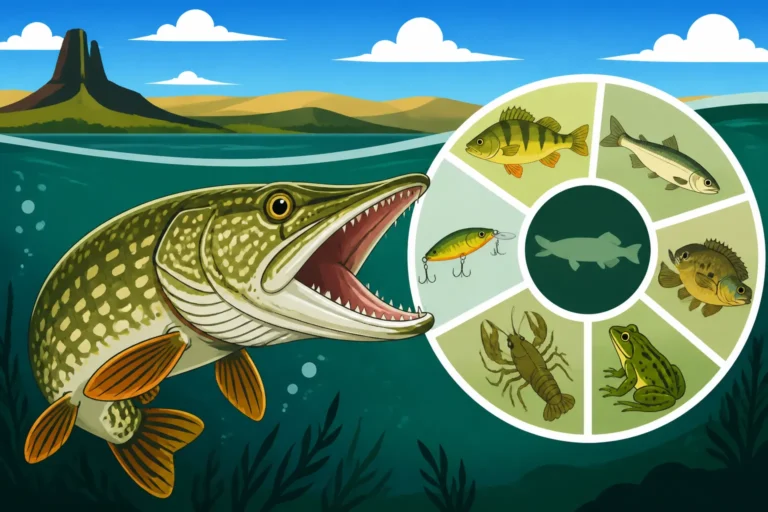
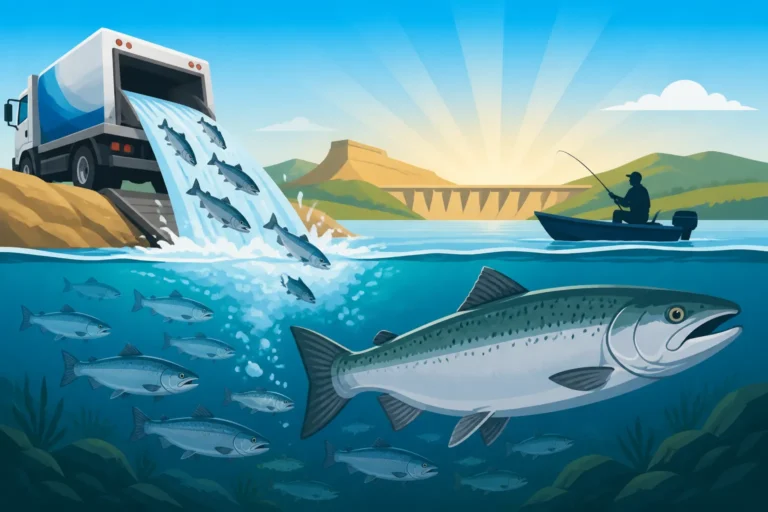
Northern Pike are another fantastic sport fish, known for their aggressive strikes and powerful fights. They lurk in the same big lakes and many smaller waters across the state. They'll readily hit large spoons, spinnerbaits, and even topwater lures, providing thrilling action, especially in the spring and fall. For those who enjoy a strong fight and a delicious meal, the Red River of the North is home to some of the largest Channel Catfish in the country. Our North Dakota Channel Catfish Fishing Guide details how to target these giants. Beyond these, you'll also find excellent fishing for Yellow Perch, Smallmouth Bass, Crappie, and even Chinook Salmon in Lake Sakakawea. The diversity means there's always something biting.
Exploring Other North Dakota Waters
While the Yellowstone and Missouri Rivers are central to paddlefish snagging, North Dakota boasts an incredible array of other lakes and rivers that offer fantastic angling throughout the year. Lake Sakakawea, one of the largest man-made reservoirs in the world, is a true fishing paradise. Stretching for over 170 miles, it's famous for its walleye, northern pike, and Chinook salmon fishery. Anglers can spend weeks exploring its countless bays and submerged structures. Our Lake Sakakawea Fishing Guide for North Dakota Anglers is a must-read for anyone planning a trip there.
Devils Lake, known as the "Perch Capital of the World," is another legendary fishery, particularly for walleye, northern pike, and jumbo yellow perch. Its continually rising waters have created incredible flooded timber habitats, making for unique and productive fishing. For river enthusiasts, beyond the paddlefish zones, the Missouri River itself offers excellent fishing for walleye, sauger, and smallmouth bass, especially below the Garrison Dam. The Red River of the North, forming part of the border with Minnesota, is a catfish angler's dream. No matter your preference, North Dakota has a fishing spot for you. Our comprehensive Best Places to Fish in North Dakota guide will help you discover your next angling destination.
Planning Your North Dakota Fishing Adventure
Planning a fishing trip to North Dakota, whether for paddlefish or other species, involves a few key steps to ensure a smooth and enjoyable experience. First and foremost, you'll need to secure the appropriate fishing licenses. For most species, a standard North Dakota fishing license is sufficient, but remember that paddlefish require a separate tag obtained through a lottery. Details on obtaining licenses can be found in our How to Get a North Dakota Fishing License guide.
Consider the time of year you plan to visit, as different species peak at different seasons. Spring brings paddlefish, walleye, and pike in transition. Summer offers excellent open-water fishing, and fall can be fantastic for trophy fish as they feed heavily before winter. Research accommodations well in advance, especially during popular seasons, as lodging near prime fishing spots can fill up quickly. Many areas, like those near Lake Sakakawea or Devils Lake, offer a range of options from rustic cabins to full-service resorts. Don't forget to pack according to the season and the unpredictable North Dakota weather. A little preparation goes a long way in ensuring your North Dakota fishing adventure is memorable for all the right reasons.
Disclaimer
This article is for general informational purposes only and does not constitute professional advice. Laws, prices and regulations vary by location and change over time. Consult a qualified professional for guidance on your specific situation.