Best Kayaks for North Dakota Fishing
For many anglers in North Dakota, the thought of fishing the vast lakes and meandering rivers can feel daunting without a big boat. The truth is, you don't need a massive rig to access incredible fishing opportunities here, but figuring out which personal watercraft will actually hold up to our unique conditions can be a real head-scratcher. This guide is here to help you navigate the often overwhelming world of fishing kayaks, ensuring you choose the best vessel to conquer North Dakota's diverse waters and reel in those trophy catches.
Why Kayak Fishing in North Dakota is a Game Changer
North Dakota isn't just about giant lakes and wide-open prairies; it's also a state brimming with intimate backwaters, hidden coves, and river stretches that bigger boats simply can't reach. This is where kayak fishing truly shines, offering an unparalleled blend of access, stealth, and pure, unadulterated angling adventure. It’s a completely different experience than being in a traditional fishing boat, allowing for a deeper connection with the water and the environment around you.
The Allure of Quiet Waters and Unpressured Fish
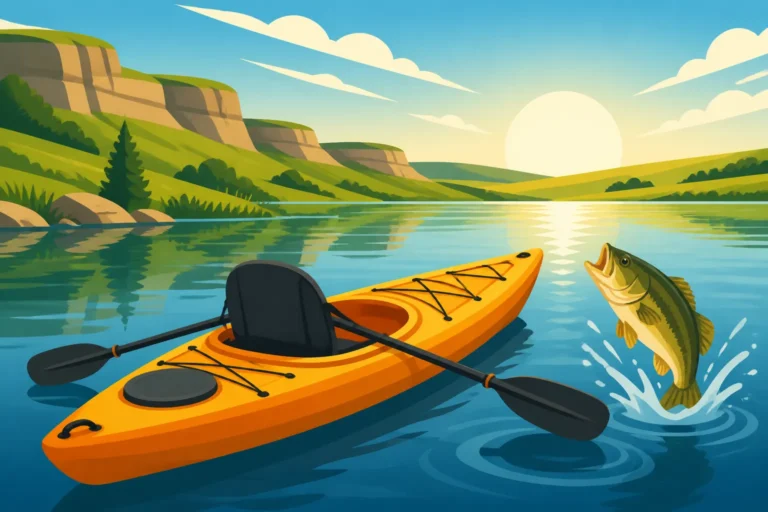
There's something incredibly special about gliding silently across the water, propelled only by your paddle or pedals, with just the sounds of nature as your soundtrack. This stealth factor is perhaps the biggest advantage of kayak fishing. You can approach wary fish in shallow bays, sneak into tight pockets of flooded timber, or drift down a river current without spooking them with a loud outboard motor. Think about those glassy mornings on Devils Lake when the fish are hugging structure close to shore; a kayak lets you get right in there without a ripple.
This quiet approach often translates to better fishing. Fish that have seen countless larger boats zip by might be more skittish, but a kayak allows you to blend into the environment. It's not uncommon for kayak anglers to report more consistent bites in areas that are heavily pressured by powerboats. Plus, the peace and quiet of a kayak trip are therapeutic in themselves, offering a serene escape from the hustle and bustle of everyday life. You're not just fishing; you're immersing yourself in the landscape, truly experiencing the wild beauty that North Dakota has to offer, from the gentle lapping of waves against the hull to the calls of various waterfowl.
Navigating North Dakota's Diverse Waterways
North Dakota boasts an incredible variety of fishing environments, each with its own challenges and rewards. From the massive, windswept expanse of Lake Sakakawea to the flooded timber and fluctuating levels of Devils Lake, and the winding currents of the Missouri and Red Rivers, a versatile fishing platform is key. Kayaks, by their very nature, are incredibly adaptable. A good fishing kayak can handle the choppier conditions of larger reservoirs, yet remain nimble enough to explore narrow channels, small creeks, and shallow backwaters that a larger boat could never dream of reaching.
Consider the smaller, often overlooked fishing holes like the lakes in the Turtle Mountains or the meandering Sheyenne River. These gems offer fantastic fishing, but access can be limited. A kayak, easily transported on top of a vehicle or in the bed of a truck, opens up a whole new world of possibilities. You're no longer confined to boat ramps or developed access points; many quiet stretches of water become your personal fishing grounds. This freedom of exploration means you can constantly discover new spots and adapt your fishing strategy based on conditions, making every outing a unique adventure.
Cost-Effectiveness and Portability Advantages
Let's be real: traditional boat ownership can be a significant investment, not just in the initial purchase but also in ongoing costs like fuel, maintenance, storage, and registration. Fishing kayaks, by comparison, offer a much more budget-friendly entry into the world of fishing. While high-end models can rival the cost of a small aluminum boat, there are plenty of excellent, affordable options that deliver fantastic performance without breaking the bank. This lower barrier to entry means more people can get out on the water and enjoy the sport.
Beyond the initial cost, the portability of kayaks is a huge win for North Dakota anglers. You don't need a massive truck or a special trailer for many models. They can be strapped to a roof rack, slid into a truck bed, or even fit into some larger SUVs. This ease of transport means you can spontaneously decide to hit a local pond after work or explore a new fishing spot further afield without the logistical headaches associated with trailering a bigger boat. For those who enjoy varied fishing experiences, from fly fishing small streams to casting for walleye on a larger lake, a kayak offers the flexibility to adapt to almost any scenario. Plus, the ability to launch from almost anywhere, from a sandy bank to a designated North Dakota Fishing Access Sites on Lake Sakakawea, drastically simplifies your fishing day.
Key Features to Look for in a North Dakota Fishing Kayak
Choosing the right fishing kayak for North Dakota isn't a one-size-fits-all decision. Our conditions, from the calm mornings to the sudden afternoon winds, demand specific features. When you're browsing the aisles at a place like Bass Pro Shops or scrolling through options on Amazon, it's easy to get overwhelmed. But focusing on a few critical aspects will help you narrow down the field and find a kayak that truly enhances your time on the water.
Stability vs. Speed: Finding Your Balance
This is often the biggest compromise kayak anglers face. A wider, flatter hull provides excellent primary stability, meaning it feels very solid when you're sitting still or moving slowly. This is fantastic for standing up to cast, sight fishing in shallow water, or simply feeling secure when a big walleye hits your line. However, this extra stability usually comes at the cost of speed and tracking. A very stable kayak will likely be slower to paddle and might struggle to hold a straight line in windy conditions or strong currents.
On the other hand, a narrower, more V-shaped hull offers better secondary stability (how resistant it is to tipping over once it starts leaning) and cuts through the water more efficiently, making it faster and easier to paddle long distances. This could be ideal if you plan to cover a lot of water on Lake Sakakawea or paddle upstream on the Missouri River. The trade-off is often that you'll feel less secure, and standing up might be out of the question. For North Dakota, where wind can pick up quickly and you might be fighting a big pike, a good balance is usually preferred. Many modern fishing kayaks are designed with a hybrid hull that aims to give you decent speed while retaining enough stability to fish comfortably and safely. Consider how you fish most often: do you spend a lot of time casting while standing, or are you primarily trolling or paddling long distances? Your answer will guide your choice.
Storage and Rigging Options for Gear
A fishing kayak needs to be more than just a boat; it's your mobile fishing platform. This means ample storage and easy rigging options are absolutely crucial, especially when you consider the amount of gear we often carry. Look for kayaks with plenty of accessible storage, both wet and dry. Hatch compartments with secure seals are great for electronics, extra clothing, and anything you need to keep dry. Open storage areas, often with bungee cords or cargo nets, are perfect for tackle boxes, soft-sided coolers, and larger items.
The ability to customize your kayak with accessories is also a major factor. Integrated track systems (like GearTrac or YakAttack tracks) allow you to easily mount rod holders, fish finders, camera mounts, and other accessories without drilling permanent holes. Paddle parks, anchor trolleys, and transducer mounting plates are other features that greatly improve the fishing experience. Think about your typical fishing trip: how many rods do you bring? Do you use a fish finder? Do you carry a lot of tackle? The more gear you have, the more important these rigging features become. A well-rigged kayak can truly feel like a mini bass boat, putting everything you need within easy reach.
Seating Comfort for Long Days on the Water
This might sound like a luxury, but after a few hours on the water, you'll realize just how vital a comfortable seat is. Early fishing kayaks often came with molded-in seats that offered little support or padding, leading to aches and pains. Thankfully, most dedicated fishing kayaks today feature adjustable, framed seats that sit higher off the deck. These seats provide excellent lumbar support, are often breathable, and can make a huge difference in your endurance and enjoyment on long fishing excursions.
A comfortable seat not only prevents fatigue but also improves your casting posture and overall effectiveness as an angler. Some seats even offer multiple height positions, allowing you to choose between a low position for stability in rougher water or a high position for better visibility and easier casting in calm conditions. When testing out kayaks, pay close attention to the seat. Can you adjust it? Does it feel supportive? Is there enough room for your legs? Remember, you'll be spending hours in this seat, so prioritizing comfort is well worth it. You don't want to cut your North Dakota Fishing Season Calendar short because of a sore back!
Hull Design and Material Considerations
The hull design dictates much of a kayak's performance, influencing stability, speed, and maneuverability. Beyond the general shape (flat, V-shaped, or hybrid), consider the keel line. A more pronounced keel will help with tracking, especially important on large, windy bodies of water like Lake Sakakawea. Rocker, the curvature of the hull from bow to stern, affects maneuverability. More rocker makes a kayak easier to turn but harder to paddle straight. Less rocker makes it track better but less responsive.
Most fishing kayaks are made from roto-molded polyethylene, a durable and relatively inexpensive plastic that can take a beating. It's tough enough for scraping over shallow rocks on the Red River or bumping against shorelines. However, it can be heavy. Some premium kayaks use lighter materials, but these often come with a higher price tag. The material also affects buoyancy and temperature insulation, which can be a factor when you're fishing in early spring or late fall in North Dakota. Think about where you'll be launching and landing your kayak; will it be sandy beaches, rocky shores, or muddy banks? The durability of polyethylene is a big advantage in these varied North Dakota conditions.
Types of Fishing Kayaks Best Suited for North Dakota
Once you have a handle on the key features, it's time to look at the broad categories of fishing kayaks available. Each type has its own strengths and weaknesses, making some better suited than others for the specific challenges and opportunities presented by North Dakota's diverse fishing grounds. Understanding these distinctions will help you make an informed choice that aligns with your fishing style and the environments you plan to tackle.
Sit-on-Top SOT Kayaks for Versatility
Sit-on-top (SOT) kayaks are by far the most popular choice for fishing, and for good reason. Their open deck design offers unparalleled accessibility and ease of movement. You literally sit on top of the kayak, not inside it. This means it's much easier to get on and off, which is a huge plus if you're launching from tricky spots or need to wade for a bit. If you happen to capsize, re-entry is generally much simpler as well. The open deck also means more room for gear and easier access to tackle.
Many SOT fishing kayaks feature a wide, stable platform, making them ideal for stand-up fishing – a game-changer for sight fishing or simply getting a better vantage point. They often have scupper holes that allow water to drain through, keeping the deck relatively dry even if waves come over the bow. For North Dakota's warmer months, or when you’re fishing big water like Lake Sakakawea where you might get splashed, the SOT design is incredibly versatile and comfortable. They're excellent for chasing walleye, pike, and smallmouth bass across various lakes and slower river stretches. However, in colder temperatures or windy conditions, you'll be more exposed to the elements than in a sit-inside model, so proper clothing is essential. You'll find a massive selection of these models at retailers like Bass Pro Shops.
Sit-Inside SIT Kayaks for Colder Conditions
While less common for dedicated fishing, sit-inside (SIT) kayaks still have their place, especially in North Dakota's cooler climate. With a sit-inside kayak, you sit down inside the cockpit, which offers more protection from wind, spray, and cold water. This can be a huge advantage during early spring North Dakota Ice Out Fishing Guide or late fall fishing, extending your comfortable fishing season. The enclosed hull also provides more inherent buoyancy and can be surprisingly efficient to paddle, making them a good choice if you prioritize speed and tracking over stand-up stability.
However, the trade-offs are significant for fishing purposes. The enclosed cockpit limits mobility and storage space, making it harder to access tackle or rig multiple rods. Getting in and out can be more challenging, especially from the water, and re-entry after a capsize is more difficult without specialized techniques. While some SIT kayaks are designed with larger cockpits and basic fishing features, they generally don't offer the same level of comfort or customizability as a dedicated SOT fishing kayak. For very specific scenarios, like fly fishing a small, sheltered creek in cooler weather, a sit-inside might be considered, but for most North Dakota anglers targeting a variety of species and waters, an SOT will usually be a more practical choice.
Pedal-Drive vs. Paddle-Drive Kayaks
This is perhaps the most significant innovation in fishing kayaks in recent years: the choice between traditional paddle power and a pedal-drive system.
Paddle-Drive Kayaks:
These are your classic kayaks, propelled by a double-bladed paddle. They are typically lighter, more affordable, and simpler in design. Paddle-drive kayaks are great for getting into super shallow water where a pedal unit might drag, and they excel in areas with lots of submerged obstacles. They also offer a more direct, upper-body workout. However, the downside is that your hands are constantly occupied with paddling, making it challenging to fish, steer, and manage your line simultaneously, especially in windy conditions or current. For many anglers, the constant paddle adjustments can be a source of frustration, particularly when trying to hold a position on a subtle piece of structure.
Pedal-Drive Kayaks:
These kayaks feature a system (usually fins or a propellor) that you power with your legs, similar to riding a bicycle. The biggest advantage here is hands-free propulsion. This means you can actively fish, cast, tie knots, and even eat a sandwich while continuously moving or holding your position against wind or current. This is a game-changer for trolling, covering large expanses of water, or precisely positioning yourself over fish-holding structure. Brands like Hobie and Old Town are leaders in the pedal-drive market, offering robust and efficient systems.
Pedal-drive kayaks tend to be heavier, more expensive, and have a shallower draft due to the pedal unit extending below the hull. They might also be more challenging to launch in very shallow or muddy areas. For the vast majority of North Dakota's larger fishing opportunities – think chasing walleye on Lake Sakakawea or battling catfish on the Red River – a pedal-drive kayak offers a significant advantage in efficiency and fishability. The ability to keep your line in the water while maneuvering is often worth the extra investment and weight. For serious anglers, particularly those targeting game fish in expansive or current-heavy waters, a pedal-drive kayak is often the preferred choice.
| Kayak Type | Propulsion | Primary Use Cases | Pros | Cons | Best for North Dakota Conditions |
|---|---|---|---|---|---|
| Sit-on-Top (SOT) | Paddle/Pedal | General fishing, stand-up fishing, warm weather, larger lakes & rivers | Easy access, stable, good for standing, plenty of gear space, easy re-entry after capsize | More exposed to elements (wind, cold water), can be slower if very wide | Most versatile for spring through fall, good for Lake Sakakawea Fishing Guide for North Dakota Anglers, Devils Lake Fishing Guide for North Dakota Anglers, and medium rivers. |
| Sit-Inside (SIT) | Paddle | Smaller, calmer waters, cooler weather, touring, fly fishing | Protection from elements, generally faster, tracks well, lighter, good for cold weather | Limited gear space, harder to move around, difficult re-entry after capsize, not ideal for stand-up fishing | Niche use for early spring/late fall in very sheltered areas or Fly Fishing Techniques in North Dakota on small streams where warmth is key. |
| Pedal-Drive | Pedal | Trolling, covering distance, hands-free fishing, fighting current/wind, precision positioning | Hands-free fishing, efficient propulsion, excellent for trolling, reduces fatigue on long trips | Heavier, more expensive, complex mechanism, less access to very shallow water, unit can get fouled | Excellent for larger bodies of water like Lake Sakakawea and Devils Lake, great for battling current on the Missouri River Fishing Guide and Red River of the North Fishing Guide. |
| Paddle-Drive | Paddle | Budget-friendly, simple, shallow water access, small lakes & rivers, portability | Lighter, more affordable, very shallow draft, fewer mechanical parts, good for portaging | Hands occupied with paddling, harder to fish while moving, can be tiring over long distances | Good entry-level option, suitable for smaller lakes and protected bays, ideal for very shallow river sections or those who prefer simplicity. |
Matching Your Kayak to North Dakota's Waters
North Dakota’s waters present a unique set of challenges and opportunities for kayak anglers. The state is blessed with everything from massive, often windy, reservoirs to winding prairie rivers and countless smaller lakes and ponds. Choosing a kayak that’s well-suited to the specific environments you plan to fish most frequently will make all the difference in your comfort, safety, and fishing success.
Large Reservoirs Like Lake Sakakawea and Devils Lake
These are the giants of North Dakota fishing, offering incredible opportunities but also demanding respect. Lake Sakakawea, with its vast open stretches, can quickly churn up intimidating waves, while Devils Lake, famous for its flooded timber and fluctuating water levels, presents its own navigational puzzles. For these big waters, stability and tracking are paramount. You’ll want a kayak that feels secure even when the wind picks up, allowing you to focus on fishing rather than constantly bracing against swells.
A longer kayak (12 feet or more) will generally track better and handle chop more efficiently, making those long paddles across the lake less of a chore. Pedal-drive kayaks truly shine here, allowing you to cover vast distances and maintain position against the often-relentless North Dakota winds without constantly juggling a paddle. Look for ample storage for safety gear, extra clothing, and plenty of water, as you might be a long way from shore. Features like a robust anchor system are essential for holding your position over structure in windy conditions. Consider kayaks designed for big water that prioritize stability and offer good secondary stability. For more specific insights, check out our Lake Sakakawea Fishing Guide for North Dakota Anglers and Devils Lake Fishing Guide for North Dakota Anglers. Safety should always be your top priority on these expansive waters, so having a Best Life Jackets for Cold Water Fishing and understanding the weather forecast are non-negotiable.
Rivers and Smaller Lakes (Missouri River, Red River, Sheyenne River)
When you turn your attention to North Dakota’s rivers and smaller, more sheltered lakes, the requirements shift slightly. Rivers like the Missouri and Red can have strong currents, while smaller lakes might present shallow areas, weed beds, or tight turns. Here, maneuverability becomes more important alongside stability. You might not need the extreme length of a big-water kayak, but a responsive design will help you navigate current seams, eddies, and obstacles.
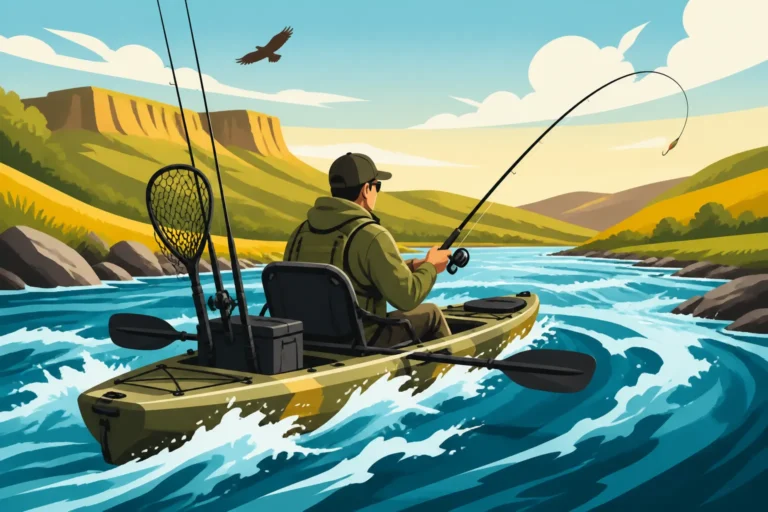
For river fishing, a kayak with good initial stability is important for casting and managing your line while drifting. If you plan to paddle upstream against current, efficiency is key, so a kayak that tracks well without excessive effort will be beneficial. An anchor trolley system is invaluable on rivers like the Red River to help you hold position against the current or pivot to fish different angles without constant adjustment. On smaller lakes, particularly those with a lot of vegetation or fallen trees, a paddle-drive kayak might offer better shallow water access if a pedal drive unit risks getting fouled. However, a pedal drive is still fantastic on larger river sections for covering ground and fighting current. Think about how much current you'll typically encounter and whether you prioritize drifting or precise positioning. These waters offer incredible opportunities for species like catfish, northern pike, and even smallmouth bass, as detailed in our Missouri River Fishing Guide.
Ice-Out and Shallow Water Opportunities
North Dakota's ice-out period is a highly anticipated time for many anglers, marking the start of the open water season. During this transition, fish often move into shallow bays and warmer waters. Kayaks are exceptionally well-suited for these conditions, offering quiet access to areas that might still be inaccessible to larger boats due to lingering ice or very shallow depths. You can sneak into those newly thawed pockets where walleye and pike are often abundant.
For ice-out fishing, thermal protection is a major consideration. While an SOT kayak is usually favored, remember that the water is still bone-chillingly cold. Dressing in layers and wearing a dry suit or waders is paramount. SIT kayaks offer more protection from cold spray, but their limitations for fishing generally outweigh this benefit for most. Focus on kayaks that offer good initial stability so you feel secure in potentially cold and perhaps unpredictable early spring conditions. The ability to launch from almost any bank or shore provides a huge advantage when traditional boat ramps might still be blocked by ice or mud. Similarly, throughout the open water season, kayaks excel in accessing shallow weed beds, flooded timber, and skinny water where big fish often hide. Their minimal draft allows you to explore areas that are completely untouched by other anglers, opening up unique and exciting fishing opportunities. Ensure you're familiar with Aquatic Nuisance Species Rules for Boaters to protect these delicate environments during your shallow water explorations.
Essential Gear and Rigging for North Dakota Kayak Anglers
Getting the right kayak is a fantastic start, but it's only part of the equation for a successful and safe fishing trip in North Dakota. Kayak fishing requires a specific set of gear and thoughtful rigging to maximize efficiency, comfort, and above all, safety. From personal flotation devices to specialized electronics, equipping your kayak properly is crucial, especially when facing North Dakota's diverse and sometimes challenging conditions.
Safety First: PFDs, Lights, and Communication
This is non-negotiable. A properly fitted Personal Flotation Device (PFD) is the most important piece of gear you'll own. Kayak fishing PFDs are designed with large armholes and often thinner back panels to allow for comfortable paddling and sitting in a kayak seat. Wear it at all times. North Dakota's waters, especially the large reservoirs, can get rough quickly, and cold water immersion is a serious risk even in summer.
Beyond your PFD, consider signaling and communication. A whistle attached to your PFD is a simple but effective way to signal for help. If you're out on big water or after dark, a bright, 360-degree white light is legally required and essential for visibility. A marine-band VHF radio is a smart investment for larger lakes like Sakakawea, offering reliable communication where cell service might be spotty. Always inform someone of your float plan – where you're going, when you expect to return, and who to call if you don't check in. A basic first-aid kit, a knife or line cutter, and a small bilge pump or sponge are also wise additions to your safety arsenal. Remember, conditions can change fast here, so being prepared is key.
Anchoring Systems for Current and Wind
One of the biggest challenges in kayak fishing, especially in North Dakota, is maintaining your position. Wind can quickly blow you off a fishing spot on a lake, and river current can make it impossible to stay put. An effective anchoring system is crucial. The most popular and versatile option for kayaks is an anchor trolley system. This allows you to deploy your anchor (grapple anchor, drag chain, or even a small mushroom anchor) from either the bow or stern of your kayak, and then adjust its position along the side of your kayak using a rope and pulley system. This helps you pivot your kayak to face the wind or current, optimizing your casting angles and reducing yaw.
For lighter applications or precise positioning in calm water, a stake-out pole or a shallow water anchor system can be invaluable. These allow you to quietly pin yourself to the bottom in shallow areas. When choosing an anchor, consider the bottom composition of the waters you fish most. A grapple anchor works well in rocky or weedy bottoms, while a mushroom anchor is better for soft mud. Always carry enough anchor line (at least twice the depth you expect to fish, preferably more) and ensure your release system is easy to operate in an emergency. More details on different options can be found in Best Kayak Anchors for River Current.
Electronics: Fish Finders and GPS
Just because you're in a kayak doesn't mean you have to sacrifice the advantages of modern fishing electronics. In fact, compact, waterproof fish finders and GPS units are perfectly suited for kayak fishing and can dramatically increase your success. A fish finder will help you locate structure, identify baitfish schools, and spot individual fish. Many models offer CHIRP sonar, Down Imaging, and Side Imaging, giving you a detailed view of the underwater world.
When selecting a fish finder, look for units with bright, clear screens that are easy to read in direct sunlight. Battery life is also a key consideration, as you'll be running off a small 12V battery. Portable transducer mounts make it easy to attach and remove your transducer without drilling permanent holes. A good GPS unit, often integrated into a fish finder, is invaluable for marking productive spots, navigating large lakes, and safely returning to your launch point, especially in fog or low light. Brands like Humminbird and Garmin offer excellent compact units suitable for kayaks. Always ensure your wiring is neat and waterproof, and consider a small, dry bag for spare batteries or charging cables. This is especially useful for Fishing From a Kayak on Devils Lake where understanding the submerged contours is crucial.
Rod Holders, Storage, and Organization
Keeping your rods secure and accessible, and your tackle organized, is vital for efficient kayak fishing. Kayaks rarely have the open deck space of a traditional boat, so every inch counts. Built-in rod holders (flush mounts or adjustable surface mounts) are essential for carrying multiple rods or for trolling. Adjustable rod holders allow you to position your rods at different angles for trolling or to keep them out of the way when casting.
Beyond rods, think about where your tackle boxes, soft plastics, and other essentials will go. Dry bags are excellent for protecting items that absolutely cannot get wet. Tackle crates or storage bags designed specifically for kayaks can fit neatly behind your seat and provide quick access to frequently used items. Many anglers customize a milk crate with PVC rod holders and bungee cords to create a highly functional storage solution. Finally, consider a paddle leash to prevent losing your paddle, and a small net or lip gripper for safely landing and handling fish. All these items contribute to Best Kayak Fishing Gear for North Dakota Lakes and make your outing more enjoyable and productive.
Pre-Trip Checks and Maintenance for Your Fishing Kayak
Taking care of your fishing kayak isn't just about extending its lifespan; it's also about ensuring your safety and compliance with North Dakota's regulations. Before and after every trip, and especially for seasonal storage, a few routine checks and maintenance steps can prevent headaches down the line and keep you fishing happily for years to come.
Inspecting Your Kayak for Wear and Tear
Before you even load your kayak onto your vehicle, give it a quick once-over. Check the hull for any new cracks, deep gouges, or signs of stress, particularly around mounting points for accessories or the pedal drive well. Polyethylene is tough, but it can suffer damage, especially if you're frequently launching from rocky shores or dragging it over rough terrain. Pay attention to scupper holes, ensuring they are clear and free of debris.
Inspect all your rigging: check bungee cords for elasticity, ensure all bolts and screws on rod holders or track mounts are tight, and look for any fraying on anchor lines or paddle leashes. The pedal drive unit, if you have one, should be checked for any loose components, propeller damage, or issues with the steering cable. Don't forget your PFD – inspect buckles, straps, and zippers to ensure it's still in good working order. Catching small issues early can prevent them from becoming major problems on the water. This proactive approach ensures that your valuable time on North Dakota's waters is spent fishing, not troubleshooting.
Cleaning and Aquatic Nuisance Species Prevention
This is a critical responsibility for all North Dakota anglers and is regulated by law. After every trip, especially when moving between different bodies of water, you must clean, drain, and dry your kayak and all associated gear. This is the best defense against the spread of Aquatic Nuisance Species (ANS) like zebra mussels or Eurasian watermilfoil, which can devastate our precious fisheries.
Clean: Thoroughly remove all plants, mud, and debris from your kayak hull, paddle, PFD, anchor, and fishing gear. Pay special attention to crevices, scupper holes, and the inside of your pedal drive unit. A stiff brush and a good rinse are your best friends here.
Drain: Pull all drain plugs and ensure all water is completely drained from the hull, live wells, bait buckets, and any other water-holding compartments. The goal is to leave no standing water that could harbor ANS larvae.
Dry: Allow your kayak and gear to dry completely before launching in a new water body. Ideally, this means several days in the sun. If you can't thoroughly dry it, consider a high-pressure wash or hot water rinse.
This "Clean, Drain, Dry" protocol isn't just a suggestion; it's a vital part of protecting North Dakota's fishing future. For more details on compliance, refer to Aquatic Nuisance Species Rules for Boaters. Many areas even have wash stations available. Doing your part ensures that future generations can enjoy the same fantastic fishing opportunities we have today.
Transporting and Storing Your Kayak
Proper transportation and storage are essential for protecting your investment. When transporting, always secure your kayak properly to your roof rack, trailer, or truck bed. Use good quality straps (cam straps are often preferred over ratchet straps, which can overtighten and damage the hull) and ensure the kayak is stable and won't shift. Bow and stern lines are highly recommended, especially for longer kayaks or longer trips, to prevent movement and potential damage from wind lift. Ensure that your kayak is registered if it meets the criteria, which you can find out more about in Do Kayaks Need to Be Registered in North Dakota?.
For storage, the key is to keep your kayak out of direct sunlight and off the ground. UV rays can degrade polyethylene over time, making it brittle. Storing it flat on the ground can lead to pressure dents and hull deformation. Ideally, store your kayak on its side, upside down, or on a dedicated kayak rack with wide support points. In winter, ensure it's stored in a way that prevents snow and ice accumulation inside the hull, which could expand and cause damage. If storing outdoors, a breathable cover is a good idea to protect it from the elements while allowing air circulation to prevent mildew. Following these simple steps will ensure your kayak is ready for adventure whenever you are, whether it's for early spring walleye or late-season pike.
Disclaimer
This article is for general informational purposes only and does not constitute professional advice. Laws, prices and regulations vary by location and change over time. Consult a qualified professional for guidance on your specific situation.