Fly Fishing Techniques in North Dakota
So you're intrigued by the idea of fly fishing in North Dakota, but maybe you’ve heard it’s "not a fly-fishing state," or you're just not sure where to even begin. It's a common misconception that our beautiful prairie state is solely a conventional tackle paradise. But let me tell you, there's a vibrant, challenging, and incredibly rewarding fly-fishing scene waiting for you if you know where to look and how to approach it. This guide is going to strip away the mystery and equip you with the techniques, gear advice, and local insights to cast a fly successfully across North Dakota's diverse waters, proving that a fly rod is just as at home here as anywhere else.
Understanding North Dakota's Fly Fishing Landscape
It's easy to picture postcard-perfect trout streams when you think of fly fishing, but North Dakota offers a different, equally compelling narrative. Our state's waters are rich with opportunities for various species, far beyond what many initially assume. The key is to shift your mindset and embrace the unique challenges and rewards our lakes and rivers present.
Beyond the Big Water: Rivers and Small Lakes
When most folks think North Dakota fishing, their minds immediately jump to the massive expanses of Lake Sakakawea or the legendary Devils Lake, known for their walleye and pike fisheries. And while these big waters certainly offer fly-fishing potential, the true gems for the fly angler often lie in the overlooked rivers, smaller reservoirs, and prairie lakes that crisscross the landscape. These smaller bodies of water often provide more accessible shorelines, wade-fishing opportunities, and less intimidating conditions for those just getting started or looking for a more intimate experience.
Imagine drifting a small dry fly on a calm evening on a lesser-known coulee lake, or wading a shallow stretch of a meandering river. These are the scenarios where North Dakota fly fishing truly shines. The slower currents and abundant insect life in these areas can create incredible moments, often far from the crowds. We might not have mountain streams, but we have a network of waterways that, with a bit of exploration, reveal fantastic fly-fishing potential for various species.
Target Species for the Fly Angler
North Dakota's diverse aquatic environments support a surprising array of fish that readily take a fly. While trout might not be our most abundant species, they are certainly present in stocked lakes and some prairie streams. However, to truly embrace North Dakota fly fishing, you need to broaden your horizons beyond just trout.
- Walleye: Yes, you read that right! While most associate walleye with jigs and crankbaits, they can be successfully targeted with streamers, especially during low-light conditions or when they move into shallower feeding grounds. The aggressive strike of a walleye on a streamer can be truly exhilarating. You can learn more in our dedicated North Dakota Walleye Fishing Guide.
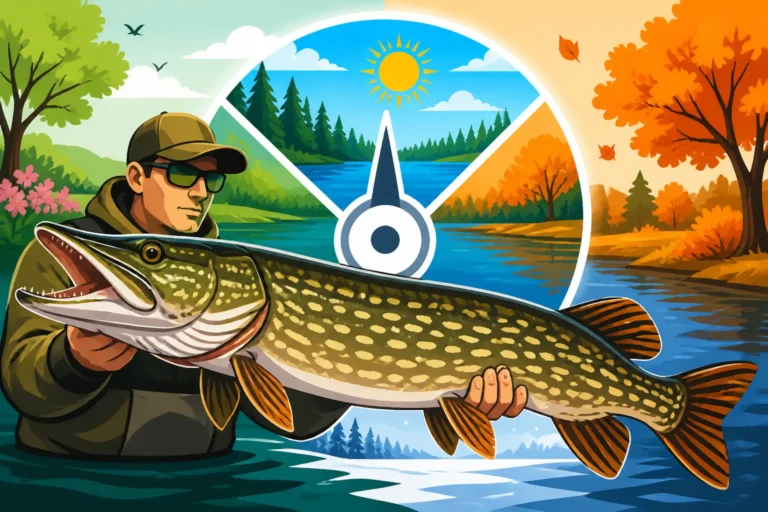
- Northern Pike: These toothy predators are absolute brutes on a fly rod. Their aggressive nature and willingness to chase large, flashy streamers make them a prime target, especially in weed-choked bays or along drop-offs. Imagine a 30-inch pike smashing your fly – it's an adrenaline rush like no other. Check out our guide on How to Fish for Northern Pike in North Dakota for more tips.
- Smallmouth Bass: Found in many of our rocky lakes and river systems, smallmouth bass are feisty fighters that are perfectly suited for fly fishing. They'll readily hit poppers on the surface or streamers subsurface, offering explosive action, especially during the warmer months.
- Trout: While not native to most of the state, North Dakota Game and Fish stocks several lakes with rainbow, brown, and sometimes even tiger trout. These are fantastic targets for nymphing, dry flies, and small streamers, providing that classic fly-fishing experience.
- Panfish: Bluegill, crappie, and yellow perch are abundant and provide excellent light tackle action. They're perfect for beginners or for those days when you just want consistent bites. A small popper or nymph can lead to endless fun with these willing biters. For perch, specifically, delve into our North Dakota Yellow Perch Fishing Guide.
- Carp: Often overlooked, carp on a fly rod can be one of the most challenging and rewarding experiences. These "golden ghosts" are powerful, cunning, and require stealth and accurate presentations, often feeding in shallow flats.
This variety means you're never truly limited in what you can pursue with a fly rod, making North Dakota an exciting canvas for the versatile angler.
Essential Gear for North Dakota Fly Fishing
Just like with any angling pursuit, having the right gear can make all the difference in your North Dakota fly fishing adventures. You don't need to break the bank, but investing in a few key pieces suited to our conditions and target species will greatly enhance your success and enjoyment.
Rod and Reel Selection for Diverse Conditions
Choosing your fly rod and reel is probably the most critical decision you'll make. North Dakota's diverse fisheries mean you'll likely want a couple of different setups if you plan to target a range of species.
For the lighter side of things, like trout and panfish in smaller streams and ponds, a 5 or 6-weight rod is a fantastic all-around choice. This rod weight offers enough backbone to handle a decent-sized trout but is sensitive enough to feel the subtle takes of a bluegill on a small nymph. Paired with a matching reel that has a smooth drag, this setup will be a joy to cast and fight fish with. You can often find great value combos that include a rod, reel, and line, perfect for getting started.
However, if you're eyeing our state's more aggressive predators like northern pike, walleye, or larger smallmouth bass, you'll need to step up your game. A 7, 8, or even 9-weight rod becomes essential. These heavier rods are designed to cast larger, wind-resistant flies (think big streamers) and provide the necessary power to handle powerful fish, especially those with sharp teeth. The reels for these setups should be robust, with a strong, reliable disc drag system that can withstand long runs and powerful surges. Many reputable brands offer excellent options, and a quick search on a platform like Amazon will show you a plethora of choices to fit various budgets. When looking for a good all-around rod, consider checking out our insights on the Best Fishing Rods for North Dakota Anglers.
Fly Lines and Leaders for Specific Techniques
Your fly line is literally your connection to the fish, and selecting the right type for the conditions and target species is paramount.
- Weight-Forward Floating Lines: These are your bread and butter for most surface and subsurface presentations. They're excellent for dry flies, nymphs under an indicator, and even smaller streamers. The weight-forward taper helps with casting distance and accuracy, especially when dealing with North Dakota's often breezy conditions.
- Sinking or Sink-Tip Lines: For targeting fish that hold deeper in the water column, like walleye in larger lakes or smallmouth bass clinging to structure, sinking lines are indispensable. A full sinking line will take your fly down to significant depths, while a sink-tip line (where only the front portion sinks) offers a good compromise, allowing you to present streamers deeper while still having a floating running line for easier mending and casting.
Beyond the main fly line, your leader and tippet selection are crucial. For trout and panfish, a 7.5 to 9-foot tapered leader with a tippet in the 3x to 5x range is typical. When chasing toothy pike or aggressive bass, you'll need something much stronger. Consider a heavier 0x to 2x monofilament leader, and absolutely add a wire or heavy fluorocarbon bite tippet (20-40 lb test) when going after pike. Those sharp teeth will sever standard monofilament or fluorocarbon in an instant. Protecting your line is key, not just to land the fish but also to prevent leaving flies embedded in their mouths.
Waders, Boots, and Safety Essentials
North Dakota weather can be notoriously unpredictable, and water temperatures can be chilly outside of peak summer. Good waders are an investment that will pay dividends in comfort and access.
- Breathable Chest Waders: These are your best friend for wading rivers, accessing shorelines in lakes, or even keeping warm and dry during unexpected rain. Look for durable, multi-layered breathable fabrics that allow perspiration to escape while keeping water out. Neoprene waders can be a good choice for colder conditions, especially during spring and fall.
- Wading Boots: Paired with your waders, a good pair of wading boots provides crucial traction on slippery riverbeds and muddy lake edges. Felt soles offer excellent grip on slimy rocks, but rubber soles with studs might be more versatile for varying terrain, especially if you're hiking to spots.
- Layering Apparel: Remember the rule of layering. Start with moisture-wicking base layers, add insulating mid-layers, and top it off with a waterproof outer shell. This allows you to adapt to changing temperatures throughout the day.
- Safety Gear: Always, always prioritize safety. A wading belt should be cinched snug around your waders to prevent them from filling with water in case of a fall. Carry a wading staff for stability, especially in unfamiliar currents or on slippery bottoms. A PFD (personal flotation device) is a must if you're fishing from a boat or kayak, or wading deep, fast-moving water. Even a simple pair of ice picks on a lanyard can be lifesaving if you're venturing out on early or late ice.
Being prepared for the elements and potential hazards means you can focus on the fishing, which is what we're all here for!
Top Fly Fishing Techniques for North Dakota Species
Fly fishing is an art form, but also a science, requiring an understanding of various presentation techniques to entice different species in different conditions. In North Dakota, you'll quickly learn that versatility is your best friend.
Streamer Fishing for Predator Species
If there's one technique that truly shines for North Dakota's predatory fish, it's streamer fishing. This involves casting large, flashy flies designed to imitate baitfish or leeches, and then stripping them back through the water to trigger an aggressive strike.
- Northern Pike: These toothy critters are prime candidates for streamer fishing. Focus your efforts around weed lines, submerged timber, and sharp drop-offs in lakes and slower river sections. Cast your streamer close to cover and retrieve it with erratic strips – a few short, quick strips followed by a pause, or long, steady pulls. Pike are ambush predators, so provoking a reaction strike is often key. Popular patterns include Clouser Minnows, Deceivers, and EP (Enrico Puglisi) baitfish patterns in sizes from 2/0 down to size 2. Bright colors like chartreuse, white, black, and red are often effective.
- Walleye: While often found in deeper water, walleye will move shallower, especially during low light conditions or when actively feeding on baitfish. Target rock piles, points, and humps with streamers. A slower, more methodical retrieve with pauses can often be the ticket for walleye. Jigging streamers vertically from a boat or kayak over structure can also be incredibly effective, mimicking a dying baitfish. Try olive, black, or perch-colored streamers.
- Smallmouth Bass: Streamers are fantastic for smallmouth, especially around rocky shorelines, submerged ledges, and current breaks in rivers. They'll readily chase and strike aggressively. Vary your retrieve speed until you find what triggers them. Smallmouth often prefer smaller streamers than pike, with size 4 to 8 patterns being very effective.
Remember that a good stripping basket can make your life much easier by preventing fly line from tangling around your feet or getting caught in vegetation. You can pick one up from a retailer like Amazon, which offers various options.
Nymphing and Dry Fly Presentation for Trout and Panfish
For the more traditional fly-fishing experience, nymphing and dry fly presentations are your go-to, particularly when targeting trout in stocked waters or panfish in calmer lakes and ponds.
- Nymphing: Most of a trout's diet consists of aquatic insects in their larval or pupal stages, which means nymphing is often the most effective subsurface technique.
- Indicator Nymphing: This is probably the most common method. You attach a strike indicator (a small bobber) to your leader, allowing your nymphs to drift naturally at a specific depth, usually weighted with split shot. When the indicator twitches, dips, or stops, set the hook! Focus on current seams, eddy lines, and deeper pools.
- Tight-line Nymphing (Euro Nymphing): A more advanced technique, this involves using a longer, specialized leader and no indicator, relying on feeling the subtle takes of the fish through the line. It's incredibly effective in faster, complex currents but has a steeper learning curve.
For panfish, simpler nymph rigs, often sans indicator, are sufficient. A small weighted nymph fished slowly under a dock or along a weed edge can be deadly.
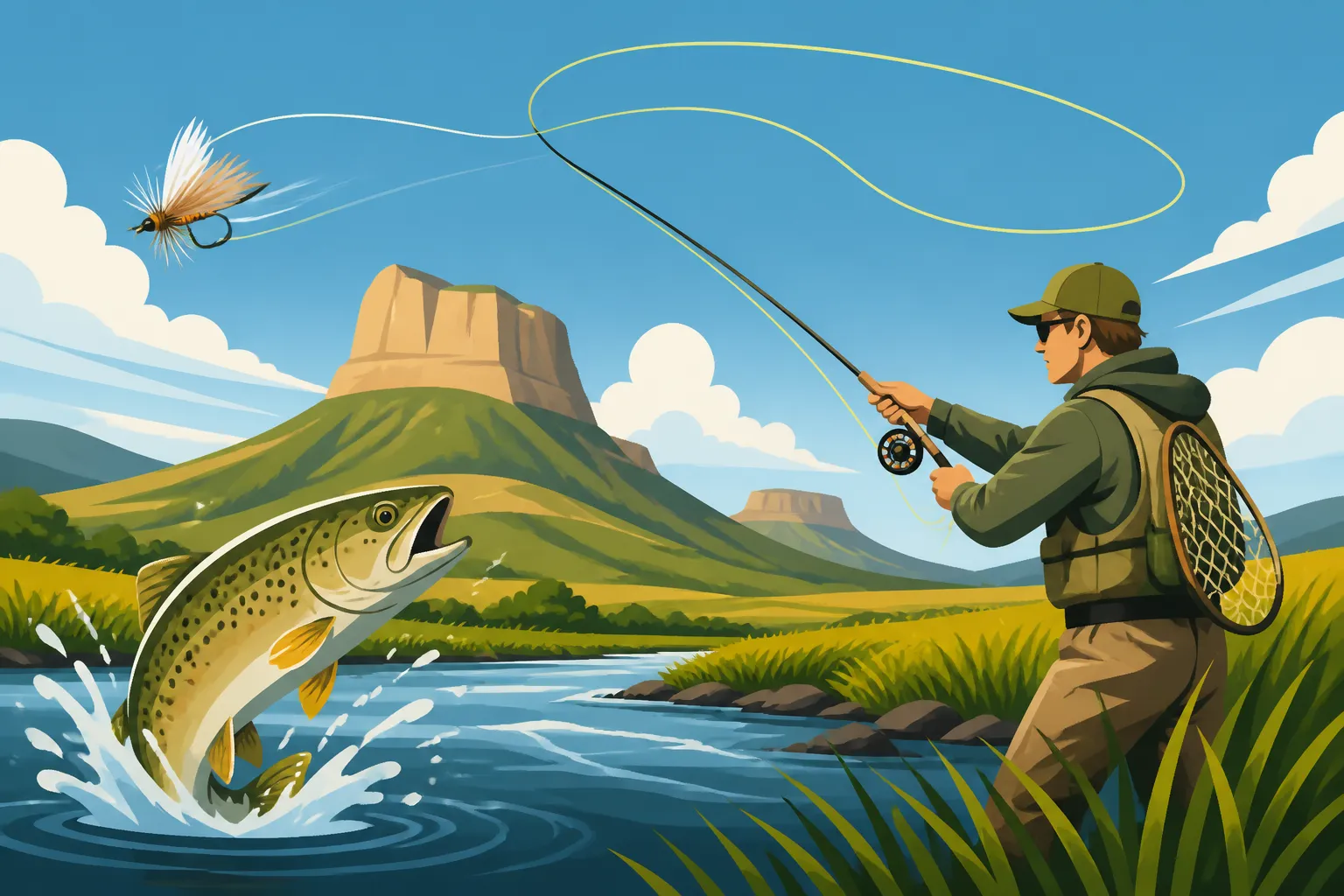
- Dry Fly Presentation: The thrill of seeing a fish rise to take your carefully presented dry fly is unmatched. This technique is most effective during insect hatches, typically in calmer water or slower currents.
- Matching the Hatch: The key to dry fly success is presenting a fly that closely imitates the size, shape, and color of the natural insects hatching at that moment. Spend some time observing the water to see what bugs are present.
- Presentation: A delicate, drag-free drift is paramount. Cast upstream or up-and-across, allowing your fly to float naturally with the current. Any unnatural drag will quickly put discerning fish off. Smaller, clearer trout lakes are ideal for dry fly work, as are calm evenings on ponds where panfish are sipping insects off the surface.
Carp and Panfish: The Unsung Fly Fishing Heroes
Don't discount these often-overlooked species; they offer incredible fly-fishing opportunities and can seriously hone your skills.
- Carp on the Fly: Often called "golden ghosts" or "freshwater bonefish," carp provide a challenging and rewarding experience. They are notoriously spooky, requiring stealthy approaches and accurate, delicate presentations. Look for them tailing in shallow flats, mudding, or cruising in slow, warm water.
- Techniques: Sight fishing is key. You'll need to spot the carp first, then cast your fly (often a small nymph or crayfish imitation) a few feet in front of it, allowing it to sink naturally. Watch for any subtle movement of the mouth or fins, as their takes can be incredibly soft. A common tactic involves casting and letting the fly sit on the bottom, only twitching it slightly when a carp approaches.
- Gear: A 6-8 weight rod is usually ideal for the powerful fights carp put up. You’ll need a strong leader and tippet to withstand their brute strength.
- Simple Techniques for Panfish: For endless action and a great way to introduce new anglers to fly fishing, panfish like bluegill and crappie are perfect. They are abundant in many North Dakota lakes and ponds.
- Poppers and Dry Flies: On warm summer evenings, panfish will readily rise to small poppers, sponge spiders, or ant patterns. Cast near lily pads, submerged timber, or under overhanging branches. The strike can be surprisingly aggressive.
- Small Nymphs and Wet Flies: During the day or in cooler water, small nymphs (like a Prince Nymph or Hare's Ear) or wet flies (such as a Woolly Bugger in micro sizes) fished slowly around cover are highly effective. You can fish them under a small indicator or just strip them slowly.
These species offer a fantastic way to develop your casting, presentation, and fish-fighting skills without the pressure of chasing a trophy.
Strategic Approach to North Dakota's Fly Fishing Hotspots
Knowing how to fish is only half the battle; knowing where to apply those techniques is just as crucial. North Dakota's diverse geography means there's a multitude of locations, each with its own character and best approach.
River Systems and Smaller Streams
Our state might not boast towering mountains, but it's crisscrossed by a network of rivers and smaller streams that offer fantastic, often overlooked, fly-fishing opportunities.
- The Sheyenne River: This meandering prairie river, particularly in its central and eastern stretches, is a hidden gem for smallmouth bass and even some trout in specific stocked sections. Its slower currents and numerous oxbows provide excellent structure. Look for rocky riffles, deeper bends, and downed trees. Wading is often feasible, allowing you to cover more water and approach fish stealthily. Early mornings and late evenings are often the most productive. If you're serious about this waterway, our guide on Fly Fishing the Sheyenne River provides even more in-depth information.
- Little Missouri River: Flowing through the badlands, this river presents a unique, rugged landscape for fly fishing. While often challenging due to fluctuating water levels and turbidity, it can hold smallmouth bass, goldeye, and even channel catfish. Focus on deeper pools and confluence areas, especially after a period of stable weather. Accessibility can be tricky, often requiring some hiking, but the solitude and scenery are unparalleled.
- Pembina River: In the northeastern part of the state, the Pembina offers pockets of excellent fishing for smallmouth bass and northern pike. Its wooded banks and varying depths create diverse habitats. Access can be limited, so scouting via maps or talking to local bait shops is recommended.
When fishing rivers, always pay attention to current seams, undercut banks, and changes in bottom structure. These are prime holding lies for fish.
Lakes and Reservoirs: Beyond the Conventional
While big lakes like Sakakawea are primarily known for conventional gear, many lakes and smaller reservoirs offer prime fly-fishing potential, especially for bank anglers or those with small boats or kayaks.
- Lake Audubon: This large reservoir near Coleharbor is renowned for its trophy smallmouth bass, making it a fantastic fly-fishing destination. Target rocky points, submerged humps, and the expansive weed beds. During calm periods, topwater poppers can yield explosive strikes, while streamers fished along contours are consistently effective. Find more detailed tactics in our Lake Audubon Smallmouth Bass Fishing article.
- Jamestown Reservoir: A popular spot in eastern North Dakota, Jamestown Reservoir holds walleye, pike, and abundant panfish. The key here is to target specific structures. Focus on the extensive weed lines for pike, especially during summer. For walleye, consider fishing streamers around the dam area or deeper drop-offs early and late in the day. Panfish can be found near docks, submerged brush, and shallow weed edges throughout the day.
- Lake Sakakawea's Bays: Even on massive Lake Sakakawea, the shallower bays and protected arms can offer incredible fly-fishing. Target northern pike and smallmouth bass in the abundant weed beds and rocky points. Casting large streamers here, especially during calmer conditions, can lead to exhilarating fights with big fish. Look for areas with a mix of cover and depth changes.
- Turtle Mountain Lakes: Nestled in the forested hills of northern North Dakota, lakes like Lake Metigoshe and Pelican Lake offer a different landscape. These lakes are excellent for northern pike, panfish, and even some stocked trout. The diverse shoreline, with its bays, points, and weed beds, provides ample cover. Our Best Fishing Lakes in the Turtle Mountains guide offers more local insights.
Always use a good map (paper or digital) to identify structure, contours, and potential access points before heading out.
Unique Opportunities: Ponds and Private Waters
Sometimes, the best fly fishing isn't in the most famous spots, but in the most accessible or least pressured.
- Stocked Community Ponds: Many towns and parks across North Dakota maintain small, stocked ponds that are perfect for a quick fly-fishing outing, especially for beginners or families. These often hold rainbow trout, bluegill, and sometimes even perch. They're typically easy to access, and the fish are often quite willing to take a small nymph or dry fly. A simple 5-weight setup is all you need for an afternoon of fun.
- Permission Fishing on Private Land: North Dakota has a strong tradition of private land ownership, but many landowners are open to anglers accessing their private ponds or stretches of rivers if you ask politely and respect their property. Many private ponds are stocked with a variety of game fish that see little pressure, offering incredible opportunities for consistent action and larger fish. Always ask for permission before entering private land, be respectful, and leave no trace. This often opens up some of the best, most secluded fly-fishing experiences in the state.
These smaller, often overlooked waters can provide some of the most enjoyable and consistent fly-fishing experiences, reminding us that adventure doesn't always need to be on the biggest, most famous waters.
Seasonal Considerations for Fly Fishing Success
North Dakota's climate dictates distinct fishing seasons, and fly fishing is no exception. Understanding how fish behave and where they hold throughout the year is crucial for consistent success.
Spring Run-off and Ice-Out Tactics
Spring in North Dakota is a time of transition, marked by the melting of snow and ice, often leading to increased water levels and turbidity. However, it also signals the awakening of fish from their winter slumber and the beginning of aggressive feeding patterns.
- High Water Challenges: The spring run-off can make river fishing challenging due to strong currents and murky water. In these conditions, focus on slower-moving eddies, backwaters, and areas where tributaries meet the main river, as these can offer clearer water and current breaks where fish seek refuge and ambush prey. Large, dark-colored streamers that create a strong silhouette in the stained water can be effective.
- Targeting Pre-Spawn Fish: Many species, including northern pike and walleye, become very active in shallow areas during the pre-spawn period. This is an excellent time to target them with large streamers, especially in bays and shallow flats that warm up quickly. Fish are hungry and looking to bulk up before spawning.
- Ice-Out Opportunities: The timing of ice-out varies across the state, but when the ice finally leaves the lakes, a window of opportunity opens. Fish are often concentrated near remaining ice edges or in shallow areas that are warming up the fastest. This is prime time for active feeders. You can learn more about this critical period in our Spring Ice-Out Timing in North Dakota guide. Small nymphs and streamers can be very effective as fish become more active.
Summer Strategies: Low Water and Warm Temperatures
North Dakota summers bring longer days, warmer temperatures, and often lower water levels, which means adjusting your fly-fishing approach.
- Early Morning and Late Evening Fishing: As water temperatures rise during the day, many species, especially trout and walleye, become less active and retreat to deeper, cooler water. The dawn and dusk hours offer cooler temperatures and often more active feeding periods in shallower water. This is prime time for topwater action with poppers for bass and panfish, or for stripping streamers for pike and walleye moving up to feed.
- Targeting Cooler, Deeper Water: During the heat of the day, shift your focus to deeper holes, drop-offs, and spring-fed areas. Sinking lines and weighted streamers or nymphs become your best tools to reach these fish. Look for thermal refuges where fish can escape the warmest surface water.
- Focus on Smallmouth Bass and Carp: Smallmouth bass thrive in warmer summer waters, especially around rocky structure. Carp are also highly active and visible in shallow warm flats, providing exciting sight-fishing opportunities. Don't forget panfish; they remain active and willing biters throughout the summer, often congregating around cover.
Fall Feeding Frenzy and Winter Ice Fishing (Yes, Fly Ice Fishing!)
As summer fades into fall, cooler temperatures signal another aggressive feeding period for many North Dakota fish species.
- Aggressive Fall Feeding: Fall is arguably one of the best times for trophy northern pike and walleye on a fly rod. They gorge themselves in preparation for winter, making them incredibly aggressive. Target traditional fall holding areas like deeper points, main lake humps, and the edges of remaining green weed beds with large streamers. The water cools, making fish more comfortable in shallower zones for longer periods. Consult our North Dakota Fishing Season Calendar for specific seasonal insights.
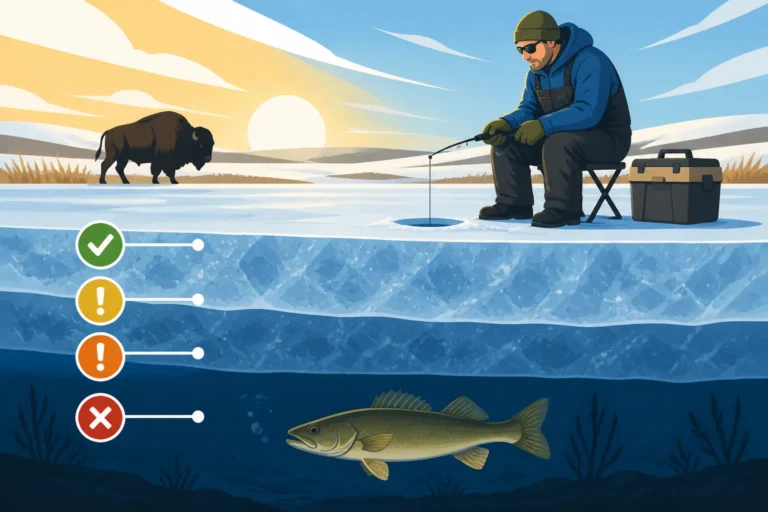
- Exploring the Niche of Fly Fishing Through the Ice: While not for everyone, fly fishing through the ice is a unique and challenging facet of winter angling in North Dakota. This isn't about casting, but rather using specialized, small jigs and flies (often called "ice flies" or small tungsten nymphs) presented directly down an ice hole.
- Techniques: The method involves subtle jigging and twitching, often with ultra-light fly rods (1 to 3 weight) and tiny reels. A sensitive rod tip is crucial for detecting the often very subtle bites. You're essentially vertical jigging with a fly.
- Target Species: This technique is incredibly effective for panfish (perch, bluegill, crappie) and can even tempt curious walleye or pike. Using a fish finder (flasher or LCD) is almost essential to locate fish and observe their reactions to your presentation. Our comprehensive guide on How to Ice Fish in North Dakota provides general ice fishing knowledge that can be adapted for this unique fly-fishing pursuit.
Fall and winter offer distinct, exciting fly-fishing opportunities that require adapting your mindset and techniques to the cold but rewarding conditions.
Tips for Beginners and Advanced Anglers Alike
Whether you're just picking up a fly rod or looking to refine your skills, there are always areas for growth and improvement. North Dakota's diverse waters present opportunities for all skill levels to learn and succeed.
Casting and Presentation Fundamentals
The cast is the most visible skill in fly fishing, but effective presentation goes far beyond just getting the fly out there.
- Basic Casts for Beginners: Start with the overhead cast. This involves smoothly accelerating the rod backward (backcast) and then forward (forward cast), allowing the line to unroll efficiently. Practice in an open area without a fly or with a piece of yarn attached to your leader. Focus on timing and smooth acceleration, letting the rod do the work. The roll cast is another fundamental, invaluable for situations where you have obstructions behind you. It allows you to pick up line and cast forward with minimal backcast space. Consistency is key, and repeated practice will build muscle memory. Our article on Beginner Casting Tips for New Anglers can be a great starting point.
- Advanced Techniques for Challenging Conditions: North Dakota is known for its wind, and mastering a double haul can dramatically improve your casting distance and ability to punch through gusts. This technique involves quickly pulling the line with your non-casting hand during both the backcast and forward cast, loading the rod more deeply. Learning various slack-line casts (e.g., S-cast, curve cast) will help you achieve drag-free drifts in complex currents, essential for enticing finicky fish. These techniques take time and dedicated practice, but they open up new possibilities on the water.
Reading the Water and Understanding Fish Behavior
One of the most profound aspects of fly fishing is learning to interpret the environment and anticipate where fish might be. This skill often outweighs perfect casting.
- Identifying Holding Lies: Fish hold in places where they can expend minimal energy while having access to food and cover. In rivers, look for current seams (where fast and slow water meet), undercut banks, eddies, deeper pools, and structure like downed trees or boulders. In lakes, focus on weed lines, rock piles, drop-offs, submerged humps, and areas with changing bottom composition. These are all prime locations. Dive deeper into this concept with our guide on How to Read Water for Fish Structure.
- Understanding Fish Behavior: Fish behavior is heavily influenced by factors like water temperature, light conditions, current, and available forage. For example, in warmer summer months, fish might retreat to deeper, cooler water during the day, becoming more active in the shallows during low light. In colder periods, they might conserve energy and hold in deeper, more stable areas. Observing rising fish, baitfish activity, or even bird activity can provide clues about where fish are and what they're feeding on. Matching your technique to their perceived behavior will dramatically increase your chances of success.
Fly Tying and Local Adaptations
For many, fly tying becomes an extension of the fishing experience, offering a creative outlet and a competitive edge.
- The Satisfaction and Benefit of Tying Your Own Flies: There's immense satisfaction in catching a fish on a fly you tied yourself. Beyond that, tying your own flies allows you to customize patterns, sizes, and colors to perfectly match the local forage and conditions you encounter. You can tie specific patterns for a particular hatch or create a unique streamer that you have confidence in. It's also often more cost-effective in the long run than buying every fly from a shop. Many beginner fly tying kits, including tools and materials, are available online through retailers like Amazon, making it easy to start.
- Adapting Patterns to Local Forage: North Dakota's aquatic insects and baitfish populations can differ from classic trout streams. Learning to tie patterns that imitate local minnow species (like shiners or fatheads), leeches, scuds, or aquatic worms will make your flies more effective for our specific fisheries. For example, patterns in perch colors are often highly effective for walleye and pike in lakes where perch are a primary forage base. Experimentation and local knowledge are key to developing highly effective, locally adapted fly patterns.
By continually refining these skills, you'll find that fly fishing in North Dakota is not just about catching fish, but about a deeper connection to the water and the rich, diverse ecosystem around you.
| Rod Weight (Wt) | Target Species | Ideal Fly Types | Best Conditions | Example Locations |
|---|---|---|---|---|
| 3-4 Wt | Panfish (Bluegill, Crappie), Small Trout | Small Dry Flies, Micro Nymphs, Poppers | Calm Ponds, Small Streams, Light Wind | Community Ponds, Stocked Trout Ponds |
| 5-6 Wt | Trout, Larger Panfish, Smallmouth Bass, Carp | Dry Flies, Nymphs, Small Streamers | Rivers, Small to Medium Lakes, Moderate Wind | Sheyenne River, Lake Audubon Shoreline |
| 7-8 Wt | Smallmouth Bass, Walleye, Northern Pike, Carp | Streamers (Medium to Large), Poppers | Medium to Large Lakes, Rivers, Windy Days | Lake Sakakawea Bays, Red River |
| 9-10 Wt | Northern Pike, Larger Walleye, Muskellunge | Large Streamers, Big Poppers | Big Water, Heavy Wind, Dense Cover | Large Lake Sakakawea, Devils Lake |
Disclaimer
Fishing regulations, license requirements, and local conditions can change. Always consult the official North Dakota Game and Fish Department website or their current fishing proclamation for the most up-to-date and specific information before planning your fishing trip. This guide is for informational purposes only.