Brown Trout Waters in North Dakota
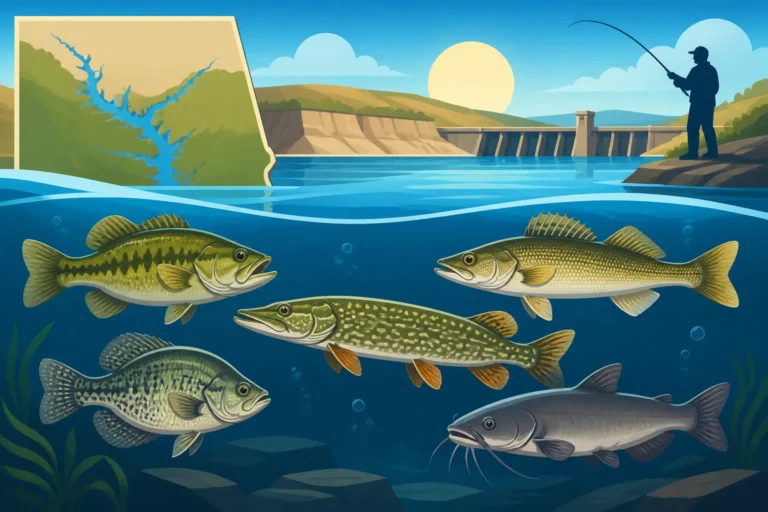
For many anglers in North Dakota, the thought of chasing brown trout often feels like something reserved for mountain streams out west or the famous rivers of the upper Midwest. It's a common misconception that our state only offers walleye, pike, and perch. But I'm here to tell you that North Dakota does hold some fantastic opportunities for brown trout fishing, and this guide will peel back the layers to reveal where these elusive beauties lurk and how you can successfully target them.
The Allure of Brown Trout in North Dakota
Brown trout, with their distinctive spotted flanks and aggressive fighting spirit, are a truly prized catch for many anglers. They offer a different kind of challenge than our more common walleye or pike, often demanding finesse and a keen understanding of their preferred habitats. If you've ever felt that tug on the line from a strong, healthy brown, you know exactly what I'm talking about.
Why Brown Trout Are a Prized Catch
There’s just something special about a brown trout, isn't there? Unlike some other species, browns often thrive in cooler, clearer waters, which in North Dakota means finding specific niches. They're not always the easiest fish to fool, which adds to the satisfaction when you finally land one. Their powerful runs and stubborn resistance make them a favorite among fly fishermen and spin anglers alike. When you're fishing for brown trout, you're not just casting a line; you're engaging in a bit of a chess match, trying to outsmart a truly magnificent fish that knows its home waters intimately. It's a different rhythm, a different challenge, and a truly rewarding experience when you find success.
A Brief History of Brown Trout in North Dakota
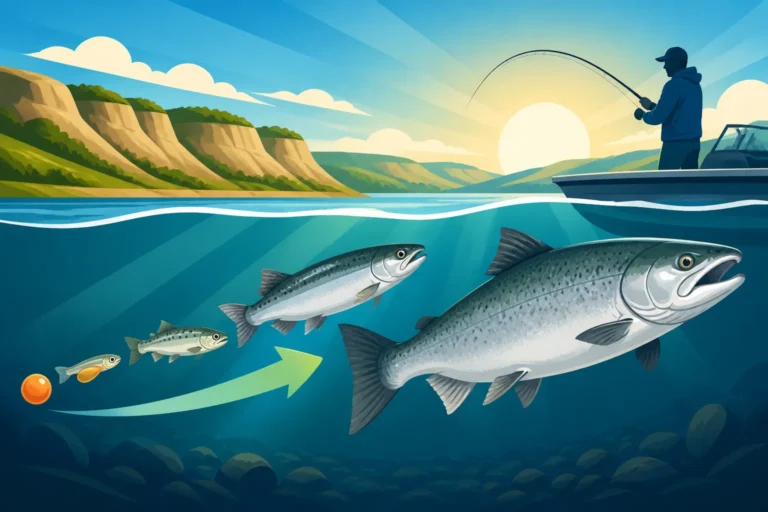
You might be surprised to learn that brown trout aren't native to North Dakota; they were introduced here, much like many other popular game fish. The North Dakota Game and Fish Department has been strategically stocking brown trout for years, focusing on waters that can sustain them. These stocking efforts aim to diversify our fishing opportunities and provide anglers with a unique challenge. While not as widespread as walleye or northern pike, these introductions have created some vibrant, albeit localized, brown trout fisheries. It's a testament to careful management and understanding the specific needs of this species that we have these opportunities right here in the Peace Garden State.
Identifying Prime Brown Trout Habitats
Successfully finding brown trout in North Dakota means understanding what makes them tick. They aren't just found anywhere; they have very particular preferences when it comes to their environment. It’s all about cold, clear water and plenty of cover.
Understanding Brown Trout Preferences
Brown trout are creatures of habit, and their habits revolve around survival in their environment. They thrive in water temperatures generally below 70 degrees Fahrenheit, which is why you'll often find them in spring-fed streams or the deeper, cooler sections of certain lakes. Structure is also incredibly important to them. Think about fallen logs, undercut banks, boulders, or even submerged weed beds. These features provide them with ambush points for prey and crucial shelter from predators and strong currents. They’re opportunistic feeders, munching on everything from aquatic insects and minnows to crawfish and even small rodents or frogs, depending on the size of the trout and the abundance of food sources. Knowing these preferences helps you narrow down where to focus your fishing efforts.
Characteristics of Ideal Brown Trout Streams and Lakes
When we talk about ideal brown trout waters in North Dakota, we're looking for a few key characteristics. For streams, imagine stretches with a consistent flow, gravel or rocky bottoms for spawning, and plenty of overhead cover from trees or shrubs that keep the water cool. Deep pools, riffles, and runs are all important features. For lakes, it's often the deeper, cooler sections, especially those with access to inflowing cold water from springs or feeder creeks. Submerged structure, drop-offs, and points can also hold significant numbers of brown trout. These fish are also sensitive to water quality, preferring clean, well-oxygenated environments. It's a delicate balance, and finding waters that consistently offer these conditions is the first step to a successful brown trout outing.
Key Brown Trout Waters in North Dakota
While North Dakota might not be universally known for its brown trout, there are indeed several fantastic spots where you can find them. These locations have been carefully managed and stocked, offering anglers a unique opportunity to target this exciting species.
The Missouri River System's Hidden Gems
When many anglers think of the Missouri River in North Dakota, their minds immediately jump to walleye or even sauger, and for good reason—it’s fantastic for those species. However, certain stretches, particularly below the Garrison Dam and in the tailrace area, offer exceptional brown trout fishing. The cold, oxygen-rich water discharged from the bottom of Lake Sakakawea creates a perfect environment for browns. The area known as the "Miracle Mile" right below the dam is legendary for its trout fishing, often producing truly trophy-sized fish. Anglers here often use a variety of techniques, from drifting scuds and nymphs for fly fishing to throwing small crankbaits or spoons for spin fishing. It's a truly unique fishery within the state, offering a different kind of experience than the sprawling reservoirs. Missouri River Fishing Below Garrison Dam in North Dakota provides more insights into this incredible stretch of water.
Stocked Lakes and Ponds for Brown Trout
Beyond the Missouri River, the North Dakota Game and Fish Department strategically stocks brown trout in various smaller lakes and ponds across the state that can support them. These are often community fisheries or state park lakes chosen for their cooler temperatures and adequate forage. While these might not hold the massive, wild-spawned browns of a classic trout stream, they offer excellent opportunities for anglers looking to catch browns. Some examples include lakes in the Turtle Mountains or certain city ponds that are regularly managed. These waters are often more accessible and can be a great place for beginners to try their hand at trout fishing. Always check the current fishing proclamation for specific stocking locations and any special regulations that might apply to these smaller fisheries. Remember, these spots can be very popular, so an early start can often make a big difference.
Smaller Streams and Tributaries Worth Exploring
While harder to pin down universally, there are several smaller streams and tributaries throughout North Dakota that hold populations of brown trout. These often feed into larger systems or are spring-fed, keeping water temperatures cool enough for trout to survive, and in some cases, even reproduce. These smaller waters can be challenging to fish due to overhead cover and tight casting quarters, but they often offer a more intimate and solitary fishing experience. You might not find state-record fish in these creeks, but the joy of catching a wild or naturally reproducing brown trout in a small, tucked-away stream is truly special. Exploring these lesser-known spots often requires a bit more legwork and local knowledge, but the reward of discovering your own hidden gem is well worth the effort. It's a fantastic way to experience North Dakota's diverse angling scene.
Seasons and Techniques for North Dakota Brown Trout
Fishing for brown trout in North Dakota can be a year-round endeavor, though certain seasons and techniques will yield better results depending on the specific waterbody and conditions. Understanding these nuances is key to a successful outing.
Best Times of Year to Target Brown Trout
Brown trout, like most trout species, are often most active during cooler water periods. This means spring and fall are generally considered prime time in North Dakota.
- Spring: As the ice melts and water temperatures begin to rise but remain cool, brown trout become very active, feeding heavily after a long winter. This is a fantastic time for both fly fishing and spin fishing. Early Spring Walleye Techniques in North Dakota might not be about trout, but the general principles of early season fish activity often apply!
- Summer: During the heat of summer, brown trout will retreat to the coolest, most oxygenated parts of a lake or river. This often means deeper water or areas with significant cold-water inflows. Early mornings and late evenings can still be productive, but midday fishing can be tough unless you're targeting deep structure.
- Fall: As water temperatures drop again, brown trout become incredibly active, feeding aggressively to build up fat reserves for winter and preparing for their spawning rituals. This is often the time when some of the largest browns are caught, particularly in river systems.
- Winter (Ice Fishing): Yes, you can even catch brown trout through the ice in North Dakota! While not as common as perch or walleye, in stocked lakes with good winter survival, browns can be targeted. Look for them near structure in deeper basins.
Knowing when to go is half the battle, and adapting your approach to the season is crucial for consistent success.
Effective Fishing Methods and Lures
Brown trout can be caught using a variety of methods, and having a diverse tackle box will serve you well. For those who enjoy fly fishing, streamers imitating baitfish, nymphs, and dry flies during hatches can all be effective. Many anglers find quality fly-fishing gear on Amazon, where a wide selection of patterns and rod setups are available. When it comes to spin fishing, versatility is your friend.
-
Spin Fishing:
- Small Spoons and Spinners: Classic trout lures like Kastmasters, Pixee Spoons, or Rooster Tail spinners are often very effective, especially in moving water or when casting from shore.
- Crankbaits and Jerkbaits: Small, shallow-diving crankbaits or suspending jerkbaits that imitate minnows can entice aggressive browns, particularly in larger waters or the Missouri River System.
- Jigs with Soft Plastics: Tipping a small jig with a soft plastic grub or a small minnow imitation can be deadly, especially when fished near structure or along drop-offs.
- Live Bait: Minnows, nightcrawlers, or leeches can be extremely effective, either still-fished under a bobber or drifted naturally in current.
-
Fly Fishing:
- Streamers: Woolly Buggers, Clouser Minnows, and other baitfish imitations are excellent for aggressive browns.
- Nymphs: When fish are feeding subsurface, various nymph patterns, like Pheasant Tail or Hare's Ear, can be very productive.
- Dry Flies: During insect hatches, matching the hatch with dry flies can lead to explosive topwater strikes, a truly thrilling experience.
Having a good selection of tackle, perhaps even a curated "trout kit" purchased from Amazon, means you'll be ready for whatever conditions you encounter. Don't forget to use appropriate light line; brown trout can be line-shy, so a fluorocarbon leader is often a good idea. For those exploring new areas, consider referring to a North Dakota Fishing Regulations Explained guide to ensure all techniques used are legal and ethical.
Conservation and Sustainable Practices
As with any cherished fishery, responsible angling practices are paramount when pursuing brown trout in North Dakota. These fish are not as abundant as some other species, making their conservation even more vital.
Catch and Release for Future Generations
Many brown trout anglers, especially those targeting larger or wild-spawned fish, practice catch and release. This isn't just a suggestion; it's a vital component of maintaining healthy brown trout populations. When you catch a brown trout, especially if it's a larger specimen or from a particularly fragile population, consider releasing it gently back into the water. Handle the fish minimally, keep it in the water as much as possible, and use barbless hooks to make release easier and less stressful for the fish. A good quality net is also important to ensure the fish is landed quickly and safely. Investing in a rubberized net, easily found on Amazon, can help protect the fish's slime coat and scales during landing. This practice ensures that these beautiful fish can continue to grow, spawn, and provide exciting angling opportunities for years to come.
Protecting Brown Trout Habitats
It's not enough to just release the fish; we also need to protect the places where they live. Brown trout thrive in clean, cool, and well-oxygenated waters with plenty of natural cover. This means being mindful of our impact on the environment whenever we're fishing. Avoid littering, and be conscious of disturbing streambanks or aquatic vegetation unnecessarily. Support efforts that protect water quality and promote healthy riparian zones – the areas along the banks of rivers and streams. These zones provide shade, prevent erosion, and filter pollutants, all of which are critical for brown trout survival. By being responsible stewards of our natural resources, we help ensure that North Dakota's brown trout waters remain vibrant and productive for every angler, today and tomorrow. For a broader understanding of how specific rules protect our waters, check out the North Dakota Fishing Regulations Explained.
| Water Body / System | Primary Location | Key Characteristics | Best Time to Fish | Common Techniques | Notes |
|---|---|---|---|---|---|
| Missouri River System | Below Garrison Dam | Cold, oxygen-rich tailrace; deep pools, strong current | Spring & Fall | Fly fishing (nymphs, streamers), Spin (spoons, crankbaits, jigs) | Known for potential trophy browns; challenging access |
| Patterson Lake | Dickinson | Managed for trout, public access | Spring & Fall, Winter | Spin (powerbait, worms, small spoons), Ice Fishing | Good for family outings; regularly stocked |
| Moon Lake | Near Valley City | Deeper, cooler lake | Spring & Fall, Winter | Spin, Ice Fishing (jigs, spoons) | Reliable for stocked browns, good structure |
| Camels Hump Dam | West of Sentinel Butte | Small reservoir, good access | Spring & Fall | Spin (worms, small lures) | Remote, scenic; requires a bit of a drive |
| Small Tributary Streams | Various (e.g., Turtle Mts.) | Cooler, clear, often shallow, lots of natural cover | Spring & Fall | Fly fishing (small nymphs, dry flies), Spin (ultralight, small spinners) | Requires local knowledge; often challenging casting |
Disclaimer
This article is for general informational purposes only and does not constitute professional advice. Laws, prices and regulations vary by location and change over time. Consult a qualified professional for guidance on your specific situation.