Average Size of Perch on Devils Lake
If you're dreaming of fishing North Dakota's legendary Devils Lake, chances are you've heard whispers about its incredible perch fishery. But what does "incredible" really mean when it comes to the average size of the yellow perch you're likely to pull through the ice or from open water? It's a common question, and frankly, it's easy to feel overwhelmed by the sheer size of the fish population and wonder if you'll actually encounter those famous jumbo perch. This guide will dive deep into what to expect when targeting yellow perch on Devils Lake, from the typical sizes you'll reel in to the factors that make this lake a perch paradise, and how you can increase your odds of landing a true trophy.
Understanding Devils Lake's Perch Fishery
Devils Lake isn't just any body of water; it's a dynamic, ever-changing inland sea that has earned its reputation as one of the best perch fisheries in North America. This isn't just hype; there's a real science and history behind why those yellow-striped beauties thrive here, offering anglers some truly memorable experiences.
The Ecosystem That Grows Big Perch
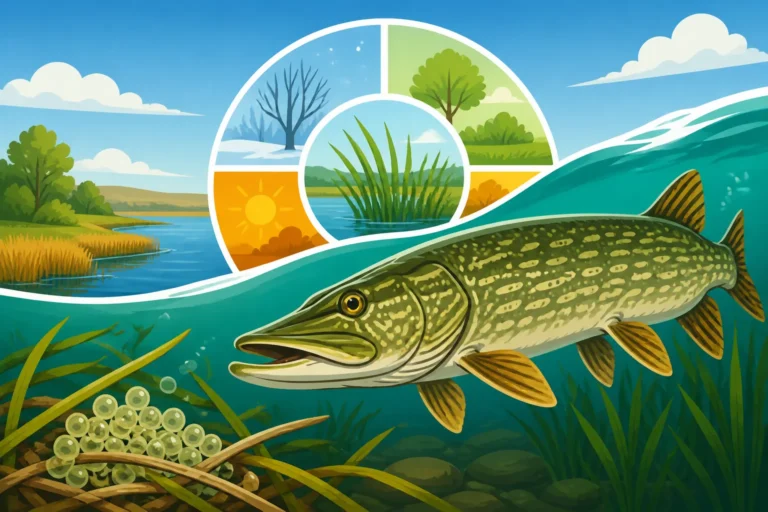
The magic of Devils Lake lies in its unique ecosystem. For decades, the lake's water levels have been fluctuating dramatically, periodically flooding vast areas of agricultural land and timber. This submerged landscape creates an incredibly rich and diverse habitat that is absolutely ideal for perch. Think about it: when fields and trees flood, they bring with them a massive influx of nutrients. This fuels an explosion of aquatic invertebrates, insect larvae, and, crucially, freshwater shrimp, often called "scuds." These scuds are like super-food for young perch, providing an almost unlimited buffet that allows them to grow at an astonishing rate.
Beyond the food, the flooded timber provides an intricate network of cover. This dense underwater jungle protects juvenile perch from predators like northern pike and walleye, giving them a safe haven to mature. It also offers countless ambush points for adult perch, making them efficient hunters. This combination of abundant, high-quality forage and complex, protective habitat is the secret sauce behind Devils Lake's legendary perch population. The lake essentially keeps resetting and rejuvenating its food web, preventing it from becoming stagnant and consistently producing strong year classes of perch. You'll often hear old-timers talk about how the fishing changes with the water levels, and they're right – these changes are directly tied to the health and growth of the perch.
Typical Perch Sizes You'll Encounter
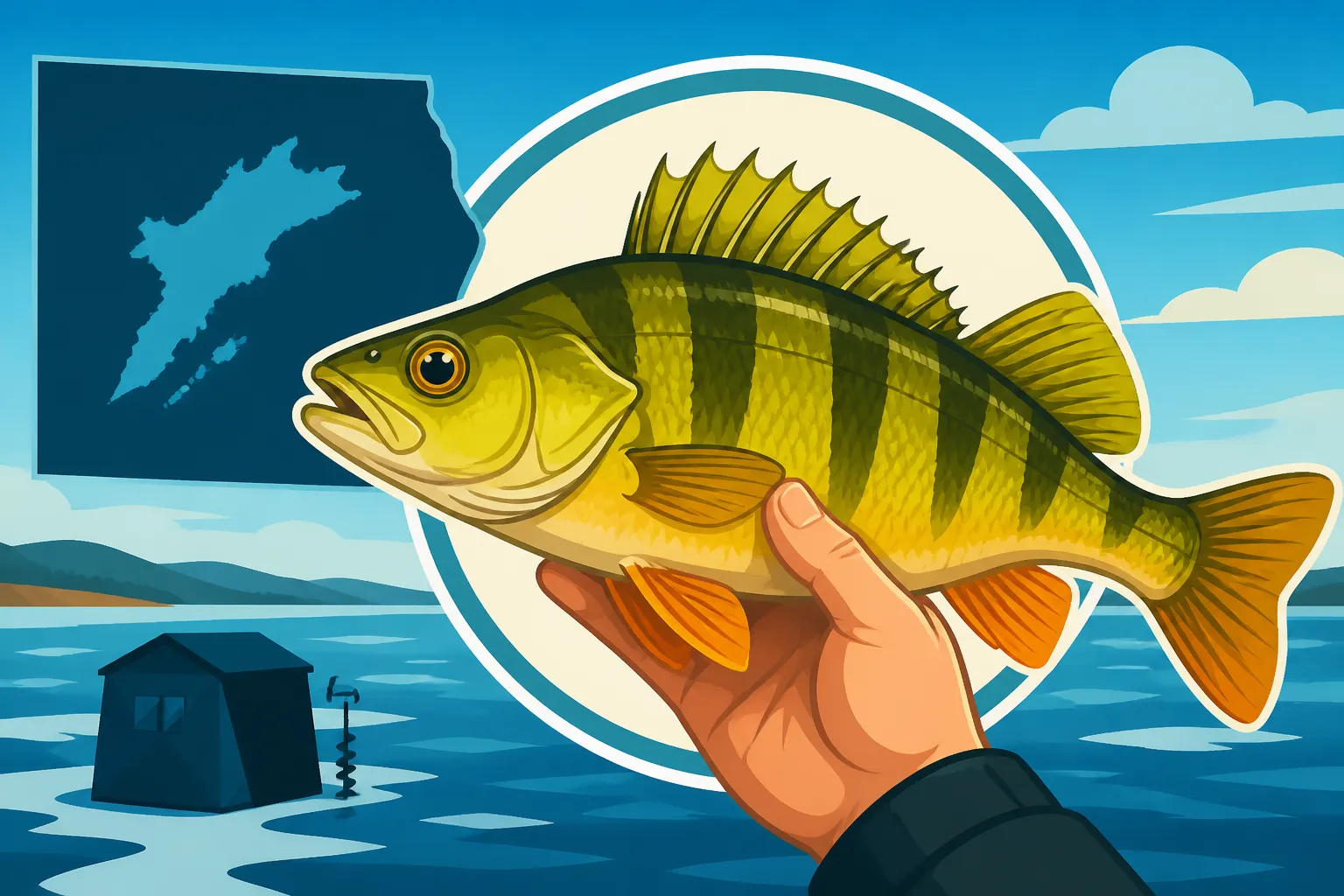
So, let's get down to brass tacks: what's the average size of perch you can expect to catch on Devils Lake? When most anglers talk about "average," they're often thinking about length. For yellow perch on Devils Lake, a truly average catch will often fall into the 8 to 11-inch range. These are robust, healthy fish, typically with a good girth, often weighing between half a pound and three-quarters of a pound. They're excellent eating and provide a consistent bite.
However, Devils Lake is famous for its "jumbo" perch, and it's not uncommon for anglers to regularly catch fish in the 12 to 14-inch range. These larger specimens can easily tip the scales at a pound or more. While they might not be every fish you catch, they're a frequent enough occurrence to keep things exciting and make every strike a potential personal best. It's important to understand that the term "average" here is a bit higher than what you might find in many other fisheries across the country. Devils Lake doesn't just have a lot of perch; it has a lot of quality perch. When you're fishing a spot that's "on," you might be sorting through dozens of 8-9 inchers to find those 10-12 inch beauties, but they are absolutely there in numbers.
Why Devils Lake is a Perch Mecca
Devils Lake has maintained its status as a perch Mecca for several compelling reasons, primarily centered around its unique hydrological cycle and management practices. As mentioned, the cyclical flooding replenishes nutrients and expands prime habitat, which is crucial. But it's also about balance. While perch thrive, so do their predators, which helps keep the perch population from becoming stunted due to overpopulation. The presence of healthy numbers of Devils Lake Walleye Fishing Spots and big northern pike means that there's a natural thinning process that allows the remaining perch to grow larger.
The North Dakota Game and Fish Department also plays a vital role through careful monitoring and adaptive management strategies. They track fish populations, study growth rates, and adjust regulations when necessary to ensure the long-term health of the fishery. This proactive approach, combined with the lake's natural fertility and fluctuating water levels, creates a perfect storm for consistently producing exceptional perch fishing. Anglers come from all over for this experience, packing local motels and hitting the ice at Devils Lake Ice Fishing Access Points in the dead of winter, knowing that their chances of a great day of perch fishing are exceptionally high.
Factors Influencing Perch Size on Devils Lake
The size of perch you find in Devils Lake isn't just random luck; it's a complex interplay of environmental factors, food availability, and even the number of fish in the system. Understanding these influences can give you a real edge in your own fishing strategy.
Forage Availability and Competition
The single biggest driver of perch growth on Devils Lake is the sheer abundance of food. The lake's rich, ever-evolving ecosystem provides a smorgasbord for perch at all stages of their life. Young perch feast on zooplankton and insect larvae, quickly putting on size. As they grow, their diet expands to include the aforementioned freshwater shrimp (scuds), which are incredibly numerous and packed with protein. These scuds are so vital that during peak periods, the stomachs of harvested perch are often bulging with them.
However, it's a delicate balance. If a particular year class of perch is exceptionally strong, meaning there are an overwhelming number of fish, competition for food can increase. While Devils Lake typically has enough forage to support its massive perch population, there can be times when localized areas or specific age groups might experience slower growth due to intense competition. This is why you might catch a whole school of 8-inch perch in one spot, then move a short distance and find a group of larger, fatter 12-inchers – different food densities or competitive pressures at play. Maintaining a diverse forage base, including smaller baitfish, also contributes to the robust growth of the largest perch, who become more predatory as they mature.
Water Levels and Habitat Changes
Devils Lake's famously fluctuating water levels are a double-edged sword that ultimately benefits the perch fishery. When the water rises and floods new terrestrial vegetation, it unlocks a fresh supply of nutrients and creates brand new habitats. This inundation provides endless nooks and crannies, submerged trees, and grassy areas that are perfect for perch to hide, spawn, and feed. These newly flooded areas quickly become productive zones teeming with insect life and other invertebrates, essentially opening up new grocery stores for the fish.
Conversely, when water levels recede, it can concentrate fish into smaller areas, making them easier to locate for anglers but also potentially increasing competition for food. However, the overall long-term effect of these cycles has been incredibly positive for perch. The rise and fall prevents the lake from "aging" too quickly, constantly renewing the submerged structure that is so crucial for a thriving perch population. These changing dynamics require anglers to be adaptable, as prime Yellow Perch Habitat on Devils Lake can shift from year to year. What was a hot spot last year might be dry or too deep this year, making local knowledge and up-to-date reports invaluable.
Angler Pressure and Harvest Rates
While Devils Lake boasts an incredible number of perch, it also sees significant angler pressure, particularly during the ice fishing season. Thousands of anglers descend upon the lake, eager to fill their buckets with golden-sided perch. The sheer volume of fish harvested can certainly have an impact on the overall population and, by extension, the average size of the fish available.
The North Dakota Game and Fish Department closely monitors these pressures and sets Yellow Perch Daily Limits to manage the harvest sustainably. While a lot of perch are taken, the lake's incredible reproductive capacity and growth rates often allow it to bounce back quickly. However, consistent pressure on easily accessible, well-known spots can sometimes lead to a temporary reduction in the average size of fish in those specific areas. Anglers who are willing to explore and find less-pressured waters often report encountering larger fish more consistently. This is where a little bit of adventurous spirit and a good map (or a reliable fishing app available on platforms like Amazon) can pay dividends, helping you find those hidden gems away from the crowds.
How to Target Bigger Perch on Devils Lake
Catching perch on Devils Lake isn't usually the challenge; it's catching the bigger perch that requires a bit more finesse and strategy. If you're looking to upgrade from "average" to "jumbo," here's what you need to know.
Key Locations for Larger Perch
Bigger perch often behave differently than their smaller counterparts. They're more cautious, more selective, and tend to hold in specific types of structure or areas that offer both food and protection. On Devils Lake, focus on these key locations:
- Deeper Basins and Transitional Areas: While smaller perch might be found cruising shallower flats, the biggest perch often prefer slightly deeper water, especially during colder months or bright days. Look for areas where flats drop off into deeper basins, or where submerged humps rise from deeper water. These transitional zones provide easy access to different depths and forage.
- Flooded Timber Edges: The flooded trees are iconic Devils Lake structure. While small perch are often thick within the timber, the biggest ones tend to patrol the edges where the timber meets more open water. This allows them to ambush baitfish or move in and out of cover easily. Fish the outside lines of these tree rows.
- Old Road Beds and Submerged Structures: The history of Devils Lake, with its fluctuating levels, means there are submerged old roads, building foundations, and other man-made structures. These hard-bottomed areas break up the monotony of the lakebed and attract baitfish, which in turn attract bigger perch. These can be goldmines, especially if you can find them on your sonar. For specific insights, check out Devils Lake Perch Fishing Spots.
Effective Techniques for "Jumbo" Perch
Once you've found a promising spot, your technique becomes crucial. The same methods that catch smaller perch might not always entice the giants.
- Aggressive Jigging with Periods of Stillness: While tiny jigs and subtle movements catch a lot of perch, bigger fish sometimes respond to a more aggressive approach. Start with a few sharp rips, then let your bait settle completely still for 5-10 seconds. Many large perch will hit during this pause. Don't be afraid to experiment with your retrieve; some days it's all about the finesse, other days it's about making a commotion. For more detailed instructions, see Perch Jigging Techniques for Devils Lake.
- Upsize Your Bait: Don't be afraid to go a little bigger with your lure. While tiny tungsten jigs are effective for all sizes, a slightly larger spoon or a plastic with more bulk can help weed out smaller fish and target the jumbos.
- Live Bait Presentation: Minnows, either whole or tipped on a jig, are a classic choice. A lively minnow suspended under a bobber or fished aggressively on a spoon can be irresistible. Consider using larger minnows (fatheads or shiners) to specifically target bigger fish.
- Patience and Persistence: Big perch aren't always in a feeding frenzy. You might have to sit on a spot longer, or work a specific piece of structure more thoroughly, to convince them to bite. Sometimes, the largest fish in a school are the last to commit.
The Right Gear Makes a Difference
Having the right tackle can absolutely make a difference when you're specifically targeting larger perch.
| Gear Category | Recommended for "Average" Perch (8-11 inches) | Recommended for "Jumbo" Perch (12+ inches) |
|---|---|---|
| Rod | Ultra-light or light action, 24-28 inches | Light to Medium-light action, 28-32 inches with a sensitive tip |
| Reel | Small spinning reel (500-1000 size) | Slightly larger spinning reel (1000-2000 size) for better drag and power |
| Line | 2-4 lb monofilament or fluorocarbon | 4-6 lb fluorocarbon or braided line with a fluorocarbon leader |
| Jigs/Lures | 1/32 to 1/16 oz tungsten jigs, small spoons, small plastics | 1/16 to 1/8 oz tungsten jigs, larger spoons, larger plastics (e.g., panfish plastics 2-3 inches) |
| Auger (Ice Fishing) | 6-8 inch manual or electric auger | 8-10 inch electric or gas auger (for bigger holes, especially if using a Best Ice Fishing Rod for Perch with a longer rod) |
When shopping for ice fishing rods, look for models specifically designed for perch. They'll have a sensitive tip to detect those subtle perch bites, but enough backbone to handle a feisty jumbo. You can often find great deals on these specialized rods and reels from retailers like Amazon. Don't forget quality line – fresh fluorocarbon offers great sensitivity and less stretch, which is crucial for feeling light bites from bigger, warier fish. To know what size jigs to use, refer to Best Jig Size for Perch Through the Ice, and for finding schools, How to Find Perch Schools Under the Ice is an excellent resource.
Beyond Average: Trophy Perch and Record Catches
While most anglers are thrilled with a consistent bite of 10-12 inch perch, there's always the allure of that truly enormous, once-in-a-lifetime fish. Devils Lake is a place where those dreams can, and often do, come true.
What Constitutes a "Trophy" Perch on Devils Lake
On Devils Lake, a "trophy" yellow perch often starts at 13-14 inches, but a true monster is usually 15 inches or longer. These are often broad-shouldered, incredibly fat fish that look like they swallowed a softball. A 15-inch perch is a rare and special catch, often weighing closer to 2 pounds, sometimes even more. These fish are typically older, having survived many seasons, and have benefited from the abundant forage and protection offered by the lake's unique environment.
Catching one of these beasts requires a combination of skill, patience, and often a bit of luck. They don't come easy, and they are usually found in specific locations where conditions are just right for their continued growth. Anglers who consistently catch trophy perch are often those who spend a lot of time on the water, meticulously studying patterns, and aren't afraid to move frequently to find active fish. It's about being in the right place at the right time with the right presentation.
Chasing the State Record
North Dakota's state record for yellow perch is a truly impressive fish, and the discussion around it is always a lively one, especially in the Devils Lake region. The current state record is a testament to the lake's potential, showcasing what its unique ecosystem can truly produce. Anglers often wonder if the next record-breaker will come from Devils Lake, given its consistent history of producing giant perch.
The pursuit of a state record isn't just about the fish; it's about the adventure, the dedication, and the stories told. While most anglers will never land a state-record fish, the possibility keeps the excitement alive on every trip to Devils Lake. The lake has produced numerous fish that have challenged the record books over the years, and it continues to be a hotspot for those looking to land a fish of legendary proportions. To learn more about the current record and the history surrounding these incredible catches, be sure to read Yellow Perch Record Catch on Devils Lake. It's a fascinating look into the ultimate goal for many a perch angler in the Peace Garden State.
Devils Lake truly stands out as a premier destination for yellow perch, consistently offering anglers a chance at both abundant numbers and impressive sizes. Whether you're content with a bucket full of tasty "average" perch or you're holding out for that elusive jumbo, the lake's dynamic environment and robust fish populations make every trip an adventure. Remember to check local regulations before heading out, as limits and rules can change. Happy fishing, and may your next Devils Lake perch be your biggest yet!
Disclaimer
This article is for general informational purposes only and does not constitute professional advice. Laws, prices and regulations vary by location and change over time. Consult a qualified professional for guidance on your specific situation.