How to Catch Smallmouth Bass on Rocky Shorelines
There's nothing quite like the thrill of chasing smallmouth bass, but let's be honest, those tricky bronzebacks can be incredibly frustrating, especially when they're hiding out amongst the jagged, unforgiving rocky shorelines of North Dakota's beautiful lakes and rivers. You cast, you retrieve, you snag, and sometimes, you just come up empty-handed. If you've ever felt like those rocks are just laughing at your perfectly presented lure, then this guide is for you. We're going to dive deep into understanding smallmouth behavior, arm you with the right gear, and share some battle-tested techniques to help you consistently hook up with these feisty fighters.
Understanding Smallmouth Bass on Rocky Shorelines
Smallmouth bass are incredible creatures, known for their powerful fights and their uncanny ability to disappear into structure. When it comes to rocky shorelines, they're not just there by chance; these areas offer a perfect storm of survival advantages that make them prime real estate for smallies.
Why Rocky Habitats Attract Smallmouth
Think about what a smallmouth bass needs: food, shelter, and a place to reproduce. Rocky shorelines, especially those with a mix of different sized rocks, boulders, and even some scattered timber, provide all of this in spades. The irregular surfaces create countless nooks, crannies, and shadows where crayfish, their absolute favorite meal, can hide. Where crayfish go, smallmouth follow! Minnows and other baitfish also utilize these rocky zones for cover, creating a consistent food source.
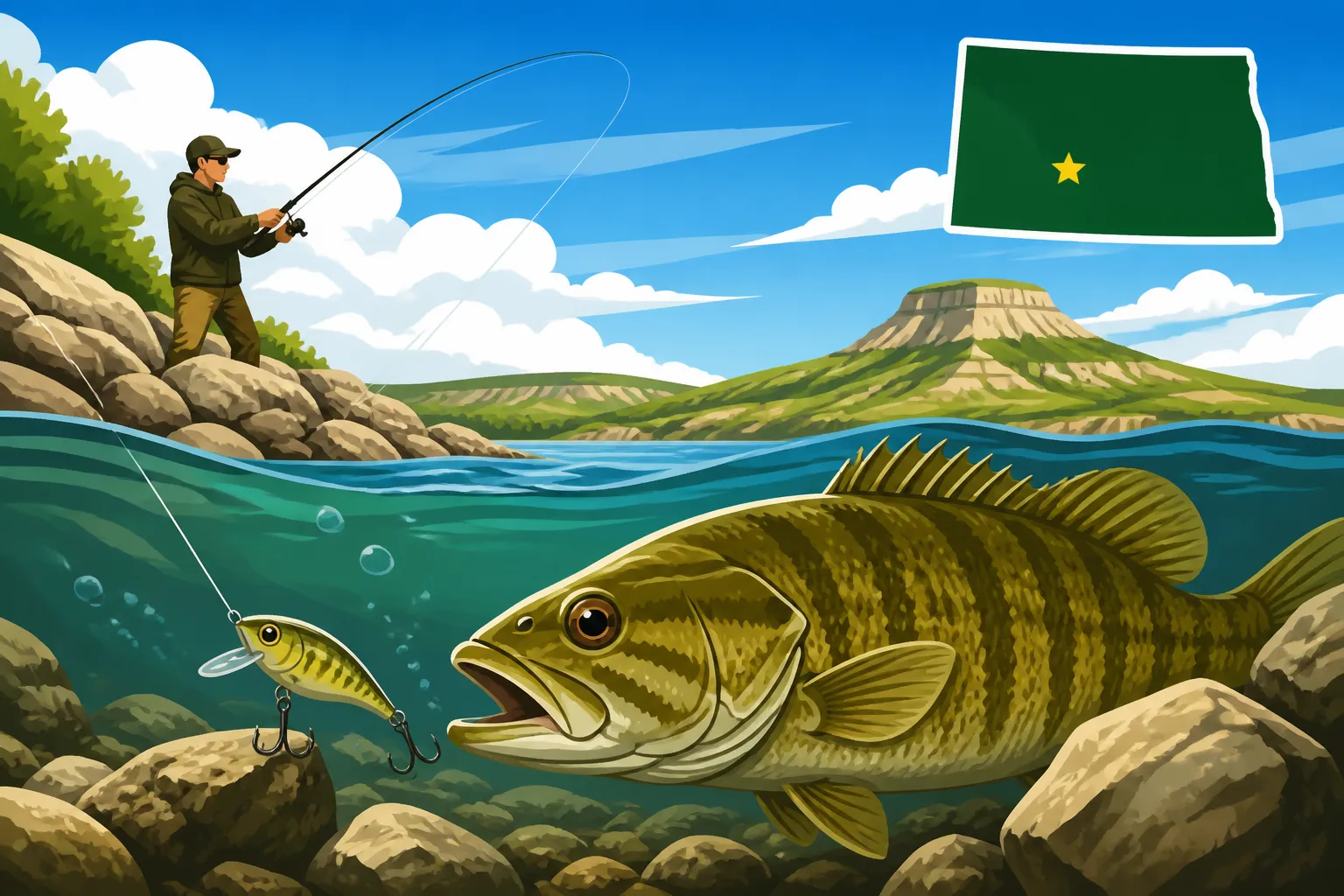
Beyond just food, rocks offer crucial protection. The bass can ambush prey from behind a submerged boulder, dart into a rock crevice to escape predators like ospreys or pelicans, or simply rest out of the main current. For instance, on large bodies of water like Lake Sakakawea or parts of the Missouri River, the wave action constantly pounds certain shorelines, creating eroded rocky banks that are simply irresistible to smallmouth. You'll find them holding just off the points, around rocky islands, or along riprap shorelines where those crayfish are abundant. Even smaller, clearer lakes in North Dakota with rocky bottoms, like Lake Audubon, become prime smallmouth territory because of these features. These areas provide excellent Smallmouth Bass Habitat in North Dakota, and knowing why they choose these spots is the first step to successful fishing.
Seasonal Movements and Rocky Structures
Smallmouth bass aren't static; their location along rocky shorelines shifts with the seasons, largely dictated by water temperature and their biological needs. Understanding these movements is key to finding them.
- Spring (Pre-spawn & Spawn): As ice gives way and water temperatures begin to rise, smallmouth will start moving from deeper wintering grounds towards shallower, rocky areas. During pre-spawn, they'll congregate on points, rocky humps, and the edges of flats adjacent to deeper water, often feasting aggressively to build energy. When the water hits the mid-50s to low 60s Fahrenheit, they'll move onto shallower rocky flats and gravel beds to spawn, often in protected bays or coves along a rocky bank. This is a crucial time, and you'll find them much more accessible.
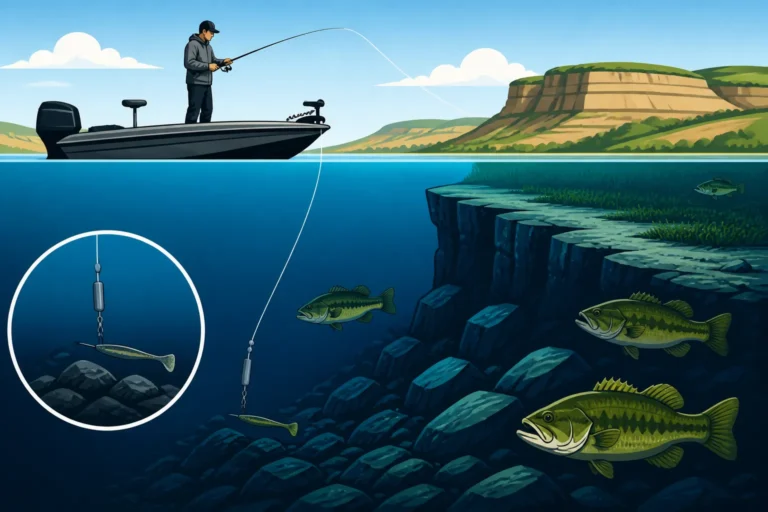
- Summer: Once the spawn is over and water temperatures really climb into the 70s, smallmouth tend to seek out deeper, cooler water. However, they don't abandon rocky shorelines entirely. Instead, they'll relate to deeper rock piles, steep rocky drop-offs, and submerged ledges. They might move shallow during low-light periods (early morning, late evening) or on cloudy days to feed, but during the bright midday sun, they'll retreat to those deeper, cooler rocky hideouts. Look for points that extend far into the lake with rock and gravel, or steep rocky bluffs.
- Fall: As the water cools again in the autumn, smallmouth go into a "feeding frenzy" mode, trying to pack on calories for the long winter. They'll often move back shallower onto rocky points, humps, and main lake rocky banks, similar to spring. They'll be incredibly aggressive, hitting a wide variety of baits. This is often considered one of the best times to fish for them.
- Winter: During the harshest North Dakota winters, when the lakes are frozen solid, smallmouth will typically move to the deepest available rocky structures, often relating to submerged rock piles, channel edges, or deep bluff walls where they can conserve energy. While ice fishing for smallmouth isn't as common as for walleye or perch, if you find these deeper rocky structures, you might be surprised.
Understanding these seasonal patterns will help you predict where the fish are likely to be hiding along those rocky shores at any given time of year. This knowledge is crucial when planning your trip to Lake Sakakawea or the Missouri River to try your hand at North Dakota Smallmouth Bass Fishing Guide.
Essential Gear and Tackle for Rocky Shores
Fishing rocky shorelines isn't just about finding the fish; it's about being prepared for the environment. These areas are notorious for snags, line abrasion, and tough fights. Having the right gear isn't just helpful; it's practically a necessity to minimize frustration and maximize your success.
Rods, Reels, and Line Choices
When you're casting around sharp rocks and battling powerful smallmouth, your equipment needs to be up to the task.
- Rods: For most rocky shoreline smallmouth fishing, a medium-light to medium power spinning rod, typically 6'6" to 7'0" in length, is a fantastic all-around choice. This length gives you good casting distance and enough leverage to pull fish away from snags, while the medium power offers sensitivity for detecting subtle bites and enough backbone to handle a fighting fish. For heavier baits like larger crankbaits or deep-diving jigs, you might consider a medium-heavy casting rod. The key is sensitivity so you can feel every little tick on the bottom, but also enough strength to horse a fish away from trouble. You can find a good selection of Best Fishing Rods for North Dakota Anglers suitable for smallmouth on Amazon.
- Reels: A reliable spinning reel in the 2000-3000 size range is perfect for smallmouth. Look for one with a smooth drag system, which is crucial for fighting strong fish on lighter lines. A good retrieve ratio (around 6.0:1) will help you pick up slack quickly and keep pace with a running smallmouth. For those using casting rods, a low-profile baitcasting reel with a fast gear ratio (7.0:1 or higher) is excellent for quick retrieves and presenting lures precisely.
- Line: This is where you absolutely cannot skimp when fishing rocky areas.
- Main Line: Many anglers prefer braided line (10-15 lb test) as their main line because of its incredible strength, lack of stretch for superior sensitivity, and casting distance. However, braid is visible in clear water, and it can fray on sharp rocks if it rubs too much.
- Leader: To combat the visibility and abrasion issues, always tie on a fluorocarbon leader (6-10 lb test). Fluorocarbon is virtually invisible underwater and, more importantly, it's highly abrasion-resistant, making it a lifesaver against those jagged rocks. A good rule of thumb is a 3-6 foot leader. This setup allows you to feel everything with your braid while providing a stealthy, tough connection to your lure. Avoid monofilament as a leader in rocky areas; it stretches too much and is more prone to abrasion.
Lure Selection for Rocky Structure
The right lure can make all the difference, but it's not just about what catches fish; it's about what you can present effectively and minimize snags in a rocky environment. This is where your Best Fishing Tackle for North Dakota Lakes comes into play.
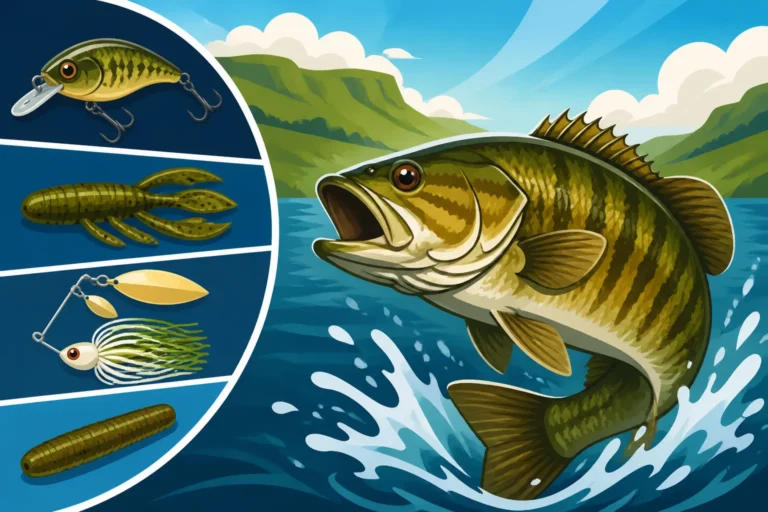
- Jigs (Tube Jigs, Skirted Jigs, Hair Jigs): These are absolute staples for rocky smallmouth.
- Tube Jigs: A 3-4 inch tube jig, especially in greens, browns, and whites, is deadly. Rig it with an internal jig head for a weedless presentation that mimics a crayfish perfectly. Dragging, hopping, and shaking a tube jig along the bottom often elicits aggressive strikes.
- Skirted Jigs: A 1/4 to 3/8 ounce skirted jig with a crawfish-imitating trailer can be worked through rocks effectively. Darker colors like black and blue, or greens and browns, are excellent choices.
- Hair Jigs: Small hair jigs (1/8 to 1/4 ounce) in natural colors are fantastic for tempting wary smallmouth, especially in clear water or when they're less active.
- Crankbaits (Diving and Squarebill):
- Deep-Diving Crankbaits: These are great for searching deeper rocky edges and drop-offs. Choose models that dive to the depth you're targeting. The key here is to "crash" them into the rocks occasionally; the deflection often triggers reaction strikes. Look for natural baitfish patterns or crawfish colors.
- Squarebill Crankbaits: For shallower rocky stretches (under 6-8 feet), squarebill crankbaits are phenomenal. Their blunt lip helps them deflect off rocks and timber, reducing snags and creating an erratic action that smallmouth can't resist. Again, crawfish or baitfish patterns are best.
- Soft Plastics (Grubs, Ned Rigs, Drop Shots):
- Grubs: Single-tail grubs (3-4 inches) on a lead head can be bounced along rocky bottoms.
- Ned Rigs: A smaller, finesse presentation that is incredibly effective. The mushroom-shaped jig head and buoyant plastic stand up off the bottom, making it very snag-resistant for its size.
- Drop Shots: When smallmouth are finicky or holding tight to vertical rock walls, a drop shot rig can present a small plastic worm or creature bait right in their face without snagging the weight.
- Topwater Lures (Poppers, Walking Baits): Don't forget the exhilarating topwater bite! During low-light conditions or on calm days, smallmouth will absolutely smash topwater lures fished over shallower rocky areas. Poppers, walk-the-dog baits, and prop baits can be incredibly exciting.
- Spinners and Spinnerbaits: While not always the first choice for direct rocky bottom contact, spinnerbaits with weedless designs can be fantastic for working along the edges of rocky banks or over submerged boulders. The flash and vibration often draw fish out.
When building your tackle box for rocky smallmouth, remember to stock up on extra jigs, hooks, and even a few extra crankbaits. You're going to lose some lures, it's just a fact of fishing this type of structure. Searching on a site like Amazon before your trip is a great way to ensure you have a good variety of colors and weights.
Proven Techniques for Targeting Smallmouth
Successfully catching smallmouth bass on rocky shorelines goes beyond just having the right gear; it's about how you use it. These fish are smart, opportunistic, and incredibly powerful. Mastering a few key techniques can dramatically increase your hook-up rate and help you minimize those frustrating snags.
Casting and Presentation Strategies
The way you cast and retrieve your lure is paramount when fishing around jagged rocks. It's a delicate balance between getting your bait where the fish are and not losing it to the unforgiving bottom.
- Fan Casting: Start by making a series of casts that cover the entire area in front of you, from left to right or vice versa, like the blades of a fan. This ensures you're covering all potential holding spots. If you're fishing from a boat or kayak, you can often position yourself to cast towards the bank and then work your lure back into deeper water, or cast parallel to a rocky bluff.
- Targeting Irregularities: Smallmouth bass love ambush points. Look for anything that breaks up the monotony of the rocks: a larger boulder, a slight indentation in the shoreline, a small patch of weeds, or a fallen tree. These are high-percentage spots where fish will be waiting. Cast beyond these features and work your lure past them.
- Varying Retrieve Speeds and Actions: Smallmouth can be finicky. Sometimes they want a fast, aggressive retrieve that triggers a reaction strike, while other times a slow, deliberate presentation is what it takes.
- Jigs and Soft Plastics: For tube jigs, Ned rigs, or grubs, cast them out and let them sink to the bottom. Then, use a series of short hops, drags, or shakes of your rod tip to impart action. Let the bait fall back to the bottom on a semi-slack line; many strikes occur on the fall.
- Crankbaits: When using squarebills or deep divers, cast them out and retrieve them so they "bang" into the rocks. The sudden deflection and change in direction often infuriates smallmouth into striking. Experiment with retrieve speed – sometimes a steady retrieve works, other times a stop-and-go motion is better.
- Staying Connected: With braided line and a fluorocarbon leader, you'll have excellent feel. Pay close attention to your line – any subtle twitch, jump, or feeling of "weight" could be a bite. When you feel something, set the hook with a strong, sweeping motion. These are often the Smallmouth Bass Techniques on Rocky Shorelines that seasoned anglers swear by.
Dealing with Snags and Break-offs
Snags are an inevitable part of fishing rocky shorelines, but there are ways to minimize them and even retrieve your lures. This is often the most frustrating part, but with practice, you can reduce lost tackle.
- Choose Snag-Resistant Lures: As mentioned earlier, internal jig heads for tubes, weedless skirted jigs, and squarebill crankbaits are designed to be more forgiving in rocky terrain. A Ned rig, with its stand-up head, also tends to be less snag-prone than traditional ball head jigs.
- Vertical Presentations: When fishing very deep rock piles or steep bluffs from a boat, consider a vertical presentation like a drop shot or even simply jigging directly over the structure. This keeps your lure in the strike zone without constantly dragging it across the bottom, drastically reducing snags.
- The "Pop-and-Slack" Technique: If you feel your lure snag, don't just pull harder. First, give some slack to your line; sometimes the lure will float free. If not, try pointing your rod directly at the snag, then give a sharp "pop" with your rod tip while simultaneously giving slack again. This can sometimes dislodge the lure. Repeat a few times.
- The "Bow-and-Arrow" Technique (for light snags): If you're on a boat and can get directly over the snag, let out slack, then hold the line tight against the rod with one hand and "pluck" it like a bowstring with the other. The vibrations can sometimes free the lure.
- Bring a Lure Retriever: For those really stubborn snags, a specialized lure retriever (often a heavy chain with a hook or a weighted line) can be a wise investment. You can buy these on Amazon, and they can save you a lot of money in lost lures over time.
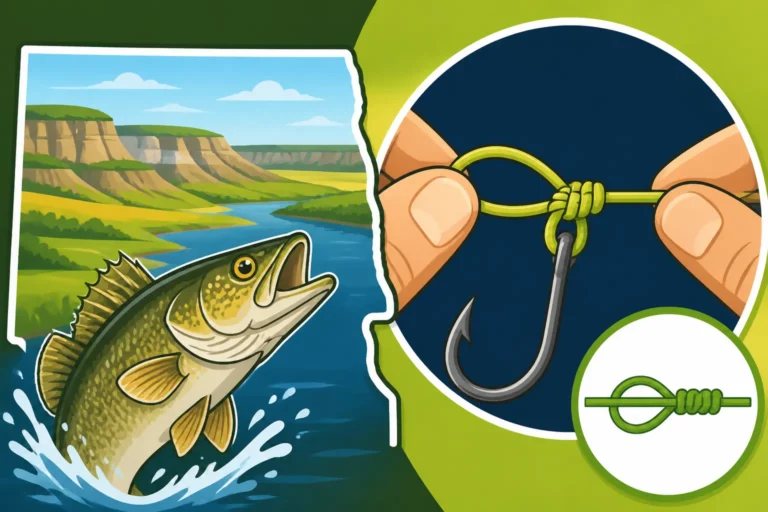
- Leader Knots: Ensure your leader knots (like an FG knot or Double Uni knot) are strong and properly tied. A weak knot will be the first thing to fail on a snag or during a powerful fight.
Reading the Water and Identifying Prime Spots
You can have all the right gear and techniques, but if you're not fishing where the smallmouth are, it won't matter. Learning to "read the water" is a skill that develops with experience, but there are some clear indicators to look for on rocky shorelines.
- Transitions: Smallmouth love transition zones. Look for where a rocky bottom transitions to sand, gravel, or even mud. The seam where different types of bottom meet is often a highway for baitfish and a prime ambush point for bass.
- Points and Humps: Any point that extends out into the lake, especially if it's rocky, is a high-percentage spot. Fish will stage on either side, depending on current, wind, and sunlight. Submerged humps or rock piles away from the main shoreline are also magnets for smallmouth.
- Drop-offs and Ledges: Rocky shorelines that quickly drop into deeper water, or that feature distinct ledges, provide easy access to different depths and thermal layers. Smallmouth will often cruise these edges, moving up and down to feed.
- Current Seams: On rivers like the Missouri, smallmouth will often hold in the slower water just out of the main current, such as behind a large boulder or in an eddy. These current breaks provide them with a resting spot where they can ambush baitfish being swept by.
- Wind-Blown Banks: A moderate chop on a rocky bank can actually be a good thing. The wind pushes baitfish against the shore, and the waves break up the surface, providing cover for actively feeding smallmouth. However, excessively strong winds can make boat control and casting difficult.
- Water Clarity: Smallmouth generally prefer clear to moderately stained water. In very clear water, they might be deeper or require more subtle presentations. In stained water, brighter colors or baits with more vibration might be more effective.
By combining an understanding of these features with the appropriate gear and presentation, you'll be well on your way to a successful day catching How to Catch Smallmouth Bass on Rocky Shorelines in North Dakota.
| Lure Type | Best Conditions / Depths | Key Presentation | Pros | Cons |
|---|---|---|---|---|
| Tube Jigs | All depths, clear to stained | Hop, drag, shake on bottom | Mimics crayfish, weedless options | Slower retrieve, can still snag |
| Skirted Jigs | Medium to deep, moderate cover | Hop, swim, pitch into cover | Good for heavier cover, weedless | Less action than tubes on pause |
| Squarebill Cranks | Shallow (0-8 ft), rocky cover | Deflect off rocks, steady retrieve | Excellent deflection, reaction bites | High snag potential on direct hits |
| Deep-Diving Cranks | Deep (8+ ft), open rocky areas | Crash into bottom, fast retrieve | Covers water quickly, reaction bites | Very high snag potential, expensive |
| Ned Rigs | All depths, finesse, tough bite | Drag, subtle shakes on bottom | Super snag-resistant, effective for wary fish | Smaller profile, lighter tackle needed |
| Drop Shots | Deep, vertical cover, precise | Hover bait in strike zone | Extremely precise, vertical presentation | Slower fishing, requires specific rigging |
| Topwater | Shallow, low light, calm water | Pop, walk the dog, pause | Exciting bites, covers water | Limited to specific conditions |
Best Times and Conditions
Just like any other fish, smallmouth bass are influenced by environmental factors such as the time of day, weather, and especially water temperature. Being aware of these elements can give you a significant advantage when you're targeting them on North Dakota's rocky shorelines. You might know all about The Fishing, Hunting, Furbearer Certificate Explained and what lures to use, but if you're out there at the wrong time, your chances definitely diminish.
Time of Day and Weather Influence
Smallmouth bass are opportunistic predators, and their activity levels can swing dramatically depending on light and atmospheric conditions.
- Early Morning and Late Evening: These are often the "golden hours" for smallmouth, particularly in the summer. The lower light levels draw them into shallower rocky areas to feed more aggressively. They feel safer from predators and are less exposed to direct sunlight. Topwater lures can be incredibly effective during these times, providing some of the most exciting bites you'll ever experience. As the sun rises higher or sets lower, the shadows cast by rocky bluffs and submerged boulders also become prime ambush points.
- Cloudy Days: Overcast skies can extend the prime feeding window throughout the day. Without bright sun, smallmouth feel more comfortable in shallower water and may remain active longer. These are fantastic days for covering water with crankbaits and spinnerbaits along rocky edges.
- Windy Days (Moderate Wind): A light to moderate wind can actually be your friend. It creates a "chop" on the water's surface, which helps break up the light penetration and makes it harder for smallmouth to see you. The wind also pushes baitfish against rocky banks, creating feeding opportunities. However, strong winds can make boat control difficult and casting a challenge, often requiring you to seek out more protected, yet still rocky, areas.
- Post-Frontal Conditions: A cold front, especially one that brings clear skies and high pressure after a storm, can make smallmouth fishing tough. They often become less active and move to deeper water. During these times, slow down your presentation, use finesse techniques like Ned rigs or drop shots, and target deeper rock piles. Patience is absolutely key after a front rolls through.
- Rainy Days: Light rain can sometimes trigger a good bite, as it washes insects and other nutrients into the water, and the reduced light offers cover. However, heavy downpours can muddy the water and turn fish off.
Thinking about the Best Time of Year to Fish in North Dakota for smallmouth, you'll find that late spring, summer, and fall generally offer the most consistent action on these rocky structures due to more favorable weather patterns.
Water Temperature and Clarity
Water temperature and clarity are two of the most critical factors dictating smallmouth bass behavior and their preference for rocky habitats.
- Water Temperature:
- Cold Water (Below 50°F / 10°C): In very cold water, smallmouth are generally lethargic. They'll hold tight to deep rocky structure, often in large schools, conserving energy. Finesse presentations that are slow and subtle are your best bet if you can find them.
- Cool to Warming Water (50-65°F / 10-18°C): This is the prime period for smallmouth. As the water warms in spring, they move shallower to feed and then to spawn. They're incredibly active and aggressive. During the fall, as water cools back into this range, they enter a major feeding binge. This is when they'll be most readily found on those rocky shorelines.
- Warm Water (65-75°F / 18-24°C): In summer, smallmouth are still very active, but they might seek out slightly deeper or shadier rocky areas during the brightest parts of the day. They'll move shallower during low light. Keep an eye on water temperature; if it gets too warm (above 75°F), they can become stressed, and fishing may slow down significantly.
- Water Clarity:
- Clear Water: Many of North Dakota's prime smallmouth lakes and rivers, like Lake Sakakawea, can have very clear water, especially away from major inflows. In clear water, smallmouth rely heavily on their eyesight. This means using more natural lure colors (greens, browns, watermelon), smaller presentations, and fluorocarbon leaders are crucial for stealth. You might need to cast longer distances to avoid spooking them.
- Stained to Moderately Turbid Water: In water that's slightly stained or off-color, smallmouth still do well, but they might rely more on their lateral line to detect vibrations. This is a good time for lures that create more flash and vibration, like spinnerbaits or crankbaits in brighter colors (chartreuse, orange, bright baitfish patterns).
- Muddy Water: Heavily muddy or turbid water can really turn off smallmouth. They prefer cleaner environments. If the water is very muddy after heavy rains, it's best to look for areas with clearer water, perhaps upstream of an inflow or in protected bays.
By keeping these factors in mind, you can better plan your fishing trips and adjust your tactics on the fly, ensuring you're presenting your lures to smallmouth bass when they're most likely to bite.
Disclaimer
Fishing involves inherent risks, including but not limited to drowning, injury from hooks or equipment, and exposure to the elements. Always prioritize safety, wear a life jacket when on the water, be aware of weather conditions, and inform someone of your fishing plans. Regulations for fishing, including licenses, seasons, and limits, are subject to change. Always consult the latest North Dakota Game and Fish Department (NDGFD) guidelines before heading out. The information provided in this guide is for informational purposes only and does not constitute professional advice.