Is a 16-Foot Boat Big Enough for Lake Sakakawea?
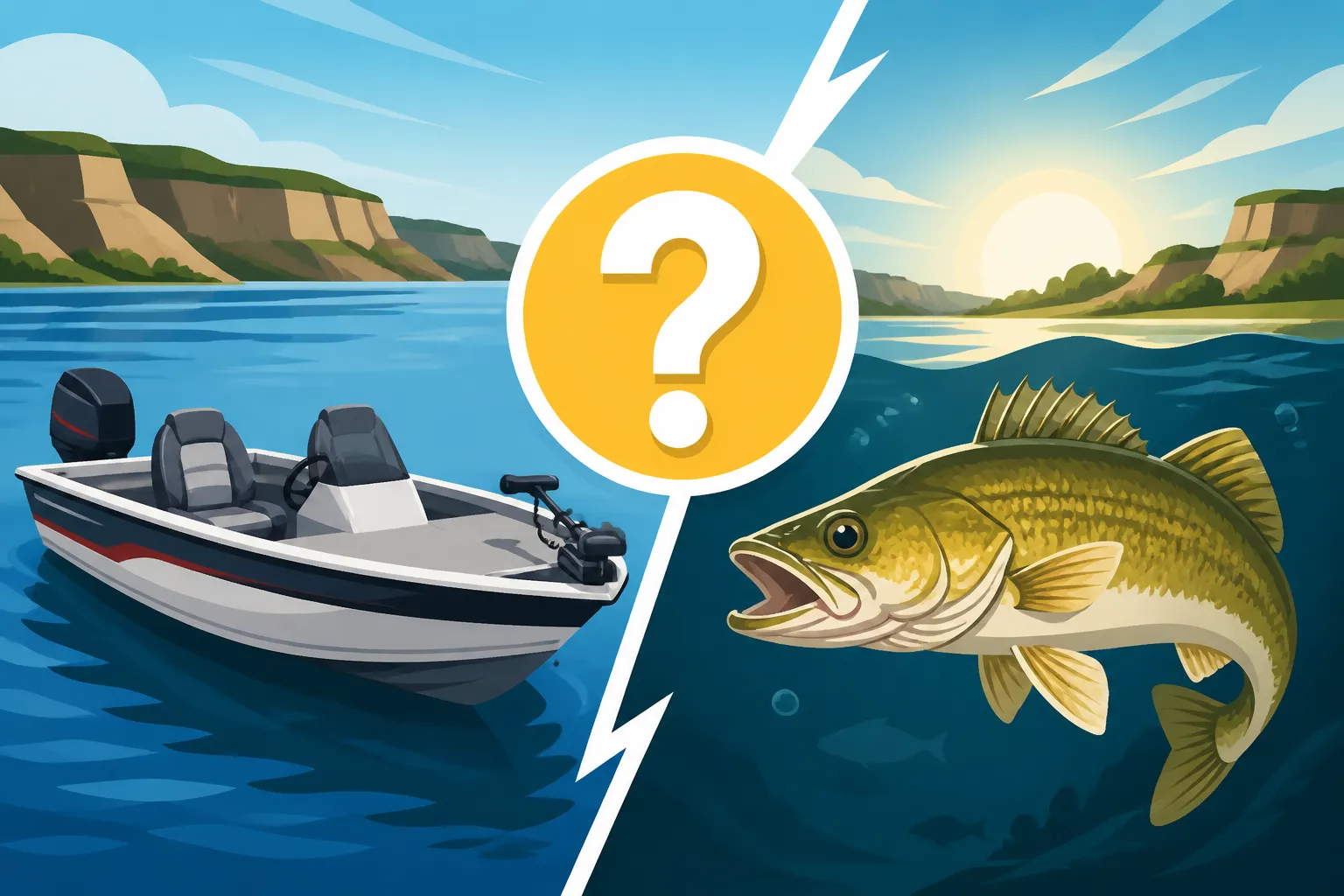
For many anglers, the dream of fishing North Dakota's vast Lake Sakakawea often comes with a question that keeps them up at night: is my boat actually big enough for such a massive body of water? It's a completely valid concern, filled with worries about unpredictable weather, daunting waves, and feeling out of place on such an enormous lake. This guide is here to tackle that head-on, giving you a realistic understanding of what to expect and how to make the most of your 16-foot boat on Lake Sakakawea.
Understanding Lake Sakakawea's Mighty Nature
Lake Sakakawea isn't just a big lake; it's an inland sea, a reservoir created by the Garrison Dam on the Missouri River that stretches for hundreds of miles across North Dakota. Its sheer size and often-unpredictable conditions are what make anglers question if their trusty 16-foot vessel is up to the task. It's a different beast than your typical local pond or smaller recreational lake, and understanding its unique character is the first step in preparing for a successful and safe outing.
The Ever-Present Challenge of Wind and Waves
Anyone who has spent time on the North Dakota prairie knows that wind is a constant companion, and on Lake Sakakawea, it can turn calm waters into a confused chop in a matter of minutes. A gentle breeze at the boat ramp can quickly escalate into white-capped rollers reaching several feet in height out on the open water. This isn't just uncomfortable; it can be genuinely hazardous for smaller boats. Imagine being miles from the nearest ramp, the wind whipping up, and your 16-footer feeling more like a toy boat in a bathtub. It's a scenario that plays out for unprepared anglers more often than you'd think, leading to soaked gear, a rough ride, and sometimes, serious safety concerns. These aren't just minor inconveniences; they can redefine your entire fishing experience, turning a planned day of enjoyment into a desperate dash for safety.
The Vastness and Distances Involved
Lake Sakakawea boasts an incredible amount of shoreline, offering countless bays, points, and structures for anglers to explore. However, this vastness also means that distances between launch points, prime fishing spots, and safe harbors can be enormous. A "short" run across a bay can easily be several miles, and if conditions deteriorate, that seemingly short trip can feel like an endless journey. Many anglers accustomed to smaller lakes might underestimate the fuel consumption or the time it takes to traverse these distances, especially when navigating against heavy winds and waves. Knowing where you are, where you're going, and having a solid plan for getting back is absolutely critical. You can explore more about this incredible fishery in our Lake Sakakawea Fishing Guide for North Dakota Anglers.
The Capabilities and Limitations of a 16-Foot Boat
Now, let's talk about your 16-foot boat. It's important to be realistic about what it can and cannot do on a lake like Sakakawea. While it might not be the ideal choice for every single situation or condition, it doesn't mean you can't have incredible success and make lasting memories on the lake. Many anglers, myself included, started with boats of this size and learned to navigate the nuances of larger waters.
What a 16-Foot Boat Can Handle
A well-maintained 16-foot boat, especially one designed with a deeper V-hull for better wave cutting, can absolutely be sufficient for fishing Lake Sakakawea under the right conditions. These boats are typically easier to launch and retrieve, consume less fuel, and are more nimble for maneuvering in tighter bays or around specific structures. If you're planning to stick to the shallower, more protected bays and arms of the lake, particularly on days with light winds, your 16-footer will serve you perfectly well. It's also a fantastic option for targeting species like walleye and perch in these calmer areas. Think of the Van Hook Arm or Deepwater Bay on a calm summer morning – a 16-foot boat can shine in these scenarios, letting you get into spots larger vessels might struggle to reach. You might even find it easier to work weed lines for northern pike in some of the shallower embayments.
When a 16-Footer Might Be Challenged
The limitations of a 16-foot boat become apparent when Lake Sakakawea truly lives up to its "big water" reputation. When the winds kick up over 15-20 mph, especially from the north or west, those long fetches of open water can build formidable waves. In these conditions, a smaller boat can become a wet, uncomfortable, and potentially unsafe ride. You might find yourself constantly bailing water, having difficulty staying on course, or even being forced to cut your trip short. It's also not ideal for crossing large, exposed sections of the lake during adverse weather. If your fishing plans involve consistently venturing far from shore into the main body of the lake, especially during seasons prone to strong winds, a 16-foot boat might limit your accessibility and, more importantly, your safety. It's crucial to acknowledge that while you might be able to motor through some rough stuff, it's rarely enjoyable and always carries increased risk.
Essential Considerations for Safety and Success
Operating any boat on Lake Sakakawea requires preparation, but with a 16-foot boat, these considerations become even more paramount. It's not just about the size of your vessel, but how you equip it and, most importantly, how you operate it. Prioritizing safety and smart decision-making will ensure your time on the water is memorable for all the right reasons.
Prioritizing Safety Gear and Awareness
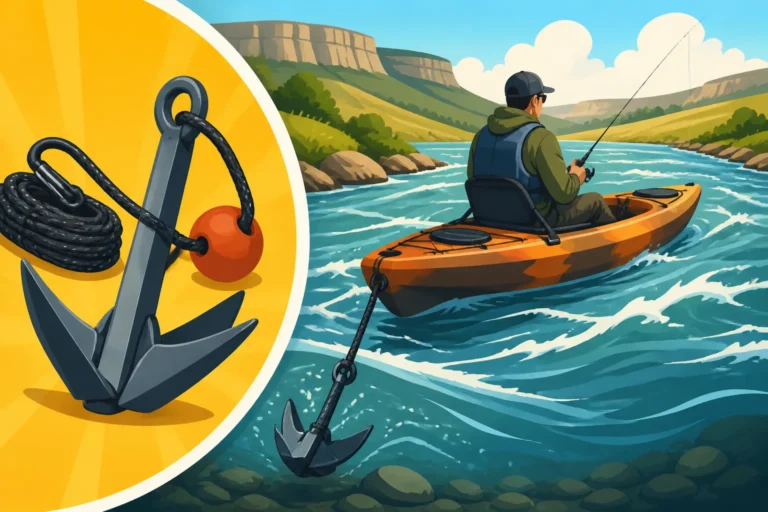
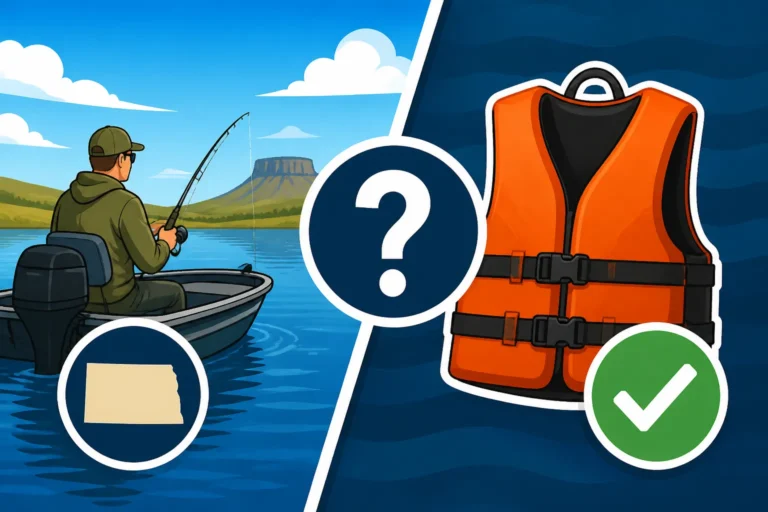
No matter the size of your boat, a comprehensive safety kit is non-negotiable on Lake Sakakawea. For a 16-footer, it's even more critical. Always ensure you have enough U.S. Coast Guard-approved life jackets for everyone on board – and make sure they're worn, especially by children and in rough conditions. A reliable VHF radio or satellite communication device is a must, as cell service can be spotty or non-existent in many areas of the lake. Carry extra fuel, a well-stocked first-aid kit, emergency signaling devices, and a robust anchor system with plenty of line. Checking the weather forecast religiously, not just once in the morning, but throughout the day, is crucial. Conditions can change rapidly, and being aware of approaching fronts or escalating winds can mean the difference between a pleasant trip and a perilous one. A small, portable weather radio can be a lifesaver. You can find many of these essential safety items at reputable outdoor retailers like Bass Pro Shops or even through online vendors like Amazon. For more detailed information, check out our guide on Essential Gear Checklist for North Dakota Fishing.
| Safety Item | Why It's Critical on Sakakawea (especially for 16-foot boats) |
|---|---|
| Life Jackets | Required by law; essential for buoyancy if you go overboard in rough water. |
| VHF Radio / Sat Phone | Cell service is unreliable; vital for emergency communication. |
| Extra Fuel | Large distances and rough water increase fuel consumption. |
| Anchor & Rope | Essential for holding position in wind or emergency. |
| First-Aid Kit | Accidents can happen; be prepared for minor injuries. |
| Flares / Signaling | Attract attention if you break down or are in distress. |
| Weather Radio | Monitor rapidly changing conditions. |
| Navigation Aids | GPS, charts, compass to stay oriented on vast water. |
| Bailer / Pump | Manual or electric pump to remove water from the boat. |
Smart Launching and Trip Planning
With a 16-foot boat, careful planning becomes your best friend. Instead of launching at the most convenient ramp and heading straight across the lake, consider launching closer to your intended fishing grounds. Research protected bays or river arms that offer good fishing without exposing you to the widest, most open expanses of water. Many excellent North Dakota Fishing Access Sites on Lake Sakakawea are available, offering various levels of protection and access. Always inform someone on shore of your float plan – where you're going, who's with you, and when you expect to return. Be willing to adjust your plans based on the weather. If the forecast calls for strong winds, consider rescheduling, exploring a smaller, more sheltered lake, or simply sticking to the most protected areas of Sakakawea. A wise angler knows when to stay off the rough water, regardless of boat size.
Maximizing Your 16-Foot Boat Experience
While a 16-foot boat comes with certain limitations on Lake Sakakawea, it also offers advantages. By focusing on specific strategies and understanding the nuances of the lake, you can have incredibly successful and enjoyable trips.
Targeting Protected Areas and Species
For anglers in 16-foot boats, the numerous arms, bays, and feeder creek embayments of Lake Sakakawea are your playground. These areas often offer excellent fishing for walleye, northern pike, and yellow perch, and they provide significantly more shelter from the main lake's wind and waves. Exploring areas like the Tobacco Garden Bay, the Little Missouri River arm, or the various pockets within the Van Hook Arm can yield fantastic results without the need to brave the open water. These spots are often teeming with structure and forage fish, attracting game species that thrive in shallower, more sheltered environments. Focusing your efforts here not only increases your comfort and safety but can also lead to more consistent catches. Don't feel pressured to run miles across the main lake; some of the best fishing is often found closer to shore in these protected havens.
Enhancing Your Boat for Big Water Fishing
Even if your boat is 16 feet, there are ways to enhance its performance and safety for bigger water. Ensure your motor is in top condition and consider carrying a reliable kicker motor for emergencies – a small trolling motor won't cut it if your main engine quits miles from shore. Invest in a good quality depth finder and GPS combination; this isn't just a convenience but a crucial safety tool for navigation on a lake with constantly changing depths and features. While you might not need a specialized big water boat, equipping your existing 16-footer with reliable electronics from brands like Bass Pro Shops or online through Amazon can significantly improve your experience. Also, consider the layout of your boat. Keep heavy gear low and centered to improve stability, and ensure all hatches and compartments can be secured to prevent gear loss in rough conditions. North Dakota Boat Registration Requirements also apply, so ensure your vessel is always current and compliant.
Conclusion
So, is a 16-foot boat big enough for Lake Sakakawea? The answer is a resounding "it depends." It's not simply a yes or no question, but rather a matter of careful planning, smart decision-making, and a healthy respect for the lake's immense power. Your 16-footer is perfectly capable of providing fantastic fishing experiences on Sakakawea, especially if you focus on protected areas and fish during favorable conditions. However, venturing into open water on windy days in a smaller boat carries inherent risks that you must be prepared for. With the right safety gear, a keen eye on the weather, and a solid understanding of your boat's capabilities, you can absolutely enjoy the incredible angling opportunities that Lake Sakakawea offers, creating memories that will last a lifetime.
Disclaimer
This article is for general informational purposes only and does not constitute professional advice. Laws, prices and regulations vary by location and change over time. Consult a qualified professional for guidance on your specific situation.