Best Walleye Rods for Lake Sakakawea
Picking the perfect walleye rod for Lake Sakakawea can feel like an overwhelming task. With so many options out there – different lengths, powers, actions, and materials – it’s easy to get lost in the jargon and wonder if you're truly making the right choice for the expansive waters and feisty walleye of North Dakota. This guide aims to cut through the confusion, helping you understand the key characteristics of walleye rods and recommending the best types for the most popular fishing techniques on Sakakawea, ensuring you’re well-equipped for your next big catch.
Understanding Walleye Rod Characteristics
Before diving into specific recommendations, it’s crucial to grasp the fundamental characteristics that define a fishing rod. These aren't just arbitrary terms; they directly impact how a rod performs with different baits, fish sizes, and fishing situations. For walleye on Lake Sakakawea, where conditions can vary from calm mornings to windy afternoons and fish can range from eaters to true trophies, understanding these nuances makes all the difference.
Rod Length and Its Impact
The length of your rod plays a significant role in casting distance, hook setting power, and how easily you can maneuver your lure. On a massive body of water like Lake Sakakawea, having the right length can genuinely enhance your fishing experience.
Longer rods, typically 7 feet and above, offer several advantages. First, they allow for much longer casts, which can be critical when walleye are scattered or when you need to cover a lot of water from shore or a boat. This extended reach also helps with line management, especially when trolling multiple lines or when trying to keep your bait away from the boat's shadow. The longer lever arm also means more line pick-up per crank of the reel, and a more sweeping hook set that covers more distance. On the flip side, longer rods can be a bit more cumbersome to handle in tight spaces, like smaller boats or when fishing heavy cover. For open water jigging or trolling on Lake Sakakawea, however, their benefits often outweigh these minor drawbacks.
Shorter rods, usually under 6 feet 6 inches, are excellent for precision casting in tighter spots or when you need more control over your lure and less flex. While not as common for wide-open walleye fishing on Sakakawea, they can have their niche. For example, if you're vertical jigging directly over a fish finder display in deeper water, a shorter rod can offer superb sensitivity and quick hook-setting power. They are also less fatiguing to use for extended periods of constant jigging. Ultimately, the sweet spot for many Sakakawea walleye techniques often falls in the middle to longer range, balancing casting distance with control.
Rod Power Explained
Rod power refers to the amount of force it takes to bend the rod, or its lifting strength. It's often labeled as ultra-light, light, medium-light, medium, medium-heavy, or heavy. Choosing the correct rod power is vital for handling the size of walleye you expect to catch and the types of lures you'll be throwing.
For walleye, especially the robust ones found in Lake Sakakawea, medium-light to medium power rods are the most common choice. A medium-light rod offers excellent sensitivity, allowing you to feel subtle bites, which is crucial when walleye are finicky. It's fantastic for lighter jigs, smaller crankbaits, or live bait presentations where finesse is key. However, if you hook into a particularly large walleye or a northern pike that decides to crash your walleye party, a medium-light rod might feel underpowered, extending the fight and potentially exhausting the fish more than necessary.
Medium power rods are often considered the workhorses for walleye. They strike a great balance, providing enough backbone to handle larger fish and heavier lures like larger crankbaits or bottom bouncers, while still offering decent sensitivity. This versatility makes them a top choice for anglers who use a variety of techniques throughout the day. For trophy walleye, or when fishing in strong currents (though less common on Sakakawea, more so on the Missouri River sections), some anglers might even lean towards a medium-heavy rod to ensure they have enough power to turn a big fish away from snags.
Rod Action and Its Significance
Rod action describes where the rod bends when pressure is applied to the tip. It's usually categorized as fast, moderate-fast, moderate, or slow. This characteristic heavily influences how well a rod casts certain lures and how quickly you can set the hook.
Fast action rods bend mostly in the top third of the blank. This design provides maximum sensitivity, transmitting even the lightest bites directly to your hand. It also allows for quick, powerful hook sets, which is incredibly important when jigging or using single-hook presentations for walleye, as their mouths can be tough. The sensitivity of a fast action rod is particularly beneficial when fishing with jigs and soft plastics, where feeling the bottom or a subtle "tick" is paramount. Many walleye anglers swear by fast action rods for their primary jigging setups on Lake Sakakawea.
Moderate-fast action rods bend closer to the middle of the blank. This slightly deeper bend offers a bit more forgiveness, which can be advantageous when fishing with treble hooks, such as on crankbaits. The moderate flex prevents hooks from tearing out of a fish's mouth during the fight and provides better casting distance for some lure types due to the longer load-up. For trolling or throwing crankbaits, a moderate-fast action rod can be an excellent choice, absorbing the shock of a strike and keeping tension on the line. Slow action rods, which bend throughout the entire blank, are generally not ideal for walleye fishing due to their reduced hook-setting power and sensitivity, but are great for panfish.
Rod Material and Construction
The material a rod is made from primarily affects its weight, sensitivity, and durability. The two main materials for walleye rods are graphite and fiberglass, often seen in various blends.
Graphite rods are renowned for their exceptional sensitivity and lightweight feel. They transmit vibrations incredibly well, making it easier to detect those subtle walleye bites, especially in deep water or when conditions are tough. Their lightweight nature also reduces angler fatigue, allowing for longer days on the water. However, graphite can be more brittle than fiberglass and more susceptible to damage from impacts, so careful handling is a must. High-modulus graphite rods offer even greater sensitivity and lighter weight but come with a higher price tag and increased fragility. For anglers focused on maximum feel, especially for jigging presentations, graphite is often the material of choice.
Fiberglass rods are much more durable and flexible, making them less prone to breaking. They are also typically more affordable. While they lack the extreme sensitivity of graphite, their parabolic bend is excellent for absorbing shock, which makes them a popular choice for trolling applications with crankbaits or bottom bouncers. The deeper bend helps keep hooks pinned and prevents the fish from tearing free. For those who prioritize durability and a more forgiving action, especially when trolling for extended periods or when fishing with younger, less experienced anglers, fiberglass or a composite blend can be a great option. Many modern walleye rods combine graphite and fiberglass (composites) to blend the best properties of both, offering a balance of sensitivity, strength, and durability.
Best Walleye Rods for Jigging on Lake Sakakawea
Jigging is an incredibly effective technique for walleye on Lake Sakakawea, whether you're working structure, targeting deep breaks, or vertically fishing a school you’ve spotted on your electronics. The key to successful jigging lies in feeling the bite and setting the hook quickly, which demands a rod with specific characteristics.
Vertical Jigging Rods
When you're directly over fish, perhaps marking them on your Best Fish Finders for North Dakota Lakes and dropping a jig straight down, a shorter, more sensitive rod is often preferred. This technique allows you to maintain direct contact with your lure and feel every subtle tap.
For vertical jigging, look for rods in the 6-foot to 6-foot 6-inch range. This shorter length provides excellent control, making it easier to impart subtle movements to your jig and react instantaneously to strikes. A medium-light to medium power rod with a fast or extra-fast action is ideal. The fast action tip allows you to feel the slightest take, while the backbone in the mid-section provides the power needed for a solid hook set. Graphite is the material of choice here, as its superior sensitivity transmits even the faintest vibration from the lure contacting the bottom or a walleye's inhale. When you're fishing those deep rock piles or submerged timber on Sakakawea, being able to distinguish a bite from a snag is priceless. Many anglers find high-quality graphite rods from brands like St. Croix or Fenwick to be exceptional for this type of precise fishing. You can often find a good selection of these specialized rods at larger sporting goods stores like Bass Pro Shops.
Pitching Jigs Rods
Sometimes, walleye aren't directly under the boat, or you need to cover a broader area around structure. This is where pitching jigs comes into play, requiring a rod that offers both casting distance and precision.
For pitching jigs, where you're casting out and working the jig back, a slightly longer rod, typically 6 feet 9 inches to 7 feet 3 inches, is more advantageous. The increased length helps with longer casts, covering more water, and making it easier to follow the line and detect bites as the jig falls or is retrieved. A medium power rod with a fast action is generally the sweet spot. This combination provides the necessary casting power for heavier jigs and the sensitivity to feel the lure working and any subsequent strikes. The fast action ensures quick hook sets over a longer line, crucial for walleye that might grab the jig at the end of a long cast. Graphite construction remains paramount for sensitivity. Think about those days when you're trying to reach a distant weed line or a rock point from your boat on Lake Sakakawea; a rod designed for pitching will give you the edge. Being able to effortlessly cast and accurately place your jig near potential walleye holding areas makes all the difference.
Best Walleye Rods for Trolling on Lake Sakakawea
Trolling is a go-to technique for many walleye anglers on Lake Sakakawea, especially when covering large expanses of water to locate scattered fish or when targeting specific depths with crankbaits or bottom bouncers. The rods used for trolling are often quite different from jigging rods, prioritizing durability, backbone, and a forgiving action. If you're looking for more information on techniques, check out Trolling Crankbaits for Walleye.
Trolling with Crankbaits Rods
Crankbait trolling involves dragging lipped lures behind the boat, often at specific depths, to entice walleye. The rod needs to handle the constant pressure of the lure running through the water and the powerful strikes of aggressive walleye.
For trolling crankbaits on Lake Sakakawea, rods in the 7-foot to 8-foot 6-inch range are very popular. The longer length helps spread out lines when using multiple rods, prevents tangles, and provides a wider arc to absorb the shock of a fish strike, especially important when running larger, aggressive crankbaits. A medium to medium-heavy power rod with a moderate or moderate-fast action is usually preferred. The moderate action allows the rod to load up properly, creating a smooth, parabolic bend that keeps tension on the line and prevents hooks from tearing out during head shakes. Fiberglass or a composite blend is often favored for its durability and more forgiving nature, which is less fatiguing over a long day of trolling. Many anglers find purpose-built trolling rods from brands like Daiwa or Ugly Stik to be excellent for this application, offering the resilience needed for constant pulling and the ability to handle larger walleye. Best Rod Length for Trolling on Lake Sakakawea can give you even more insights into choosing the perfect length.
Trolling with Bottom Bouncers and Live Bait Rods
Bottom bouncers are indispensable tools for fishing live bait or spinner rigs near the bottom, especially when walleye are holding tight to structure or subtle depth changes. These rods need to be sensitive enough to detect bottom contact and subtle bites, yet powerful enough to manage the bouncer and a fighting fish.
For bottom bouncing with live bait rigs or spinners, a rod between 7 feet and 8 feet in length with a medium to medium-heavy power and a moderate-fast action is often ideal. The longer length helps keep your line at a wider angle from the boat, reducing snags and allowing the bottom bouncer to track more effectively. The moderate-fast action provides enough bend to cushion strikes and prevent fish from pulling free, while still offering enough sensitivity to feel the bottom and subtle bites. Many anglers prefer rods with a slightly softer tip to allow walleye to mouth the bait without immediate resistance, increasing hook-up ratios. Fiberglass or composite rods are again excellent choices here for their durability and forgiving action. Brands like Fenwick and Scheels often offer great options specifically designed for this technique. When you're slowly working those contours on Sakakawea, a rod that telegraphs the bottom and subtle takes is a game-changer. For advice on what bait to use, consider looking into Best Live Bait for North Dakota Walleye.
Specialized Walleye Rods for Sakakawea
While jigging and trolling cover a vast amount of walleye fishing on Lake Sakakawea, there are other techniques that warrant specialized rod choices for optimal performance. Having the right tool for each job can significantly improve your success rates and overall enjoyment on the water.
Slip Bobber Fishing Rods
Slip bobber fishing is a fantastic way to present live bait at a precise depth, especially around submerged trees, weed edges, or when walleye are suspended. This technique requires a rod that can cast a lightweight bobber setup and handle the ensuing fight with finesse.
For slip bobber fishing, a rod in the 7-foot to 8-foot range with a medium-light to medium power and a moderate-fast action is generally preferred. The longer length aids in casting lightweight bobber rigs a good distance, allowing you to reach prime spots without spooking fish. It also helps in controlling the line and keeping it off the water, especially in windy conditions often experienced on Lake Sakakawea. The moderate-fast action allows for a smooth, load-up casting motion and provides enough give to absorb the violent head shakes of a hooked walleye, preventing the hook from tearing out of their mouth. Graphite rods are often chosen for their sensitivity, allowing you to feel the faintest nudge on the line even before the bobber fully goes down. Some anglers even go for a slightly softer tip to ensure the bait floats naturally under the bobber, giving minimal resistance to a biting walleye. When you're targeting those walleye hiding in the flooded timber of Devils Lake or the calmer bays of Sakakawea, a good slip bobber rod makes all the difference.
Ice Fishing Rods for Walleye
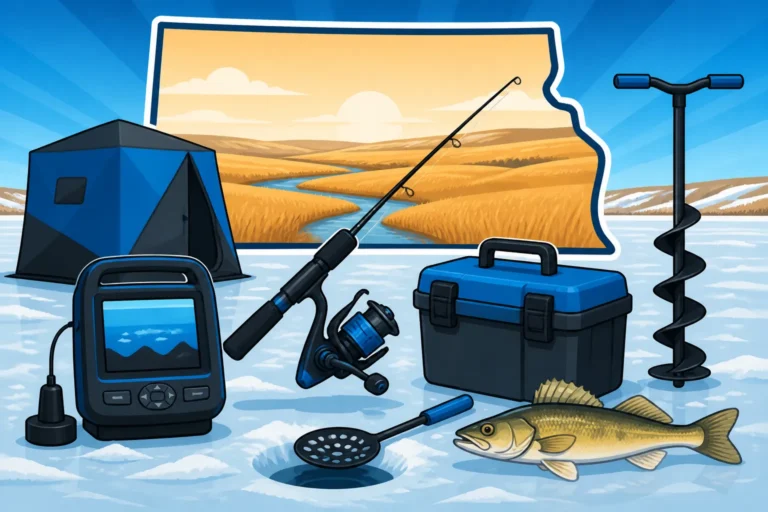
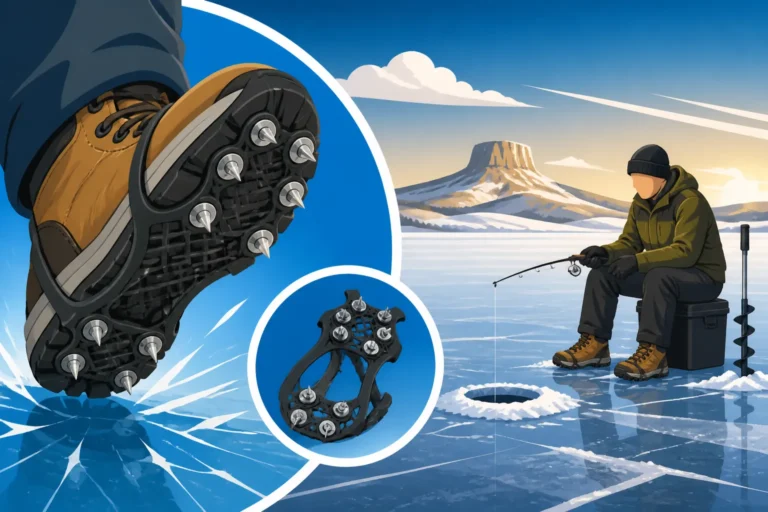
When Lake Sakakawea freezes over, ice fishing becomes the main attraction. Walleye ice fishing demands rods specifically designed for extreme cold, limited space, and the unique challenges of fishing through a hole in the ice. You can find more information in How to Ice Fish in North Dakota.
For ice fishing walleye, rods typically range from 28 inches to 36 inches in length, featuring a medium-light to medium power and a fast action. The shorter length is practical for fishing inside an ice shelter or sitting close to the hole. The fast action tip is crucial for detecting the subtle "up-bite" that walleye often deliver in cold water, where they might inhale the bait and rise slightly. A sensitive graphite blank is highly desirable for this reason, though durable fiberglass tips are often incorporated to withstand colder temperatures and rough handling. Many ice rods will have a solid graphite or composite blank that extends into a softer "noodle" tip, enhancing bite detection without sacrificing backbone. These rods are often paired with sensitive strike indicators or spring bobbers to amplify even the slightest movement. Brands specializing in ice fishing gear, which you can often find at local tackle shops or through online retailers like Amazon, offer a wide array of options tailored for walleye on the hard water.
Choosing Your Walleye Rod: Factors to Consider
Beyond the technical specifications, there are several practical considerations that should influence your choice of walleye rod for Lake Sakakawea. These factors often come down to personal preference, budget, and the specific types of fishing you plan to do most often.
Budget and Value
Fishing gear can range from incredibly affordable to exceptionally expensive, and walleye rods are no exception. Determining your budget upfront will help narrow down your options, but remember that a higher price doesn't always guarantee the "best" rod for your needs.
Entry-level walleye rods can be found at very reasonable prices, often in combos with a reel, and are perfectly capable of catching fish. These are great for beginners or casual anglers who might not hit the water every weekend. They might lack the extreme sensitivity or refined ergonomics of premium rods, but they are durable and functional. As you move into the mid-range, you'll start to see better quality components, lighter blanks, and improved sensitivity, often representing the sweet spot for many dedicated anglers. These rods offer a great balance of performance and affordability. High-end rods, typically made with advanced graphite technologies and premium components, offer the ultimate in sensitivity, lightweight design, and specialized actions. They are an investment but can make a noticeable difference for experienced anglers who demand peak performance. Remember to balance cost with how often you'll use the rod and the conditions you expect to face on a large lake like Sakakawea. You can find excellent value across all price points, especially if you shop sales at places like Bass Pro Shops or online platforms.
Rod and Reel Matching
A fishing rod is only as good as the reel it's paired with. A well-balanced rod and reel combo enhances casting, retrieve, and overall fishing comfort, making it less fatiguing over a long day of chasing walleye. If you're looking for more info on reels, check out Best Reel Size for Walleye Jigging.
Spinning reels are generally preferred for walleye fishing, especially for jigging and live bait presentations, due to their ease of use and ability to handle lighter lines and lures. When matching a spinning reel to a walleye rod, aim for a balanced feel. Hold the rod with the reel attached in your hand; the balance point should be just in front of where your hand rests on the grip. This prevents the rod from feeling tip-heavy, which can lead to fatigue. Generally, a 1000-2500 size spinning reel pairs well with most walleye rods, depending on the line weight and casting distance required. For trolling, where baitcasting reels are often used, the focus is on line capacity and gear ratio suitable for consistent retrieve speeds. A balanced setup not only feels better but also allows for more precise lure presentation and better bite detection, especially on the vast waters of Lake Sakakawea.
Personal Preference and Comfort
Ultimately, the "best" walleye rod is the one that feels most comfortable and effective in your hands. There’s no one-size-fits-all answer, and what works for one angler might not work for another.
Consider how the rod feels during prolonged use. Does the handle fit comfortably in your hand? Is the rod too heavy or too light for your preference? Some anglers prefer a full cork handle for its traditional feel, while others opt for split grip designs for reduced weight and increased blank exposure for sensitivity. The reel seat design also plays a role in comfort, ensuring the reel is securely attached and feels good when palmed. If possible, visit a local sporting goods store or a major retailer like Bass Pro Shops to physically hold and "feel" different rods. Attach a reel to them to get a sense of the balance. This hands-on experience is invaluable, especially when investing in a rod you'll be using for many seasons. Your personal connection to your gear can significantly impact your confidence and enjoyment on the water, leading to more successful walleye trips on Lake Sakakawea.
Maintenance and Care for Your Walleye Rods
Investing in quality walleye rods is just the first step; proper maintenance and care are crucial to ensuring their longevity and continued performance. The harsh conditions often found on Lake Sakakawea – from sun and wind to cold and water exposure – can take a toll on your gear if neglected.
Cleaning and Storage Tips
Taking a few moments after each fishing trip to properly clean and store your rods will pay dividends in the long run, preventing corrosion and preserving their action.
After each outing, especially on Lake Sakakawea where you might encounter varied water conditions, wipe down your rods with a damp cloth to remove any dirt, grime, or fish slime. Pay particular attention to the guides and reel seat, as salt, even in freshwater, can build up and cause corrosion. A soft brush can help clean around the guide feet. Allow the rod to air dry completely before storing it. Never store a wet rod in a confined space. When storing, use rod socks or cases to protect the blank and guides from impacts and scratches. Store rods in a cool, dry place, away from direct sunlight and extreme temperatures, which can degrade rod materials over time. Avoid leaning rods against walls or storing them in positions where they might bend or warp. Properly stored rods will maintain their intended action and sensitivity for many years, ready for your next adventure chasing walleye.
Inspecting for Wear and Damage
Regular inspection of your rods is essential for identifying potential issues before they lead to catastrophic failures on the water, potentially costing you a trophy walleye.
Before and after each season, and periodically throughout the fishing year, take the time to thoroughly inspect your walleye rods. Check the guides for any cracks in the inserts, which can fray or cut your fishing line. Pay close attention to the tip top guide, which takes the most abuse. Run a cotton swab through each guide; if it snags, there's likely a crack. Inspect the wraps holding the guides in place for any signs of loosening or fraying. Examine the blank itself for any deep scratches, nicks, or stress cracks, especially near the ferrules (where sections join) or around the reel seat. Check the reel seat for any play or looseness that might affect how securely your reel is attached. Finally, inspect the cork or EVA foam handles for signs of wear or degradation. Addressing these minor issues promptly can prevent them from becoming major problems. Many local tackle shops offer guide replacement or rod repair services. Taking proactive steps to inspect and maintain your rods will ensure they are always in top condition when you’re ready to cast a line on Lake Sakakawea.
Walleye Rod Selection Table for Lake Sakakawea
To help summarize the various recommendations, here's a handy table outlining ideal rod characteristics for common walleye fishing techniques on Lake Sakakawea:
| Technique | Rod Length (Approx.) | Rod Power | Rod Action | Primary Material | Key Benefit |
|---|---|---|---|---|---|
| Vertical Jigging | 6'0" – 6'6" | Medium-Light/Medium | Fast/Extra-Fast | Graphite | Maximum sensitivity, quick hook sets, control |
| Pitching Jigs | 6'9" – 7'3" | Medium | Fast | Graphite | Casting distance, feel for subtle bites |
| Trolling Crankbaits | 7'0" – 8'6" | Medium/Medium-Heavy | Moderate/Mod-Fast | Fiberglass/Composite | Lure spread, shock absorption, lure action |
| Bottom Bouncing | 7'0" – 8'0" | Medium/Medium-Heavy | Moderate-Fast | Fiberglass/Composite | Bottom contact, sensitivity, forgiving action |
| Slip Bobber Fishing | 7'0" – 8'0" | Medium-Light/Medium | Moderate-Fast | Graphite | Casting light rigs, line control, fight cushion |
| Ice Fishing (Walleye) | 28" – 36" | Medium-Light/Medium | Fast | Graphite/Composite | Bite detection in cold, tight spaces |
No matter your preferred technique, having the right rod for your Lake Sakakawea walleye adventure can make all the difference. Hopefully, this guide has shed some light on the nuances of walleye rods and empowers you to make an informed decision for your next angling pursuit.
Disclaimer
This article is for general informational purposes only and does not constitute professional advice. Laws, prices and regulations vary by location and change over time. Consult a qualified professional for guidance on your specific situation.