Starter Ice Fishing Combo Kit Recommendations
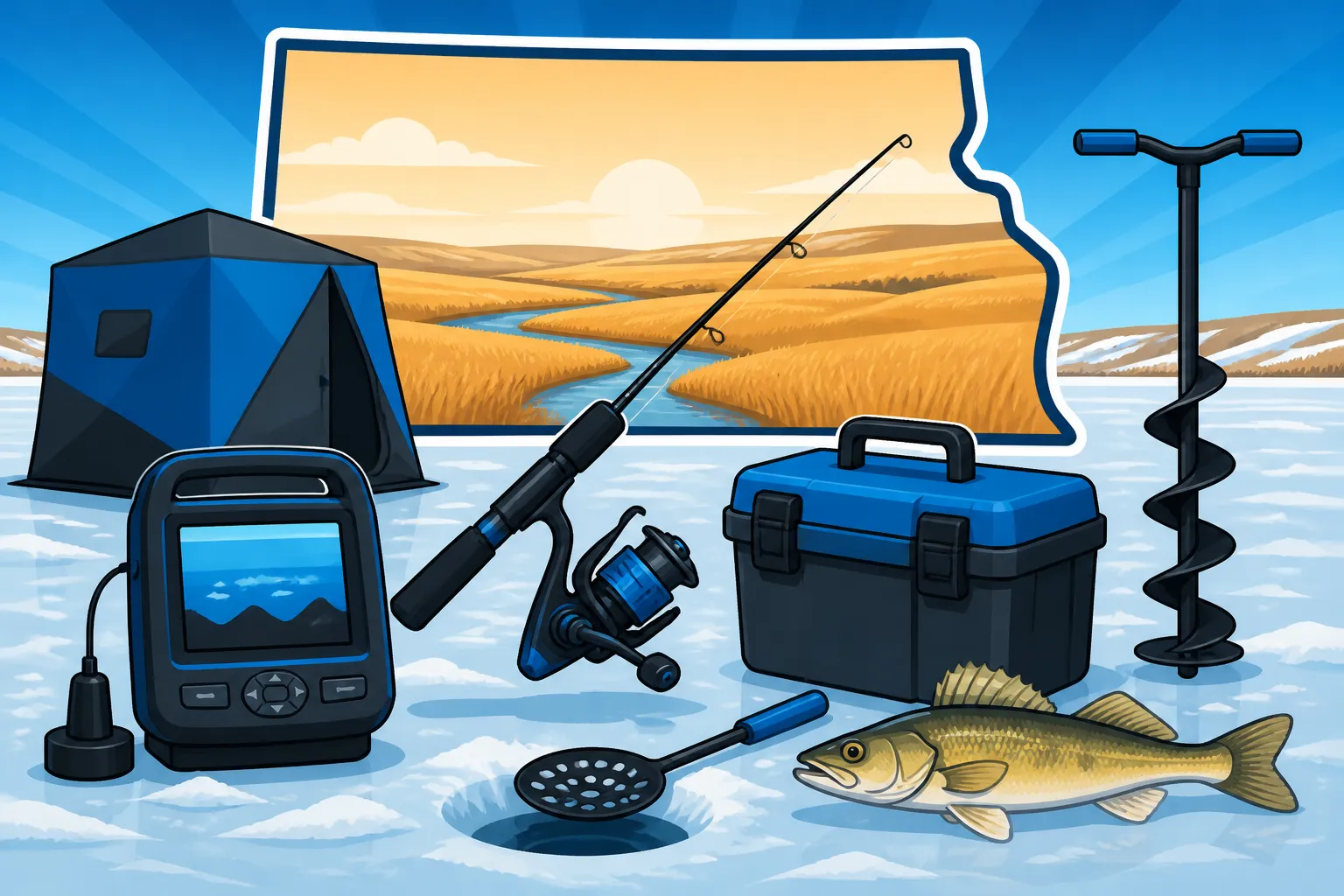
Stepping onto the ice for the first time can feel a bit like learning a new language – exciting, but also incredibly daunting when you look at all the gear available. Many aspiring ice anglers in North Dakota get bogged down trying to figure out which rod, reel, line, and lures to buy individually, often leading to analysis paralysis or overspending. This guide is here to simplify that initial hurdle by offering clear recommendations for starter ice fishing combo kits, so you can spend less time shopping and more time catching.
Why a Combo Kit is the Perfect Starting Point for Ice Fishing
It's easy to get overwhelmed when you first consider taking up ice fishing, especially with the sheer volume of specialized equipment out there. You might find yourself staring at racks of ice rods, wondering about power and action, then moving to reels and getting lost in gear ratios and drag systems, and before you know it, you're just standing there bewildered. A combo kit takes a lot of that guesswork and stress away, offering a streamlined path for beginners to get out on the hard water.
The Overwhelm of Individual Gear Purchases
Think about it: you want to try ice fishing for perch on Devils Lake, and suddenly you're researching ultra-light rods versus light action, graphite versus fiberglass, inline reels versus spinning reels, fluorocarbon versus monofilament, and then which tiny jig to tie on. It's enough to make anyone just want to stay home with a cup of hot cocoa! The frustration is real, and it can be a significant barrier for those who are eager to experience the joys of ice fishing but don't know where to start. You just want to catch some fish, not become an expert gear technician overnight. This is especially true when you're just dipping your toes in and aren't ready to commit a huge budget to specialized individual components.
Convenience and Cost-Effectiveness
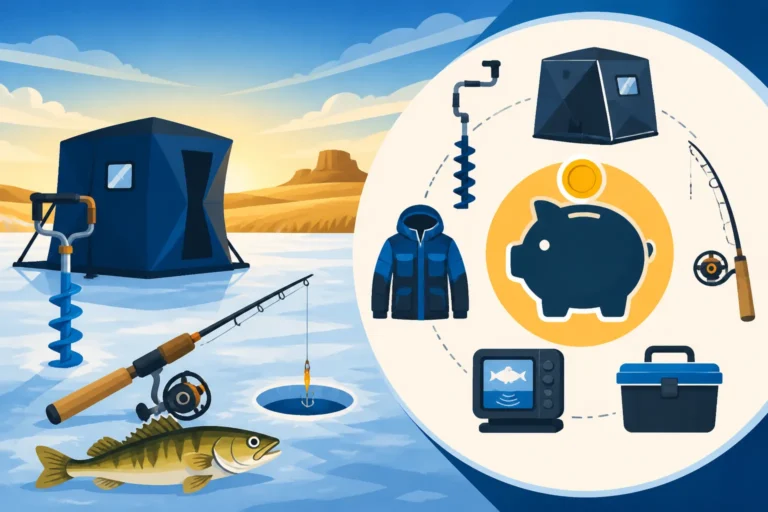
This is where the beauty of a starter combo kit shines. These kits are specifically designed to be an all-in-one solution, usually pairing a rod and reel that are balanced and appropriate for general ice fishing, often with some basic line spooled on and perhaps a small assortment of tackle. For new anglers, this means you can grab one box, maybe add a few extra jigs or a minnow bucket, and you're pretty much ready to go. The convenience of not having to mix and match components, and the assurance that what you're buying is at least functionally compatible, is a huge benefit. Furthermore, combo kits are almost always more cost-effective than buying each component separately. Manufacturers can bundle these items at a lower price point, passing the savings on to you, which is fantastic when you're not sure if ice fishing will become your new passion or just a fun winter experiment.
Key Components of a Good Starter Ice Fishing Combo Kit
When you're looking at a starter ice fishing combo kit, there are a few core components that you'll definitely want to pay attention to. While the kits are designed for convenience, a little bit of knowledge about what you're getting will go a long way in ensuring your first experiences on the ice are successful and enjoyable.
The Rod and Reel
The rod and reel are the heart of any fishing setup, and ice fishing is no different. For a starter kit, you'll typically find a small spinning reel paired with a short, sensitive ice rod. The rod length usually ranges from 24 to 36 inches, which is perfect for fishing inside an ice shelter or sitting comfortably on a bucket. You'll want to consider the rod's "action" and "power."
- Action refers to where the rod bends. "Fast action" means it bends mostly at the tip, offering great sensitivity for detecting light bites, which is crucial for finicky perch or crappie. "Medium action" bends further down the blank, providing a bit more forgiveness.
- Power refers to the rod's stiffness or lifting strength, typically labeled as ultra-light, light, medium, or medium-heavy. For a versatile starter kit that can handle most North Dakota panfish like yellow perch, a light or ultra-light power rod is ideal. If you're hoping to target larger walleye or even a smaller northern pike, you might lean towards a medium power. The reel included will likely be a smaller spinning reel, often a 500 or 1000 size, which is perfectly adequate for ice fishing, as you're not making long casts. Make sure the reel feels smooth when you turn the handle and that the drag system adjusts easily. Best Ice Fishing Rods for Perch or Best Ice Fishing Rods for Northern Pike can give you more specific ideas if you decide to upgrade later.
Line and Lures (Often Included)
Many starter kits come with fishing line pre-spooled on the reel, which is a fantastic convenience. This line is usually monofilament, which has some stretch, offering a bit of shock absorption when a fish hits. For panfish, you'll likely see 2-4 pound test line, and for walleye or pike, it might be 6-10 pound test. While convenient, the pre-spooled line might not always be the highest quality or the exact type you prefer, so don't hesitate to replace it after a few outings if you find it kinks or has too much memory.
As for lures, some kits will include a small "starter pack" of jigs, often some tiny tungsten jigs for panfish or a couple of small spoons. These are usually basic but functional and give you something to tie on immediately. However, North Dakota ice anglers know that fish can be picky, so it's always a good idea to supplement your kit with a few proven local favorites. For example, if you're targeting perch on Devils Lake, having a few extra glow jigs in various colors and sizes is a smart move. For walleye, small jigging spoons or rattling lures are often very effective.
Basic Accessories (Sometimes Included)
Beyond the rod, reel, and maybe some line and lures, some comprehensive starter kits might include a few extra accessories to get you going. These could range from a small plastic tackle box for your included lures, a couple of basic bobbers (slip bobbers are great for precise depth control), or even a small pair of clippers. While these additions are certainly a bonus, don't expect a full setup of high-end tools.
The real value here is having the absolute necessities to get started. You'll find that as you fish more, you'll naturally discover what other accessories you need, such as a sturdy bucket to sit on (which can also double as a gear carrier), a pair of ice grippers for your boots, or a small scoop to clear ice chips from your hole. Think of the kit's accessories as a helpful jumpstart, not the complete arsenal for your ice fishing adventures.
Recommendations for Different North Dakota Ice Fishing Scenarios
North Dakota offers such a diverse ice fishing experience, from chasing giant channel cats on the Red River to hauling in fat perch on Devils Lake. A good starter combo kit should ideally align with the type of fish you're most likely to pursue. While a truly "universal" kit is tough to find, we can break down recommendations to suit your primary targets.
Kits for Panfish (Perch, Crappie, Bluegill)
If your heart is set on catching those delicious yellow perch, feisty crappie, or abundant bluegill, then a lighter, more sensitive setup is key. Panfish often bite subtly, and you need a rod that can telegraph even the slightest nibble.
Look for a combo kit featuring an ultra-light or light power rod, typically 24-28 inches in length. These rods will have a very sensitive tip (fast action) that bends easily, making those light bites much more noticeable. The reel should be a small spinning reel, like a size 500, spooled with 2-4 pound test monofilament or fluorocarbon line. The lighter line allows your small jigs to fall naturally and gives you better feel. Many reputable brands offer excellent panfish-specific combos. These kits are perfect for beginners targeting these common species in lakes across North Dakota. They often come with tiny tungsten jigs or small spoon lures, which are great for perch jigging techniques for Devils Lake. You can find a good selection of these starter kits at places like Bass Pro Shops or even on Amazon, making it easy to pick one up whether you're in Bismarck or Grand Forks.
Kits for Walleye and Northern Pike
If you're dreaming of a trophy walleye from Lake Sakakawea or a battling northern pike from a smaller slough, you'll need a bit more backbone in your setup. Walleye and pike often strike harder, and you need the power to fight and land bigger fish, especially if they make a run under the ice.
For these species, aim for a combo kit with a medium or medium-heavy power rod, usually in the 28-36 inch range. A longer rod can sometimes help absorb powerful head shakes from larger fish. The action might be medium-fast, giving you sensitivity but also plenty of backbone. The reel should be a slightly larger spinning reel, perhaps a 1000 or 2000 size, spooled with 6-10 pound test monofilament or braided line. Braided line has no stretch, which is fantastic for feeling bites in deeper water or when fishing with larger lures. Make sure to tie on a fluorocarbon leader if you're using braid to prevent fish from seeing the line. These kits often include slightly larger jigging spoons, rattle baits, or even some small swimbaits. While a dedicated pike setup might be heavier, a medium-heavy walleye combo will handle most pike you encounter in North Dakota's general fishing spots. How to Fish for Northern Pike in North Dakota provides more specific information on targeting these aggressive predators.
Where to Find These Kits
Finding a good starter ice fishing combo kit in North Dakota is quite accessible these days. Major sporting goods retailers are your best bet. Stores like Bass Pro Shops often have dedicated sections for ice fishing gear, especially as winter approaches, and their staff can usually offer specific advice tailored to what you want to catch. They'll have a range of options from various brands, allowing you to physically hold the rods and feel the reels.
Online retailers like Amazon are another excellent resource, offering an even wider selection and often competitive pricing. When shopping online, pay close attention to customer reviews and product descriptions to ensure the kit's specifications (rod power, length, reel size) align with your target species. Just remember, while online shopping is convenient, you miss out on the hands-on feel and expert local advice you might get at a physical store in places like Fargo or Minot. Always check the retailer's return policy, just in case the kit isn't quite what you expected when it arrives.
Here's a quick comparison of common starter kit types:
| Kit Type | Rod Power & Action | Rod Length (inches) | Recommended Line Test | Common Lures Included | Target Species |
|---|---|---|---|---|---|
| Panfish Kit | Ultra-light to Light, Fast Action | 24-28 | 2-4 lb | Small tungsten jigs, tiny spoons | Yellow Perch, Crappie, Bluegill |
| Walleye Kit | Medium to Medium-Light, Medium-Fast Action | 28-32 | 6-8 lb | Jigging spoons, small rattle baits, soft plastics | Walleye, Larger Perch, Small Northern Pike |
| Northern Pike Kit | Medium-Heavy, Medium Action | 32-36 | 8-12 lb | Larger spoons, lipless crankbaits, dead bait rigs | Northern Pike, Lake Trout, Larger Walleye |
Beyond the Combo Kit: Essential Next Steps for New Ice Anglers
While a starter combo kit gets your rod and reel in hand, ice fishing is much more than just the tackle. There are crucial safety considerations, comfort items, and an understanding of regulations that are absolutely vital for a successful and safe experience on North Dakota's frozen lakes.
Critical Safety Gear
Safety on the ice cannot be stressed enough. Never assume the ice is safe, and always check conditions before venturing out. Your life, and potentially the lives of others, could depend on it.
- Ice Picks: These are non-negotiable. Worn around your neck, they are designed to help you pull yourself out of the water if you fall through. They are inexpensive and literally life-saving.
- Spud Bar or Ice Auger: Even with a kit, you'll need a way to make a hole. A spud bar is a heavy chisel-like tool used to test ice thickness as you walk. An ice auger, either hand-powered, gas, or electric, drills your fishing holes. How Thick Ice Needs to Be for Ice Fishing is essential reading before your first trip.
- Flotation Suit or Life Jacket: While not always worn by experienced anglers unless they're on sketchy ice, a flotation suit offers warmth and buoyancy if you go through. At the very least, have a life jacket easily accessible, especially if you're on a larger body of water or venturing onto less-traveled ice.
Always tell someone where you are going and when you expect to return. This simple step can make all the difference in an emergency.
Staying Warm
North Dakota winters are no joke, and staying warm is paramount for comfort and safety during ice fishing. There’s a saying: "There's no bad weather, only bad clothing."
- Layering: This is the golden rule. Start with a moisture-wicking base layer (no cotton!), add insulating middle layers (fleece, down), and finish with a waterproof and windproof outer shell. Insulated bibs and a parka are standard. What to Wear Ice Fishing in North Dakota offers more details.
- Warm Boots: Your feet will be on ice, so invest in high-quality, insulated, waterproof boots. You'll thank yourself later.
- Headwear and Gloves: A warm hat that covers your ears is critical, as is a good pair of insulated gloves or mittens. Many anglers bring thinner gloves for handling fish and tackle, and thicker ones for general warmth.
- Ice Shelter: While not always included in a starter kit, a portable ice shelter makes a world of difference for warmth and comfort, especially on windy days. Even a basic one-person flip-over or pop-up shelter can transform your experience, allowing you to fish longer and more comfortably.
Understanding North Dakota Regulations
Before you even think about dropping a line, you absolutely need to be familiar with North Dakota's fishing regulations. These rules are in place to manage fish populations and ensure fair chase.
- Fishing License: Every angler over a certain age needs a North Dakota Fishing License Guide. Be sure to know the Fishing License Age Requirements in North Dakota. Non-residents also have options, such as a Nonresident 3-Day Fishing License in North Dakota or a North Dakota Nonresident Season Fishing License Cost.
- Daily Limits and Size Restrictions: Specific species like walleye, northern pike, and perch often have daily catch limits and sometimes size restrictions. For example, there are specific North Dakota Walleye Size Limit Rules and North Dakota Northern Pike Daily Limit. These can vary by water body, so always check the current proclamation.
- Number of Lines: Generally, you're allowed a certain number of lines while ice fishing. Know these limits to avoid penalties for fishing without a license in North Dakota.
- Ice Shelter Rules: If you plan on using an ice shelter, there are rules regarding its display of identifying information and when shelters must be removed from the ice, especially in spring. Ice Fishing Shelter Rules on North Dakota Lakes provides essential information.
Always carry a copy of the current North Dakota Fishing Guide or have access to the information digitally. Being informed ensures you're a responsible and legal angler, contributing to the health of our fisheries for years to come.
Disclaimer
This article is for general informational purposes only and does not constitute professional advice. Laws, prices and regulations vary by location and change over time. Consult a qualified professional for guidance on your specific situation.