Best Life Jacket for Cold Water Boating
Falling into frigid water is every boater's worst nightmare, especially here in North Dakota where the waters can be icy cold for much of the year, even when the air feels mild. The danger isn't just drowning; it's the swift, incapacitating effects of cold water shock and hypothermia that can take hold in mere minutes. This guide is dedicated to helping you understand why a proper life jacket is your most critical piece of safety gear for cold water boating and how to choose the best one to keep you safe and comfortable on North Dakota's beautiful, yet often unforgiving, lakes and rivers.
Why Cold Water is a Serious Threat in North Dakota (and Everywhere Else!)
It's easy to dismiss the danger of cold water when the sun is shining, but here in North Dakota, our lakes and rivers can maintain shockingly low temperatures long after the ice melts in spring, and well before the deep freeze sets in for winter. Even during seemingly mild summer days, a deep lake like Sakakawea can have layers of frigid water lurking beneath the surface. Knowing what happens when your body hits that cold water is the first step to truly appreciating the necessity of the right life jacket.
Understanding Hypothermia and Cold Water Shock
When you unexpectedly plunge into water colder than 70 degrees Fahrenheit, your body goes through a rapid and dangerous response known as cold water shock. This isn't just about feeling chilly; it's an involuntary gasping reflex that can cause you to inhale water, leading to immediate drowning. Your heart rate and blood pressure can spike dramatically, which is especially risky for anyone with underlying health conditions. This shock phase usually lasts for the first minute or two, and during this critical time, your primary goal is to get control of your breathing and prevent water inhalation.
After the initial shock subsides, you have a limited window, often only 10-15 minutes, before your muscles lose their ability to function. The cold starts to sap your strength, making it incredibly difficult to swim, tread water, or even grasp onto a rescue device. This is where hypothermia truly begins to set in, as your body loses heat faster than it can produce it. Hypothermia impairs judgment, coordination, and eventually leads to unconsciousness. If you're not wearing a life jacket, this loss of muscle control and consciousness is a death sentence, as you'll simply slip beneath the surface. This is why a life jacket that keeps your head above water without effort is non-negotiable in cold conditions.
The Specific Challenges of North Dakota Waters
North Dakota's geography presents unique cold water challenges. We have massive bodies of water like Lake Sakakawea and Devils Lake, which are known for their vastness and rapid weather changes. A calm morning can quickly turn into a windy, choppy afternoon, making an unexpected fall overboard much more likely. These large lakes take a long time to warm up in the spring and cool down in the fall, meaning "cold water season" here is extensive. North Dakota Fishing Season Dates and Limits can give you an idea of just how long that cold water season really is. Even smaller, shallower lakes can be surprisingly cold for much of the year, especially at depth.
Consider a spring walleye trip on the Missouri River; the air might be a pleasant 50 degrees, but the river water could still be in the low 40s. A sudden capsize from a smaller boat or even just slipping off a dock means you're instantly in life-threatening conditions. Furthermore, many of our best fishing spots are in remote areas, meaning rescue services might take longer to reach you. Self-rescue and immediate buoyancy are paramount. Whether you're chasing early season walleye or trying for some late fall perch, understanding the continuous cold water threat is key to safe boating. Best Time of Year to Fish in North Dakota often overlaps with those colder water periods.
Types of Life Jackets: Finding Your Perfect Match for North Dakota's Chill
Choosing the right life jacket isn't just about grabbing one off the shelf. Different types are designed for different activities and offer varying levels of buoyancy and protection. For cold water boating, especially in North Dakota, you need a PFD (Personal Flotation Device) that offers reliable buoyancy, and ideally, some thermal protection. The U.S. Coast Guard (USCG) classifies life jackets, and understanding these classifications is crucial for making an informed decision.
Inherent Buoyancy vs. Inflatable Life Jackets for Cold Conditions
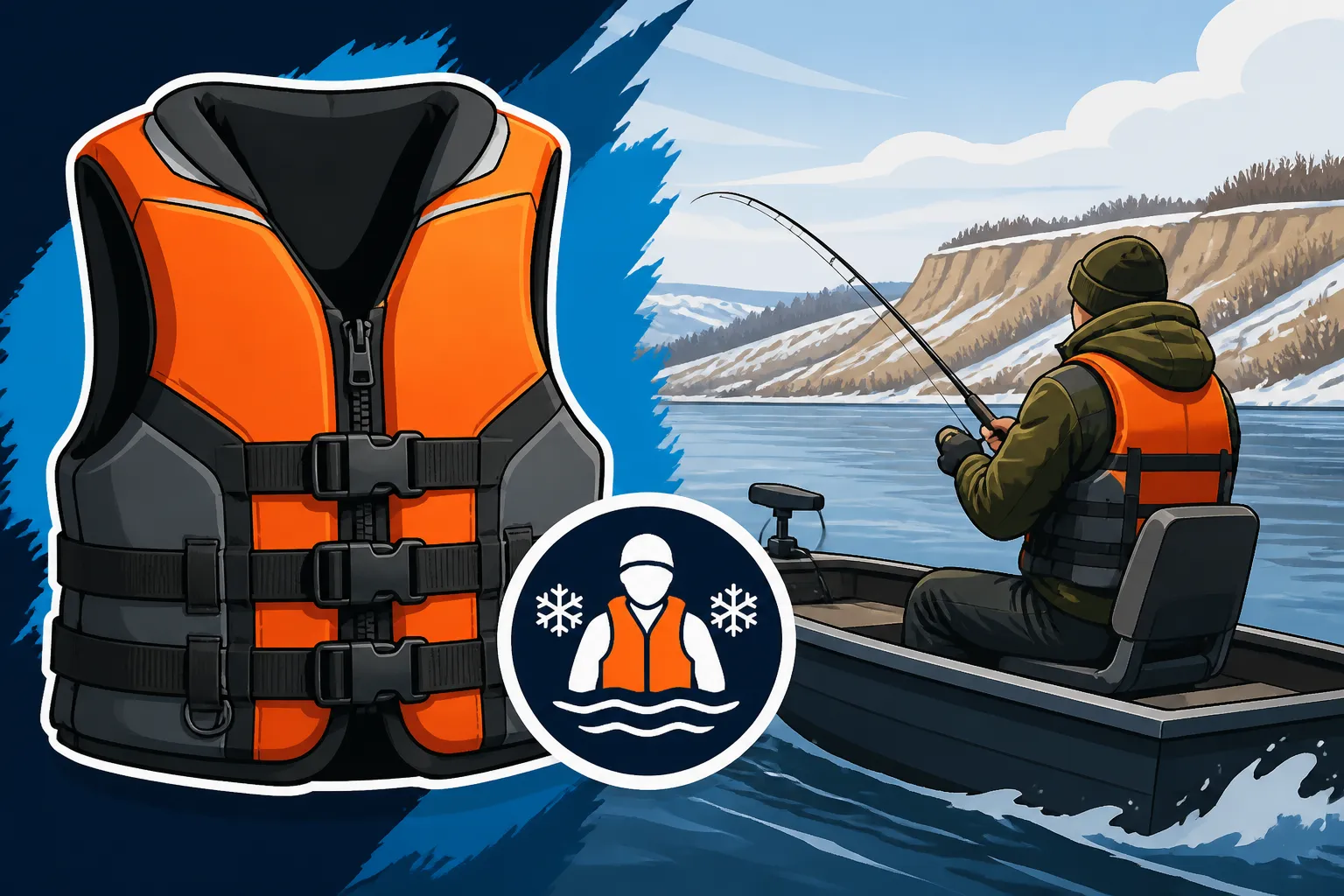
Inherent Buoyancy Life Jackets are what most people picture: bulky, foam-filled vests that provide flotation immediately upon hitting the water. They are always "on," requiring no action from the wearer to activate. This makes them incredibly reliable, especially in unexpected falls or if you are knocked unconscious. For cold water, many inherent buoyancy PFDs also offer a significant amount of insulation, acting as a thick layer that can help delay the onset of hypothermia. Think about how much a thick winter coat helps – a good inherent buoyancy PFD does something similar while keeping you afloat.
Inflatable Life Jackets, on the other hand, are much less bulky and more comfortable for continuous wear. They use a CO2 cartridge to inflate either automatically upon water immersion or manually by pulling a cord. While their comfort is a huge plus, they have significant drawbacks in cold water situations. If you're knocked unconscious, a manual inflatable is useless. Even automatic ones can sometimes fail or require a moment to inflate, and that precious time can be deadly if cold water shock causes you to aspirate water. Furthermore, they offer no thermal insulation. For serious cold water fishing, particularly on large, unpredictable bodies of water like Lake Sakakawea, an inherent buoyancy PFD is generally a safer choice, or at least a highly reliable automatic inflatable with extra cold-weather clothing underneath.
The Role of PFD Type (I, II, III, V) in Cold Water Safety
The USCG categorizes PFDs into different types based on their performance and intended use. For cold water, higher performance types are often recommended due to the increased risks.
-
Type I: Offshore Life Jackets
These offer the highest level of buoyancy (22 lbs minimum) and are designed for rough, remote waters where rescue might be delayed. They are bulky but are excellent at turning an unconscious person face-up in the water. For extreme cold water conditions, or if you're venturing far offshore on a massive lake, a Type I is a strong contender. They offer superior flotation and can provide some thermal protection due to their bulk. -
Type II: Near-Shore Buoyant Vests
Less bulky than Type I, these vests provide at least 15.5 lbs of buoyancy. They are good for calm, inland waters where rescue is likely to be prompt. While they will turn some unconscious wearers face-up, they aren't as reliable as Type I. For general cold weather fishing on smaller North Dakota lakes or close to shore, a Type II can suffice, but remember its limitations regarding turning an unconscious person. -
Type III: Flotation Aids
These are the most common type for recreational boating and fishing, offering at least 15.5 lbs of buoyancy. They are designed for comfort and mobility, allowing for freedom of movement while fishing or paddling. However, they are not designed to turn an unconscious person face-up. You need to be conscious and able to assist in keeping your face out of the water. For active anglers, a Type III is often preferred, but in cold water, this means you need to be extra vigilant about staying alert and having layers underneath for warmth. Many of these might look like jackets or vests, fitting into your fishing attire. -
Type V: Special Use Devices
These are designed for specific activities and are often labeled with a Type I, II, or III performance equivalent. This category includes specialized PFDs like full flotation suits, deck suits, or work vests. Many of these are ideal for cold water boating because they combine buoyancy with significant thermal insulation. A Type V flotation suit, for instance, provides exceptional warmth and flotation, keeping you insulated even while immersed. These are incredibly popular with ice anglers and early/late season boaters here in North Dakota. North Dakota Ice Fishing Rules certainly emphasize the importance of warmth and safety, and these suits are perfect for that.
| PFD Type | Minimum Buoyancy (lbs) | Turns Unconscious Face-Up | Ideal Use Case (Cold Water ND) | Thermal Protection |
|---|---|---|---|---|
| Type I | 22 | Reliably | Offshore, remote, extreme cold | High (bulky foam) |
| Type II | 15.5 | Sometimes | Near-shore, calm waters | Moderate (foam) |
| Type III | 15.5 | No | Active fishing, quick rescue | Moderate (foam) |
| Type V | Varies (equivalent to I, II, or III) | Varies (check specific product) | Specialized activities, eg. flotation suits | High (often insulated) |
Essential Features of a Cold Water Life Jacket for North Dakota Anglers
Beyond the basic type, specific features make a life jacket truly effective and comfortable for cold water boating in North Dakota. This isn't just about staying afloat; it's about minimizing the impact of cold, maximizing your chances of self-rescue or being rescued, and making sure you'll actually wear the darn thing.
Insulation and Coverage: Staying Warm When It Matters
When you're out on a North Dakota lake in early spring or late fall, the air might be chilly, but the water is often truly bone-chilling. A standard, thin PFD provides buoyancy but does nothing for warmth. This is where specialized cold water life jackets come into their own. Look for models with integrated insulation. Many manufacturers design full flotation suits (Type V) that are essentially insulated coveralls with built-in buoyancy. These suits, sometimes called survival suits or ice fishing suits, are fantastic. They not only keep you afloat but dramatically slow down heat loss if you fall in, giving you precious extra time. Brands like Mustang Survival or NRS offer excellent options in this category.
Even if you're not going for a full suit, consider a PFD that is thicker and provides more body coverage. A vest that extends lower on your torso and offers thicker foam can act as an insulating layer against the cold wind and, should you fall in, against the water. Remember, your core temperature is critical. A PFD that helps keep your core warm can significantly improve your survival chances. Think about pairing it with What to Wear Ice Fishing in North Dakota or Best Cold Weather Gear for Ice Fishing recommendations, even for open water fishing in cooler temperatures.
Fit, Comfort, and Mobility for Active Fishing
No matter how safe a life jacket is, if it's uncomfortable, you won't wear it. This is especially true for active anglers who need a full range of motion for casting, reeling, and maneuvering a boat. For cold water conditions, a proper fit is even more critical. A life jacket that's too loose will ride up around your ears in the water, providing little help. One that's too tight will restrict breathing and movement, leading to fatigue and frustration.
When trying on a PFD, make sure all straps are snug but not constricting. It shouldn't ride up when you lift your arms. Practice your casting motion or rowing action to ensure it doesn't impede your movement. Many modern PFDs are designed with articulated panels or segmented foam to provide better flexibility. For kayakers or canoeists on cold water, models with high backs that don't bunch up against your seat are a game-changer. Both Bass Pro Shops and Amazon offer a wide range of PFDs, and checking customer reviews for fit and comfort for specific activities can be incredibly helpful. If you're going to be out on Is Kayak Fishing Safe on Lake Sakakawea?, you'll want something that allows you to paddle effectively.
Visibility, Pockets, and Other Life-Saving Extras
In cold water emergencies, every advantage counts.
- Visibility: Choose a life jacket in a bright, highly visible color like fluorescent yellow, orange, or lime green. If you fall overboard, especially in choppy water or low light, a brightly colored PFD makes it much easier for rescuers or your boating partners to spot you. Many PFDs also incorporate reflective tape, which can be invaluable if a search extends into the night.
- Pockets and Attachments: Thoughtful storage can make a big difference. Pockets are great for storing essentials like a whistle (which is often mandatory and much more effective than yelling), a small knife, or even a waterproof cell phone case. D-rings or attachment points allow you to clip on a VHF radio or a personal locator beacon (PLB), which are vital communication tools for summoning help, especially in remote areas or if you get separated from your boat.
- Drainage: If you're wearing an inherent buoyancy PFD, especially one with pockets, ensure it has adequate drainage. Waterlogged pockets or material will eventually dry out, but you don't want to carry unnecessary weight or have water sloshing around.
These small features might seem minor, but in a cold water emergency, they can be the difference between a successful rescue and a tragic outcome. When choosing a life jacket, think beyond just flotation; consider how it will truly assist you in a worst-case scenario.
Top Recommendations for North Dakota's Cold Water Anglers
Given North Dakota's propensity for cold water, especially during key fishing seasons, making the right choice for a life jacket is paramount. We're looking for solutions that blend robust safety features with the practical needs of an angler.
Flotation Suits and Insulated PFDs
For anyone serious about fishing in North Dakota's cold waters, especially in early spring, late fall, or even a surprisingly chilly summer day on one of our big lakes, a flotation suit is an absolute game-changer. These aren't just life jackets; they're full-body insulated garments with inherent buoyancy. Think of them as your primary defense against hypothermia and drowning. Brands like Mustang Survival and Striker Ice (though often associated with ice fishing, their open-water suits are excellent) specialize in these. They offer a combination of warmth, wind protection, and incredible flotation. Should you fall overboard, these suits drastically extend your survival time by keeping you warm and afloat without effort. Many guides and professional anglers in North Dakota swear by them for their safety and comfort. This is particularly relevant given topics like Early Ice Fishing Safety Tips and Late Ice Fishing Safety Tips where cold water immersion is a constant threat.
If a full suit isn't your style, an insulated PFD vest designed for cold weather is the next best thing. These are thicker, foam-filled vests that provide more thermal protection than a standard PFD. They'll keep your core warmer against the wind and offer some insulation if you end up in the water. Pair these with layers of warm clothing underneath, following the advice in How Cold It Gets Ice Fishing in North Dakota and you’ll be much better off. Look for ones with good coverage, ample pockets, and high visibility. These are often Type III or Type V PFDs, offering a good balance of mobility and safety.
Practical Considerations for Purchasing
When you're ready to invest in a cold-water life jacket, don't just click the first attractive option online. This is a life-saving device, so a bit of thoughtful shopping goes a long way.
- Try Before You Buy (If Possible): If you can, visit a store like Bass Pro Shops. Trying on different models will give you an invaluable sense of fit, comfort, and mobility. Do a full range of motions – cast, lift your arms, sit down. Imagine doing these actions for hours on a boat. Does it pinch? Does it ride up? This personal fitting ensures you'll actually wear it.
- Check USCG Approval: Always, always confirm that the life jacket is USCG approved. This is non-negotiable for safety and legal compliance. Is a Life Jacket Required by Law in North Dakota? reminds us that these aren't optional accessories.
- Consider Your Specific Activity: If you're primarily trolling on a large boat on Lake Sakakawea, a bulkier, more insulating PFD or even a full suit might be ideal. If you're kayak fishing on a smaller lake, you'll prioritize mobility and a less restrictive fit, but still need serious cold protection. Remember that Best Boats for Lake Sakakawea's Big Water require a different approach to safety gear than smaller craft.
- Read Reviews: Online retailers like Amazon have a huge selection, and customer reviews can offer practical insights into how a PFD performs in real-world conditions. Pay attention to comments about fit, durability, and effectiveness in cold weather.
- Don't Forget About the Kids: For families, ensuring every child has a properly fitting, USCG-approved life jacket for cold water is even more critical. Children lose heat faster than adults and are more susceptible to cold water shock. Reviewing guidelines like Do Kids Need Life Jackets on North Dakota Boats? is essential.
Your life jacket is not just a piece of gear; it's your lifeline. Investing in the best one for North Dakota's cold waters means investing in your safety and enjoyment on the water.
Disclaimer
This article is for general informational purposes only and does not constitute professional advice. Laws, prices and regulations vary by location and change over time. Consult a qualified professional for guidance on your specific situation.