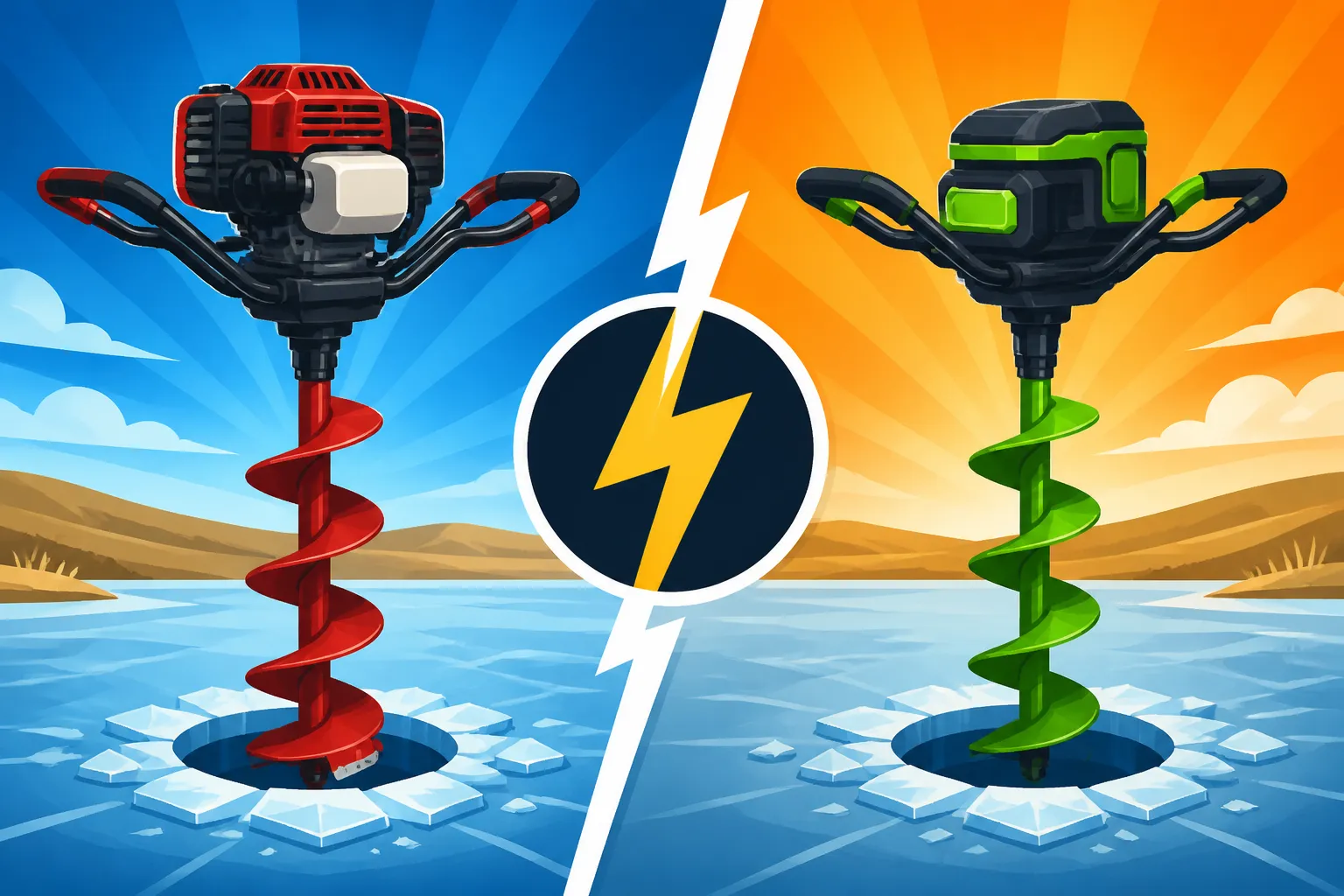
Gas Auger vs Electric Auger for Ice Fishing
Oh, the age-old dilemma for any North Dakota ice angler: gas or electric auger? It's a question that can spark some lively debates on the hardwater, and frankly, picking the right one can make or break your day out on the ice, especially when dealing with our notoriously thick ice and biting cold. This guide is here to cut through the noise (pun intended!) and help you understand the real-world differences between gas and electric ice augers, so you can make an informed decision for your North Dakota fishing adventures.
The Traditional Powerhouse: Gas Augers for Ice Fishing
For decades, gas-powered ice augers were the undisputed kings of the ice. They’re what many of us grew up with, the loud, smoky workhorses that punched countless holes in the frozen landscape. There's a certain nostalgia, and undeniable power, that comes with firing one up.
Pros of Gas Augers
When you think about the advantages of a gas auger, power and endurance are usually at the top of the list. These machines are built to handle serious ice conditions, which we often encounter here in North Dakota.
Firstly, sheer power and cutting speed are significant benefits. Gas augers typically boast larger engines that deliver immense torque directly to the auger blade. This means they can chew through incredibly thick ice, even two or three feet deep, with relative ease and speed. If you're out on Lake Sakakawea in mid-winter or hitting Devils Lake during peak season, you know how thick that ice can get. A gas auger often feels unstoppable in these conditions, powering through without bogging down. You don't have to worry about running out of juice after a few holes, either. With a full tank, you can drill dozens, sometimes hundreds, of holes, depending on the ice thickness and engine efficiency. This kind of sustained power is a huge confidence booster when you're exploring new spots or setting up a large spread of tip-ups.
Secondly, their reliability in extreme cold is a major draw. While getting them started can sometimes be a battle (more on that later), once a gas auger is running, it tends to stay running. The internal combustion engine generates its own heat, which helps it perform consistently even when the mercury plummets well below zero. You don't have to fret about battery degradation in frigid temperatures, a common concern with electric units. Just ensure you're using fresh, properly mixed fuel, and often, it'll deliver the power you need, hole after hole. This makes them a trusted companion for early morning starts or extended trips in remote areas where charging options are nonexistent.
Cons of Gas Augers
As powerful and reliable as gas augers can be, they definitely come with their own set of drawbacks. These are the aspects that often lead anglers to consider alternatives.
The most immediate "con" for many is the noise and fumes. Firing up a gas auger creates a significant racket, easily scaring off fish in shallow water and certainly making conversation difficult. If you're fishing in a quiet bay or trying to be stealthy, the roar of a gas engine is far from ideal. Beyond the noise, there are the exhaust fumes. Not only do they smell, but they can also be a real health concern, especially if you're drilling holes inside an enclosed ice fishing shelter. Nobody wants to breathe in those carbon monoxide fumes, which is why proper ventilation is absolutely crucial if you're using a gas auger in a fish house. This issue alone has driven many anglers towards quieter, cleaner options.
Then there's the weight and maintenance. Gas augers are inherently heavier due to their engine components and fuel tank. Hauling one across a snowy field or loading it into a sled, especially with other gear, can be a real workout. Imagine dragging a heavy auger, a Best Portable Ice Shelter for Windy Conditions, and all your rods and tackle for a long trek out onto Devils Lake. The physical exertion adds up quickly. Furthermore, gas engines require regular maintenance: oil changes, spark plug checks, air filter cleaning, and carburetor adjustments. And let's not forget the fuel itself – you need to mix gas and oil (for 2-stroke models) and ensure it's fresh to avoid starting issues. Old fuel or an improperly maintained engine can lead to frustrating pull-cord battles, leaving you exhausted before you've even dropped a line.
When a Gas Auger is Your Best Bet
Despite the downsides, there are definite scenarios where a gas auger truly shines and remains the preferred choice for many seasoned North Dakota anglers.
If you're routinely fishing extremely thick ice, like the kind we see late in the season on Lake Sakakawea or Lake Oahe, a gas auger's raw power is hard to beat. When you need to drill dozens of holes through two or three feet of ice, its sustained performance without battery drain concerns is invaluable. Think about those days when you're running and gunning, trying to locate active walleye, and need to punch many holes quickly across a vast area. The consistent power of gas makes that task manageable.
For extended trips or remote locations where access to electricity is limited or non-existent, a gas auger is often the only practical choice. If you're camping on the ice for several days or exploring remote sloughs in the Turtle Mountains, simply bringing extra fuel is far easier than managing multiple heavy batteries and trying to find a charging source. This ensures you're never left without the ability to drill holes, which is paramount for safety and success in remote ice fishing environments. Just remember to pack enough fuel! For those long hauls, make sure your Ice Fishing Auger Techniques are spot on.
The Modern Marvel: Electric Augers for Ice Fishing
The advent of powerful lithium-ion battery technology has revolutionized the ice fishing world, bringing electric augers to the forefront. These silent warriors have gained immense popularity, offering a fresh alternative to their gas-powered predecessors.
Pros of Electric Augers
Electric augers have quickly become a favorite for many, and it's easy to see why when you look at their impressive list of advantages.
The most striking benefit is their quiet operation and lack of fumes. Imagine drilling a hole with just a soft hum, barely disturbing the peaceful silence of the frozen lake. This quietness is a game-changer, especially for stealthy anglers targeting wary fish in shallow water, or for those who simply appreciate the tranquility of nature. You can talk to your fishing buddies without shouting, and you won't have the headache-inducing drone of an engine in your ears. Furthermore, with no exhaust fumes, you can safely drill holes inside your ice shelter without worrying about carbon monoxide buildup. This means a warmer, safer, and much more pleasant fishing experience, which is a huge plus when the temperatures drop to How Cold It Gets Ice Fishing in North Dakota.
Another significant advantage is their lighter weight and ease of use. Electric augers are typically much lighter than gas models, making them far easier to carry, especially for run-and-gun anglers who move frequently. Forget the exhausting pull-cord starts; with an electric auger, it's often just a push of a button. No choke, no priming, no mixing fuel – just instant power. This effortless starting and reduced weight are a blessing for anglers of all ages and physical capabilities. They also require far less maintenance; there are no carburetors to gum up, no spark plugs to foul, and no oil changes. Just keep the blades sharp and charge your battery, and you're good to go. Many accessories, including replacement blades or extra batteries, can be found readily on platforms like Amazon.
Cons of Electric Augers
While electric augers offer a host of benefits, they aren't without their limitations, particularly when facing North Dakota's unique winter conditions.
The primary concern for many is battery life and cold weather performance. Lithium-ion batteries are fantastic, but their performance can degrade in extreme cold. On a brutally cold North Dakota morning, a battery that might give you 100 holes in milder conditions could only manage 50 or 60. This can lead to range anxiety, especially if you're drilling many holes or hitting a new spot with uncertain ice thickness. Carrying multiple spare batteries becomes almost a necessity, which, while extending your drilling capacity, also adds weight and cost. Plus, you need a way to keep those spare batteries warm, often tucking them into an insulated bag or inside your jacket. Running out of battery power far from a charging source can put a serious damper on your day.
The initial cost can also be a hurdle. Electric augers often have a higher upfront price tag compared to equivalent gas models, especially if you factor in purchasing extra batteries. While the long-term maintenance costs are lower, that initial investment can be a deterrent for some. Additionally, you need a reliable charging infrastructure – a place to charge your batteries overnight, ideally indoors where it's warm. If you're on a multi-day trip without generator access, you might be out of luck once your batteries are depleted. Spare batteries are a common purchase on Amazon, but they do add to the overall investment.
When an Electric Auger Shines Brightest
Despite the battery considerations, electric augers truly excel in several ice fishing scenarios, making them the superior choice for many.
Electric augers are ideal for run-and-gun tactics where you're constantly moving to find active fish. Their light weight and instant start-up mean you can quickly punch a hole, check for fish with your Best Fish Finders for Ice Fishing, and move to the next spot without delay. This mobility is fantastic for chasing yellow perch on Devils Lake or searching for active walleye schools. The quiet operation also allows for a more stealthy approach, especially when fishing shallower depths where noise can spook fish.
For anglers who prioritize a cleaner, more comfortable fishing experience, electric augers are unmatched. No fumes, no noise, and less maintenance mean more time enjoying the peace and quiet of the outdoors. They are also perfect for use in ice shelters, allowing you to stay warm while drilling new holes without the health risks of exhaust. If you're primarily fishing closer to home or on lakes with good access where you can easily charge batteries, an electric auger offers an incredibly convenient and pleasant experience. Their performance for drilling standard 8-inch or 10-inch holes through typical North Dakota ice thickness is generally excellent.
Direct Comparison: Gas vs. Electric Augers in North Dakota's Climate
Choosing between a gas and electric auger often boils down to how their strengths and weaknesses align with your personal fishing style and the specific conditions you face. In North Dakota, our winters are particularly unforgiving, making the decision even more critical.
Key Decision Factors for North Dakota Anglers
When you're fishing in North Dakota, several unique factors come into play that should heavily influence your auger choice.
Extreme Cold: Our winters are legendary. When temperatures plummet to -20°F or colder, gas augers can be a bear to start, but once running, they generally maintain power. Electric augers, while starting instantly, will experience a noticeable reduction in battery life. You might need to carry your spare batteries in a warm pocket to maximize their performance. This is a critical consideration for those brave enough to venture out on the coldest days when Early Ice Fishing Safety Tips are paramount.
Ice Thickness: North Dakota lakes can freeze to formidable depths, sometimes exceeding three feet by late winter. A gas auger typically handles this with more consistent brute force. While high-end electric augers can also manage thick ice, they will drain batteries faster and might struggle more if the ice is unusually dense or has multiple layers of slush. If you find yourself needing to understand How Thick Ice Needs to Be for Ice Fishing, remember that your auger's capability is directly tied to the ice conditions.
Mobility and Portability: If you're an angler who covers a lot of ground, constantly drilling new holes in search of fish, the lighter weight and instant start of an electric auger are huge advantages. Dragging a heavy gas auger, even on a sled, can quickly wear you out. For those who prefer to set up a permanent shelter and drill only a few holes, the weight difference might be less critical.
Budget and Investment: Generally, electric augers have a higher upfront cost, especially when considering additional batteries, but lower long-term fuel and maintenance costs. Gas augers are often cheaper initially but require ongoing fuel and maintenance expenses. Over several seasons, the overall cost might balance out, but that initial hit can be a factor.
A Side-by-Side Look
To make the comparison clearer, here's a quick table summarizing the main points of gas vs. electric augers, particularly with North Dakota conditions in mind.
| Feature | Gas Auger (e.g., Jiffy, Eskimo) | Electric Auger (e.g., ION, StrikeMaster Lithium) |
|---|---|---|
| Power/Speed | High, consistent torque; cuts through thick ice quickly. | High, smooth torque; excellent for typical ice, good for thick ice. |
| Noise/Fumes | Loud engine noise, exhaust fumes (problematic in shelters). | Very quiet operation, no fumes (safe for use indoors). |
| Weight | Heavier due to engine and fuel. | Significantly lighter. |
| Starting | Pull-cord; can be difficult in extreme cold or with old fuel. | Push-button start; instant and reliable in all temperatures. |
| Fuel/Battery | Requires gas/oil mix; long run time per tank. | Rechargeable lithium-ion battery; finite holes per charge. |
| Cold Weather | Can be hard to start, but runs well once warm. | Battery life reduced, needs warm storage for spares. |
| Maintenance | Regular engine maintenance (fuel, spark plug, oil, filter). | Minimal maintenance (charge battery, sharp blades). |
| Cost | Lower initial cost, ongoing fuel/oil expenses. | Higher initial cost (especially with extra batteries), no fuel cost. |
| Environmental | Emissions and noise pollution. | Zero emissions, minimal noise. |
Maintenance and Longevity
Regardless of which type of auger you choose, proper care is essential for longevity and reliable performance year after year on the ice.
For gas augers, meticulous off-season storage is key. Always run the carburetor dry or use a fuel stabilizer to prevent fuel from gumming up the system. Change the spark plug annually, check the air filter, and ensure the blades are sharp and free of nicks. A well-maintained gas auger can last for many years, but neglecting these steps will lead to frustrating mornings on the ice trying to get it started.
Electric augers require less mechanical fuss, but battery care is paramount. Always store lithium-ion batteries in a cool, dry place at a partial charge (around 50-75%) during the off-season, never fully charged or fully depleted. Avoid leaving them in extreme cold for extended periods, even when not in use. Keep the auger blades sharp, just like with a gas model, as dull blades will quickly drain your battery. Investing in a quality battery charger and perhaps a spare battery (easily found on Amazon) will ensure you’re always ready to go. You can find more tips on proper care and storage in our guide on Best Ice Auger Brands for North Dakota.
Making Your Choice: What's Right for You?
Ultimately, the "best" auger isn't about one being inherently superior, but rather which one aligns perfectly with your fishing style, priorities, and budget. There's no single right answer, especially when considering the diverse fishing opportunities across North Dakota.
Considering Your Fishing Style
Think about how you typically approach a day on the ice.
- Are you a "hole-hopper" or a "stationary angler"? If you're constantly moving, drilling dozens of holes over several acres, the lightweight and instant start of an electric auger will save you a lot of energy and time. You can pick it up, punch a hole, check your sonar, and move on to the next spot almost seamlessly. If you primarily fish from a permanent or portable ice house, only drilling a handful of holes all day, the weight might not be as critical, making a gas auger a viable option.
- How often do you fish in extreme cold or for extended periods? If you're planning multi-day trips to remote locations without electricity, or if you regularly brave the coldest North Dakota days, the sustained power of a gas auger and the ability to carry extra fuel might be more reassuring. If your trips are shorter, closer to home, and you have reliable access to charging, an electric auger is incredibly convenient.
- What kind of ice do you typically encounter? If you mostly fish early and late ice when it's thinner, an electric auger will handle it beautifully. If you regularly confront three feet of hard, clear mid-winter ice, a gas auger might offer more consistent peace of mind, although many modern electric augers are perfectly capable.
For instance, if you're a family angler taking the kids out for North Dakota Fishing Rules for Kids and Families, a quiet, fume-free electric auger might be preferable for a more pleasant experience in a pop-up shelter. However, if you're a hardcore walleye hunter heading to Lake Sakakawea in January, a gas auger might offer the power and endurance you need.
Future Trends and Innovations
The world of ice fishing gear, like everything else, is constantly evolving. Electric auger technology, in particular, is advancing rapidly. We're seeing more powerful batteries, faster charging times, and lighter designs emerging every year. Some manufacturers are even introducing hybrid models that aim to blend the best of both worlds.
It's a good idea to keep an eye on these developments, especially if you're on the fence. What might be a limitation today (like battery life in extreme cold) could be significantly improved in the next few years. For now, both gas and electric augers hold their rightful places on the North Dakota ice. The best choice is the one that empowers you to enjoy your time on the water, catching those fish, without unnecessary hassle.
Disclaimer
The information provided in this guide is for general informational purposes only and does not constitute professional advice. Always consult the official North Dakota Game and Fish Department regulations for the most current rules and safety guidelines before engaging in any fishing activities. Fishing conditions, including ice thickness, can change rapidly, and personal safety should always be your top priority.