Lake Metigoshe State Park Fishing Dock
There's nothing quite like the feeling of wanting to get out on the water and drop a line, but maybe you don't have a big fancy boat, or perhaps you're just looking for a really accessible spot to take the kids. It can be tough to find those perfect, stress-free fishing locations. That's why diving into the details of the Lake Metigoshe State Park fishing dock is so important; it offers a fantastic, easy-to-reach opportunity for anglers of all ages and skill levels to enjoy the beauty and bounty of North Dakota fishing.
Exploring Lake Metigoshe State Park's Fishing Dock
Lake Metigoshe, nestled in the scenic Turtle Mountains, is often called the "jewel of the Turtle Mountains," and for good reason. It's a gorgeous lake, and the state park offers a truly welcoming atmosphere. For many, especially those just starting out, or families with young children, a good fishing dock is an absolute godsend. It eliminates the need for a boat, makes access simple, and often puts you right where the fish are hiding.
Accessibility and Amenities for Anglers
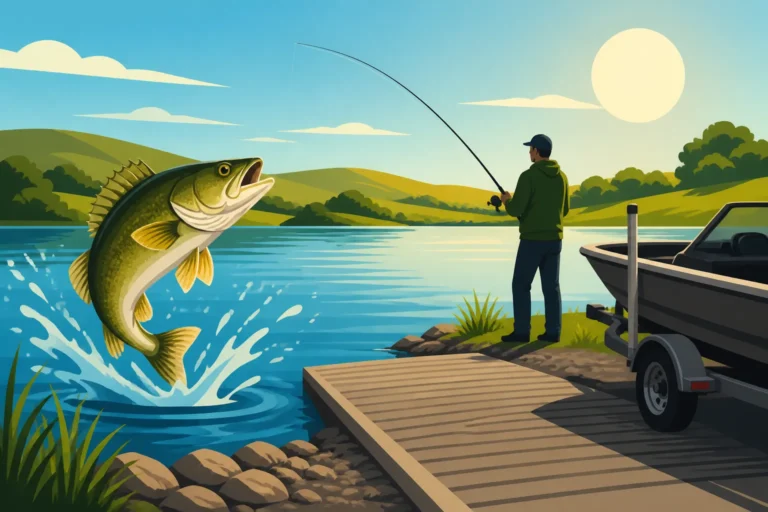
One of the biggest advantages of fishing from the dock at Lake Metigoshe State Park is its fantastic accessibility. You'll find ample parking just a short, easy walk from the dock, meaning you won't be lugging your gear for miles. The path to the dock is usually well-maintained, making it suitable for strollers, wheelchairs, and anyone who appreciates a smooth approach to their fishing spot. This kind of thoughtful design makes it a prime location for those with mobility challenges or parents managing a gaggle of enthusiastic young anglers.
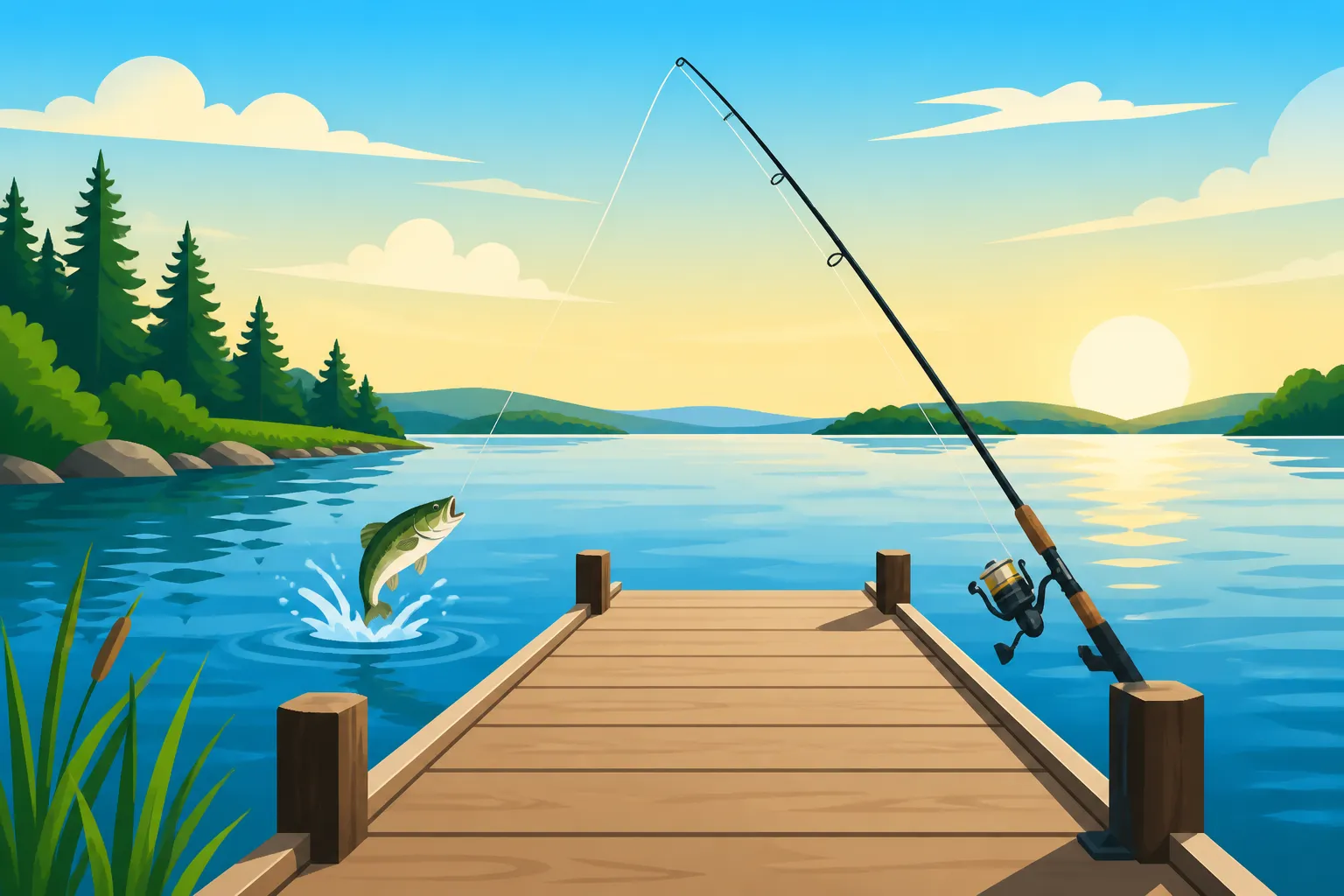
The dock itself is typically spacious and features sturdy railings, providing a safe environment for everyone. You might even find benches strategically placed for those who want to sit back, relax, and enjoy the tranquil views while waiting for a bite. Nearby amenities often include clean restrooms and picnic areas, so you can truly make a day of it without needing to pack up and leave for basic necessities. It’s these small details that transform a simple fishing trip into a truly comfortable and enjoyable outdoor experience. If you’re ever wondering about the best fishing spots for families in North Dakota, this dock should definitely be on your list.
What Makes the Dock a Great Fishing Spot
A fishing dock isn't just a platform; it's often a strategic piece of infrastructure that actually enhances the fishing experience. Docks, especially those extending into a lake like Metigoshe, often create their own unique underwater structure. Think about it: the pilings, the shade they cast, and the debris that naturally accumulates around them all create excellent habitat for various fish species. This means you’re not just casting into open water; you’re often targeting areas where fish naturally congregate for shelter, food, or simply to ambush prey.
Around the Lake Metigoshe State Park dock, you'll likely find a mix of shallower water that gradually slopes into deeper sections, providing different zones for various fish. Early in the season, fish might hug the shallower, warmer water, while as summer progresses, they might retreat to the slightly deeper, cooler areas the dock can reach. Observing the surrounding environment for submerged vegetation or rocky outcrops can give you clues as to where the fish might be holding. Even without a boat, you can often reach prime fishing territory right from the dock.
Target Species and Best Times to Fish from the Dock
Lake Metigoshe is renowned for its diverse fishery, and the state park's fishing dock offers a fantastic gateway to many of these popular species. Knowing what you're likely to hook into, and when, can significantly increase your chances of a successful and exciting outing.
Common Catches from the Metigoshe Dock
Anglers dropping a line from the Lake Metigoshe State Park dock can anticipate a variety of catches, making each trip a delightful surprise. One of the most common and beloved targets, especially for families and beginners, is the Yellow Perch. These feisty panfish are plentiful, often travel in schools, and provide consistent action, which is perfect for keeping kids engaged. You'll also frequently encounter Bluegill and various Crappie species, which are another panfish favorite, known for their tasty fillets.
For those seeking a bit more of a challenge, Northern Pike are often cruising the weed lines and drop-offs that can be reached from the dock, especially during cooler parts of the day or year. These toothy predators offer a thrilling fight. While less common than from a boat, lucky anglers might even hook into a Walleye, particularly during low-light conditions. The diverse population means you truly never know what might bite next, adding an element of excitement to every cast. Understanding the North Dakota Yellow Perch Fishing Guide can further enhance your success when targeting these popular species.
Optimizing Your Dock Fishing Experience
To truly make the most of your time at the Lake Metigoshe fishing dock, it helps to consider the "when." Fish activity levels are heavily influenced by the time of day and the time of year. Generally speaking, dawn and dusk are prime times for almost all species. The lower light conditions provide cover for fish to feed more aggressively, and the water temperatures are often more stable. This is when those bigger Walleye and Northern Pike are most likely to move into shallower, accessible areas.
Seasonally, late spring and early summer are fantastic. The fish are often shallower after the spawn, actively feeding and more accessible from shore or a dock. As the summer progresses, early mornings and evenings become even more crucial as midday heat can push fish into deeper, cooler waters away from the dock. Fall fishing can also be excellent, as fish feed heavily in preparation for winter, with cooler temperatures bringing them back to structure like docks. Always keep an eye on the weather; a cloudy day or a light chop on the water can sometimes improve fishing compared to bright, calm conditions.
| Species | Best Bait/Lure (Dock Fishing) | Typical Size (from dock) |
|---|---|---|
| Yellow Perch | Live Minnows, Small Jigs, Worms | 6-10 inches |
| Bluegill/Crappie | Worms, Small Jigs, Crickets | 5-9 inches |
| Northern Pike | Spinnerbaits, Spoons, Large Minnows | 18-30 inches |
| Walleye | Jigs with Minnows, Crankbaits (cast) | 14-20 inches |
Recommended Gear and Techniques for Dock Fishing
Heading out to the dock at Lake Metigoshe State Park doesn't require a truck full of specialized equipment, but having the right tools for the job can make all the difference between a frustrating outing and a memorable one. Let's talk about what you'll want to bring and how to use it effectively.
Essential Gear for Bank and Dock Anglers
When you're fishing from a dock, simplicity and versatility are your best friends. A medium-light spinning rod and reel combo is a fantastic all-around choice. It's sensitive enough for panfish like perch and crappie but has enough backbone to handle a decent walleye or northern pike. Load it with 6-8 pound monofilament or braided line, as this will give you good casting distance and enough strength. Remember, you don't need a boat to access many of the lake's prime spots, and good fishing line is crucial no matter where you cast.
Your tackle box essentials should include a variety of hooks (sizes 6-10 for panfish, larger 1/0-3/0 for pike/walleye), split shot weights to get your bait down, and an assortment of bobbers (slip bobbers are especially versatile for depth control). Don't forget a small selection of jigs (1/16 oz to 1/4 oz) in various colors, as well as a few small spinnerbaits or spoons for pike. A pair of pliers for hook removal, a small net for landing fish, and a cooler for your snacks and any keepers are also must-haves. For cold water days, you might want to consider some good waders if you plan to get a little closer to the water's edge.
Effective Techniques for Dockside Success
Dock fishing, while accessible, still benefits from smart technique. For panfish like yellow perch and crappie, a slip bobber rig is incredibly effective. This setup allows you to present a small jig or a live minnow/worm at a precise depth, which is key when fish are suspended or holding just off the bottom. Cast it out, let it sit, and watch that bobber like a hawk! You'll often find that small, subtle movements are all it takes to entice a bite from these smaller species.
When targeting northern pike or potential walleye from the dock, you’ll want to switch to more active presentations. Casting and retrieving small spinnerbaits, spoons, or crankbaits parallel to the dock or along any visible weed lines can provoke strikes from these predatory fish. If you're using live bait like a larger minnow for pike or walleye, a simple bottom rig with a sinker and a hook can be effective, letting the bait sit right on the lakebed. Vary your retrieve speed and depth until you find what the fish are responding to. Remember, patience is a virtue in fishing, but experimentation with baits and techniques is often what leads to success.
Navigating Regulations and Enjoying the Park
Beyond the thrill of the catch, understanding the rules and appreciating the wider offerings of Lake Metigoshe State Park are essential for a complete and responsible angling experience.
Understanding North Dakota Fishing Regulations
Before you even make your first cast, it's absolutely crucial to ensure you're compliant with North Dakota's fishing regulations. Generally, anyone 16 years of age or older needs a valid North Dakota fishing license to fish in the state's public waters. This isn't just a formality; it's how the state funds its conservation efforts and maintains healthy fish populations for everyone to enjoy. You can easily purchase licenses online through the North Dakota Game and Fish Department website or from various vendors around the state. If you're new to the area, checking out the How to Get a North Dakota Fishing License guide can be really helpful.
While general limits apply across the state, always check the specific regulations booklet for any special rules or exceptions that might pertain to Lake Metigoshe, especially concerning size and daily limits for certain species. These rules are in place to ensure sustainable fishing for generations to come. You can find all the detailed information in the official North Dakota Fishing Regulations Explained guide, which is updated regularly. Keep a copy, either physical or digital, with you whenever you're out fishing. Ignorance of the law is never an excuse, and a quick check can prevent an unnecessary fine.
Beyond the Dock: Full Park Experience
Lake Metigoshe State Park isn't just about the fishing dock; it's a destination in itself. While you might be drawn by the prospect of reeling in a big walleye or a stringer full of perch, take some time to explore the other offerings of this beautiful park. The park boasts excellent camping facilities, from rustic tent sites to electrical hookups, perfect for extending your fishing trip into a full family getaway. Imagine waking up to the sounds of nature and having the lake just a stone's throw away!
There are also numerous hiking trails that wind through the lush Turtle Mountains, offering stunning views and opportunities for wildlife viewing. Keep an eye out for white-tailed deer, moose, and a variety of bird species. In the winter, the park transforms into a wonderland for ice fishing, cross-country skiing, and snowmobiling, making it a true year-round recreational hub. Even if you're primarily there to fish, enjoying the park's broader offerings enriches the entire experience, allowing you to connect with nature on multiple levels. You might even find yourself interested in the Lake Metigoshe Fishing Guide, North Dakota for more insights on what this beautiful lake has to offer beyond the dock.
Disclaimer
Please remember that fishing regulations and conditions can change. Always consult the most current North Dakota Game and Fish Department publications and local advisories before heading out. Safety should always be your top priority when enjoying the outdoors.