Lake Oahe Walleye Fishing Spots
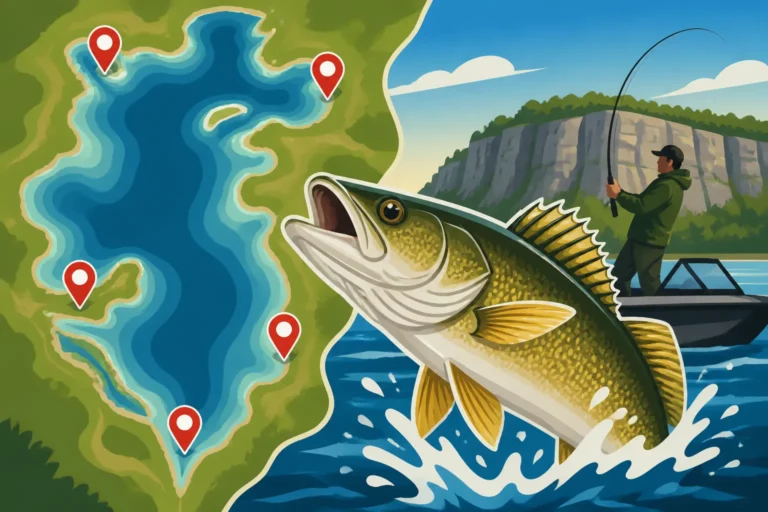
The immense scale of the Missouri River system in North Dakota, particularly its southern stretch feeding into Lake Oahe, can make finding those elusive walleye hotspots feel like searching for a needle in a haystack. Many anglers, even seasoned ones, find themselves overwhelmed by the sheer amount of water and the dynamic conditions. This guide is dedicated to breaking down the prime walleye fishing spots and effective strategies within the North Dakota portion of this dynamic river-reservoir complex, helping you confidently target those prized catches and make the most of your time on the water.
Demystifying Lake Oahe's Reach into North Dakota
When people talk about Lake Oahe, they often think of the massive reservoir sprawling across South Dakota. However, the influence of the Oahe Dam, located near Pierre, South Dakota, extends significantly northward, impacting the flow and characteristics of the Missouri River well into North Dakota. For anglers, this means the southern stretches of the Missouri River in North Dakota effectively function as the upper arms of the Lake Oahe system, sharing many of its walleye fishing dynamics. Understanding this transitional zone is key to unlocking its walleye potential.
The Transitional Zone Explained
The Missouri River, as it flows through North Dakota and approaches the South Dakota border, gradually widens and slows down due to the impoundment effects of the Oahe Dam. This creates a fascinating blend of riverine and reservoir environments. You'll find areas with distinct current and defined river channels, interspersed with wider, lake-like embayments, points, and submerged structures that are characteristic of a large reservoir. Walleye thrive in these transition areas, often using the current for ambush points while seeking out the calmer, deeper waters for refuge. It's a complex environment where fish can behave like river walleye one day and lake walleye the next, depending on water levels, flow, and forage availability. Knowing this helps you adapt your approach and locate fish that might be moving between these different zones.
Identifying Key Walleye Habitats
Walleye are masters of their environment, and in this upper Oahe system, they gravitate towards specific habitat features. Look for current breaks where the river flow is disrupted, creating slack water behind points, submerged islands, or deep bends in the channel. These are prime ambush points where walleye can conserve energy while waiting for baitfish to drift by. Submerged timber, rock piles, and old roadbeds, remnants from when the valley was flooded, also provide excellent cover and structure. Deeper holes, especially those with an adjacent shelf or flat, can hold large schools of walleye during various times of the year. The transition from a hard bottom to a soft, muddy bottom can also be a significant holding area, particularly when baitfish are present. The more you explore with your electronics, the more of these subtle yet crucial features you'll uncover, leading to consistent success.
Forage Base and Its Influence on Walleye Location
The walleye population in this part of the Missouri River system is heavily dependent on the abundance of its primary forage. Gizzard shad and rainbow smelt are two of the most significant baitfish species here, providing a rich food source for growing walleye. When these baitfish schools are abundant, walleye will often follow them closely. Understanding the seasonal movements of these forage species is paramount. For instance, in colder months, baitfish tend to congregate in deeper, stable water, and the walleye will be right there with them. During warmer periods, shad and smelt might move into shallower bays or along flats. Pay attention to your fish finder for bait balls; where there's bait, there are usually walleye not far behind. Additionally, native minnows and young-of-the-year perch also contribute to the walleye's diet, especially in areas where these species are prevalent.
Seasonal Walleye Patterns in the North Dakota Oahe System
Walleye are creatures of habit, but their habits shift dramatically with the seasons. Understanding these seasonal patterns on the vast Missouri River system is crucial for consistently finding fish. This isn't just about knowing where to go, but when and why they'll be there, adapting to the water temperatures, current, and forage availability that define each part of the year.
Spring: Spawning Runs and Post-Spawn Recovery
As the ice retreats and water temperatures begin to climb in early spring, usually around late March to mid-April, walleye begin their annual spawning migration. They will move upstream, often into tributary rivers and smaller creeks, or seek out rocky shorelines and gravel bottoms in the main river system where they can deposit their eggs. During this time, targeting transition areas where walleye stage before their final push to spawning grounds can be incredibly productive. After the spawn, typically by late April into May, walleye are in a post-spawn recovery phase. They'll be hungry but often spread out and lethargic. Focus on nearby shallow flats, submerged points, and current seams where they can ambush passing baitfish without expending too much energy. This is a great time for jigging with live bait like minnows or slowly trolling shallow-running crankbaits. For comprehensive information on when you can expect to target these species, check out our guide on the North Dakota Fishing Season Calendar.
Summer: Deep Water and Current Ambush Points
When the North Dakota summer truly heats up, typically from June through August, walleye in the upper Oahe system will seek out cooler, more oxygenated water. This usually means they'll move to deeper main channel areas, gravitating towards submerged humps, deep points, and the edges of the old river channel. Current seams remain vital, as they provide oxygen and concentrate forage. Look for walleye suspended over deep water, often near bait balls, or holding tight to structure at specific depths. Trolling with bottom bouncers and spinner rigs, or deep-diving crankbaits, becomes incredibly effective for covering water and finding active fish. Night fishing can also be highly productive during the summer months, especially for larger fish that move shallower under the cover of darkness. Many anglers find success by studying a detailed map, identifying contours and depth changes, and then using a service like FishingBooker to connect with local guides who specialize in these deep-water tactics.
Fall: Following the Bait and Pre-Winter Feeding
As autumn arrives and water temperatures begin to drop, from September through November, walleye enter a vigorous pre-winter feeding frenzy. This is often considered one of the best times of year to catch trophy-sized fish. Walleye will aggressively follow schools of gizzard shad and smelt as they move into deeper bays, main lake points, and transition zones. They're looking to bulk up before the long winter, making them highly active and responsive to a variety of presentations. Trolling large crankbaits and using aggressive jigging techniques can be incredibly effective. Pay close attention to prominent points, submerged islands, and the mouths of larger bays or tributaries. The fish will be concentrated, and once you find a school, the action can be non-stop. This is a prime time to utilize strategies outlined in our North Dakota Walleye Fishing Techniques guide.
Prime Walleye Hotspots in North Dakota's Southern Missouri River
While the entire southern Missouri River in North Dakota holds walleye, certain areas consistently produce more fish due to their unique combination of habitat, forage, and current. These hotspots are where experienced anglers often begin their search, offering a higher probability of success for both numbers and trophy-sized walleye.
Fort Yates and Beaver Bay Areas
Located in the southernmost part of North Dakota's Missouri River, the Fort Yates and Beaver Bay areas represent the true river-to-reservoir transition zone. Here, the river begins to widen significantly, and the current starts to slow, creating expansive flats, prominent points, and numerous submerged features. Walleye congregate along these current seams, particularly where deeper water meets shallower feeding flats. Beaver Bay itself is a large, protected bay that offers excellent fishing, especially in the spring and fall, as well as being a popular ice fishing destination. Look for submerged timber, old creek channels, and gradual drop-offs within the bay and along the main river channel nearby. The area around the Fort Yates boat ramp and further south towards the state line can be particularly productive for both casting and trolling. It’s a complex area, so using a detailed chartplotter to identify contours and structure is invaluable.
Little Heart Bottoms to Huff WMA
Moving slightly north from Fort Yates, the stretch from Little Heart Bottoms up to the Huff Wildlife Management Area (WMA) continues to offer phenomenal walleye fishing. This section of the Missouri River is characterized by a more defined main river channel with several deep bends, sand flats, and smaller tributary mouths that empty into the main stem. Walleye here often relate directly to the main channel edges, particularly where the river bends or where there's an abrupt depth change. The mouths of tributaries like the Little Heart River and Heart River can be magnets for walleye, especially during spring spawning runs and in the fall when baitfish are abundant. Look for areas where the current creates scour holes or where rocky points extend into the main channel. The expansive sand flats, when adjacent to deeper water, can also hold roaming schools of walleye. Anglers often find success by drifting jigs or bottom bouncers along these contours, or by trolling crankbaits through the deeper sections. This region offers some of the most consistent action on the North Dakota Missouri River.
Bismarck-Mandan Riverside Sections
While more riverine in nature, the Missouri River through the Bismarck-Mandan area is still a major walleye migration corridor and holds significant populations year-round. This stretch is crucial, especially for local anglers and those looking for accessible shore fishing opportunities or quick boat trips. The river here features numerous deep holes, rock structures from rip-rap shorelines, bridge pilings, and sandbars that create excellent current breaks. Walleye will stack up in these areas, particularly during colder months when they seek stable, deep water. The stretches below the Bismarck bridges, near the marinas, and around points of interest like the Cross Ranch State Park can be very productive. While it doesn't have the broad, reservoir feel of the southern reaches, its rich structure and consistent current make it a reliable spot for walleye. Even though it's more river-focused, the fish movements here are still influenced by the larger Oahe system downstream.
| Hotspot Name | Primary Characteristics | Best Seasons | Common Techniques | Key Features to Target |
|---|---|---|---|---|
| Fort Yates/Beaver Bay | River-to-reservoir transition, wide bays, slower current. | Spring, Fall, Winter | Trolling, Jigging, Live Bait | Submerged timber, points, channel edges, bay mouths |
| Little Heart Bottoms | Defined river channel, deep bends, sand flats. | Spring, Summer, Fall | Drifting (jigs/bouncers), Trolling | Main channel edges, tributary mouths, current seams |
| Bismarck-Mandan Area | Riverine, consistent current, numerous structures. | All Year | Jigging, Trolling, Pitching | Deep holes, bridge pilings, rip-rap, sandbar edges |
Mastering Techniques and Tackle for Oahe System Walleye
The diverse conditions of the North Dakota Oahe system demand a versatile approach to walleye fishing. What works in a calm bay might not work in the main channel current. Having a solid understanding of various techniques and the right tackle can drastically improve your success rate. This isn't just about throwing a line in the water; it's about strategic angling, honed by experience and adapting to what the fish are telling you.
Trolling Strategies for Big Water
Trolling is often the most effective way to cover large expanses of water and locate active walleye, especially on big, reservoir-like sections of the Missouri River. Crankbaits are a staple, mimicking the area's primary forage like gizzard shad. Experiment with different colors and diving depths until you find what the fish are keying in on. Running multiple lines with planer boards can spread out your presentation and cover a wider swath, increasing your chances of finding scattered fish. Bottom bouncers paired with spinner rigs or live bait (like nightcrawlers or minnows) are another deadly trolling method, allowing you to present bait right on or near the bottom, where walleye often feed. Adjust your weight and speed to ensure your bait is consistently in the strike zone. You can find excellent gear for this by looking at our guide on Best Fishing Tackle for North Dakota Lakes.
When the water is particularly clear or the fish are finicky, leadcore line can be incredibly effective for getting crankbaits down to precise depths without heavy weights. This technique allows for a more natural presentation and is often the secret weapon for catching deeper-holding walleye that are ignoring traditional methods. Regardless of your chosen trolling setup, paying attention to your boat speed, GPS tracks, and fish finder data is crucial. Varying speeds and making turns can often trigger bites when a straight line won't. If you're planning a trip and need a reliable way to find seasoned pros who excel at these techniques, consider booking a trip through FishingBooker.
Vertical Jigging and Live Bait Rigging
For targeting specific structures, deep holes, or schools of walleye you've marked on your electronics, vertical jigging and live bait rigging are indispensable. Precision is key here. For jigging, choose jigs that match the current and depth, allowing you to maintain bottom contact without snagging too frequently. Tipping jigs with minnows, plastics, or even a piece of a nightcrawler can add scent and attraction. Slowly lifting and dropping the jig, or "snapping" it off the bottom, can entice strikes.
When fish are less active, live bait rigging can be the answer. A classic snell rig with a walking sinker or a slip bobber rig, fished with a lively minnow or a juicy nightcrawler, can be incredibly effective. Presenting natural bait subtly allows weary walleye more time to inspect and commit to the bite. Focus on current breaks, drop-offs, and around any submerged cover. The effectiveness of these methods often depends on the quality of your bait and your ability to present it naturally. Many anglers consult our North Dakota Walleye Fishing Guide for more detailed live bait strategies.
Leveraging Modern Electronics
In a vast system like the North Dakota Oahe connection, modern marine electronics are not just a luxury; they are a necessity. Side imaging and down imaging sonar allow you to "see" underwater structures, baitfish schools, and even individual walleye far beyond the cone of traditional 2D sonar. This helps you identify productive areas quickly and efficiently without having to drive directly over them. High-definition mapping with detailed contours is equally important, allowing you to pinpoint subtle depth changes, humps, and old river channels that are walleye magnets.
Furthermore, real-time sonar, often called "Live Sonar" or "Panoptix," can show you fish reacting to your bait in real-time, allowing for instant adjustments to your presentation. Learning to interpret these complex displays takes time, but the payoff is immense. Investing in quality electronics and taking the time to learn how to use them effectively will dramatically improve your catch rate. Combine your own reconnaissance with the insights you might gain from a local guide, perhaps found through FishingBooker, who can help interpret these readings specific to the Oahe system.
Essential Preparation for Your Fishing Expedition
A successful fishing trip to the North Dakota Oahe system isn't just about knowing where the fish are; it's about being prepared for the conditions, understanding the rules, and ensuring your safety. This vast body of water, with its dynamic weather and currents, demands respect and thorough planning.
Boat Launching and Access Points
Given the size and varying water levels of the Missouri River system, knowing your boat launch options is critical. Public access points are available, but their usability can change with river levels. For instance, some ramps might become too shallow or have extended launch distances during lower water periods. Always check the North Dakota Game and Fish Department (NDGFD) website or local advisories for current conditions before heading out. Key launch areas in the relevant North Dakota stretch include those near Fort Yates, Washburn, and various points around Bismarck-Mandan. Ensure your boat and trailer are in good working order, and be prepared for potentially busy ramps, especially on weekends during peak fishing seasons. For information on the necessary requirements for getting your vessel on the water, consult our guide to North Dakota Boat Registration Requirements.
Important Regulations and Licensing
Fishing in North Dakota, even on sections of the Missouri River that feed into Lake Oahe, requires adherence to specific state regulations. Before you even cast a line, ensure you have a valid North Dakota fishing license. You can learn more about how to obtain one in our article, How to Get a North Dakota Fishing License. Regulations can cover everything from daily limits and possession limits to length restrictions for certain species like walleye. For instance, it's crucial to be aware of the North Dakota Walleye Size Limit Rules, which can change seasonally or by specific water body. Always carry a copy of the current North Dakota Fishing Regulations Explained proclamation, either digitally or physically, and review it thoroughly before your trip. Ignorance of the law is not an excuse, and game wardens regularly patrol these waters.
Safety on the Big River
The Missouri River, especially the wider sections, can feel like an inland sea, and conditions can change rapidly. Safety must always be your top priority. Always check the weather forecast before heading out and be prepared for sudden storms, strong winds, and rapid temperature drops. The current can be powerful in certain areas, and navigating submerged hazards requires vigilance.
Always wear a life jacket, or at the very least, have readily accessible, U.S. Coast Guard-approved life jackets for everyone on board. It's a legal requirement and a common-sense safety measure, especially when fishing in cold water. Carry all necessary safety gear, including a fully charged cell phone, a marine radio, navigation lights, a whistle or horn, and a first-aid kit. Inform someone of your float plan – where you're going, when you expect to return, and who is with you. Being prepared for emergencies on this majestic but sometimes unforgiving waterway will ensure a safe and enjoyable experience for everyone. Many anglers find the Best Boats for North Dakota Lakes are those that can handle these diverse conditions.
Disclaimer
The information provided in this guide is for general informational purposes only and is not intended as legal or professional advice. Fishing regulations and conditions in North Dakota can change frequently. Always consult the official North Dakota Game and Fish Department (NDGFD) website or their current fishing proclamation for the most up-to-date and accurate rules and information before planning your fishing trip. The author and publisher are not responsible for any inaccuracies or outdated information.