Lake Oahe Catfish Fishing Spots
If you've ever gazed across the vast expanse of Lake Oahe in North Dakota, you know it's an intimidating body of water. For many anglers, the sheer scale makes finding specific fish, especially elusive channel catfish, feel like an impossible puzzle. This comprehensive guide is designed to cut through that complexity, revealing the prime catfish fishing spots on Lake Oahe's North Dakota side and providing you with the strategies to consistently hook into these whiskered warriors.
Understanding Lake Oahe's Catfish Dynamics
Lake Oahe, a massive reservoir on the Missouri River system, stretches over 200 miles, with a significant portion residing within North Dakota's borders. It's a lake of incredible depth and diverse habitats, making it a truly unique fishery. But to consistently find catfish, you need to understand how this environment shapes their behavior.
The Unique Oahe Fishery Ecosystem
Lake Oahe is not your typical small pond or river. It's a dynamic system influenced heavily by the Missouri River's flow, creating a mix of riverine and reservoir characteristics. This means that while some areas act like a slow-moving river with current breaks, others are vast, open water, much like a large lake. This diversity is precisely why it holds such healthy populations of various species, including trophy-sized channel catfish. The reservoir's rich forage base, including various baitfish like gizzard shad, emerald shiners, and goldeye, provides an ample food supply, allowing catfish to grow large and robust.
The varying depths, from shallow mud flats to steep underwater cliffs and old river channels, offer catfish a smorgasbord of living conditions throughout the year. Understanding these transitions, from the main river channel to the expansive bays, is crucial for unlocking the best fishing opportunities. This also means paying attention to factors like water levels and discharge rates from Garrison Dam further upstream, which can influence current and fish location. The sheer volume of water also means that fish can spread out, challenging anglers to find concentrated schools. If you're curious about the full spectrum of aquatic life, you might want to delve into what fish species live in Lake Oahe.
Identifying Lake Oahe's Catfish and Their Habits
While Lake Oahe hosts a variety of fish, the star of the catfishing show here is predominantly the Channel Catfish. These opportunistic feeders thrive in the diverse environments Oahe offers. You can identify them by their forked tails, spotted bodies (especially when younger, though spots fade with age), and their distinctly prominent barbels or "whiskers." While Flathead Catfish do exist in the Missouri River system, they are less common and typically found in much more confined, snag-filled, deeper riverine sections, making them a rarer target in Oahe's open waters for most anglers.
Channel catfish are scavengers by nature, always on the hunt for an easy meal. They prefer areas with slower currents, often near structure that provides cover or ambush points. Think submerged timber, rock piles, sudden depth changes, and current seams. Their diet in Oahe can be incredibly varied, from smaller baitfish and crayfish to insects, mussels, and even aquatic vegetation. They are most active during low-light conditions – dawn, dusk, and especially at night – but can be caught throughout the day, particularly if they are relating to deep structure or strong scent trails. During the spawn, which typically occurs in early summer when water temperatures hit the mid-70s Fahrenheit, they will move into shallower, protected areas to lay eggs, often in dark, secluded spots like undercut banks or log jams. Knowing these habits helps pinpoint where they'll be at any given time.
Top Catfish Hotspots on North Dakota's Lake Oahe
Finding catfish on a lake as immense as Oahe can feel like searching for a needle in a haystack. However, by focusing on key topographical features and understanding how catfish relate to them, you can significantly narrow down your search. The North Dakota portion of Lake Oahe offers distinct zones that consistently produce channel catfish.
Riverine Sections and Tributary Confluences
The upper reaches of Lake Oahe in North Dakota retain more of a river-like characteristic, with a defined main channel and stronger currents. Catfish, being somewhat lazy, love current breaks. These are spots where the flow is interrupted, creating calmer water where they can rest and ambush food being swept downstream.
- Missouri River Main Channel: The old, submerged Missouri River channel itself is a superhighway for catfish. They will often patrol the edges of this channel, especially where it meets a flat or a gradual slope. Look for areas where the channel makes a bend or where it narrows, as these constrictions can concentrate fish. The key is to find the transition zones, not necessarily the deepest part of the channel.
- Tributary Mouths: Rivers like the Heart River and Cannonball River, which flow into Lake Oahe on the North Dakota side, are absolute magnets for catfish. These tributaries bring in fresh nutrients, baitfish, and often slightly warmer water, especially in spring. The confluence point where the tributary meets the main lake creates natural current breaks, washouts, and deposition zones that catfish adore.
- Heart River (near Mandan/Bismarck): The area around the mouth of the Heart River, and even upstream a bit, can be fantastic for channel cats. The river itself holds a healthy population, and during periods of higher flow, fish will stack up where the current slows entering the reservoir. Access points like the Little Heart River boat ramp provide good entry to these areas.
- Cannonball River (near Fort Yates): Similar to the Heart River, the Cannonball River provides excellent catfishing, especially its confluence with Oahe near Fort Yates. The deeper bends and woody cover upstream in the river and the current seams where it empties into Oahe are prime spots. The Fort Yates boat ramp is a popular launch for this zone.
- Cedar Creek: While smaller than the Heart or Cannonball, Cedar Creek also enters Oahe and can offer localized hotspots, particularly after rains bring new water and food into the system.
When fishing these riverine sections and tributary mouths, focus your efforts on the downstream side of any prominent points or islands, where the current forms eddies. Also, look for submerged wood or log jams, as these offer both cover and a buffet of trapped food. A good strategy here is to use a heavy bottom rig to keep your bait in place against the current.
Deep Structure and Channel Edges
Beyond the immediate riverine influence, Lake Oahe expands into a vast reservoir with countless submerged features. Catfish are structure-oriented, meaning they relate to changes in the underwater topography.
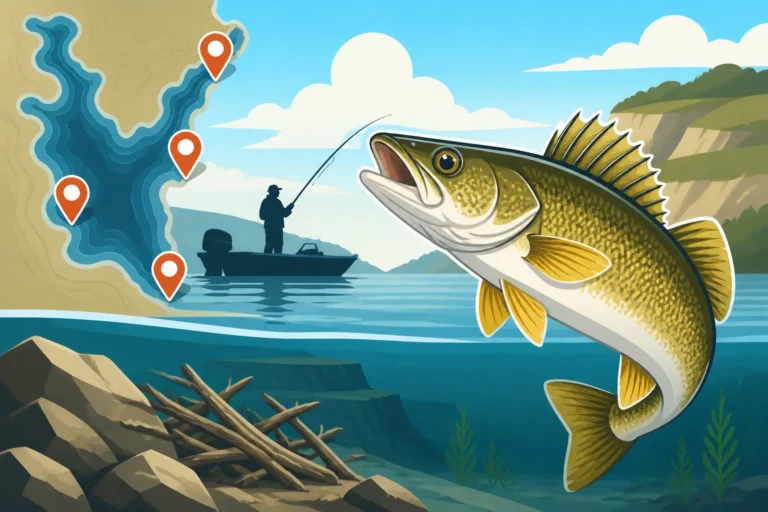
- Old Creek Beds and Roadbeds: Before Oahe was filled, numerous creeks and roads traversed the landscape. These now lie submerged, forming distinct depressions and elevated paths on the lakebed. Catfish will often follow these old contours, using them as travel routes or congregating in their deeper pockets. A good topographic map or a reliable fish finder with detailed mapping is indispensable for locating these hidden highways.
- Submerged Humps and Islands: Any underwater rise or elevated piece of land acts as an attractant for baitfish, and consequently, for catfish. These humps often have rock piles or scattered timber on them, providing perfect ambush points. The key is to fish all sides of these structures, especially the deeper breaks or the side facing the prevailing wind, which can push baitfish onto the structure.
- Cliff Faces and Steep Drop-offs: While catfish prefer softer bottoms, they will utilize steep rock or dirt cliffs that drop quickly into deep water. These areas offer shade and access to cooler water during hot summer days, and the ledges can hold schools of baitfish. Look for subtle shelves or breaks along these steep faces.
Fishing these deep structures often requires patience and the ability to hold your boat over a precise spot, especially if there's wind. Using a strong anchoring system or a reliable spot-lock trolling motor is paramount. If you're planning an extended trip on this large water, make sure you're familiar with North Dakota boat registration requirements and ensure your vessel is properly equipped.
Reservoir Bays and Flats
While deep, moving water is great, don't overlook the expansive bays and shallower flats that warm up more quickly and offer different opportunities, especially during specific seasons.
- Mud Flats: Large, relatively shallow mud flats can be extremely productive, particularly in spring and fall. These areas warm up faster, activating insect and worm activity, which in turn attracts baitfish and hungry catfish. During the spawn, these shallower, warmer areas provide ideal conditions for spawning activity.
- Weed Edges and Isolated Patches: Although Oahe is predominantly a deep, clear water reservoir, some bays and shallower areas develop submerged vegetation. Catfish will patrol the edges of these weed lines, especially where they transition to deeper water, using the cover for ambush and finding food.
- Overcast Days and Night Fishing on Flats: On heavily overcast days or, more famously, at night, catfish will move onto shallower flats to feed. Their excellent sense of smell gives them an advantage in low light, allowing them to root out baitfish or other food sources. These periods can offer some of the most exciting catfishing on Oahe.
When targeting these bays and flats, stealth can be important, especially in shallower water. Long casts and a quiet approach are often beneficial. Look for signs of baitfish, such as dimpling on the surface or active birdlife, as these indicate a food source that catfish won't be far from.
Seasonal Strategies for Lake Oahe Catfish
Just like any other fish, channel catfish on Lake Oahe adjust their behavior and location based on the seasons. Understanding these movements is key to consistently filling your cooler or landing a trophy.
Spring's Early Action and Pre-Spawn Movement
Spring on Lake Oahe can be a dynamic time, as the lake sheds its ice cover and begins to awaken. For catfish, this means a gradual move from their deep wintering holes into shallower, warming waters. The exact timing depends on ice-out, water temperatures, and river flow, but typically starts in April and runs through May.
- Seeking Warmer Water: The first catfish action of the year usually occurs in the warmest parts of the lake. This includes the shallowest sections of bays, the mouths of tributary rivers like the Heart and Cannonball, and northern shorelines that receive more direct sunlight. These areas warm up faster than the main lake, activating baitfish and other forage, which in turn draws in hungry catfish looking to recover from winter.
- Current Breaks and Fresh Inflows: As snow melts and spring rains fall, tributary rivers experience increased flow. This influx of fresh water brings nutrients and often slightly warmer water into Oahe, creating prime current breaks where catfish will stage. These are ideal spots to present cut bait or large nightcrawlers. Focus on the seams where the river current meets the slower reservoir water.
- Pre-Spawn Feeding Frenzy: As water temperatures climb into the 50s and low 60s Fahrenheit, catfish enter a pre-spawn feeding frenzy. They're bulking up for the energy-intensive spawning process. During this time, they become incredibly active and aggressive, making them easier to catch. They'll be found patrolling the edges of flats, submerged creek channels, and the shallower bends of the main river channel.
During spring, a reliable bottom-fishing rig, such as a slip-sinker rig with a large chunk of cut bait (like a Goldeye or sucker), is highly effective. Keep an eye on the North Dakota Fishing Season Calendar for general guidance, but always prioritize current water conditions.
Summer Feeding Frenzy and Night Fishing
Summer is arguably prime time for Lake Oahe catfishing. With stable warm temperatures, catfish are incredibly active, feeding heavily throughout the day and especially at night.
- Deep Water During the Day: As surface waters warm significantly, especially during hot spells, catfish will often retreat to deeper, cooler water during the brightest parts of the day. They'll still relate to structure, but they'll be found along the deep edges of the main river channel, submerged humps, and steep drop-offs where they can find cooler oxygenated water. Fan-casting large cut bait or stink baits on slip-sinker rigs around these deep structures is a proven tactic.
- Nighttime Shallow Water Forays: This is where Lake Oahe catfishing truly shines. As the sun dips below the horizon, catfish move out of the deep and into shallower bays, flats, and even rocky points to feed. Their superior sense of smell and barbels give them a huge advantage in the dark.
- Shoreline and Shallow Flats: Targeting shallow mud flats or the mouths of smaller creeks at night can be incredibly productive. Anchor quietly and cast out multiple lines rigged with various baits. Catfish will patrol these areas, often in surprisingly shallow water (3-10 feet).
- Current Seams and Structure: Even at night, current breaks and submerged structures remain key. The lower light just allows catfish to be more aggressive in these areas.
- Live Bait and Cut Bait: During summer, fresh cut bait is king. Many anglers swear by fresh-cut goldeye, suckers, or even smaller panfish. The oilier the bait, the better the scent trail it leaves in the water, attracting catfish from a distance. Stink baits also become highly effective in warm water, which helps disperse their potent aroma.
When fishing at night, safety is paramount. Have proper lighting on your boat, wear your life jacket, and be aware of your surroundings. Using glow sticks on your rod tips can help detect subtle bites.
Fall Transition Bites and Pre-Winter Binge
As summer fades and water temperatures begin to drop, catfish in Lake Oahe enter another transitional period, characterized by a strong feeding urge as they prepare for winter.
- Migration to Deeper Water: Catfish will gradually move out of the shallowest bays and flats and begin to follow baitfish into deeper water. They might still make occasional forays into shallower areas on warm, sunny days, but their overall trend is towards deeper structure. The edges of the main river channel, deep humps, and major points will become key holding areas.
- Aggressive Feeding: Just like in spring, fall triggers a pre-winter binge. Catfish will actively seek out large meals to build up fat reserves. This makes them highly susceptible to large cut baits and sometimes even artificial lures that mimic baitfish. Trolling large crankbaits over deep flats or jigging heavy spoons along channel edges can sometimes surprise you with a catfish, especially if you're targeting other species.
- Concentrations of Baitfish: Pay close attention to your electronics to locate schools of baitfish. Where the baitfish are, the catfish won't be far behind. Often, these schools will be found suspending over deeper structure or along the deeper contours of bays.
- Prime Locations: Focus on major points and the confluence areas of larger tributaries, as fish will stage there before moving into their wintering grounds. The deeper bends of the old Missouri River channel and larger submerged humps are also prime fall targets.
Fall fishing for catfish on Oahe can be incredibly rewarding, offering the chance at some of the biggest fish of the year. The cooler air temperatures also make for a more comfortable fishing experience than the sweltering heat of mid-summer.
Essential Gear and Proven Techniques for Oahe Catfish
Tackling Lake Oahe's catfish requires more than just knowing where they live; you need the right tools and strategies to bring them to the boat. The vastness and potential for large fish demand robust gear and refined techniques.
Rods, Reels, and Line for Oahe Catfish
Choosing the right tackle is crucial for success and enjoyment, especially when you might hook into a heavy Oahe channel cat.
- Rods: For Lake Oahe catfishing, you'll want heavy to medium-heavy action rods, typically 7 to 8 feet long. This length provides good casting distance, especially from a boat, and enough leverage to fight strong fish in current or around structure. Look for rods with a strong backbone but a relatively flexible tip that can detect subtle bites while still handling the powerful runs of a big catfish. Ugly Stik Bigwater rods are a popular choice due to their durability and power.
- Reels: Baitcasting reels are generally preferred for catfishing due to their power, line capacity, and ability to handle heavy weights. A reel with a smooth, reliable drag system is non-negotiable. Look for models in the 6000-8000 series size (or equivalent) for good line capacity. Spinning reels can work for lighter setups or smaller catfish, but for consistently targeting bigger fish on Oahe, a stout baitcaster is the way to go.
- Line: When it comes to fishing line, strength and abrasion resistance are paramount.
- Braided Line: Many experienced catfish anglers opt for braided line, typically 50-80 pound test. Its no-stretch properties offer superior sensitivity, allowing you to feel even the lightest nibble at significant depths. It also provides incredible strength for pulling fish out of snags. However, braid has poor abrasion resistance against sharp rocks or zebra mussels, so a heavy fluorocarbon or monofilament leader is a must.
- Monofilament Line: If you prefer mono, go for 20-30 pound test. While it has more stretch, which can be forgiving, it offers better abrasion resistance than braid against certain types of structure. The extra stretch can sometimes make it harder to detect light bites in deep water.
- Leader Material: Regardless of your mainline, always use a heavy (40-60 lb test) fluorocarbon or monofilament leader, especially when fishing around rocks or timber. This acts as a sacrificial line, preventing your main line from being cut by sharp objects or the catfish's rough mouth.
When selecting your fishing line, remember that Lake Oahe can present both vast open areas and snag-filled underwater landscapes. Having versatile line options or leaders prepared can save your day. For more comprehensive insights, consider consulting a guide on the best fishing line for North Dakota lakes.
Effective Baits and Rigging Strategies
Catfish are known for their strong sense of smell, and on Oahe, leveraging this to your advantage is key.
- Cut Bait: This is arguably the most consistent and effective bait for channel catfish on Lake Oahe. Freshly cut pieces of oily baitfish like goldeye, suckers, or even smaller walleye (if legal and within limits) release a powerful scent trail that catfish simply can't resist. Cut bait into strips or chunks, ensuring a good amount of flesh and skin. The fresher, the better.
- Stink Baits/Prepared Baits: Commercially available stink baits (like those from Catfish Charlie or Sonny's) are highly popular, especially in warmer water where their odor disperses quickly. They come in various forms – dip baits, punch baits, or pre-formed nuggets. These are particularly effective when targeting smaller to medium-sized channel cats on flats or in slower current.
- Live Bait: While less common for channel cats on Oahe than cut bait, live nightcrawlers, leeches, or small minnows can sometimes entice bites, especially if you're targeting other species and catfish happen to be in the area.
- Rigging Strategies:
- Slip-Sinker Rig (Carolina Rig): This is the workhorse rig for Oahe catfishing. It consists of a sliding egg sinker (1-3 oz, depending on current and depth), a bead, a barrel swivel, and a leader (12-24 inches) tied to a hook. The sliding sinker allows the fish to pick up the bait without feeling the weight, giving you a clearer bite indication.
- Three-Way Swivel Rig: Ideal for fishing in current or presenting multiple baits. Tie your mainline to one eye of the swivel, a short dropper line (6-12 inches) with a sinker to another eye, and your leader with a hook to the third eye. This keeps your bait slightly off the bottom and allows for subtle bait movement in the current.
- Circle Hooks: Essential for ethical catch-and-release and ensuring solid hookups. Circle hooks are designed to hook fish in the corner of the mouth, minimizing gut-hooking. Once a fish picks up the bait, simply let the rod load up; don't set the hook aggressively. The boat's movement or reel pressure will do the work. Sizes typically range from 5/0 to 8/0, depending on bait size and target fish size.
For those looking to broaden their bait horizons, a resource like the best bait for North Dakota fishing can offer additional insights. Always ensure your bait is fresh, and don't be afraid to experiment with different sizes and types until you find what the catfish are biting on that day.
Maximizing Success with Electronics and Boat Control
On a massive body of water like Lake Oahe, your electronics and ability to control your boat are just as important as your bait presentation.
- Fish Finders and GPS Chartplotters: Modern fish finders are invaluable.
- Sonar (2D/Down Imaging/Side Imaging): Use your sonar to identify changes in bottom contour, submerged structure (like old timber or rock piles), and schools of baitfish. Side imaging is particularly useful for scanning wide swaths of the lake bottom to locate channel edges, humps, or scattered debris.
- GPS Chartplotter: A reliable GPS with detailed mapping is critical for navigating Oahe and marking productive spots. Mark waypoints on submerged creek channels, humps, or specific current breaks. The ability to return to these precise spots time and again is a huge advantage. It can also display contours, helping you understand the underwater landscape before you even drop a line. If you're looking to upgrade, consider the best fish finders for North Dakota lakes.
- Trolling Motors with Spot-Lock: A good electric trolling motor with a "spot-lock" or "anchor" feature (like those offered by Minn Kota or MotorGuide) is a game-changer for catfishing on Oahe. This technology uses GPS to automatically hold your boat in a precise position, even in wind or current. This frees you up to focus on fishing, rather than constantly jockeying your boat, and is essential for fishing deep structure or current breaks effectively.
- Anchoring Strategies: If you don't have a spot-lock trolling motor, or if the current/wind is too strong, a robust anchoring system is necessary. You'll likely need multiple anchors, especially in areas with current. A sturdy grapnel anchor for rocky bottoms and a mushroom or box anchor for softer bottoms are good options. When anchoring in current, deploy your upstream anchor first, then drift back to your desired spot before deploying the second anchor. This minimizes disturbance and allows for a more controlled setup.
Effective boat control allows you to present your bait exactly where the fish are holding, whether that's precisely on a channel edge, over a submerged hump, or in a specific current seam. Without it, you're essentially just drifting and hoping for a chance encounter. If you're new to fishing such vast waters, considering a guided trip through a service like FishingBooker could provide an excellent learning experience, allowing you to observe these techniques firsthand.
Navigating Lake Oahe for Catfishing Success
Lake Oahe's sheer size and dynamic conditions present unique challenges and considerations for anglers. Knowing where to launch, how to stay safe, and when to seek local wisdom can make all the difference.
Prime Access Points and Marinas on the North Dakota Side
Accessing Lake Oahe's prime catfishing spots efficiently means knowing the best boat ramps and facilities available on the North Dakota side.
- Fort Yates Boat Ramp: Located near the Standing Rock Reservation, this ramp provides excellent access to the Cannonball River confluence area and the upper reaches of the Oahe reservoir, which still retains strong riverine characteristics. It's a popular spot for those targeting catfish in current-influenced zones.
- Little Heart River Boat Ramp: Situated closer to Bismarck, this ramp offers direct access to the Heart River arm of Oahe. This area is known for its excellent spring and early summer catfishing, particularly where the Heart River meets the main body of the lake. It's also a good starting point for exploring nearby submerged structures.
- Beaver Bay Recreation Area: Further south from Bismarck, near Linton, Beaver Bay provides a well-maintained multi-lane boat ramp, camping facilities, and a marina. This area offers access to wide-open reservoir sections, but also has good potential for targeting catfish on deeper flats, submerged humps, and the main lake channel edges. Its facilities make it a comfortable base for multi-day trips.
- Joe Pollack Recreation Area (near Fort Rice): Another option south of Bismarck, the Joe Pollack ramp gives access to the central North Dakota portion of Oahe. This area features a mix of riverine influence and wider reservoir sections, offering diverse catfishing opportunities.
When choosing an access point, consider not only your target fishing area but also current water levels. Some ramps can become unusable during periods of extremely low water. Always check current conditions before heading out.
Safety on Big Water and Local Expertise
Lake Oahe is a vast body of water, and its size alone dictates a serious approach to safety. Conditions can change rapidly, and being prepared is not just a recommendation, it's a necessity.
- Weather Awareness: Oahe is notorious for sudden weather changes. Strong winds can whip up large waves in minutes, making travel dangerous. Always check the marine forecast before heading out and throughout your day. If thunderstorms are predicted, it's best to stay off the water. Have a plan for rough water and know where safe harbors or protected bays are located.
- Vessel Readiness: Ensure your boat is in top mechanical condition. Carry all required safety gear: life jackets (one for every person on board, and children under 13 must wear them while underway), fire extinguisher, sound-producing device, navigation lights, and a throwable flotation device. Given the colder waters for much of the year, carrying extra warm, dry clothing is also wise.
- Navigation and Communication: A reliable GPS is essential for safe navigation, especially when exploring new areas or if fog rolls in. Carry a fully charged cell phone (though coverage can be spotty in some remote areas) and consider a VHF marine radio for reliable communication in an emergency. Tell someone your float plan – where you're going and when you expect to return.
- Local Expertise: If you're new to Lake Oahe or catfishing in general, consider hiring a local guide. Services like FishingBooker can connect you with experienced captains who know the lake inside and out, understand seasonal patterns, and can quickly put you on fish. A guided trip is an invaluable learning experience that can shave years off your learning curve and introduce you to hidden gems on the lake. Even for experienced anglers, a guide service found on platforms like FishingBooker can provide invaluable insights into current conditions and hot spots.
Respecting the power of Lake Oahe is key to a safe and enjoyable fishing trip. Its beauty is matched only by its potential for quickly changing conditions.
Conservation and Regulations for Lake Oahe Catfish
Being a responsible angler on Lake Oahe means not only knowing how to catch fish but also understanding and adhering to the regulations designed to protect the fishery for future generations.
Regulations and Daily Limits for Catfish
North Dakota's fishing regulations are in place to manage fish populations and ensure sustainable angling opportunities. While general fishing licenses are required for most anglers over the age of 16, specific rules apply to different species.
- North Dakota Fishing License: Before you even consider dropping a line, ensure you have a valid North Dakota fishing license. Whether you're a resident or non-resident, various license options are available. For detailed information, you can always refer to the North Dakota Fishing License Guide.
- Catfish Daily Limit: For Channel Catfish in Lake Oahe and other major waters in North Dakota, there is generally a daily creel limit and a possession limit. As of the current regulations, the statewide daily limit for Channel Catfish is typically 10, with a possession limit of 20. However, specific waters or river stretches can sometimes have special regulations, so always consult the latest North Dakota Fishing Regulations Explained or the official North Dakota Game and Fish Department (NDGFD) proclamation before you head out. These limits are crucial for maintaining healthy catfish populations. It’s also wise to check the North Dakota Catfish Limit Rules for any specific nuances related to Lake Oahe itself.
- Other Regulations: Be aware of other general regulations, such as the number of lines you can fish with, hook restrictions, and specific rules for different fishing methods. Night fishing is generally permitted for catfish, which is fantastic news given their nocturnal feeding habits, but always be aware of any localized restrictions.
Regulations can change, so making it a habit to check the current year's fishing proclamation from the NDGFD is the best way to stay informed. Ignorance of the law is not an excuse for violations, and penalties for fishing without a license or exceeding limits can be significant.
Responsible Angling Practices and Aquatic Nuisance Species
Beyond simply following the law, responsible angling means adopting practices that ensure the health of the fishery and prevent the spread of harmful organisms.
- Catch and Release: While channel catfish are excellent table fare, consider practicing catch and release, especially for the larger, older fish. These "brood stock" are vital for the reproductive health of the fishery. When releasing fish, handle them gently, minimize their time out of water, and use proper de-hooking tools. Circle hooks, as mentioned earlier, greatly aid in ethical catch and release by reducing gut-hooking.
- Preventing Aquatic Nuisance Species (ANS): Lake Oahe, like many North American waters, is vulnerable to Aquatic Nuisance Species (ANS) like zebra mussels and Eurasian watermilfoil. These invasive species can devastate native ecosystems and fishing opportunities. Every angler has a critical role in preventing their spread.
- Clean, Drain, Dry: This mantra is paramount.
- CLEAN: Inspect your boat, trailer, and all fishing gear (nets, waders, anchors) thoroughly. Remove any visible plants, mud, or organisms before leaving the boat ramp.
- DRAIN: Drain all water from your boat, including the bilge, livewells, motor, and any other water-holding compartments. This includes removing drain plugs.
- DRY: Allow your boat and equipment to dry completely before launching into another water body. If possible, a five-day drying period is recommended in hot, dry weather.
- Dispose of Bait Properly: Never release unused baitfish or worms into any water body unless they came from that same water body. Dispose of them in the trash.
- Report Sightings: If you suspect you've found an ANS, report it to the NDGFD immediately.
- Clean, Drain, Dry: This mantra is paramount.
By diligently practicing these responsible angling habits, you contribute directly to the health and longevity of Lake Oahe's incredible catfish fishery. It ensures that the tradition of North Dakota fishing, and specifically chasing those big Oahe channel cats, can continue for generations to come. When planning your trip, perhaps even checking out available local guides through FishingBooker, make sure to ask about their ANS prevention protocols too.
Disclaimer
The information provided in this guide is for general informational purposes only and is subject to change. Fishing regulations, season dates, and limits are set by the North Dakota Game and Fish Department and can be updated annually or more frequently. Always consult the official North Dakota Fishing Proclamation and any local ordinances before fishing. The author and publisher are not responsible for any inaccuracies or outdated information. Fishing involves inherent risks, and safety precautions should always be taken.