Best Crappie Lakes in North Dakota
If you've spent any time fishing in North Dakota, you know the conversations often revolve around walleye, pike, and perch. But what if you're looking for a different kind of fight, or perhaps some delicious panfish for the supper table that might be a little less crowded? Finding the best crappie lakes in North Dakota can sometimes feel like hunting for a hidden treasure, as these speckled beauties don't always get the same spotlight. This comprehensive guide is here to change that, diving deep into where to find crappie, what makes these lakes special, and how to successfully hook into them across the Peace Garden State.
Understanding Crappie in North Dakota Waters
Crappie are a fantastic sport fish, known for their aggressive bites, spirited fights on light tackle, and delectable fillets. Many anglers, especially those new to the state or focused on other species, might not realize the thriving crappie populations that exist here. These fish are often found schooling, which means once you find one, you're likely to find more!
Black Crappie vs. White Crappie Identification
In North Dakota, you'll primarily encounter two species: black crappie and white crappie. While both are members of the sunfish family and share similar characteristics, there are subtle differences to help you tell them apart.
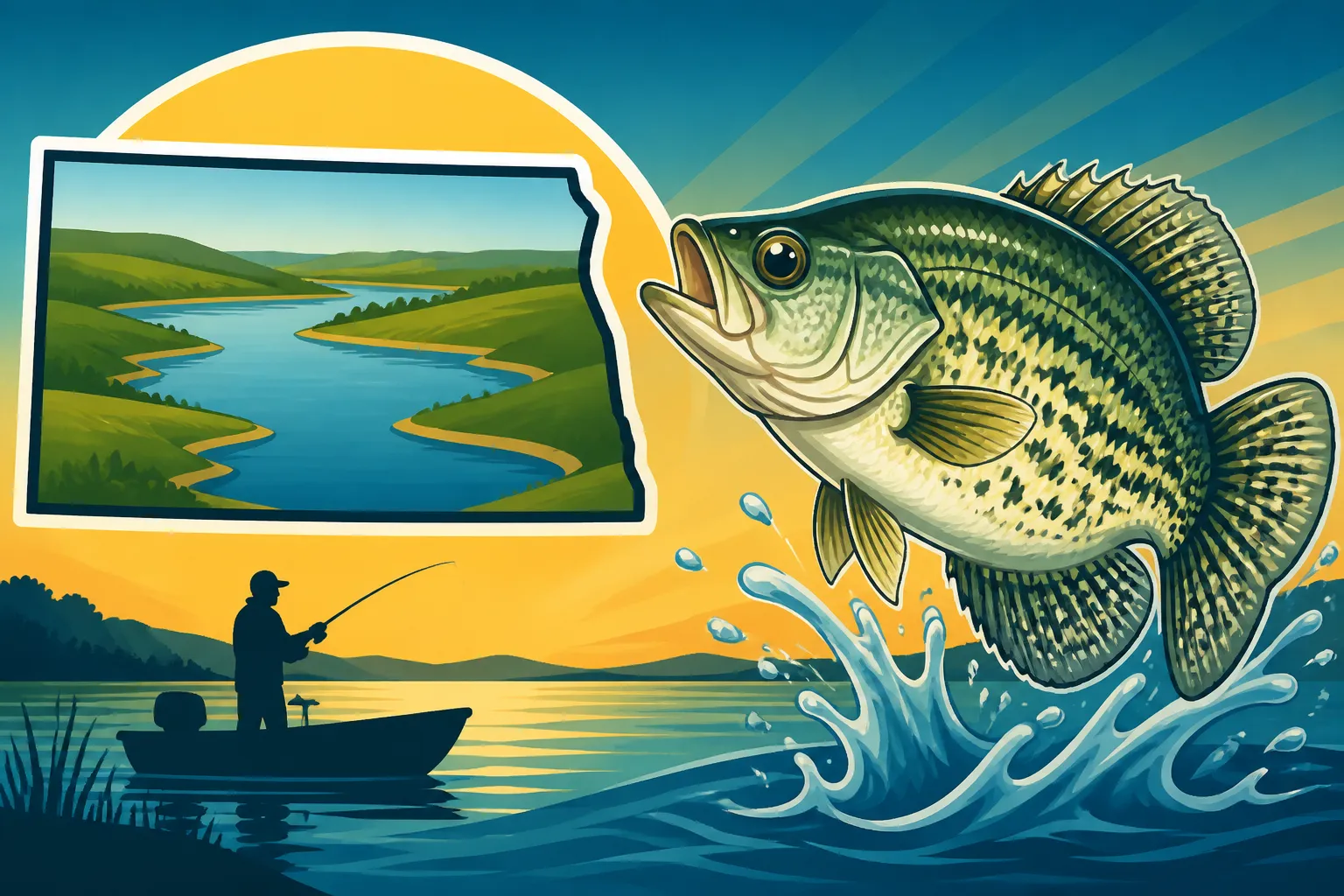
Black crappie typically have a darker, more mottled appearance with irregular dark spots scattered across their silvery-green bodies. Their dorsal fin usually has 7 or 8 spines. They prefer clearer water with abundant vegetation and structure like submerged trees or brush piles. You'll often find them suspended around cover, waiting to ambush baitfish. Our detailed guide on Black Crappie Habitat in North Dakota can give you even more insights into where these fish like to hide.
White crappie, on the other hand, tend to be lighter in color, often a silvery-white with 5 to 10 distinct vertical bars or stripes along their sides, rather than scattered spots. Their dorsal fin usually has 6 spines. White crappie are generally more tolerant of turbid (cloudy) waters and are often found in larger rivers and reservoirs with less vegetation, preferring submerged logs, rock piles, or bridge pilings as structure. Understanding the nuances between them, as discussed in our White Crappie vs Black Crappie in North Dakota article, can really help refine your approach.
Regardless of the species, both crappie offer an exciting fishing experience and are a welcome addition to any angler's catch. They're not just fun to catch; they're also widely regarded as one of the best-tasting freshwater fish.
Crappie Habitat Preferences
Crappie are true structure lovers. They seek out cover for ambush points, protection from predators, and thermal regulation. In North Dakota's diverse aquatic environments, this can mean a variety of locations:
- Submerged Timber and Brush Piles: Fallen trees, old stump fields, and man-made brush piles are classic crappie magnets. These offer ideal cover for baitfish, which in turn attracts crappie.
- Weed Lines and Aquatic Vegetation: Healthy weed beds, especially those with distinct edges or pockets, provide excellent habitat. Crappie will patrol these edges, darting out to strike at unsuspecting prey.
- Rock Piles and Riprap: Rocky areas, particularly those with a mix of large and small rocks, create crevices and hideouts for crappie and their forage. Riprap along shorelines or causeways can be productive.
- Drop-offs and Ledges: Changes in depth are often key, especially as seasons change. Crappie will use these contours to move between shallow feeding areas and deeper refuge.
- Docks, Piers, and Bridge Pilings: Man-made structures often provide vertical cover and shade, drawing in schools of crappie. These spots are particularly popular for shore anglers or those looking for easy access.
Knowing these preferences is crucial. When you're out on a North Dakota lake, look for visual cues on the surface or use your electronics to pinpoint these underwater features.
Top Crappie Lakes Across the State
While crappie might not be as universally distributed as perch or walleye, North Dakota boasts several excellent lakes and reservoirs where they thrive. These spots offer consistent action and the chance to fill a cooler with these speckled beauties.
Devils Lake: A Panfish Powerhouse
Devils Lake is renowned for its incredible walleye and jumbo yellow perch fishery, but don't sleep on its crappie population. The lake's rising water levels over the years have submerged vast amounts of timber, fence lines, and vegetation, creating an absolute paradise for crappie. You'll find both black and white crappie here, often reaching impressive sizes.
- Key Features: Flooded timber and brush are the main draw. During open water, target the edges of these submerged trees, particularly in bays and sheltered areas. Popular areas include the flooded timber around Minnewaukan, the Mauvais Coulee arm, and the general structure found throughout the main lake. For more on what lurks beneath, check out our What Fish Species Live in Devils Lake? guide.
- Best Seasons: Spring is fantastic as crappie move into shallower, warmer water to spawn. They'll hug timber and newly flooded brush. Ice fishing on Devils Lake can also be phenomenal for crappie. Anglers find them suspended in deeper basin areas or along the edges of flooded timber under the ice.
- Techniques: Small jigs tipped with minnows or soft plastics are deadly. Focus on vertical jigging or slow trolling near structure.
Lake Ashtabula: Consistent Production
Located near Valley City, Lake Ashtabula is a long, narrow reservoir on the Sheyenne River that consistently produces good numbers of crappie. Its varying depths and abundance of submerged trees and man-made fish habitat structures make it a prime location.
- Key Features: Look for crappie around the many brush piles that have been intentionally placed in the lake, as well as natural submerged timber. The deeper sections of the lake and areas where the old river channel winds can also hold fish.
- Best Seasons: Spring and fall are particularly good for crappie here. In spring, they push into shallow bays and coves. In fall, they school up and move to deeper main lake structures. Ice anglers also find success, particularly in the mid-lake areas near deeper humps and contours.
- Techniques: Casting small jigs and plastics, often in brighter colors, can be effective. Live minnows under a slip bobber are always a reliable choice, especially when fishing around specific cover.
Heart Butte Dam (Lake Tschida): Western Gem
In southwestern North Dakota, Heart Butte Dam, also known as Lake Tschida, is a large reservoir on the Heart River. While known for walleye and channel catfish, it also offers a solid crappie fishery, especially for those willing to explore its vast waters.
- Key Features: This lake features rocky shorelines, submerged humps, and the old river channel. Crappie will relate to these underwater contours and any available cover. The upper reaches of the reservoir, where the river feeds in, can offer unique opportunities with timber and current seams.
- Best Seasons: Spring fishing can be excellent in the shallower, warmer coves. As summer progresses, crappie move deeper, congregating around main lake structure. Ice fishing here is less popular than on some other lakes, but dedicated anglers can find crappie in deeper holes and along drop-offs.
- Techniques: Small crankbaits, jigging spoons, and soft plastic grub tails on light jigs are popular. Focus on working baits slowly near structure. Using a fish finder to locate schools before you start fishing is highly recommended here, given the lake's size.
Lake Audubon: An Overlooked Option
Often overshadowed by its massive neighbor, Lake Sakakawea, Lake Audubon is a large, clear reservoir that can be a pleasant surprise for crappie anglers. While it might not have the numbers of Devils Lake, the crappie here can be chunky and provide a great fight.
- Key Features: Audubon's clearer water means crappie might be found a bit deeper or closer to denser cover than in more turbid lakes. Look for submerged islands, rock piles, and the scattered timber along its shorelines. The deeper bays and points are also good starting points.
- Best Seasons: Summertime crappie can be found suspended over deeper water or tight to submerged structure. Fall offers a good bite as they feed heavily before winter. Ice fishing can be productive if you find the right schools.
- Techniques: Presentation needs to be a bit more subtle in clearer water. Light line, small jigs, and natural bait colors often work best. Spider rigging or slow trolling multiple lines with small jigs and minnows can be very effective for covering water and finding schools.
Other Notable Crappie Waters
Beyond these mainstays, several other North Dakota waters can offer good crappie fishing depending on conditions and year-to-year population fluctuations:
- Jamestown Reservoir: This reservoir often provides a decent panfish bite, including crappie, especially in areas with submerged brush and gradual depth changes.
- Pipestem Reservoir: Another option near Jamestown, Pipestem can also hold crappie. Focus on the main channel and any available timber or rock structure.
- Bowman-Haley Dam: In far southwestern North Dakota, this lake can surprise anglers with crappie, particularly in its upper arms where there's more shallow cover.
When planning a trip, consider checking local bait shops or online fishing forums for the most current reports on these waters. You could also connect with a local guide through services like FishingBooker to get real-time insights and a personalized experience.
Seasonal Crappie Hotspots and Techniques
Crappie movements and feeding habits change significantly throughout the year, meaning your approach needs to adapt with the seasons.
Spring Crappie Fishing: Pre-Spawn and Spawn Frenzy
Spring is arguably the most anticipated time for crappie fishing. As water temperatures begin to rise (typically into the 50s Fahrenheit), crappie move from their deeper wintering grounds to shallower, warmer areas to spawn.
- Location: Look for shallow bays, coves, and creek arms that warm up quickly. Crappie will congregate around submerged brush, cattails, fallen trees, and docks. They prefer water depths of 3 to 8 feet during this time.
- Techniques:
- Slip Bobber with Live Minnows: This classic setup is incredibly effective. Suspend a small live minnow (or a tiny crappie jig) just above the cover. The slip bobber allows you to cast into shallow areas and precisely control your depth.
- Small Jigs and Plastics: Tiny tubes, grub bodies, and small swimbait-style plastics on 1/16 to 1/32 oz jig heads are fantastic. Cast them out and retrieve slowly, imparting small twitches. Colors like chartreuse, white, and black/chartreuse are often winners.
- Casting Small Crankbaits: Very small crankbaits that dive to crappie depth can trigger aggressive bites, especially during the pre-spawn phase when crappie are feeding heavily.
Summer Crappie Tactics: Deep Water and Cover
Once the spawn is over and water temperatures really heat up, crappie often retreat to deeper, cooler water, or suspend in the water column over structure. This doesn't mean they're impossible to catch; it just requires a different approach.
- Location: Target deeper brush piles, submerged timber on main lake points or humps, and deep weed lines. Crappie will often suspend in 10 to 25 feet of water, often near the thermocline if one exists.
- Techniques:
- Vertical Jigging: Use your fish finder to locate schools of crappie suspended around structure. Drop a small jig or jigging spoon directly down to them. This is where a good Best Fish Finders for North Dakota Lakes becomes invaluable.
- Spider Rigging: This technique involves using multiple long rods (often 8 to 14 feet) extended from the front of the boat, slow trolling with jigs or minnows at various depths. It's an excellent way to cover water and find active fish.
- Trolling Small Crankbaits: Micro crankbaits or even small spinner rigs can be trolled slowly along contour lines or over submerged brush to entice suspended crappie.
Fall and Winter Crappie Fishing: Transition and Ice Action
Fall sees crappie feeding aggressively as they prepare for winter, often schooling up in deeper areas. Winter brings ice fishing, which can be one of the most productive times to target crappie in North Dakota.
- Fall Location: Crappie will start to migrate back towards deeper main lake structure. Look for them around deeper points, humps, and the edges of the main river channel in reservoirs. They'll still relate to timber and brush, just in deeper presentations.
- Winter Location (Ice Fishing): Under the ice, crappie often school tightly in basins, deep holes, or along the edges of flooded timber and submerged humps. Their location can be highly dependent on the particular lake and its structure. For specific regulations, our guide on North Dakota Ice Fishing Rules is a must-read.
- Techniques:
- Fall: Vertical jigging with minnows or plastics, slow trolling, and even casting small blade baits can work. Focus on finding the schools.
- Winter: Small tungsten jigs tipped with wax worms, plastic crappie tails, or live minnow heads are deadly. Use a sensitive ice rod and a flasher to detect bites and mark fish. Our How to Catch Perch Through the Ice in North Dakota guide often has crossover tips that apply to crappie as well. Small spoons like Kastmasters or Swedish Pimples can also attract aggressive crappie.
Essential Gear and Tips for North Dakota Crappie Anglers
Having the right gear makes all the difference when targeting crappie. Their delicate bites and the need for finesse require specialized equipment compared to, say, heavy-duty northern pike fishing.
Recommended Rods, Reels, and Line
Crappie fishing is all about light tackle.
- Rods: Look for ultralight or light action spinning rods, typically 5 to 7 feet long. A fast tip is crucial for detecting subtle bites, while a softer backbone helps prevent hooks from tearing out of their paper-thin mouths. Our guide on Best Fishing Rods for North Dakota Anglers offers many suitable options.
- Reels: Pair your rod with a small spinning reel (500 to 1000 size) that is lightweight and has a smooth drag system.
- Line: Opt for light monofilament or fluorocarbon line in the 2 to 6-pound test range. Monofilament offers a bit of stretch, which can be forgiving, while fluorocarbon is nearly invisible underwater and has less stretch for better sensitivity. Braided line can also be used, especially in heavier cover, but consider adding a fluorocarbon leader for stealth.
Best Baits and Lures for Crappie
Crappie are not overly picky, but certain presentations are consistently more effective.
- Live Minnows: The undisputed king of crappie baits. Hooked lightly through the lip or back, a lively minnow is irresistible. Small fatheads or rosies are perfect.
- Soft Plastics: Tiny tube jigs (1-2 inches), grubs, and small swimbaits are incredibly versatile. Experiment with colors, but chartreuse, white, black, and motor oil are perennial favorites.
- Jigs: Small lead-head jigs (1/32 to 1/8 ounce) are the foundation of crappie fishing. Tipping them with a minnow or soft plastic is often the most effective presentation.
- Jigging Spoons: Small jigging spoons (1/8 to 1/4 ounce) can be very effective for suspended crappie, especially in deeper water.
- Small Crankbaits: Micro crankbaits that mimic small baitfish can draw aggressive strikes from larger crappie, particularly during spring and fall.
- Flies: In some clear waters, small nymphs or wet flies can be deadly on crappie, especially if you enjoy fly fishing.
For a broader look at bait options, check out our Best Bait for North Dakota Fishing guide.
Locating Crappie with Electronics
Modern fish finders are a game-changer for crappie fishing, especially when fish are suspended or holding tight to underwater structure.
- Side Imaging/Down Imaging: These technologies allow you to "see" underwater structure like brush piles, submerged timber, and even schools of fish off to the sides or directly below your boat.
- 2D Sonar: The traditional sonar view is excellent for marking schools of crappie and determining their depth. Look for characteristic "clouds" or distinct arches of fish.
- GPS Mapping: Having detailed lake maps on your fish finder helps you navigate to known crappie hotspots, mark productive spots, and follow contour lines. Knowing where you are on the map and relating it to structure is key.
Before you even wet a line, using your electronics to scout for structure and fish presence will dramatically increase your success rate. For ice fishing, specialized flashers are also critical for seeing your jig and fish in real-time. Learn more about choosing the right unit in our guide to the Best Fish Finders for North Dakota Lakes.
Crappie Regulations and Limits
Before heading out, always consult the most current North Dakota Fishing Proclamation. Crappie are generally grouped under "Panfish" in the regulations. Daily limits and possession limits typically apply to all panfish species combined. For instance, the daily limit for panfish is often 20, with a possession limit of 40. Always check for any specific regulations that might apply to the particular lake you are fishing, as some waters may have special rules. A good starting point for understanding statewide rules is our North Dakota Fishing Regulations Explained overview and specifically, the Yellow Perch and Panfish Daily Limits Explained article. These resources are indispensable for ensuring you're fishing legally and sustainably.
Fishing for crappie in North Dakota offers a fantastic opportunity to enjoy consistent action and bring home a delicious meal. With a little knowledge, the right gear, and an understanding of their seasonal movements, you'll be well on your way to discovering the state's hidden crappie treasures. Don't be afraid to venture beyond the popular species – you might just find your new favorite North Dakota fishing experience!
Disclaimer
Fishing conditions and regulations in North Dakota can change. Always consult the latest North Dakota Game and Fish Department (NDGFD) fishing proclamation before heading out on the water. This article is for informational purposes only and does not constitute legal advice.