Best Time of Day for Ice Fishing Perch
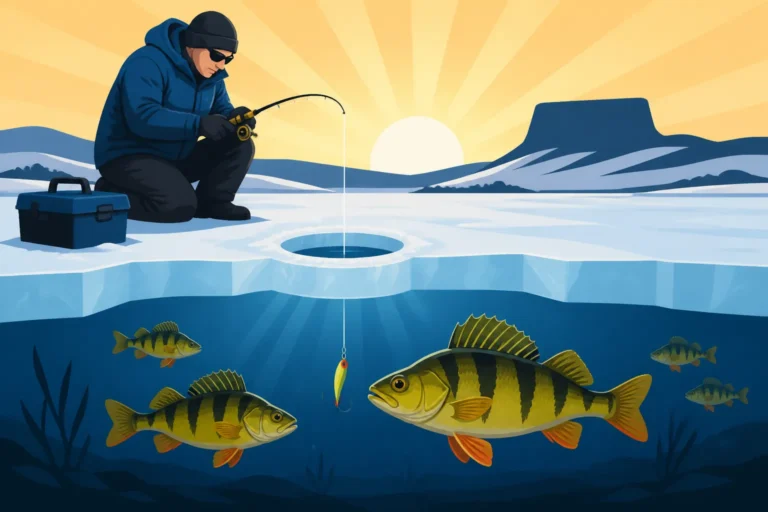
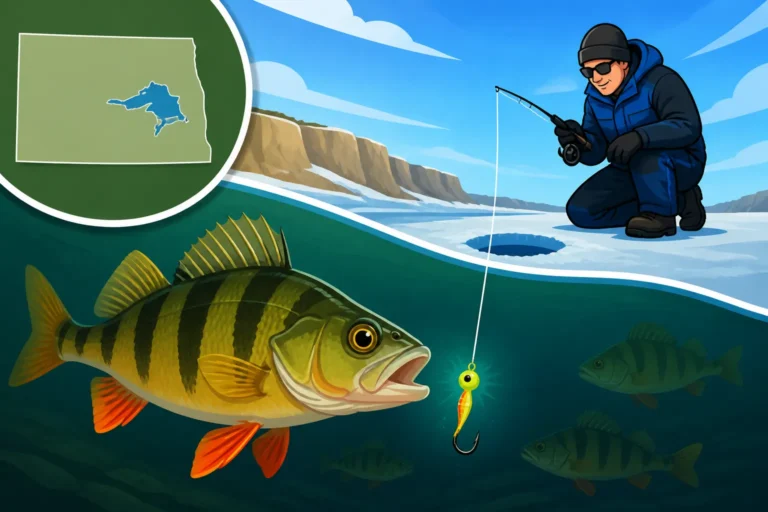
Figuring out the absolute best time to hit the ice for perch can feel like a guessing game, especially when you’re out on a vast North Dakota lake with freezing temperatures and you just want to find those hungry schools. It's frustrating to drill hole after hole only to find dormant fish. This guide is here to cut through the guesswork, giving you a solid understanding of when yellow perch are most active under the ice and how to make the most of your time on the hard water.
Understanding Perch Behavior Under the Ice
Yellow perch are fascinating creatures, and their daily routines under a blanket of ice are largely dictated by environmental factors that we, as anglers, can learn to read. It's not just about showing up; it's about understanding why they do what they do.
The Impact of Light Levels on Perch Activity
Perch are primarily visual feeders. This means they rely heavily on their eyesight to locate and ambush the tiny crustaceans, insect larvae, and small minnows that make up their diet. When the sun is high and piercing through the ice, especially on clear days, it can create a disadvantage for them. Their prey can see them coming a mile away!
Because of this, you’ll often find perch become significantly more active during periods of lower light. Think about dawn and dusk – those magical hours when the sun is just peeking over the horizon or dipping below it. During these times, the ambient light underwater is diffused, softer, and provides better cover for perch to hunt. They become bolder, moving out from their hiding spots near structure or deeper water to shallower feeding flats. Even on intensely overcast or snowy days, which often provide a consistent, subdued light level throughout, perch can remain active for longer periods than on a bright, bluebird day. The trick is always to consider the light.
How Time of Day Influences Their Metabolism
Like most cold-blooded animals, a perch's metabolism is directly influenced by water temperature. In the frigid waters under the ice, their metabolic rates slow down considerably compared to the warmer open-water months. This means they don't need to eat as frequently or as much to sustain themselves. However, they still need to feed to survive and grow.
Their internal clock, coupled with these metabolic needs, often creates distinct feeding windows. While the overall "energy budget" for feeding might be lower in winter, they still experience hunger pangs and instinctual urges to forage. These urges often align with those low-light periods. Imagine a slow-burning fire; it still needs fuel, but not as often or as much as a roaring bonfire. Perch are like that slow-burning fire, carefully conserving energy and making the most of prime feeding opportunities when they arise, which often means hitting those feeding grounds when light conditions are most favorable for a successful hunt.
Prime Time Windows for North Dakota Ice Perch
After spending countless hours chasing fins across the vast frozen expanses of North Dakota, from Devils Lake to Lake Sakakawea, a few distinct windows consistently prove more productive for yellow perch.
The Magical "First and Last Light" Bite
If there's one golden rule for ice fishing perch, it's to be on the ice and ready at first light, and stay until the last light fades. These periods are, without a doubt, the most reliable for consistent perch action.
Let's talk about dawn. Before the sun even breaks the horizon, there's a certain buzz under the ice. Perch, which might have been resting in deeper water or tight to structure overnight, start to stir. As the first hint of light penetrates the ice, often around 6:30 AM to 8:00 AM in the heart of winter, these schools begin to move into shallower feeding areas. They're often aggressive, having not fed much overnight, and are eager to capitalize on the prime low-light conditions. You'll find that the bite can be fast and furious for a solid hour or two before it often tapers off as the sun climbs higher.
The same magic happens in reverse during dusk. Starting around 4:00 PM to 5:30 PM, depending on the time of year and specific day, perch activity picks up again. They make a final push to feed before settling down for the night. This late afternoon bite can be just as strong, if not stronger, than the morning bite, as they fuel up for the long hours of darkness. Anglers who are brave enough to face the cold and stick it out through these transitions are often rewarded with the heaviest buckets of the day. For more insights on fishing specific species, check out our comprehensive North Dakota Yellow Perch Fishing Guide.
Midday Lulls and Opportunity Windows
Okay, so you've experienced the incredible morning bite, maybe even filled a partial bucket, but now the sun is high, and the fish seem to have vanished. This is the classic "midday lull," and it's a common frustration for many ice anglers. As mentioned earlier, bright light can put perch at a disadvantage, often sending them deeper, tighter to the bottom, or nestled within dense structure where they feel more secure.
However, a midday lull doesn't mean you should pack up and go home. This is when patience and adaptability become your best friends. On extremely bright, clear days, perch might simply hold incredibly tight to deep water breaks or the deepest edges of humps, only willing to take a bait presented perfectly in their face. This is where subtle jigging techniques become crucial, often requiring a very slow lift-and-drop or simply holding your bait still. Don't be afraid to change baits or colors, sometimes a different flash or profile is all it takes to trigger a reluctant fish.
Furthermore, there are definite "opportunity windows" during the midday. If a heavy cloud cover rolls in, a snow squall starts, or even if the barometric pressure experiences a favorable shift, you might see a sudden burst of activity. These changes in conditions can briefly trigger a feeding response, allowing you to turn a slow midday into a productive one. Keep an eye on the weather and don't be afraid to explore new depths or structures.
The Often-Overlooked Night Bite for Perch
While the night bite is legendary for species like walleye, it's generally less common to target perch under the complete darkness of night. However, it's not entirely unheard of, and there are specific scenarios where you might find some night owl perch.
If you're fishing a popular area on Devils Lake, for example, where there are many ice fishing shelters with lights on, this ambient light can attract zooplankton and small baitfish, which in turn can draw in perch. Similarly, a full moon can provide enough natural light penetration to stimulate some feeding activity. In these situations, perch might be found cruising the edges of these illuminated areas.
When considering a night bite, remember that safety is paramount. Visibility is severely limited, and ice conditions can be trickier to assess. Always have proper lighting, like a reliable headlamp (you can find excellent, durable options on Amazon that are perfect for ice fishing), and make sure you're familiar with the ice before venturing out after dark. If you do attempt a night bite for perch, use glow-in-the-dark jigs tipped with live bait, as the glow can be a significant attractor in the darkness. While not a primary strategy, it can sometimes surprise you, especially if you're already out for other species and notice perch activity.
Factors Beyond the Clock That Influence the Bite
While the clock is a crucial piece of the perch puzzle, it's far from the only one. Successful North Dakota ice anglers know that other environmental elements play a huge role in turning a slow day into a stellar one.
Weather Conditions and Barometric Pressure
The weather above the ice has a profound impact on the conditions below. Cloud cover, for instance, is often your best friend when ice fishing for perch. A consistently overcast day diffuses the light, effectively extending those prime low-light feeding windows throughout much of the day. On these "dark" days, perch often remain shallower and more active than they would on a bright, sunny day. Conversely, those beautiful, bluebird days, while pleasant for the angler, often mean a tougher bite, as perch tend to tuck into deeper, darker zones.
Barometric pressure is another silent but powerful force. Stable high pressure, or slowly rising pressure, often coincides with active feeding. Think about those beautiful, calm days after a storm has passed. However, rapidly falling barometric pressure, usually indicating an incoming storm front, often shuts fish down. They can sense these changes in pressure through their lateral lines and swim bladders, and it often triggers them to conserve energy. While wind and snow might make your life on the ice less comfortable, they don't directly affect the fish under the ice as much as light and pressure do. However, a good insulated ice fishing shelter can make a huge difference in staying comfortable enough to tough out these conditions and catch fish.
Location, Location, Location: Structure and Depth
Even if you're fishing during the absolute best time of day, if you're not where the perch are, you won't catch them. Perch are schooling fish and are highly associated with specific underwater structures. This is where your understanding of the lake's topography becomes invaluable.
Look for areas with breaks – where the bottom abruptly drops off from shallow to deep. Humps (underwater hills) and points (extensions of land that jut into the water) are classic perch magnets. Early in the ice season, especially on lakes like Lake Audubon or Jamestown Reservoir, you might find them clinging to green weed lines that still offer cover and food. As winter progresses and weeds die off, they often relate more to hard bottom structures like rock piles or subtle rises on the main lake basin.
The depth at which perch hold can also shift throughout the day. During those midday lulls, they might pull back from 8-12 feet to 15-20 feet, or even deeper, seeking comfort and security. Having a good understanding of How to Ice Fish in North Dakota involves a lot of exploring to find these key locations. Don't be afraid to drill many holes and move until you find them.
Bait, Presentation, and Electronics
Even during those peak feeding windows, proper bait and presentation can make or break your day. Perch typically respond well to small jigs, often tipped with live bait like wax worms, spikes (euro larvae), or small minnows. The size of your jig should match the size of the perch you're targeting and the water depth. For a deeper dive into what works, explore our guide on the Best Bait for North Dakota Fishing.
Presentation is critical: a common mistake is jigging too aggressively. Often, a subtle quiver, a slow lift and drop, or even just holding the bait perfectly still can trigger a bite from a wary perch. Experiment until you find what they want.
This is where ice fishing electronics become an absolute game-changer. A good flasher or graph allows you to see your bait, the fish, and how they react to your presentation in real-time. You can identify schools, see if they're active, and adjust your jigging style accordingly. Using these tools to help you dial in the right depth and retrieve can turn a couple of fish into a bucket full, especially when coupled with knowledge about the Best Ice Fishing Gear for North Dakota. You might see fish come in hot, then refuse to bite. A slight change in jigging motion, a color change, or a different bait often makes all the difference.
Maximizing Your Chances: Strategies for All Day
While understanding prime times is key, a truly successful day on the ice in North Dakota is about more than just hitting those peak windows; it's about being prepared and adapting to conditions throughout the entire day.
Being Prepared for the Early Morning Rush
The early bird truly gets the worm, or in this case, the perch! To capitalize on the dawn bite, you need to be set up before the sun starts to peek. This means drilling your holes, getting your ice fishing shelter set up if you're using one, and having your rods rigged and ready to go in the pre-dawn darkness. Nothing is more frustrating than seeing fish on your flasher and scrambling to get your line in the water.
Investing in a good, reliable ice auger is crucial for this. Whether it’s a powerful gas auger or a quieter, efficient electric one, having a tool that makes quick work of thick North Dakota ice will save you valuable time and energy. Plus, dressing in layers is non-negotiable for those frigid pre-dawn temperatures. Warm boots, a good base layer, and a quality outer shell will keep you comfortable enough to enjoy that magical first-light bite. You can learn more about this by reading our guide on Ice Fishing Auger Techniques.
Adapting During the Midday Slowdown
When the midday lull hits and the bite slows, don't throw in the towel! This is your opportunity to become a more versatile angler. Instead of staying put, consider moving. If you've got a portable ice fishing shelter, pack it up and explore a new area. Try different depths – maybe the fish have retreated to deeper water, or perhaps they've moved to a different type of structure nearby.
Experiment with your lures and bait. Sometimes a smaller jig, a different color, or a subtle change in bait (switching from a minnow head to a wax worm) can trigger a bite. Using a high-quality fish finder or even an underwater camera can provide invaluable insights. You might see fish ignoring your lure, which tells you to change tactics, or you might spot them just off to the side, indicating you need to reposition your hole. For more specific guidance, check out our piece on How to Catch Perch Through the Ice in North Dakota.
Staying Safe and Comfortable for the Evening Push
Just like the morning, the evening bite can be phenomenal, but it also brings declining light and dropping temperatures. Staying comfortable is key to enjoying this productive period. Continue to layer up as the sun dips, and make sure you have adequate lighting. A powerful headlamp, easily found on Amazon, is essential for visibility when packing up after dark.
Beyond comfort, safety should always be your top priority. As the day progresses, fatigue can set in, and visibility decreases. Always be aware of your surroundings and ice conditions. If you're fishing in a new area or late in the season, review Early Ice Fishing Safety Tips or Late Ice Fishing Safety Tips to ensure you're making smart choices. Knowing when to call it a day, especially if you're far from your vehicle or in remote locations, is a sign of a seasoned angler. The fish will be there tomorrow, but your safety comes first.
| Time of Day | Perch Activity Level | Typical Behavior / Location | Key Angling Strategy |
|---|---|---|---|
| Pre-Dawn | Low but increasing | Moving towards feeding areas | Be set up and ready, often deeper edges |
| Dawn (First Light) | High (Prime Time) | Aggressive feeding in shallower areas (8-15ft) | Aggressive jigging, live bait, target active schools |
| Mid-Morning | Moderate to tapering | Spreading out, may move deeper, less aggressive | Finesse presentation, small baits, search nearby structure |
| Midday | Low (Lull) | Holding tight to deep structure, less active | Very subtle jigging, slow movements, focus on individual fish |
| Afternoon | Moderate to increasing | Starting to move back towards feeding areas | Experiment with presentation, check different depths |
| Dusk (Last Light) | High (Prime Time) | Aggressive feeding, similar to dawn | Aggressive jigging, capitalize on active fish, prepare for darkness |
| Night | Very Low (Occasional) | Attracted by light sources, rare natural bite | Not primary target; use glow jigs if targeting walleye nearby |
Disclaimer
Fishing conditions and regulations in North Dakota can change. Always consult the latest North Dakota Game and Fish Department proclamations and rules before heading out on the ice. This guide is for informational purposes only and does not constitute official legal advice. Always prioritize safety on the ice.