When Does Ice Usually Go Out in North Dakota?
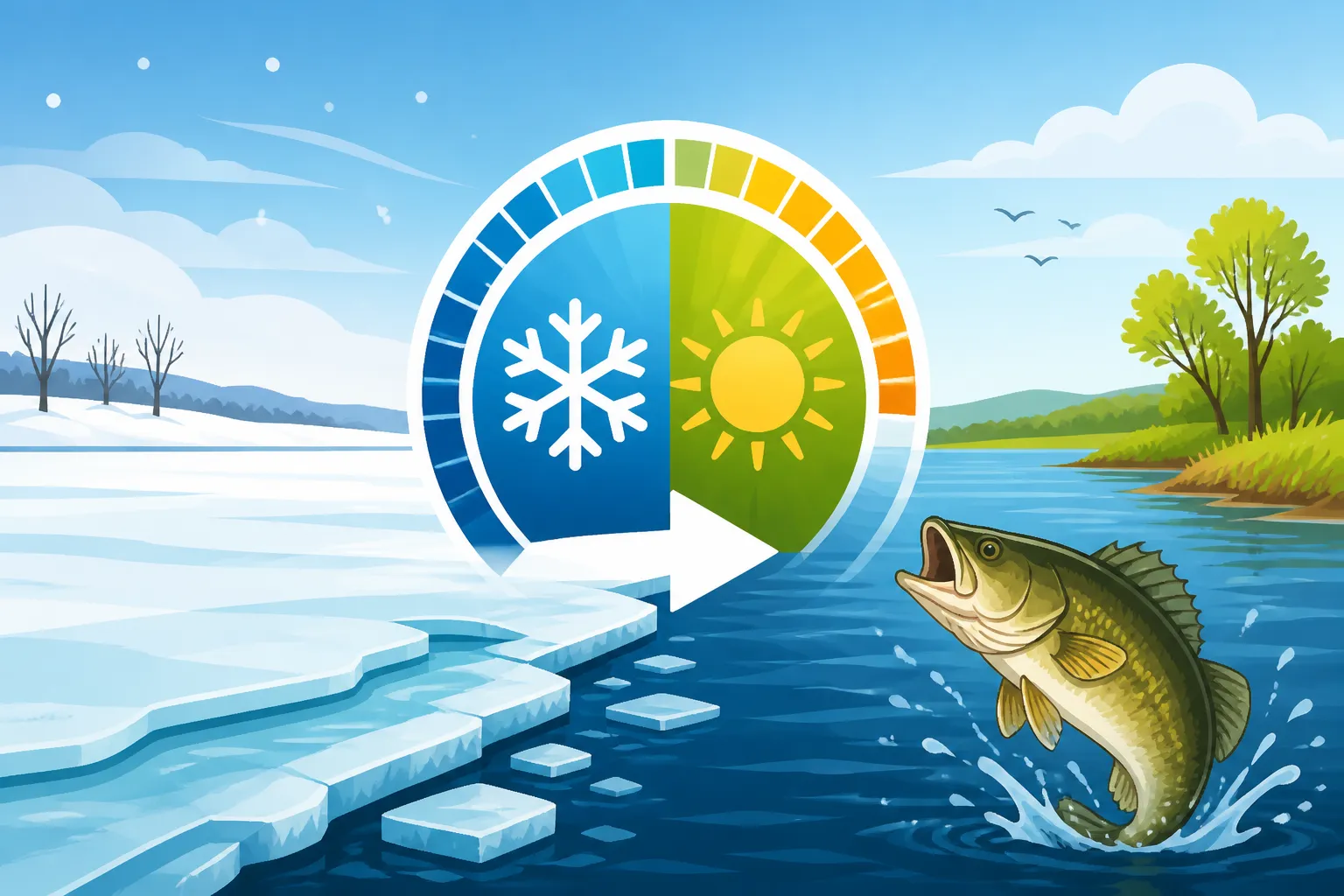
For many North Dakota anglers, the shift from winter's frozen grip to open water fishing feels like an eternity. You've spent months looking at ice, and as spring approaches, the question gnawing at every dedicated fisher is, "When will this ice finally give way?" It's a common source of both anticipation and deep frustration, as Mother Nature rarely follows a strict calendar. This guide aims to demystify the timing of ice-out across North Dakota, explaining the factors at play and what to expect as the ice retreats.
Understanding the Dynamics of Ice-Out in North Dakota
The departure of ice from our beloved North Dakota lakes isn't a single, uniform event. It's a gradual process, heavily influenced by a cocktail of environmental factors that can change dramatically from one year to the next, and even from one lake to another. This variability is precisely why predicting an exact "ice-out day" is a fool's errand. Instead, we look at patterns and conditions that tend to accelerate or delay the thaw.
The Role of Air Temperature and Sunlight
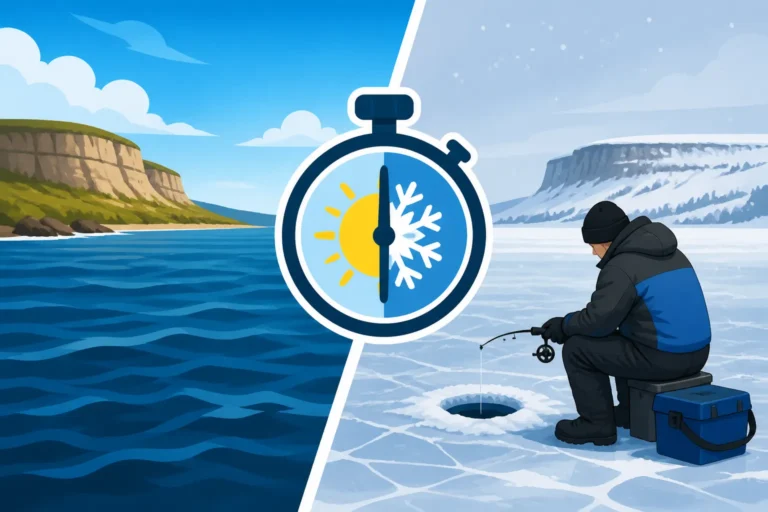
The most obvious drivers of ice-out are air temperature and sunlight. It might seem simple, but it's more nuanced than just "it gets warm, ice melts." Sustained periods of above-freezing temperatures are crucial. A warm day followed by a deep freeze won't do much. We're talking about consistent warmth that can begin to erode the ice from the top down.
Think about those beautiful, sunny March and April days. The sun's rays penetrate the ice, even if it's still quite thick, and begin to warm the water underneath. This creates a fascinating process where the ice can start to melt from both the top (due to warm air and direct solar radiation) and the bottom (as the water beneath warms). The ice changes its composition, becoming more porous and "rotten" before it finally breaks up. This is a critical time for safety; what looks like solid ice can be incredibly weak. For those still thinking about getting out on the last bits of ice, it's vital to know How Thick Ice Needs to Be for Ice Fishing
Snow Cover as an Insulator
It might seem counterintuitive, but a thick blanket of snow on top of the ice can actually delay ice-out. Snow is a fantastic insulator. While it melts on its surface during warmer days, the layer of snow prevents the sun's energy from directly reaching the ice below, and it keeps the warmer air from having as much effect. This means the ice stays colder and stronger for longer.
However, once that snow melts away, it's a different story. The newly exposed, darker ice absorbs more solar radiation, accelerating the melting process significantly. Plus, the runoff from melting snow adds fresh, often warmer, water to the lake, which can also contribute to ice degradation, especially near shorelines and inlets. It’s a delicate balance that can swing either way depending on the winter's snowfall.
The Impact of Wind and Water Depth
Wind plays a surprisingly significant role in the final stages of ice-out. Once the ice begins to weaken and break into smaller pieces, persistent strong winds can quickly break up the remaining sheets and push them towards shore, effectively clearing large sections of the lake. It's like nature's own icebreaker, churning the water and hastening the process. A calm spring, even if warm, will often see ice lingering longer in protected bays.
The depth and size of a body of water are also huge factors. Shallow bays and smaller, shallower lakes, like many of the smaller prairie potholes or local farm ponds, will lose their ice much earlier than vast, deep reservoirs. This is because shallower water warms up faster, and there's less total ice mass to melt. Compare the relatively quick ice-out on a small pond to the monumental effort it takes to clear the massive expanses of Lake Sakakawea Fishing Guide for North Dakota Anglers These large lakes act like giant thermal batteries, holding onto the cold water and ice for weeks, sometimes even a month or more, after smaller waters are completely open.
North Dakota's Regional Ice-Out Tendencies
North Dakota is a big state, and just like our weather patterns vary from east to west and north to south, so too does the timing of ice-out. There isn't a single "ice-out date" for the entire state, but rather a general progression.
Southern vs. Northern Regions
Generally speaking, you can expect ice to recede earlier in the southern parts of North Dakota. Areas closer to the South Dakota border, such as the southern reaches of Lake Oahe or smaller lakes around Bismarck and Fargo, will typically see open water before their northern counterparts. This is simply due to warmer average temperatures and earlier spring conditions.
As you move north towards the Canadian border, around areas like Lake Metigoshe or the Turtle Mountains, the ice often clings on for an extra week or two, sometimes even longer. This is a consistent pattern driven by the latitude; northern areas experience longer, colder winters and a slower transition into spring. So, if you're eager for open water, keep an eye on reports from the southern part of the state as a precursor to what's coming further north.
Major Lakes vs. Smaller Water Bodies: A Tale of Two Thaws
The difference in ice-out between North Dakota's colossal lakes and its numerous smaller impoundments is stark. Our "big three" – Lake Sakakawea, Devils Lake Fishing Guide for North Dakota Anglers, and Lake Oahe – are usually the last holdouts for ice. Their sheer size and depth mean they absorb an immense amount of cold during winter and require a prolonged period of warmth to shed their icy shells.
Smaller lakes, reservoirs, and rivers, however, typically open up much earlier. Think about places like Jamestown Reservoir or Lake Ashtabula; while still sizable, they don't compare to Sakakawea's vastness. Even local fishing spots or the smaller arms of major rivers might open weeks before the main body of a large lake. This offers anglers opportunities to get out earlier in the season if they're willing to travel to smaller, more accessible waters.
Here's a general, non-binding look at typical ice-out periods. Remember, these are averages and can shift wildly year to year!
| Region/Lake Type | Average Earliest Ice-Out (Approx.) | Average Latest Ice-Out (Approx.) | Typical Primary Species Targeted |
|---|---|---|---|
| Southern Small Lakes | Late March | Mid-April | Panfish, Northern Pike |
| Central Small Lakes | Early April | Late April | Panfish, Northern Pike, Walleye |
| Northern Small Lakes | Mid-April | Early May | Panfish, Northern Pike |
| Red River/Missouri River | Early to Mid-April | Late April | Catfish, Walleye, Northern Pike |
| Lake Oahe (ND Portion) | Mid-April | Early May | Walleye, Catfish |
| Devils Lake | Late April | Mid-May | Walleye, Perch, Northern Pike |
| Lake Sakakawea | Late April | Late May | Walleye, Salmon, Northern Pike |
Monitoring Ice-Out Conditions and Safety
As tempting as it is to be the first one out there after the long winter, patience and safety are paramount during the ice-out period. This time of year presents some of the most dangerous ice conditions, often referred to as "rotten ice."
Relying on Official Sources and Local Wisdom
Your best bet for accurate, real-time information comes from official sources. The North Dakota Game and Fish Department (NDGFD) often provides updates on ice conditions on major lakes, and their website is a goldmine of information, including the statewide North Dakota Fishing Season Calendar. Local bait shops, marinas, and fishing forums are also invaluable resources. The folks who live and work near the lakes are often the first to know when conditions are changing, and they're usually happy to share their observations. Don't be shy about calling ahead or checking online communities for the latest intel.
Reading the Ice: Visual Cues and the Sounds of Spring
Experienced anglers learn to read the ice. As ice-out approaches, the ice often takes on a darker, grayish appearance. This is a sign that it's no longer solid, clear ice, but has become saturated with water and is honeycombed with air bubbles. You might also notice open water developing around shorelines, points, or river inlets, where current or warmer runoff has accelerated the melt.
The sounds of spring fishing are also different during ice-out. You might hear creaks, groans, and loud cracks as the ice shifts and breaks apart, especially on windy days or as temperatures fluctuate. These are not just sounds; they are warnings. If you're anywhere near the ice during this transition, heed these natural signals. Even if you're just scouting from shore, observe the color, the stability, and any open water leads.
Prioritizing Safety on Deteriorating Ice
Let me be blunt: deteriorating ice is incredibly dangerous. What might have held an ATV or even a pickup truck a few weeks ago can now be precarious, unstable, and unpredictable. The internal structure of the ice weakens, making its actual strength far less than its thickness might suggest. This is not the time to push your luck.
We all want to be the first to find those active, post-spawn fish, but no fish is worth the risk of falling through. It's crucial to remember that North Dakota Ice Fishing Rules, particularly those regarding shelter removal and late-season access, are in place for a reason. Always err on the side of caution. Focus on safely preparing your open water gear and scouting from solid ground.
Transitioning to Open Water: The Post-Ice-Out Opportunities
Once the ice has finally gone out, a new season of fishing dawns, bringing with it some incredible opportunities for anglers. The period immediately following ice-out, often referred to as the "post-ice-out" or "early spring" bite, can be one of the most productive times of the year.
The Burst of Early Spring Activity
As soon as the water opens up, many fish species become incredibly active. Walleye, for example, often move into shallower areas, especially rocky points, reefs, and river mouths, looking for warmer water and available forage after the long winter. This is a prime time for targeting them with specific presentations. You can learn a lot about what works best in this period by looking into Early Spring Walleye Techniques in North Dakota. Northern Pike also become very aggressive in shallow, vegetated bays as they prepare for or complete their spawning rituals. It's not uncommon to catch some true giants in surprisingly skinny water during this window.
Perch, too, will begin to move out of their deeper winter haunts and spread out, often found in areas where early insect hatches occur. The key is to remember that fish will be seeking out the warmest available water, as even a few degrees can make a big difference in their metabolism and activity levels. This often means focusing on northern shorelines, dark bottom areas, and shallow bays that soak up the sun's heat.
Gearing Up for the Open Water Shift
Making the switch from ice fishing to open water isn't just about putting away the auger. It's about a complete gear overhaul. Your heavy ice fishing rods get replaced by lighter spinning or casting setups. Instead of tiny jigs and spoons, you're reaching for crankbaits, jigs with plastics, bottom bouncers, and live bait rigs. It's a good time to inventory your tackle, spool up fresh line, and make sure your boat (if you use one) is ready for launch.
If you find yourself needing to restock on lures or other essentials, online retailers like Amazon offer a huge selection, ensuring you're ready for the bite. This is also the time to ensure all your safety gear is in order, including life jackets, throw cushions, and a fully charged boat battery. Don't forget to double-check the North Dakota Open Water Fishing Season, as regulations might vary slightly from species to species or body of water to body of water.
Planning Your First Trips and Checking Regulations
Before you hit the water, always, always check the current fishing regulations. While the general season for most species is year-round, specific bodies of water or species might have unique rules, such as special length or possession limits. The North Dakota Game and Fish Department publishes a comprehensive guide of North Dakota Fishing Regulations Explained, which is essential reading before any outing. You can often find a physical copy at bait shops or download it from their website.
Knowing North Dakota Fishing Season Dates and Limits, especially for species like Walleye or Northern Pike, will ensure you're fishing legally and sustainably. Your first open water trips after ice-out should ideally focus on scouting and understanding the current conditions. Look for active areas, water temperature differences, and baitfish presence. With a bit of research and a lot of patience, the post-ice-out period can provide some of the most rewarding fishing experiences of the year.
Disclaimer
This article is for general informational purposes only and does not constitute professional advice. Laws, prices and regulations vary by location and change over time. Consult a qualified professional for guidance on your specific situation.