Best Barometric Pressure for Walleye Fishing
You've been out on the water, everything feels right – the perfect spot, your trusty lure – but the walleye just aren't biting. Or maybe you hit a day where they were absolutely ravenous, and you can't quite figure out why. It’s a frustration many North Dakota anglers know all too well. One often-overlooked factor that plays a huge role in walleye behavior is barometric pressure, and understanding its subtle shifts can seriously up your game on North Dakota lakes and rivers, turning those frustrating slow days into rewarding hauls.
Understanding Barometric Pressure and Its Impact on Walleye
Barometric pressure, often called atmospheric pressure, is essentially the weight of the air pushing down on everything around us, including our beautiful North Dakota waters. This invisible force has a profound, though often underestimated, effect on fish, especially bottom-dwelling predators like walleye.
What Is Barometric Pressure, Anyway?
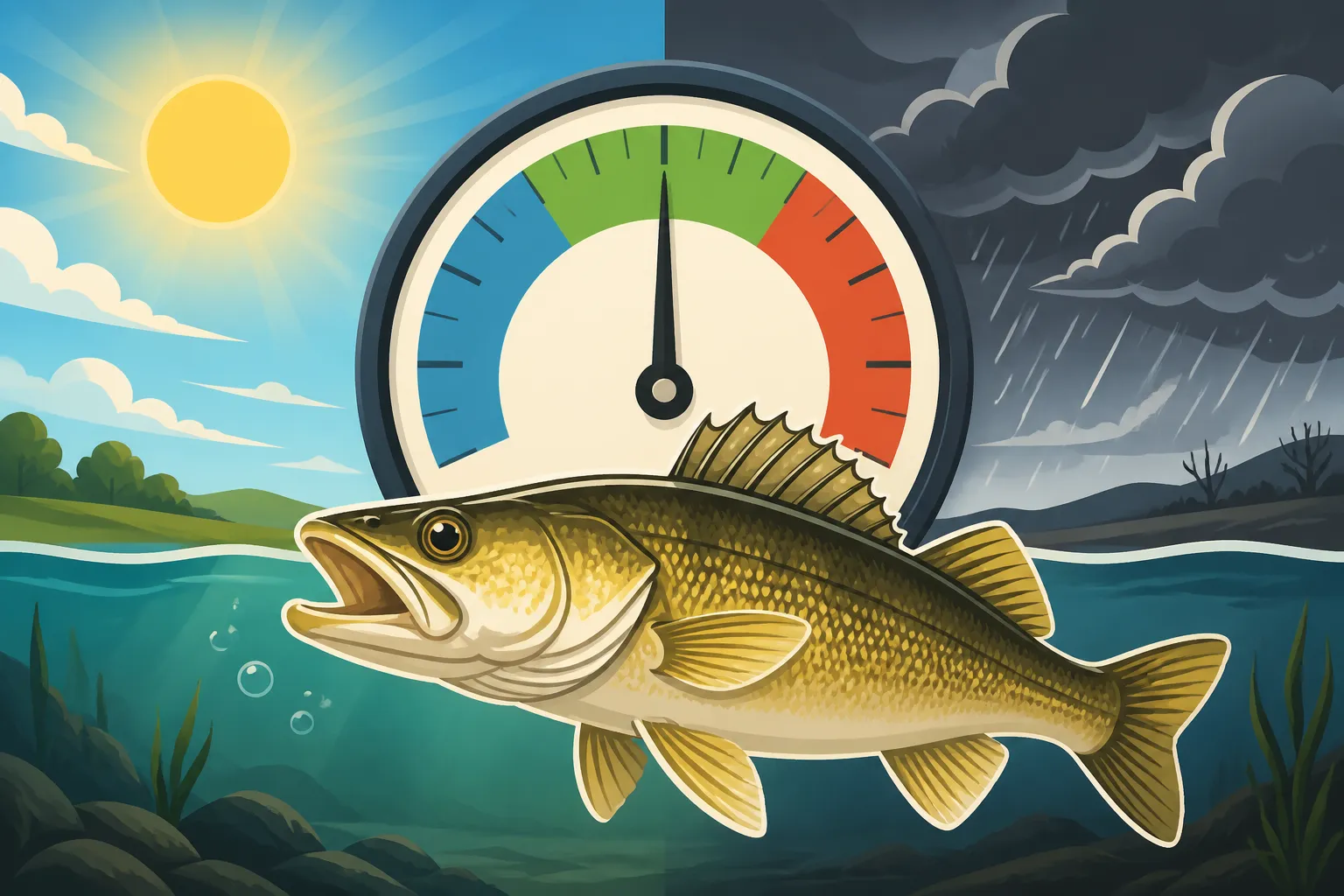
Think of barometric pressure as the atmospheric "squeeze" on the water. When the air pressure is high, the atmosphere is denser, and it pushes down harder on the water. Conversely, low pressure means less atmospheric weight, and the water is under less external compression. These changes aren't always dramatic to us on land, but to a fish living underwater, the shift can be quite significant.
This pressure isn't static; it's constantly fluctuating, driven by weather systems moving across the landscape. A big high-pressure system brings clear, calm weather, while a low-pressure system is often associated with clouds, wind, and precipitation. For fish, these changes mean adjustments in their swim bladder, the gas-filled organ that helps them maintain buoyancy. Imagine inflating or deflating a small balloon inside your body to stay at a comfortable depth – that's a bit like what a walleye's swim bladder does. Rapid or extreme changes in external pressure can make these adjustments difficult, influencing where they want to be and if they feel like eating.
Why Does Barometric Pressure Affect Walleye?
The impact of barometric pressure on walleye is primarily linked to their swim bladder and, consequently, their comfort and feeding patterns. When the pressure changes, the gas in their swim bladder expands or contracts.
For instance, when barometric pressure drops, the external pressure on the water lessens, causing the gas in a walleye's swim bladder to expand. This makes the fish more buoyant, forcing them to expend energy to swim deeper or stay at their current depth. It can be uncomfortable, making them feel "bloated" or out of sorts. This discomfort often leads them to seek shallower water where the pressure differential is less pronounced, or to simply become less active and reluctant to feed. Conversely, rising pressure compresses their swim bladder, potentially making them feel "heavy" and more inclined to rise in the water column or move into deeper areas where the water pressure offsets the increased atmospheric pressure.
Beyond just physical comfort, these pressure changes also influence the behavior of baitfish, which are a walleye's primary food source. Baitfish also react to pressure, often moving to different depths or becoming more active or lethargic. This, in turn, dictates where and how aggressively walleye will feed. Understanding these underlying mechanisms helps us connect atmospheric shifts to actual fishing tactics, which is what we're all after, right?
Identifying the "Best" Barometric Pressure for North Dakota Walleye
So, what's the magic number? While there isn't a single "perfect" barometric reading, certain trends in pressure tend to elicit more predictable walleye behavior. It's less about the absolute number and more about whether the pressure is stable, rising, or falling.
Stable High Pressure: Often the Golden Window
When a high-pressure system settles in and the weather remains clear and calm for a few days, this often signals a period of stable barometric pressure. Walleye tend to thrive in these conditions, becoming more predictable and often more active in their feeding. The consistent pressure allows their swim bladders to stabilize, making them comfortable at their preferred depths.
During these stable high-pressure periods, you'll often find walleye in their typical haunts: around structure, along breaks, and on reefs. They might not be in a frenzy, but they'll be consistently feeding. This is when your tried-and-true tactics really shine. On a big body of water like Lake Sakakawea Fishing Guide, a stable forecast means you can often find fish relating to main lake points and humps. Keep an eye on your fish finder, perhaps one from a brand like Garmin or Lowrance available on Amazon, to mark those fish relating to the bottom, and present your baits accordingly.
Falling Pressure: The Pre-Frontal Feeding Frenzy
This is perhaps the most exciting pressure trend for walleye anglers. Just before a major cold front moves in, the barometric pressure begins to fall. As the pressure drops, walleye often experience a period of intense, aggressive feeding. It's almost as if they instinctively know a storm is coming and they need to gorge themselves before conditions get tough.
During a falling pressure trend, walleye frequently move shallower and become much more active. They'll chase down bait and hit lures with an enthusiasm you don't always see. This is the time to throw aggressive presentations like crankbaits or larger jigs. If you're fishing a river system like the Red River of the North Fishing Guide, the walleye might move into shallower current breaks or along riprap banks to capitalize on easy meals. These pre-frontal bites can be short-lived but incredibly productive, so paying attention to the weather forecast is absolutely crucial. Don't miss this window!
Rising Pressure: The Post-Frontal Lockjaw
Oh, the dreaded rising pressure after a front has passed! This is often the most challenging time to catch walleye. As a high-pressure system moves in behind a cold front, the barometric pressure rises sharply and stabilizes. This sudden increase in pressure can make walleye extremely uncomfortable and lethargic. Their swim bladders are compressed, they feel "heavy," and they often retreat to deeper water or dense cover where they can escape the intense pressure.
During these post-frontal conditions, walleye often get a severe case of "lockjaw." They're less likely to chase baits and might only respond to very subtle, slow presentations. You might need to scale down your bait size, slow your retrieve to a crawl, and really work hard to entice a bite. Think finesse jigging or very slow rigging. Sometimes, even the best spots on Devils Lake Fishing Guide for North Dakota Anglers can seem completely devoid of fish during these tough periods. Patience and persistence are key, and sometimes, simply accepting it's a tough bite is part of the game.
Low, Stable Pressure: A Mixed Bag
Occasionally, a low-pressure system might linger for several days, resulting in prolonged periods of low, stable barometric pressure. These conditions can be a bit of a mixed bag for walleye fishing. The initial drop into low pressure often triggers a pre-frontal bite, but if the low pressure persists without much change, walleye might settle into a more subdued, yet consistent, feeding pattern.
In these conditions, walleye might stay slightly deeper than during high-pressure stability, seeking their comfort zone. They won't be as aggressive as during a falling pressure bite, but they can still be caught. Focus on slow, methodical presentations near bottom structure. You might find them in deeper pockets or along steep breaks. It's not usually a banner bite, but it's far from the post-frontal shutdown, offering a chance for steady action if you can locate them.
Here’s a quick overview of how different pressure systems typically influence walleye behavior:
| Barometric Pressure Trend | Walleye Behavior Outlook | Recommended Tactics |
|---|---|---|
| Stable High Pressure | Active, predictable feeding | Standard jigging, trolling, slip bobbers on structure. |
| Falling Pressure | Aggressive, pre-frontal bite | Fast retrieves, larger baits, crankbaits, covering water. |
| Rising Pressure | Lethargic, "lockjaw" | Slow, finesse presentations, vertical jigging, live bait. |
| Low, Stable Pressure | Subdued but consistent feeding | Slower presentations, deep water focus, live bait. |
Practical Tips for Using Barometric Pressure in Your Walleye Fishing Strategy
Knowing what barometric pressure does is one thing, but using that information to catch more walleye is the real goal. Incorporating pressure awareness into your fishing strategy doesn't have to be complicated.
Monitoring the Forecast Like a Pro
The first step is always knowing what the pressure is doing and what it's going to do. Forget just looking at the temperature and wind. You need to become a bit of a meteorologist yourself, at least when it comes to atmospheric pressure. Many modern weather apps include barometric pressure readings and trends. Look for apps that provide hourly forecasts so you can see if the pressure is rising, falling, or holding steady throughout the day.
For the serious angler, a portable fishing barometer can be an invaluable tool. You can find a wide range of these devices, from simple analog gauges to more advanced digital weather stations, on platforms like Amazon. Having a small barometer right in your boat or tackle box allows you to get real-time readings and observe micro-changes that might not be highlighted in a general weather forecast. This immediate feedback can help you decide whether to speed up your presentation or switch to a more subtle approach. Remember that even a slight drop of a few hundredths of an inch of mercury can signal a change in walleye mood.
Adjusting Your Approach to Pressure Changes
Once you know the pressure trend, you can adapt your North Dakota Walleye Fishing Techniques. This is where the rubber meets the road!
- Falling Pressure: When the pressure is dropping and you anticipate a pre-frontal bite, think aggressive. Walleye are often shallower and willing to chase. This is the prime time for fast-moving baits. Consider trolling crankbaits or casting and retrieving large paddle tail jigs along structure. You might even find success with shallow running baits near emergent weed lines or rocky points. Read up on Trolling Crankbaits for Walleye or Jigging for Walleye on Lake Sakakawea for some robust tactics.
- Stable High Pressure: During stable conditions, walleye are usually in their comfort zone. They'll be feeding, but often not wildly. This is when precision matters. Focus on presenting your bait directly to the fish. A classic jig and minnow, a bottom bouncer with a crawler harness, or a slip bobber rig are often highly effective. For specific bait recommendations, check out our guide on the Best Bait for North Dakota Walleye. If you're on a deep-water lake like Lake Oahe, look for them holding tight to contours.
- Rising Pressure: This is when you need to slow way down and embrace finesse. Walleye will be lethargic and often hugging the bottom or dense cover. Consider vertical jigging small jigs, slow-dragging live bait rigs, or dead-sticking minnows. Light line and a sensitive rod are crucial for detecting those barely-there bites. Focus on precise presentations; put the bait right on their nose. Learning How to Fish a Jig and Minnow Combo effectively can make all the difference in these challenging conditions.
- Low, Stable Pressure: With consistent low pressure, walleye might be catchable, but they won't be charging your lures. Focus on slightly deeper water, near the bottom. Use moderate retrieve speeds and baits that offer a good profile but aren't overly aggressive. Consider slow rolling spinnerbaits or casting lipless crankbaits, allowing them to hit bottom frequently.
Don't Forget Other Factors
While barometric pressure is a powerful influence, it's just one piece of the puzzle. Never let it be the only factor in your decision-making. Other elements like water temperature, wind, light conditions, and time of day all play significant roles in walleye behavior. For example, even with perfect falling pressure, if the water temperature is too cold during Early Spring Walleye Techniques in North Dakota, the fish might still be sluggish.
Wind, for instance, can often create a walleye chop that breaks up light penetration and pushes baitfish, creating excellent feeding conditions regardless of minor pressure shifts. Understanding Best Wind Conditions for Walleye Fishing can further enhance your strategy. Similarly, major fishing periods like the spring Ice-Out Timing in North Dakota or the fall migration will still draw walleye to certain areas, though pressure will influence their willingness to bite. Combine your knowledge of barometric pressure with these other variables for the most complete and effective fishing strategy on North Dakota's diverse waters. And if you're using electronics, remember that mastering Best Fish Finder Settings for Walleye can help you locate those pressure-influenced fish no matter what the barometer says.
Disclaimer
This article is for general informational purposes only and does not constitute professional advice. Laws, prices and regulations vary by location and change over time. Consult a qualified professional for guidance on your specific situation.