Registering an Out-of-State Boat in North Dakota
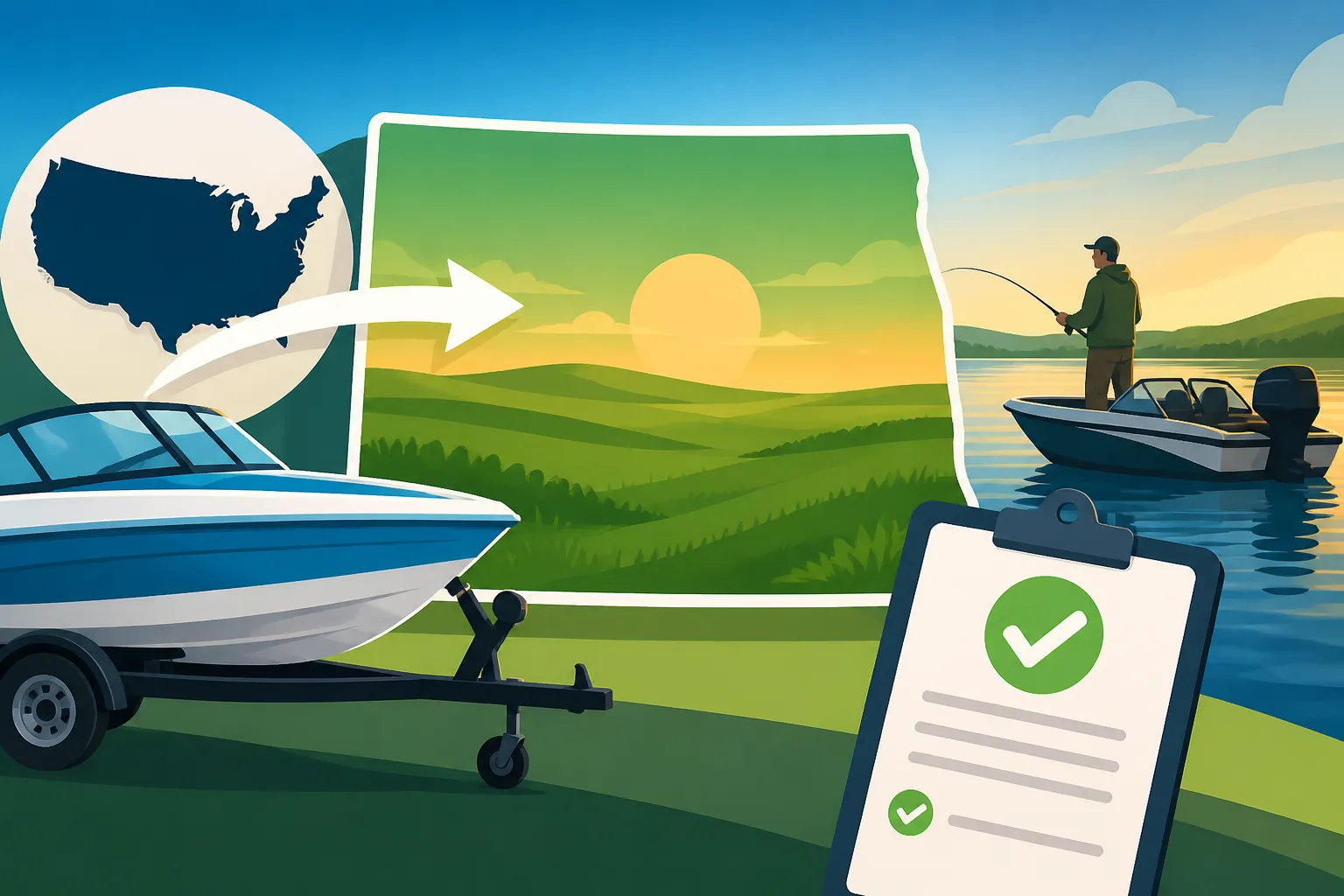
Bringing your boat to North Dakota, whether for a quick summer vacation or a permanent move, comes with its own set of rules and requirements that can feel a bit overwhelming at first glance. Many folks assume their current out-of-state registration will cover them indefinitely, only to find themselves confused or, worse, facing a hefty fine. This comprehensive guide will walk you through everything you need to know about registering an out-of-state boat in North Dakota, ensuring you can enjoy our beautiful waters legally and without a hitch.
Understanding North Dakota's Boat Registration Requirements for Out-of-State Vessels
Navigating the waters of boat registration can feel like trying to read a complex map in a fog, especially when you're dealing with different state regulations. It's not always as simple as "if it's registered somewhere, it's good everywhere." North Dakota has specific rules that determine when an out-of-state boat needs to get a local registration, and understanding these is the first step to staying compliant.
The 90-Day Rule Explained for Non-Residents
For those of you who are just visiting North Dakota, perhaps for an extended fishing trip on Lake Sakakawea or exploring the Missouri River, there's a common misconception about how long your out-of-state registration remains valid. North Dakota implements what's often referred to as the "90-day rule." This means that if your boat is properly registered in another state and that state's registration remains valid, you can operate it on North Dakota waters for up to 90 consecutive days without needing to register it here. Think of it as a grace period for tourists and temporary visitors.
However, this 90-day window isn't a "roll-over" period or something you can reset by simply pulling your boat out of the water for a day. It refers to consecutive days of use within the state. If you bring your boat to Devils Lake for a week in June, take it home, and then bring it back for another two weeks in August, those days accumulate towards that 90-day total within a calendar year. The intent is to allow visitors to enjoy the state's resources without undue burden, but for those with longer stays or frequent visits, it's crucial to keep track. Once you hit that 90-day mark, even if your home state registration is still perfectly valid, you'll need to get your boat registered in North Dakota. It's designed to ensure that those who are consistently using North Dakota's waterways contribute to their maintenance and regulation.
When Moving to North Dakota Triggers Immediate Registration
The 90-day rule is primarily for non-residents. If you're making a permanent move and becoming a resident of North Dakota, the rules shift considerably. When you establish residency in North Dakota, your boat, regardless of its previous out-of-state registration, immediately falls under North Dakota's registration requirements. There isn't a grace period or a 90-day allowance in this scenario. It's considered similar to registering a new boat that was just purchased.
Establishing residency typically means you've moved your primary dwelling, changed your driver's license, registered your vehicles in North Dakota, or declared your intent to live here permanently. Once you're officially a North Dakota resident, your out-of-state boat registration is no longer sufficient for operating on state waters. The expectation is that you will initiate the North Dakota boat registration process as soon as possible after becoming a resident. This ensures that the boat is properly documented within the state's system, allowing for proper identification, tax collection (if applicable), and adherence to local regulations. It's a key part of becoming a full-fledged North Dakota boating enthusiast!
What Constitutes "Primary Use" in North Dakota Waters
Beyond the 90-day rule for non-residents and immediate registration for new residents, there's the concept of "primary use" that can also trigger North Dakota registration requirements. Even if you're not a North Dakota resident, but your boat is primarily used or kept within the state, it may need to be registered here. This often comes into play for individuals who might own property in North Dakota, perhaps a cabin on Lake Oahe, and keep their boat there year-round, only visiting on weekends or holidays.
"Primary use" can be a bit subjective, but generally, if your boat spends more time in North Dakota waters or stored in North Dakota than it does in your home state, the North Dakota Game and Fish Department (NDGFD) expects it to be registered here. This is designed to prevent scenarios where boats are essentially permanent fixtures in North Dakota, benefiting from state resources and services, without contributing to the registration system. It's about fairness and ensuring that all boats regularly utilizing North Dakota's aquatic resources are accounted for. This also ties into important initiatives like aquatic nuisance species (ANS) prevention, as consistent local registration helps ensure all vessels comply with local decontamination efforts. When in doubt, it's always best to contact the NDGFD directly for clarification on your specific situation.
The Step-by-Step Process for Registering Your Out-of-State Boat
Once you've determined that your out-of-state boat needs to be registered in North Dakota, the next step is to actually get it done. While it might seem like a daunting bureaucratic task, breaking it down into manageable steps makes the process much smoother. With a little preparation, you'll have those North Dakota decals on your boat in no time.
Gathering Your Essential Documents Before You Begin
Before you even fill out an application, the most critical part of the process is gathering all the necessary paperwork. This is where most delays happen, so being prepared can save you a lot of headaches. You'll generally need several key documents to complete the registration of your out-of-state vessel.
First and foremost, you'll need your current out-of-state boat registration certificate. This proves that the boat was legally registered in another jurisdiction and provides essential information like the hull identification number (HIN), make, model, and current owner details. Without this, the NDGFD won't have the necessary proof of ownership and prior registration history.
Secondly, you will need proof of ownership. This is typically the certificate of title for your boat. Many states title boats, similar to cars. If your boat was titled in another state, you must provide that title. North Dakota has specific North Dakota Watercraft Title Requirements, and understanding the "Difference Between Boat Registration and Boat Title in North Dakota" is crucial here. If your previous state did not issue titles for boats (some smaller vessels or older boats might fall into this category), then you'll need a bill of sale or other verifiable proof of purchase. Make sure the bill of sale clearly identifies the buyer, seller, boat (including HIN), sale date, and purchase price. If you don't have these, you may need to apply for a title in North Dakota first, which can add an extra layer to the process.
Lastly, you’ll also need valid identification for yourself, the applicant. This could be your North Dakota driver's license if you're a new resident, or another form of government-issued ID. Having all these documents organized in a folder or a waterproof pouch (like those often found on Amazon for outdoor activities) will make the application process much more efficient.
Completing the North Dakota Boat Registration Application
With your documents in hand, the next step is to complete the official North Dakota Boat Registration application form. This form is typically available on the North Dakota Game and Fish Department (NDGFD) website or at their various offices and some licensing vendors. It's imperative to fill out this form accurately and completely to avoid any processing delays.
The application will ask for detailed information about your boat, including its make, model, year, length, hull identification number (HIN), and the type of propulsion (e.g., inboard, outboard, sail). You'll also need to provide personal information as the owner, such as your full name, address, and contact details. It's a good idea to double-check the HIN against your title and registration to ensure there are no transcription errors. A single wrong digit can cause significant delays. If you're also registering a motor, especially if it's new or was acquired separately, you'll need its serial number and other identifying details. Some parts of the form might require information about the primary use of the boat and where it will be kept, which helps the NDGFD categorize and manage the state's boating fleet.
Remember, if you're a new resident, ensure your North Dakota address is clearly indicated. If you're registering a previously used boat, you'll also indicate its prior state of registration. Take your time, read each section carefully, and don't hesitate to consult the NDGFD's online resources or call them if you have any questions about specific fields. Accuracy is key to a smooth "North Dakota New Boat Registration Deadline" experience.
Submitting Your Application and Receiving Your Decals
Once your application is meticulously filled out and all your supporting documents are ready, it's time for submission. The North Dakota Game and Fish Department offers a few ways to submit your registration paperwork. The most common methods are mailing it in or submitting it in person at the main NDGFD office in Bismarck or at certain vendor locations authorized to process registrations.
When submitting by mail, ensure you send copies of your supporting documents – never the originals unless specifically requested and you've made copies for your own records. Include a check or money order for the total registration fees. If submitting in person, you might be able to pay with a card, but it's always wise to confirm payment options beforehand. After successful submission and processing, the NDGFD will issue your new North Dakota boat registration certificate, along with the required decals. These decals are crucial as they must be visibly affixed to your boat according to specific regulations. The registration number issued by North Dakota must be painted or permanently attached to the forward half of the boat on both sides, in block letters at least three inches high, contrasting with the background color. The validation decals indicating the current registration period are then placed within six inches immediately to the rear of the registration number. This ensures that law enforcement can easily verify your boat's compliance on the water. Proper display is just as important as the registration itself, as penalties can apply for incorrect decal placement.
Navigating the Costs and Fees Associated with Out-of-State Boat Registration
Let's be honest, nobody likes unexpected costs, especially when it comes to something as enjoyable as boating. When you're registering an out-of-state boat in North Dakota, it's not just about filling out forms; there are fees involved. Understanding these costs upfront helps you budget accordingly and ensures there are no surprises during the process.
Understanding the Basic Registration Fee Structure
The primary cost you'll encounter when registering your boat in North Dakota is the registration fee itself. Unlike some states that might base fees on horsepower or age, North Dakota's boat registration fees are primarily determined by the length of your vessel. The longer the boat, the higher the fee, which makes sense as larger boats generally have a greater impact on waterways and require more resources to manage.
For instance, the "Cost to Register a Boat Under 16 Feet in North Dakota" will be significantly less than for a much larger vessel. This tiered structure aims to be fair across the diverse range of boats found on North Dakota's lakes and rivers, from small fishing boats and kayaks to substantial cruisers on Lake Sakakawea. These fees contribute directly to the management, maintenance, and enforcement of boating laws across the state. They help fund boat ramp improvements, waterway signage, and the vital work of game wardens. The registration is typically valid for three years, so while the upfront cost might seem like a lump sum, it covers you for a decent period, meaning you won't have to worry about it annually. The current "North Dakota Boat Registration Fees by Size" are published by the NDGFD and are subject to change, so it's always best to check their official website for the most up-to-date schedule.
The Aquatic Nuisance Species ANS Fee and Why It Matters
Beyond the standard registration fee, there's another crucial charge that every boat owner in North Dakota must contend with: the Aquatic Nuisance Species (ANS) fee. This fee is not just an add-on; it's a vital component of North Dakota's proactive efforts to protect its pristine waterways from devastating invasive species like zebra mussels, Asian carp, and quagga mussels. These species can wreak havoc on ecosystems, clog infrastructure, and severely impact fishing and recreational opportunities.
The ANS fee, which is added to your total registration cost, directly funds inspection stations, public awareness campaigns, rapid response teams, and research aimed at preventing the introduction and spread of these harmful species. North Dakota takes its ANS prevention very seriously, and for good reason—the economic and ecological consequences of an unchecked invasion could be catastrophic. As a boat owner, you also have a personal responsibility to help prevent the spread of ANS by cleaning, draining, and drying your vessel before moving it between bodies of water, which is a key aspect of the "Aquatic Nuisance Species Rules for Boaters." This fee ensures the state has the resources to back up those individual efforts. Think of it as an investment in the future of North Dakota fishing; the small fee helps protect the very resources we all enjoy.
Potential Additional Costs and Where to Find Up-to-Date Information
While the basic registration fee and the ANS fee are the two main components, there can be other potential costs or fees depending on your specific situation. For example, if your boat was previously titled in another state and you need to obtain a new North Dakota title, there will be a separate titling fee. This titling process is distinct from registration and confirms legal ownership. You might also encounter fees for duplicate decals or registration cards if yours are lost or damaged. If you use a third-party vendor to assist with your registration, they might charge a small service fee.
It's also worth noting that if you're purchasing an out-of-state boat and bringing it into North Dakota, you may be subject to North Dakota sales tax on the purchase price, if it hasn't been paid in another state or reciprocity agreements don't apply. This isn't strictly a registration fee but a related cost to consider for new acquisitions. To ensure you have the most accurate and current information on all potential costs, always consult the official North Dakota Game and Fish Department website or contact their licensing division directly. Their website is regularly updated with the latest fee schedules, application forms, and detailed explanations of all requirements. Avoid relying on outdated information from other sources, as regulations and fees can change. Having a clear understanding of all costs involved will make your out-of-state boat registration process much smoother.
Special Considerations and Common Scenarios for Out-of-State Boaters
Registering a boat isn't always a one-size-fits-all process, especially when dealing with vessels that originated in another state. There are particular scenarios that can arise, from purchasing a new-to-you boat to specific types of vessels that have different requirements. Understanding these nuances can save you time and prevent headaches.
Registering a Newly Purchased Out-of-State Boat
If you've just bought a boat from an individual or a dealership outside of North Dakota, and you intend to use it primarily or permanently in North Dakota, the registration process will have a slightly different flavor. Your immediate priority, beyond arranging transport, should be securing all documentation from the sale. This typically includes a signed and dated bill of sale, clearly listing the boat's details (HIN, make, model, year) and the purchase price. If the boat was previously titled in the selling state, you must obtain the signed-over title certificate from the seller. This is your proof of ownership and is critical for both titling and registering the boat in North Dakota.
Once you have these documents, you'll apply for a North Dakota title in your name, if one is required for your vessel type and length, and then simultaneously or immediately after, apply for registration. The NDGFD uses the title to confirm legal ownership before issuing a registration. Be mindful of deadlines; while there might not be an immediate "North Dakota New Boat Registration Deadline" in the same way as a car, it's prudent to get the process started promptly. Also, remember that the "Aquatic Nuisance Species Rules for Boaters" apply to newly acquired vessels as well. Ensure the boat is clean, drained, and dry before you launch it into any North Dakota water body for the first time.
Handling Previously Titled Boats from Other States
Many out-of-state boats coming to North Dakota will have been previously titled in another state. The process for these vessels is generally straightforward, provided you have the original title. When you apply for North Dakota registration and titling (if required), you'll submit your out-of-state title along with your application. The NDGFD will then process this, cancel the out-of-state title, and issue a new North Dakota title in your name. This officially transfers the legal ownership record to North Dakota.
It’s important to understand the "Difference Between Boat Registration and Boat Title in North Dakota." Registration is about the right to operate the vessel on public waters, while the title is definitive proof of legal ownership. For previously titled boats, it's essentially a state-to-state ownership transfer. If you've lost the original out-of-state title, the process can become more complex, potentially requiring you to obtain a duplicate title from the original state before North Dakota will process your application. This can add significant time and hassle, so always safeguard your boat's title certificate. If your boat was from a state that does not title certain vessels, such as very small or older boats, you'll need to rely on a comprehensive bill of sale and possibly a "Boat Affidavit of Ownership" from the NDGFD to establish clear ownership for registration purposes.
Exceptions and Exemptions for Certain Vessels
While most motorized boats and larger sailboats need to be registered, there are some specific exceptions and exemptions to North Dakota's boat registration requirements. Understanding these can prevent you from unnecessarily going through the registration process.
Generally, any non-motorized vessel, such as canoes, kayaks, stand-up paddleboards, and rowboats, is not required to be registered in North Dakota, regardless of whether it's from out-of-state or locally owned. This is great news for paddle sport enthusiasts who want to explore our tranquil waters. So, if you're planning a trip to Devils Lake with your kayak, you likely won't need to worry about the hassle of "Do Kayaks Need to Be Registered in North Dakota?" and can focus on enjoying the scenic beauty. However, even these vessels are still subject to safety regulations, such as carrying a life jacket for each person on board. Also, if you later decide to add a trolling motor to your kayak, that would typically trigger the registration requirement.
Another common exemption is for boats solely used on private waters that are not connected to public waterways. If your boat only ever sees action on a private pond that has no inlet or outlet to a public stream or lake, then it typically doesn't need to be registered. Furthermore, boats documented with the U.S. Coast Guard, usually commercial vessels or very large recreational yachts, are also exempt from state registration but have their own federal documentation requirements. For all other recreational vessels, especially those with motors, assume registration is required unless you can definitively confirm an exemption with the NDGFD.
Why Proper Registration Matters: Consequences of Non-Compliance
It's easy to think of boat registration as just another piece of bureaucratic red tape, but it serves some incredibly important functions, both for the state and for you as a boater. Ignoring these requirements, especially for an out-of-state vessel, can lead to much more than just a minor inconvenience. The consequences of not properly registering your boat in North Dakota can range from financial penalties to legal troubles, not to mention a disruption of your planned fun on the water.
Fines and Legal Penalties for Unregistered Vessels
Operating an unregistered boat on North Dakota's public waters is a violation of state law, and game wardens and other law enforcement officials are vigilant in enforcing these regulations. If you're stopped and your boat is found to be improperly registered, or not registered at all when it should be, you'll face fines and potentially other legal penalties. These fines are not insignificant and can quickly add up, often exceeding the cost of registration itself. It's an expense that could easily be avoided with a bit of planning.
Beyond the immediate financial hit, an unregistered boat can lead to other complications. Law enforcement might require you to remove your boat from the water until proper registration is secured, effectively ending your fishing trip or recreational outing prematurely. In more severe or repeated cases, there could even be a temporary impoundment of your vessel, which would involve additional fees for towing and storage. These penalties aren't put in place to punish boaters, but rather to ensure safety on the water, aid in law enforcement (e.g., identifying vessels involved in accidents or environmental violations), and ensure that all users contribute to the upkeep of North Dakota's valuable aquatic resources. Always make sure your registration is current and correctly displayed to avoid these unwelcome surprises.
The Importance of Displaying Your Registration Decals Correctly
It's not enough to simply have a valid North Dakota boat registration; you must also properly display the registration number and decals on your vessel. The North Dakota Game and Fish Department has clear guidelines for how these are to be affixed, and adhering to them is crucial for compliance. The registration number, consisting of two letters, four numbers, and two letters (e.g., ND 1234 AB), must be painted or permanently attached to the forward half of the boat on both sides. The numbers and letters must be in block characters, at least three inches high, and in a color that contrasts sharply with the background, making them easily legible from a distance.
The validation decals, which indicate the current registration period, must be placed within six inches immediately to the rear of the registration number on both sides of the vessel. Think of them as the license plate sticker for your car. These decals allow law enforcement to quickly see that your registration is current without having to stop and board your vessel for inspection. Incorrect placement, obscured decals, or missing decals can result in a citation, even if your registration is technically valid. It's a simple, visual check for compliance that makes everyone's job easier, from game wardens to boat ramp operators. Double-check your boat before you launch to ensure everything is visible and correctly positioned.
Ensuring Your Boat is Always Legal and Safe on North Dakota Waters
Proper registration is more than just avoiding fines; it's a fundamental part of ensuring your boat is legal and contributes to a safer boating environment for everyone on North Dakota waters. An unregistered boat is an unknown quantity in terms of state records, making it harder to track in emergencies, trace after theft, or identify in the event of an accident. The registration system provides a critical database that supports search and rescue operations, investigations, and the overall management of recreational boating.
Furthermore, being fully compliant with registration means you're actively participating in the state's efforts to protect its natural resources. The Aquatic Nuisance Species (ANS) fee, directly tied to registration, is a prime example of this. By paying that fee, you're helping to fund crucial programs that keep our lakes and rivers healthy and free from invasive species, which ultimately benefits your own fishing and boating experiences. Staying up-to-date with your registration also means you're more likely to receive important communications from the NDGFD regarding changes in regulations, safety advisories, or important conservation initiatives. Ultimately, responsible boating starts with ensuring your vessel is properly registered, titled, and maintained in accordance with all North Dakota requirements.
Tips for a Smooth Registration Process and Enjoying North Dakota Waters
Getting your out-of-state boat registered in North Dakota doesn't have to be a source of stress. With a bit of proactive planning and knowing where to find help, you can navigate the process efficiently. Beyond the initial registration, there are also ongoing responsibilities and resources that will help you enjoy North Dakota's diverse waterways for years to come.
Best Practices for Maintaining Your Boat Registration
Once your boat is officially registered in North Dakota, your responsibilities don't end there. Maintaining valid registration is an ongoing commitment. First and foremost, keep your registration certificate in a safe, dry, and easily accessible place on your boat whenever you're on the water. Many anglers use waterproof document bags, which you can find readily on Amazon, to protect important papers like their "North Dakota Fishing License Guide" and boat registration. It's not uncommon for game wardens to ask to see it during routine checks.
Secondly, pay close attention to the expiration date. North Dakota boat registrations are typically valid for three years. You'll usually receive a renewal notice in the mail well before the expiration, but it's ultimately your responsibility to ensure timely renewal. Mark your calendar! Renewing your registration, whether online, by mail, or in person, is a straightforward process, but missing the deadline can lead to penalties. Understanding the "North Dakota Boat Registration Renewal Period 2026 to 2028" will help you plan ahead. If your contact information changes (e.g., you move), notify the NDGFD promptly to ensure you receive renewal notices and other important communications. Finally, if you ever sell your boat, remember to properly transfer the title and notify the NDGFD of the change in ownership to avoid any lingering responsibilities.
Resources for North Dakota Boaters
Navigating the rules and opportunities of North Dakota boating is much easier when you know where to turn for information and assistance. The North Dakota Game and Fish Department (NDGFD) is your primary and most reliable resource. Their official website is a treasure trove of information, offering details on everything from specific "North Dakota Fishing Regulations Explained" to detailed guides on "North Dakota Boat Registration Requirements." You'll find downloadable application forms, current fee schedules, and answers to frequently asked questions.
Beyond the website, the NDGFD maintains offices throughout the state, and their licensing division is always available to answer specific questions over the phone. Don't hesitate to call if you're unsure about a particular regulation or aspect of the registration process. Additionally, local marinas, bait shops, and sporting goods stores (like Scheels or even the outdoor section of some larger retailers) can often provide basic information, sell fishing licenses, and sometimes even assist with registration paperwork. They are excellent community hubs for local tips and resources. For any safety concerns or questions, the North Dakota Parks and Recreation Department also offers boating safety courses and resources that are highly recommended for all boaters, especially those new to the state's waters.
Preparing Your Boat for North Dakota's Diverse Waters
Beyond the paperwork, getting your out-of-state boat ready for North Dakota's unique aquatic environments is essential. Our state offers everything from massive, windswept reservoirs like Lake Sakakawea to flooded timber in Devils Lake and the winding currents of the Missouri and Red Rivers. Each presents its own challenges and requires specific considerations for your vessel and gear.
Firstly, familiarize yourself with "Best Boats for North Dakota Lakes" if you're thinking about future upgrades, but for your current vessel, consider a thorough check-up. Ensure your engine is in top condition to handle varied conditions, and that your safety gear is complete and up to par. This includes life jackets for everyone on board, a throwable flotation device, a sound-producing device (like a horn or whistle), navigation lights, and a fire extinguisher. You can find comprehensive "Essential Gear Checklist for North Dakota Fishing" on the NDGFD website or from experienced local anglers.
Secondly, and critically important, is preparing for Aquatic Nuisance Species (ANS) prevention. Even if your boat is freshly registered in North Dakota, you still need to "Clean, Drain, Dry" your boat after every outing, especially when moving between different lakes or rivers. This means removing all weeds and debris, draining livewells, bilges, and transoms, and ensuring your boat is completely dry before its next launch. These simple steps, along with understanding "What the Aquatic Nuisance Species Fee Covers for a Boat," are paramount to protecting our precious waterways and ensuring that future generations can enjoy the same fantastic fishing and boating opportunities we do today.
Disclaimer
Please note that the information provided in this guide is intended for general informational purposes only and is not a substitute for official legal advice or the current regulations published by the North Dakota Game and Fish Department. Laws and regulations can change, and it is always the boat owner's responsibility to verify all requirements with the official governing body before operating a vessel on North Dakota waters.