North Dakota Fishing Tournament Permit Requirements
Organizing a fishing tournament in North Dakota can feel like navigating a maze of paperwork and rules, often leaving well-intentioned organizers frustrated and unsure where to begin. You want to host a great event, but the last thing anyone needs is a run-in with the North Dakota Game and Fish Department (NDG&F) for a preventable oversight. This comprehensive guide will walk you through the precise requirements for obtaining a North Dakota fishing tournament permit, ensuring your event runs smoothly and legally, protecting both your participants and the state's precious fishery resources.
Understanding North Dakota Fishing Tournament Regulations
When you're planning a fishing tournament in North Dakota, it's not just about finding a great lake and setting up a weigh-in station. There's a whole framework of regulations designed to protect our natural resources and ensure fair play for all anglers. Trying to ignore these rules can lead to significant headaches, fines, or even the cancellation of your event.
Why Permits are Necessary
The North Dakota Game and Fish Department doesn't just issue permits to be bureaucratic; these regulations are in place for several crucial reasons. First and foremost, permits help the state manage and conserve its fish populations. By knowing when and where tournaments are happening, the NDG&F can track fishing pressure, monitor specific species, and ensure that tournaments aren't putting undue stress on certain areas or fish stocks. Imagine if every weekend, multiple large tournaments descended upon a single bay during a critical spawning period – without oversight, this could severely impact the fishery for years to come. The permit system allows for coordination, preventing overcrowding and minimizing ecological impact.
Beyond conservation, permits also serve to maintain fairness and safety. They help prevent conflicts between multiple events on the same body of water, and they ensure that all participants are adhering to the same set of rules, creating a level playing field. Furthermore, the permit application often includes details about safety plans, which is vital when you have numerous boats and anglers concentrated in one area. It's about responsible stewardship, really, making sure our incredible fishing opportunities remain vibrant for generations of anglers.
Defining a Fishing Tournament in North Dakota
It's important to understand what actually constitutes a fishing tournament in the eyes of the North Dakota Game and Fish Department. Not every friendly fishing get-together with a prize is considered a formal tournament. Generally, the NDG&F requires a permit for any organized fishing event where participants compete for prizes, awards, or recognition, and where fish are weighed, measured, or otherwise scored to determine winners. This can include anything from large, multi-day professional circuits to smaller, local club events.
For example, if you're hosting a bass tournament on Lake Audubon where anglers bring their catch to a central weigh station for scoring, that definitely requires a permit. Similarly, a walleye derby on Devils Lake with cash prizes and a leaderboard would also fall under the tournament definition. However, a casual family fishing outing where everyone just enjoys the day and maybe hands out a novelty prize for "biggest fish" without formal scoring mechanisms typically wouldn't require a permit. The key is the organized, competitive element with a defined scoring system and often, an entry fee or prizes. If you're ever in doubt, it's always best to contact the NDG&F directly to clarify whether your specific event needs a permit.
The Role of the NDG&F Department
The North Dakota Game and Fish Department is the primary authority responsible for overseeing and regulating all fishing activities within the state, and that includes tournaments. Their role is multifaceted, encompassing everything from conservation and research to enforcement and education. When it comes to fishing tournaments, the NDG&F reviews permit applications, sets specific conditions for each event, and provides guidance to organizers. They are the gatekeepers, ensuring that tournaments align with the broader goals of preserving North Dakota's aquatic ecosystems.
They don't just approve or deny applications; they often work with organizers to adjust plans, recommend best practices, and offer advice on everything from fish handling to avoiding sensitive areas. For instance, if you're planning an event on the Missouri River, they might advise on specific zones to avoid during certain times of year due to fish spawning or habitat protection. They also publish the official North Dakota Fishing Regulations Explained, which is an invaluable resource that tournament organizers should consult regularly. It's not an adversarial relationship; it's a partnership aimed at ensuring sustainable and enjoyable fishing for everyone.
Step-by-Step Guide to Applying for a Tournament Permit
Applying for a North Dakota fishing tournament permit requires a methodical approach. It’s not something you can just slap together a week before your event. There’s a specific process, and understanding each step will save you a lot of stress down the line. Missing deadlines or incomplete information is a common reason for delays or even denials, so attention to detail is paramount.
Gathering Required Information
Before you even think about filling out a form, you need to have all your ducks in a row. The NDG&F permit application will typically ask for a host of specific details about your tournament. This includes the exact dates and times of the event, the specific body of water or waters you plan to use, and a detailed description of the species you'll be targeting. You'll also need to provide information about the tournament organizer, including contact details, and sometimes even proof of insurance, especially for larger events.
Beyond the basics, you'll need to outline your fish handling plan. How will you keep the fish alive and healthy after they're caught? What are your weigh-in procedures? Do you have livewells? What is your plan for releasing fish after the weigh-in? This is where conservation truly comes into play, as the NDG&F wants assurances that fish mortality will be minimized. You'll also need to provide details about any prizes, entry fees, and the estimated number of participants. Having all this information compiled in advance, perhaps in a master document, will make the application process much smoother. You might even want to check out the North Dakota Game and Fish website for a copy of the official Fishing Proclamation, which outlines general fishing rules, as well as the specific tournament permit application form. Many organizers find it helpful to review a sample application or a detailed checklist provided by the NDG&F, often found on their official website, before diving in. Sometimes, you can find supplementary educational materials about proper fish handling on sites like Amazon, which can further prepare you.
The Application Process and Deadlines
Once you've gathered all your information, it's time to actually submit the application. Most often, this will involve filling out a form provided by the North Dakota Game and Fish Department, which can usually be downloaded directly from their website. Pay close attention to every field and provide accurate, complete information. Incomplete applications are a major cause of delays. After completing the form, you'll typically submit it via mail or, increasingly, through an online portal if one is available. It’s always a good idea to keep a copy of your submitted application for your own records.
Now, here's the critical part: deadlines. The NDG&F typically requires tournament permit applications to be submitted well in advance of the event date. This allows them ample time to review your application, coordinate with other scheduled events, and potentially request additional information or modifications. For example, many state agencies require applications to be submitted 30, 60, or even 90 days before the tournament. Failing to meet these deadlines could mean your permit won't be approved in time, forcing you to reschedule or cancel your event. Always double-check the current year's deadlines directly with the NDG&F or on their official website. For instance, if you’re planning a spring walleye tournament, you might need to apply in the late fall or early winter of the preceding year.
Special Considerations for Large Events
While smaller, local tournaments might have a relatively straightforward application process, larger events—especially those with a significant number of participants, high prize money, or that span multiple days or bodies of water—often come with additional layers of scrutiny and requirements. The NDG&F wants to ensure that these events, which can have a more substantial impact, are managed with the utmost care and responsibility.
For big tournaments, you might be asked to provide a more detailed environmental impact statement, outlining how you plan to mitigate any potential negative effects on the fishery or surrounding environment. You might also need a more robust emergency plan, covering everything from medical incidents to severe weather. Collaboration with local law enforcement or emergency services could be a requirement. Furthermore, larger events might necessitate a pre-tournament meeting with NDG&F staff to review your plans in detail and discuss any specific concerns they may have. Don't be surprised if they request a comprehensive public relations plan or specific community engagement strategies for events that draw a large crowd. They might also impose additional conditions, such as specific off-limits areas, limits on boat numbers, or even mandatory educational components for participants on topics like Aquatic Nuisance Species.
Key Rules and Responsibilities for Tournament Organizers
Being a tournament organizer isn't just about handing out prizes; it comes with significant responsibilities. You're not only representing your event but also setting an example for all participants in terms of sportsmanship and conservation. Adhering to the specific rules and understanding your duties is crucial for a successful and compliant tournament.
Fish Handling and Conservation Guidelines
One of the most important aspects of any fishing tournament, particularly catch-and-release events, is proper fish handling. The NDG&F places a strong emphasis on minimizing fish stress and mortality. As an organizer, it's your responsibility to ensure that all participants understand and follow best practices. This includes promoting the use of livewells with adequate aeration, proper landing nets that are fish-friendly (rubberized, knotless nets are often recommended and can be easily found on platforms like Amazon), and techniques for quickly and carefully removing hooks.
Tournament organizers should clearly communicate guidelines such as limiting the time fish spend out of water, proper techniques for weighing and measuring, and prompt release back into their habitat. Some tournaments even mandate certain types of hooks, like single, barbless hooks, to reduce injury. For instance, when dealing with sensitive species like walleye, minimizing handling and ensuring optimal water temperature in livewells are key. You might also need to have a plan for any fish that do not survive, which often involves donating them to charity or a local food bank, as per NDG&F guidelines. Proper education on how to keep fish healthy can significantly improve post-release survival rates, reflecting positively on the tournament's commitment to conservation.
Weigh-In Procedures and Culling Rules
The weigh-in is often the most exciting part of a tournament, but it’s also a critical point for ensuring fairness and fish welfare. Tournament permits will often include specific guidelines for weigh-in procedures. This might involve using certified scales, having designated weigh-masters, and implementing clear protocols for bringing fish from boats to the scale. The goal is accuracy and efficiency, reducing the stress on the fish.
Culling rules are another significant area. Culling refers to the practice of replacing a smaller fish in a livewell with a larger one caught later in the day, to maintain the maximum allowed limit of fish in a participant's possession. While common in some bass tournaments, North Dakota has strict rules regarding culling. You'll need to know the specific regulations for the species being targeted. For example, in North Dakota, the act of "culling" fish from a livewell is often only permitted under very specific circumstances or for certain species, and sometimes even prohibited entirely during specific times of the year or on certain bodies of water. Anglers must always adhere to the daily possession limits for all species, even during a tournament. Reviewing the North Dakota Walleye Size Limit Rules and other species-specific regulations is essential to avoid penalties. Any non-compliance here can lead to disqualification for participants and issues for the tournament organizer. It's crucial that these rules are clearly communicated to all anglers before the tournament begins.
Reporting Requirements After the Tournament
Your responsibilities as a tournament organizer don't end when the last prize is awarded. The NDG&F typically requires a post-tournament report. This report is vital for their data collection and ongoing fisheries management efforts. It usually includes details such as the total number of participants, the number of fish caught, their weights and lengths, the number of fish released, and any reported mortalities. You might also be asked to provide details about specific angler complaints or rule infractions.
This data helps the NDG&F assess the impact of the tournament, identify trends in fish populations, and inform future management decisions. It’s an integral part of the conservation cycle. Failing to submit this report on time or providing incomplete information can jeopardize your ability to obtain permits for future events. Think of it as your final accountability step, demonstrating your commitment to responsible tournament fishing. The NDG&F uses this information to understand overall fishing pressure and trends, which directly influences decisions about stocking, regulations, and habitat enhancement efforts.
Common Pitfalls and How to Avoid Them
Even the most experienced tournament organizers can sometimes stumble into common pitfalls. North Dakota's diverse waters and dynamic regulations mean that staying informed and proactive is key. Knowing where others often go wrong can help you steer clear of similar issues.
Overlooking Aquatic Nuisance Species (ANS) Compliance
One of the biggest concerns for fisheries managers in North Dakota, and across the country, is the spread of Aquatic Nuisance Species (ANS), such as zebra mussels and Eurasian watermilfoil. These invasive species can devastate native ecosystems and fishing opportunities. As a tournament organizer, you have a crucial role in preventing their spread. Your permit will almost certainly include strict ANS compliance requirements.
This means you'll need a robust plan for "Clean, Drain, Dry" protocols for all boats and equipment participating in your event. This includes ensuring all water is drained from livewells, bilges, and motors before leaving the launch area, and promoting thorough cleaning and drying of boats and trailers. Some tournaments even set up mandatory inspection stations or have designated wash-down areas. You might also be required to provide educational materials to participants about the dangers of ANS and how to prevent their spread. Ignoring these rules can lead to the introduction of harmful species into pristine waters, resulting in severe long-term ecological and economic damage. The NDG&F takes this very seriously, and non-compliance can result in substantial fines and future permit denials. It's worth reviewing the North Dakota Aquatic Nuisance Species Rules for Boaters to ensure complete understanding. Anglers can also find helpful tools like boat cleaning brushes or sprayers on Amazon to aid in this critical process.
Misinterpreting Size and Daily Limits
North Dakota's fishing regulations include specific size and daily limits for various fish species, and these can vary by water body and season. It’s not uncommon for organizers or participants to misinterpret these rules, especially when juggling different species or navigating reciprocal fishing rules on border waters. For instance, the North Dakota Walleye Size Limit Rules might differ slightly from those for Lake Sakakawea, or the North Dakota Northern Pike Daily Limit could change depending on where you are fishing, such as on the Red River.
As an organizer, it is your responsibility to clearly communicate the precise size and daily limits for the specific species and water body where your tournament is held. This information should be front and center in your rules brief. Don't assume all participants know the current regulations, especially if they are coming from out of state. Providing a handy reference sheet or directing them to the official NDG&F fishing guide is an excellent way to prevent accidental violations. It's also important to remember that state regulations apply to tournaments unless specific exceptions are explicitly granted within your permit. Any violations of these limits by participants can lead to fines for the individual, but it also reflects poorly on the tournament’s management.
The Importance of Communication with Authorities
Perhaps the simplest yet most overlooked aspect of successful tournament planning is maintaining open and consistent communication with the North Dakota Game and Fish Department. Don't wait until the last minute to ask questions or report changes. If your tournament dates shift, if the location needs to be adjusted, or if you anticipate a significant change in participant numbers, inform the NDG&F promptly. They are there to help, and proactive communication can head off potential problems before they escalate.
Similarly, if you encounter any unexpected issues during the tournament, such as a major fish kill or a serious safety incident, reporting it immediately to the authorities is paramount. This transparency builds trust and demonstrates your commitment to responsible event management. A good relationship with the NDG&F staff can be incredibly beneficial, turning potential obstacles into minor bumps in the road. They often have insights and experience that can help you plan a safer, more enjoyable, and more successful event. Don't be afraid to pick up the phone or send an email; a little communication goes a long way.
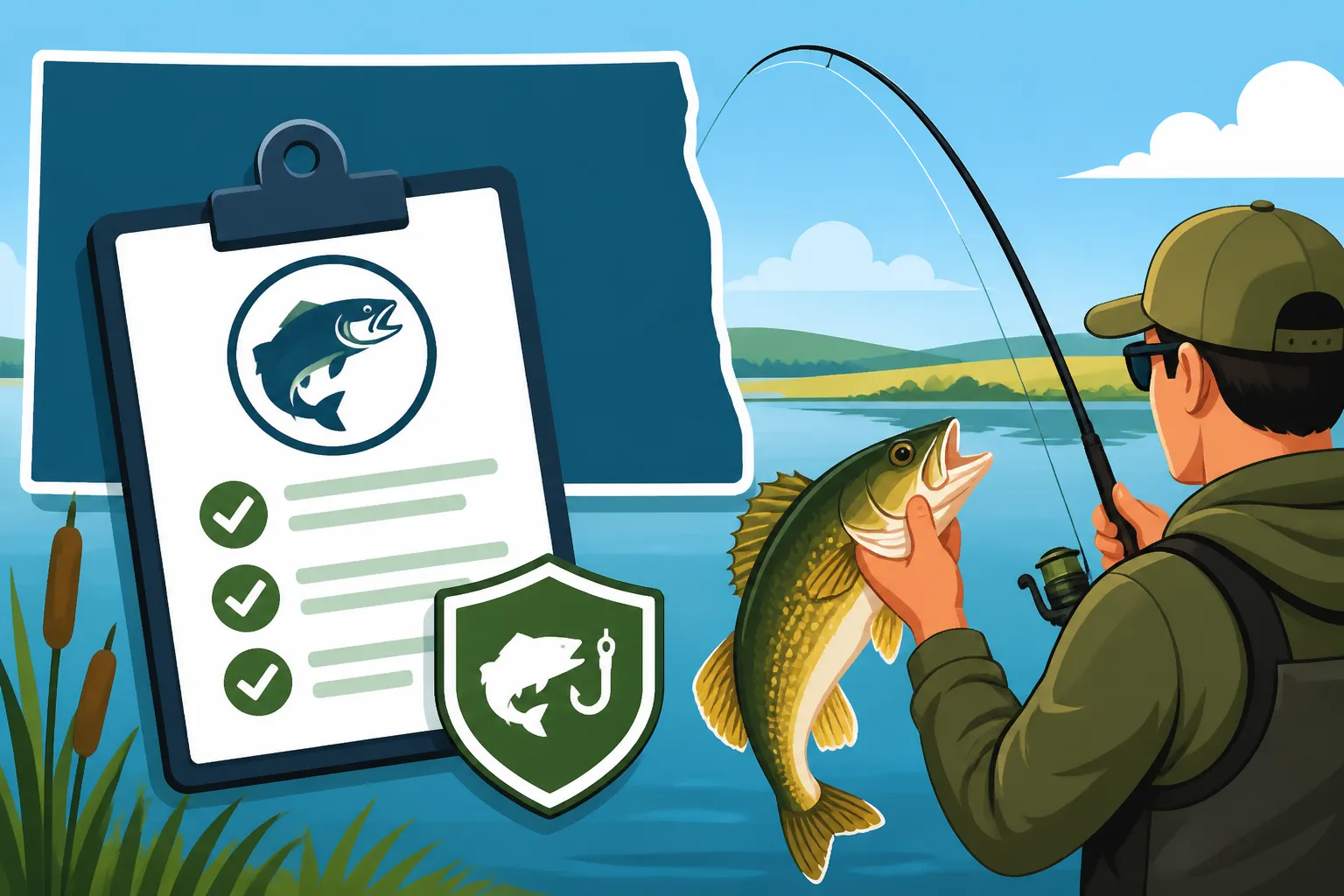
North Dakota Fishing Tournament Permit Checklist
To help you keep track of all the moving parts, here’s a quick checklist outlining the typical requirements for a North Dakota fishing tournament permit. Remember, specific details can change, so always consult the most current NDG&F regulations and application forms.
| Item | Description | Status (Check when complete) |
|---|---|---|
| NDG&F Permit Application Form | Obtain and complete the official fishing tournament permit application from the NDG&F website. | [ ] |
| Tournament Dates & Times | Specify exact start and end dates/times, including weigh-in periods. | [ ] |
| Location Details | Clearly state the specific body of water(s) (e.g., Lake Sakakawea, Devils Lake) and launch/weigh-in sites. | [ ] |
| Target Species | List all fish species that will be targeted and scored in the tournament. | [ ] |
| Organizer Contact Information | Full name, address, phone number, and email of the primary organizer. | [ ] |
| Estimated Participants | Provide a realistic estimate of the number of anglers and boats participating. | [ ] |
| Fish Handling Plan | Detail how fish will be kept alive (livewells, aeration), handled during weigh-in, and released. | [ ] |
| Weigh-In Procedures | Outline the process for weighing/measuring fish, including equipment used and staff responsibilities. | [ ] |
| Culling Rules | Clearly state how culling will be handled, adhering to NDG&F regulations (often limited or prohibited). | [ ] |
| Aquatic Nuisance Species (ANS) Plan | Describe measures to prevent ANS spread (Clean, Drain, Dry protocols, educational materials). | [ ] |
| Emergency Action Plan | Outline procedures for medical emergencies, severe weather, and other unforeseen incidents. | [ ] |
| Proof of Insurance (if required) | Provide copies of liability insurance, especially for large public events. | [ ] |
| Entry Fees & Prizes | Detail any entry fees, prize structures, and award types. | [ ] |
| Post-Tournament Reporting Plan | Understand the requirements for submitting catch data and other information after the event. | [ ] |
| Application Deadline Met | Ensure the completed application is submitted within the specified timeframe (e.g., 30-90 days prior). | [ ] |
| Review NDG&F Regulations | Thoroughly review the current North Dakota Fishing Regulations Explained and specific rules for your target species and water body. | [ ] |
| Communication with NDG&F | Maintain open lines of communication for questions, updates, or issues. | [ ] |
This checklist should serve as a useful tool as you navigate the permit process. By diligently completing each step, you'll be well on your way to hosting a successful and compliant North Dakota fishing tournament.
Disclaimer
The information provided in this guide is intended for general informational purposes only and does not constitute legal advice. Fishing regulations, permit requirements, and associated fees in North Dakota are subject to change. Always consult the most current official North Dakota Game and Fish Department regulations and contact the department directly for the most accurate and up-to-date information regarding fishing tournament permits.