Do You Need a Different License for Salmon in North Dakota?
It’s a common and totally understandable question that pops up in conversations among anglers, especially those just getting their feet wet in North Dakota or even seasoned folks visiting from other states: do I need a special, separate license just to fish for salmon? Many states have intricate licensing structures with stamps for trout, special tags for certain species, or unique requirements for saltwater versus freshwater. This can make navigating North Dakota's fishing regulations feel a bit daunting, but I'm here to tell you that when it comes to salmon, it’s actually more straightforward than you might think. This guide will clarify the licensing requirements and the essential rules for pursuing Chinook salmon in our beautiful state.
Understanding North Dakota's General Fishing License Requirements
Let's cut right to the chase: in North Dakota, you generally don't need a specific "salmon fishing license" or a separate salmon stamp. The state has opted for a more unified approach to its fishing licenses, which can be a relief for anglers who are used to deciphering complex systems elsewhere. Your standard North Dakota fishing license is typically all you'll need to pursue salmon, alongside the myriad of other fish species that call our waters home.
The Standard Fishing License Covers Most Species
When you purchase a North Dakota fishing license, whether you're a resident or a non-resident, that single license usually covers your ability to fish for all legal game fish in the state's public waters. This includes popular species like walleye, northern pike, perch, and yes, Chinook salmon. It’s a pretty neat system that simplifies things considerably, avoiding the hassle of additional permits that might be required in other jurisdictions for specific fish types. For instance, if you're coming from a state where you need a trout stamp to keep a rainbow trout, you'll find North Dakota's system for salmon refreshingly simple.
However, "standard" doesn't mean "free." There's still a cost associated with getting your license. You'll find different options available, from annual licenses to short-term non-resident licenses. For a comprehensive breakdown of what's available, check out our guides on North Dakota Resident Fishing License Options and North Dakota Nonresident Fishing License Options. These resources can help you determine the best fit for your fishing plans, ensuring you’re fully covered before you even cast a line. The main point here is that once you have that general fishing license in hand, you’re good to go for salmon as far as the license itself is concerned.
The Fishing, Hunting, Furbearer Certificate
While you don't need a separate salmon license, many adult anglers will also need to purchase the state's Fishing, Hunting, Furbearer (FHF) Certificate. This certificate is often purchased in conjunction with your fishing license and essentially serves as a foundational permit required for many recreational activities involving wildlife in North Dakota. It's not a salmon-specific requirement by any means, but it's an important part of the overall licensing structure for most adult residents and non-residents who plan to fish.
The FHF Certificate helps fund conservation efforts across the state, ensuring that North Dakota's rich natural resources remain healthy for future generations of anglers and hunters. Think of it as your base camp entry ticket before you pick your specific activity passes. If you're wondering, "Do I need the certificate if I only fish?", the answer for most adults is yes. It's a fundamental component of the overall licensing package. You can learn more about its purpose and requirements in our dedicated article, The Fishing, Hunting, Furbearer Certificate Explained. So, when budgeting for your fishing trip, remember to factor in both your chosen fishing license and, if applicable, the FHF Certificate.
Specific Regulations for Chinook Salmon Fishing
Alright, so the general fishing license covers salmon. That's the easy part! Now, let's talk about the nuances that many anglers inquire about. While the license itself isn't unique, the regulations surrounding how and where you can fish for Chinook salmon are quite specific and absolutely crucial to understand. This is where ignoring the details can lead to fines or worse, so paying close attention to the North Dakota Game and Fish Department's (NDGFD) specific rules for this exciting species is paramount.
North Dakota's Chinook Salmon Hub: Lake Sakakawea
If you're dreaming of battling a powerful Chinook salmon in North Dakota, your destination is almost certainly Lake Sakakawea. This massive reservoir, formed by the Garrison Dam on the Missouri River, is the undisputed king of salmon fishing in our state. The NDGFD actively stocks Chinook salmon here, creating a vibrant "put-grow-take" fishery. Unlike some native species that reproduce naturally in abundance, the Chinook salmon in Lake Sakakawea rely heavily on these stocking programs to maintain their population.
Because of this focused management, Lake Sakakawea is essentially the only place where you'll consistently find and target Chinook salmon in North Dakota. You won't typically find them in significant numbers in other lakes or rivers across the state. This localized presence means that while your general fishing license allows you to fish for salmon, you must also be intimately familiar with the specific rules governing fishing on Lake Sakakawea itself, especially concerning this particular species. Understanding the Chinook Salmon Life Cycle in Lake Sakakawea can also give you an edge in figuring out their movements and where to find them throughout the year. For more general information on fishing this incredible body of water, our Lake Sakakawea Fishing Guide for North Dakota Anglers is a fantastic resource.
Daily and Possession Limits for Chinook Salmon
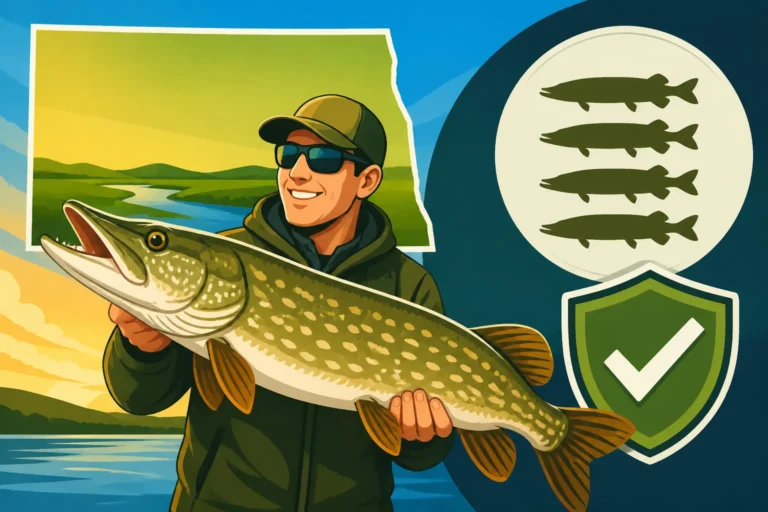
This is where the rubber meets the road for salmon anglers. Even with a valid fishing license, you can't just catch and keep as many salmon as you want. Like all game fish in North Dakota, Chinook salmon are subject to strict daily and possession limits. These limits are put in place to ensure the sustainability of the fishery and to manage the harvest effectively. Currently, the typical daily limit for Chinook salmon on Lake Sakakawea and the Missouri River System is 5 fish per day, with a possession limit of 10.
Let's break down what that means in practical terms. A "daily limit" refers to the maximum number of fish you can harvest in a single calendar day. A "possession limit" refers to the maximum number of fish you can have in your possession at any given time, whether they're in your cooler, at your campsite, or stored at home. So, if you catch your daily limit of 5 salmon on Monday, you can't go out and catch another 5 on Monday night. If you keep your 5 salmon from Monday, you can then go out Tuesday and catch another 5, bringing your total possession to 10. Once you have 10, you cannot keep any more until you have consumed or given away some of your catch, bringing your possession total below the limit.
It's absolutely critical to always check the most current regulations before you head out. These limits can and do change based on scientific assessments of fish populations, stocking success, and environmental conditions. The official North Dakota Fishing Regulations Explained document, often called the "Proclamation," is updated every two years and is your definitive source for these numbers. Never rely on old information or what someone "heard." You can also find specifics about North Dakota Chinook Salmon Regulations in our detailed guide.
Where to Obtain Your License and Stay Informed
So, you know you need a general fishing license (and possibly the FHF Certificate), and you understand the specific limits for Chinook salmon. The next logical step is getting your license and ensuring you stay updated on any changes to the rules. The process is quite user-friendly, and there are multiple avenues to ensure you're compliant.
Easy Access to North Dakota Fishing Licenses
Getting your North Dakota fishing license is a straightforward process, and thankfully, you won't need to visit a specialized "salmon department" to do it. The most convenient way for many anglers is to purchase their license online directly through the North Dakota Game and Fish Department's official website. This platform is available 24/7, allowing you to secure your license from the comfort of your home, even if you decide to go fishing on a whim. Once purchased, you typically have the option to print your license immediately or save a digital copy to your smartphone, which is often accepted by game wardens.
Alternatively, if you prefer a more traditional route or need to pick up some last-minute bait, you can purchase your fishing license from numerous authorized retail vendors across the state. These often include major sporting goods stores like Scheels, general merchandise stores such as Walmart, and many local bait shops, gas stations, and convenience stores. These vendors are equipped to process your license application on the spot. For a complete list of locations and more detailed steps on the purchase process, refer to our guide on How to Get a North Dakota Fishing License. Remember, while you can find a vast array of fishing gear, including specialized trolling setups for Chinook salmon, on online marketplaces like Amazon, the actual fishing license itself must be obtained through official state channels or authorized vendors.
Always Consult the Official Fishing Proclamation
I cannot stress this enough: always, always, always consult the official North Dakota Fishing Proclamation before you embark on any fishing trip. This document, published by the North Dakota Game and Fish Department, is the definitive legal authority for all fishing regulations in the state. It outlines everything from statewide daily and possession limits for various species to specific rules for individual lakes, rivers, and even sections of water bodies. For instance, while the general Chinook salmon limit might be consistent, there could be temporary emergency regulations or specific nuances for certain areas within Lake Sakakawea that are only detailed in the current proclamation.
The Proclamation is typically updated every two years, usually coming into effect around April 1st. However, it's prudent to check for any in-season adjustments, which the NDGFD will publicize. You can usually find the most current version available for download as a PDF on the NDGFD website, and many retail vendors will also have printed copies. Keeping a digital copy on your phone or a printed one in your tackle box is a smart move. This ensures that you're always operating within the current legal framework, preventing any accidental violations due to outdated information. For a deeper dive into understanding this crucial document, our article on North Dakota Fishing Regulations Explained provides excellent insights.
To summarize the requirements for salmon fishing in North Dakota, here’s a quick overview:
| Requirement Category | Details |
|---|---|
| License Type | Standard North Dakota Fishing License (Resident or Nonresident) |
| Additional Certificate | Fishing, Hunting, Furbearer (FHF) Certificate required for most adult anglers |
| Species-Specific Tag | No separate "salmon tag" or special license for Chinook salmon |
| Primary Location | Lake Sakakawea and the Missouri River System |
| Typical Daily Limit | 5 Chinook Salmon (subject to change) |
| Typical Possession Limit | 10 Chinook Salmon (subject to change) |
| Information Source | North Dakota Game and Fish Department (NDGFD) official website and current Fishing Proclamation |
So, while the thrill of hooking into a powerful Chinook salmon on Lake Sakakawea is unique, the licensing process for it is pleasantly standard. Just make sure your general fishing license is current, you've got your FHF certificate if applicable, and you've double-checked the specific daily and possession limits for Chinook salmon in the latest official regulations. With those boxes checked, you're all set to enjoy some incredible salmon fishing in North Dakota! If you're looking to plan your trip and curious about the costs, our guide on North Dakota Fishing License Cost Guide can help.
Disclaimer
Please remember that fishing regulations are subject to change. While this guide provides the most current information available at the time of writing, it is essential for all anglers to consult the official North Dakota Game and Fish Department website and the latest annual Fishing Proclamation before heading out on the water. This ensures compliance with all applicable laws and regulations.