Is 4 Inches of Ice Safe for Ice Fishing?
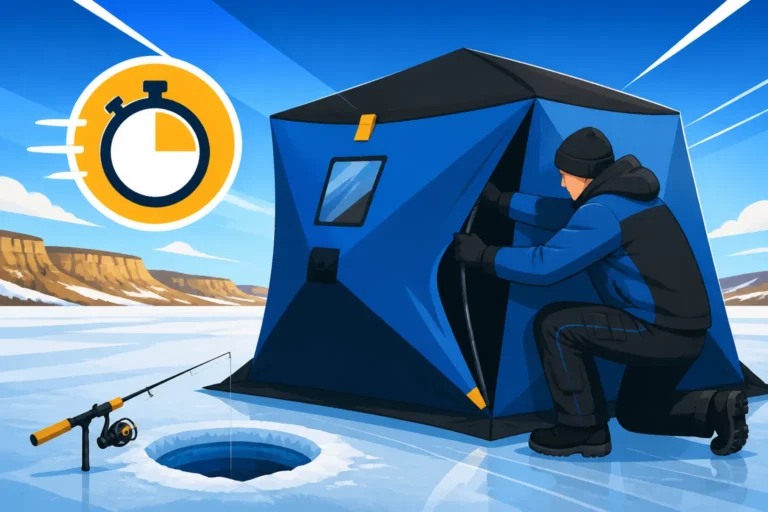
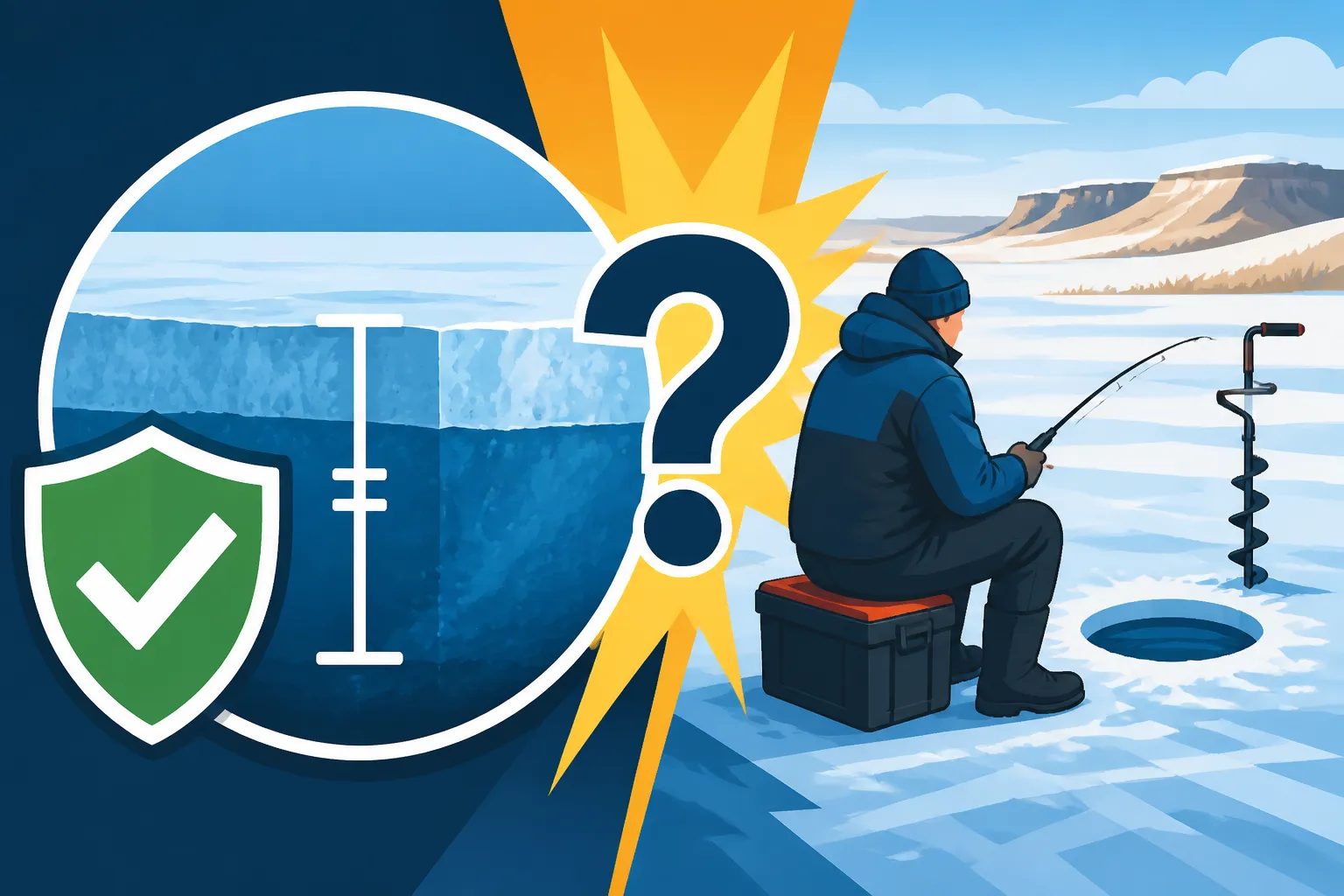
The biting chill of a North Dakota winter calls many of us to the ice, but the age-old question always looms large: Is it safe? Specifically, that magical number of four inches often gets tossed around as the golden rule for ice fishing. But let's be real, seeing that seemingly solid surface still makes most of us pause, wondering if it's truly enough to hold us and our gear. This guide is here to cut through the uncertainty, delve into what those four inches really mean in our neck of the woods, and equip you with the knowledge to make smart, safe decisions out on the ice.
Understanding Ice Formation and Variability in North Dakota
When you look out over a frozen North Dakota lake, it might seem like a solid, uniform sheet, but trust me, it’s anything but. Ice formation is a complex dance between water, air, and temperature, and it’s rarely consistent across an entire body of water. Understanding these nuances is the first step toward staying safe.
The Unpredictable Nature of North Dakota Ice
One of the biggest frustrations for any ice angler in North Dakota is the sheer unpredictability of the ice. You might drive 20 miles to a favorite spot, see someone already out there, and think it’s good to go, only to find wildly different conditions just a few yards away. This isn't just bad luck; it's the reality of our dynamic environment. Factors like underwater currents, especially near inlets or outlets on lakes like Devils Lake or in any moving water body like the Missouri River, can drastically thin ice from below, even when the surface looks solid. Underground springs can also pump warmer water into a lake, creating treacherous soft spots or open water that remain hidden until it's too late. It’s a constant battle of knowing where these potential hazards lie, and often, you only learn through experience or by constantly checking.
Heavy snow cover, too, plays a deceptive role. While it might look like a winter wonderland, a thick blanket of snow actually acts as an insulator, slowing down the freezing process. It can also weigh down existing ice, forcing water up through cracks to create "slush ice" which then freezes into a weaker, cloudy layer. So, that beautiful, pristine snowfield might actually be hiding a much thinner, less stable layer of ice underneath than you'd expect from a week of cold temperatures. Never assume.
Factors Influencing Ice Strength Beyond Just Thickness
It's tempting to think that ice thickness is the only metric that matters, but that's a dangerous oversimplification. The quality of the ice is just as, if not more, important. Imagine the difference between a pristine pane of glass and a block of Swiss cheese – both might be an inch thick, but their structural integrity is worlds apart. The strongest, safest ice is usually clear, hard "black ice," formed by a sustained period of cold temperatures on calm water. This type of ice has few air bubbles and offers maximum strength for its thickness.
Conversely, cloudy or white ice is far less reliable. This often forms when snow melts and refreezes, or when slush becomes incorporated into the ice pack, trapping air bubbles. This trapped air makes the ice weaker and less dense, meaning a 4-inch layer of cloudy ice might only have the strength of 2 or 3 inches of clear black ice. Then there’s layered ice, which occurs with freeze-thaw cycles, where ice forms, melts a bit, and then refreezes. These layers can delaminate, creating weak points that can give way unexpectedly. Always pay attention to the ice color and texture. Darker, clearer ice is almost always superior to white, opaque, or slushy ice of the same measured thickness.
The 4-Inch Rule: A Starting Point, Not a Guarantee
The "four inches of ice" rule is practically a mantra among ice anglers, and for good reason. It’s a widely accepted guideline, but it’s absolutely critical to understand its context and limitations, especially in a state like North Dakota where conditions can vary so wildly.
What the North Dakota Game and Fish Department Recommends
The North Dakota Game and Fish Department (NDGFD) consistently advises that four inches of clear, solid ice is the minimum recommended thickness for a single angler on foot. This isn't just a number pulled from thin air; it's based on extensive research into the load-bearing capacity of ice under ideal conditions. For an individual carrying typical ice fishing gear, this thickness generally provides enough structural integrity to support their weight safely.
However, and this is a huge however, this recommendation comes with significant caveats. It assumes ideal conditions: clear, hard, newly formed black ice, without currents, springs, or recent weather fluctuations that could compromise its strength. It also assumes you are alone. The moment you add another person, a heavy ice fishing sled, an ice auger, or even just a cooler full of fish, the required thickness increases significantly. Thinking of ice as a single, static measurement is where many anglers get into trouble. It's a living, breathing, and constantly changing entity. Always consult the latest North Dakota Fishing Regulations Explained before heading out.
Differentiating Between Ice Types and Their Load-Bearing Capacity
As we touched on earlier, not all ice is created equal. A true understanding of ice safety goes beyond merely measuring thickness; it requires an evaluation of the type of ice.
- Clear, Hard "Black Ice": This is the gold standard. Formed by slow, sustained freezing of calm water, it has very few air bubbles and a dark, almost transparent appearance. Four inches of clear black ice is generally considered strong enough for foot traffic and often has the load-bearing capacity of twice that thickness in other ice types. It's truly the safest bet.
- Cloudy Ice (White Ice): This ice forms when there are air bubbles or impurities trapped within it. It's often seen after a period of light snow that melts and refreezes, or when wind whips air into the water as it freezes. While it can still be relatively strong, four inches of cloudy ice is significantly weaker than four inches of black ice. You should treat it with extreme caution and consider it roughly half as strong. If you’re seeing this, you need more than 4 inches to be truly comfortable.
- Snow Ice (Slush Ice): This is the weakest form of ice. It develops when heavy snow falls on thin ice, insulating it and pushing it down, allowing water to saturate the snow, which then refreezes into a porous, often greyish, brittle layer. This ice is notoriously unreliable and can be dangerously deceptive. Four inches of snow ice might barely support your weight, if at all. Avoid it whenever possible.
- Layered Ice: This occurs after thaw-freeze cycles. Imagine a sandwich: a layer of strong ice, then perhaps a slushy layer, then another frozen layer. These layers don't always bond well and can separate under stress, leading to a sudden collapse.
Understanding these distinctions is crucial. When the NDGFD says "4 inches of clear, solid ice," they mean the strongest kind. If you're encountering anything else, you absolutely need more thickness to ensure your safety. For deeper insights, check out this guide on How Thick Ice Needs to Be for Ice Fishing.
Safe Ice Thickness Guidelines for Various Activities
While the 4-inch rule is a basic benchmark for foot traffic, North Dakota anglers often bring much more than just themselves and a fishing rod onto the ice. From snowmobiles to full-sized pickups, each mode of transport and type of shelter demands a higher, and crucially, consistent ice thickness.
Minimum Thickness for Different Ice Fishing Scenarios
It's not just about getting out there; it's about getting back safely with all your gear. The ice thickness required escalates quickly with the added weight. Here's a general guideline based on clear, hard ice:
| Activity / Vehicle Type | Minimum Safe Clear Ice Thickness | Important Notes |
|---|---|---|
| Foot Traffic | 4 inches (10 cm) | For a single individual carrying light gear. Always check constantly. |
| Snowmobiles & ATVs | 5-7 inches (13-18 cm) | Even distribution of weight is key. Avoid high speeds over potentially weak ice. Consider carrying ice picks and a throw rope, easily found on Amazon. |
| Small Cars/Trucks | 8-12 inches (20-30 cm) | This applies to small sedans or light SUVs. Always drive slowly, keep windows down, seatbelts off, and be prepared to evacuate. Check repeatedly with an Ice Fishing Auger Techniques. |
| Medium Trucks/SUVs | 12-15 inches (30-38 cm) | For larger pickups or heavier SUVs. Same precautions as small cars, with even greater emphasis on constant checking and knowing your route. |
| Heavy Trucks/Fish Houses | 15+ inches (38+ cm) | For large, permanent fish houses or heavy construction vehicles. This requires truly exceptional, consistent ice. Rarely advisable on naturally formed ice in early winter. Refer to Ice Fishing Shelter Rules on North Dakota Lakes. |
It cannot be stressed enough: these are minimums for ideal, clear ice. If the ice is cloudy, snow-covered, or near areas of current, you need significantly more thickness, and often, it's safer not to venture out with heavy vehicles at all. Many veteran anglers will add a few extra inches to these recommendations, just for peace of mind.
Always Check, Never Guess: Tools and Techniques for Measuring Ice
One of the biggest mistakes an angler can make is to rely on what "looks" safe or what others are doing. Your safety is your responsibility. Always, always check the ice thickness yourself, consistently and frequently.
- Ice Chisel or Spud Bar: This is your best friend for early ice or when venturing into new territory. A spud bar is a heavy steel bar with a chisel-like tip. You use it to "spud" the ice ahead of you as you walk. If the spud bar goes through in one or two jabs, the ice is too thin. If it takes several forceful strikes, it's likely safe for foot traffic. It’s an indispensable tool for the first few trips out and offers immediate feedback. Many reputable brands offer these, and you can find a good selection on Amazon.
- Ice Auger: Once you're comfortable enough to be out there, an ice auger is essential for more precise measurements. Drill holes periodically as you walk, especially when moving into new areas, around pressure ridges, or near shorelines. Measure the ice at the edge of the hole with a tape measure or a marked stick. Don't just drill one hole near your truck; drill them as you traverse the lake, every 20-30 yards or so. This provides a real-time assessment of the ice quality and thickness in the exact spots you're planning to fish. For comprehensive advice, consult How to Check Ice Thickness Safely.
- Safety Gear: Beyond measuring tools, you need safety gear. A pair of ice picks, worn around your neck, is a non-negotiable item. If you fall through, these can provide the grip needed to pull yourself back onto the ice. A throw rope or a throwable flotation device should always be easily accessible, especially if you're with others. These are crucial for rescuing a partner without putting yourself at further risk. Consider a brightly colored rope that can be seen easily against snow and ice. When thinking about Best Ice Fishing Gear for North Dakota, these items should be at the top of your list.
Remember, the ice conditions can change rapidly due to snow, wind, or sudden temperature shifts. What was safe yesterday might not be safe today. Constant vigilance and measurement are key to enjoying North Dakota's incredible ice fishing season safely.
Real-World Scenarios and Best Practices for North Dakota Anglers
North Dakota's ice fishing season is a special time, but it demands respect for the unpredictable environment. Knowing the official guidelines is one thing; applying them in real-world scenarios on our diverse lakes and rivers is another.
Early Ice Challenges and Precautionary Measures
The first few weeks of ice fishing season, often in late November or early December, bring both immense excitement and inherent danger. This "early ice" is when you'll find some of the best fishing, as fish are often still active and unpressured near shallower feeding grounds. However, it's also the time when ice conditions are most variable and unforgiving.
Never venture out alone on early ice. Always fish with a buddy or a group, and make sure everyone understands the safety protocols. Before you even set foot on the ice, let someone know your fishing plans – where you're going, when you expect to be back, and who you're with. This simple step can be a lifesaver if something goes wrong. Equip yourself with essential safety gear: a spud bar to test the ice ahead of you, ice picks worn around your neck for self-rescue, and a throw rope in your sled. A life jacket, even over your winter clothes, is not a bad idea on early ice. Areas near inlets, outlets, points, or bottlenecks on lakes like Lake Audubon or Jamestown Reservoir are often the last to freeze or can have currents that keep the ice thinner than surrounding areas. Exercise extreme caution in these zones. For more specific advice, check out Early Ice Fishing Safety Tips.
Navigating Different North Dakota Water Bodies
North Dakota offers a wide range of fishing experiences, but each major water body presents its own unique ice characteristics and challenges.
- Lake Sakakawea: As a massive reservoir, Lake Sakakawea is a force to be reckoned with. Its immense size means that ice conditions can vary dramatically from one bay to another, or even within a single large bay. Wind is a major factor here, constantly shifting and breaking up ice in exposed areas. Currents, particularly near the Garrison Dam, can keep water open or thin for much longer than expected. Never assume consistent ice on Sakakawea; constant re-evaluation and a deep understanding of the lake's structure are paramount. Some years, ice may not even fully form over certain stretches due to prevailing winds and fluctuating water levels. Knowing the Best Ice Fishing Lakes in North Dakota includes knowing their specific dangers.
- Devils Lake: Known for its fluctuating water levels and submerged timber, Devils Lake presents a maze of potential hazards. The flooded trees and brush can create areas of unstable ice, as the wood conducts heat differently than water, potentially creating thinner spots around submerged structures. Currents, especially between sections of the lake or near bridge crossings, can also be problematic. What might be solid ice in one basin could be dangerously thin just a short distance away. Always approach areas with visible timber with extra caution and spud your way carefully. Devils Lake Ice Fishing Access Points can guide you to safer entry points, but never neglect personal ice checks.
- Smaller Lakes and Ponds: While often freezing more uniformly than the big lakes, smaller bodies of water like Lake Metigoshe or Nelson Lake aren't without their dangers. Inlets and outlets, even small ones, can create thin ice. Ponds that are fed by springs or have aerators running can also have dangerously weak spots. These often freeze earlier, tempting anglers out, but a quick warm-up or hidden current can make them just as perilous as larger lakes.
- Missouri River System: Fishing the Missouri River below the Garrison Dam or other sections with consistent current is inherently more dangerous for ice fishing. Moving water erodes ice from underneath, making it much weaker than stagnant ice of the same measured thickness. Ice here can change drastically from hour to hour. It's generally advisable to avoid ice fishing directly over strong currents, sticking instead to backwaters, sheltered bays, or oxbows where the water is still. Always be extra cautious and consider if the risk is truly worth the reward.
What to Do If You Fall Through the Ice
Falling through the ice is every angler's worst nightmare, but knowing what to do can save your life. Panic is your biggest enemy.
First and foremost, stay calm. The initial shock of the cold water is intense, but panicking will quickly deplete your energy. Orient yourself back towards the direction you came from, as that's likely where the ice was last stable.
Next, kick your feet to get your body into a horizontal position, like you're trying to swim onto the ice. Use your ice picks, if you have them, to get a grip on the solid ice edge. If you don't have picks, use your forearms or hands to try and pull yourself up. Try to get as much of your upper body out of the water as possible, then use strong kicks to propel yourself forward, pulling yourself onto the ice like a seal. Don't stand up immediately; roll away from the hole to distribute your weight over a larger area of potentially weak ice.
Once you're out, seek warmth immediately. Head directly back to your vehicle or shelter. Get out of your wet clothes and into dry ones. If you have a portable heater in your shelter (safely used, of course), get it going. Hypothermia sets in quickly, so prompt action is vital. Even if you feel okay, it's wise to get checked by a medical professional.
If someone else falls through, do NOT run towards them. This puts you at risk of falling in yourself. Instead, use a throw rope, a long branch, or even a spare ice auger to extend a lifeline to them from a safe distance. Lie flat on your stomach to distribute your weight, and pull them out slowly. Once they're out, help them get warm and dry immediately. Remember, Should You Carry Ice Picks While Ice Fishing? is not a suggestion, it's a critical safety measure.
Disclaimer
The information provided in this guide is for general informational purposes only and is not a substitute for personal judgment, training, or local knowledge. Ice conditions are dynamic and can change rapidly. Always exercise extreme caution on the ice, check conditions yourself, and follow all local regulations and safety guidelines. The author and publisher are not responsible for any accidents, injuries, or losses incurred while engaging in ice fishing activities. Stay safe out there!