How to Locate Fish on a New Lake
There’s almost nothing more frustrating for an angler than pulling up to a brand new lake, especially a big North Dakota gem, and having absolutely no idea where to even start looking for fish. That overwhelming feeling of staring at endless water, wondering if you're just casting into a watery desert, is a common one. This comprehensive guide is here to cut through that confusion, helping you confidently pinpoint prime fishing locations even on waters you've never wet a line in before.
Understanding the Basics Before You Go
Before you even launch your boat or step onto the shore, a lot of the detective work for finding fish on a new lake can be done from the comfort of your home. It’s all about gathering information and forming a solid game plan, which saves you precious fishing time and fuel. Think of it as scouting, but without the cold wind and bug bites.
Topographic Maps and Satellite Imagery
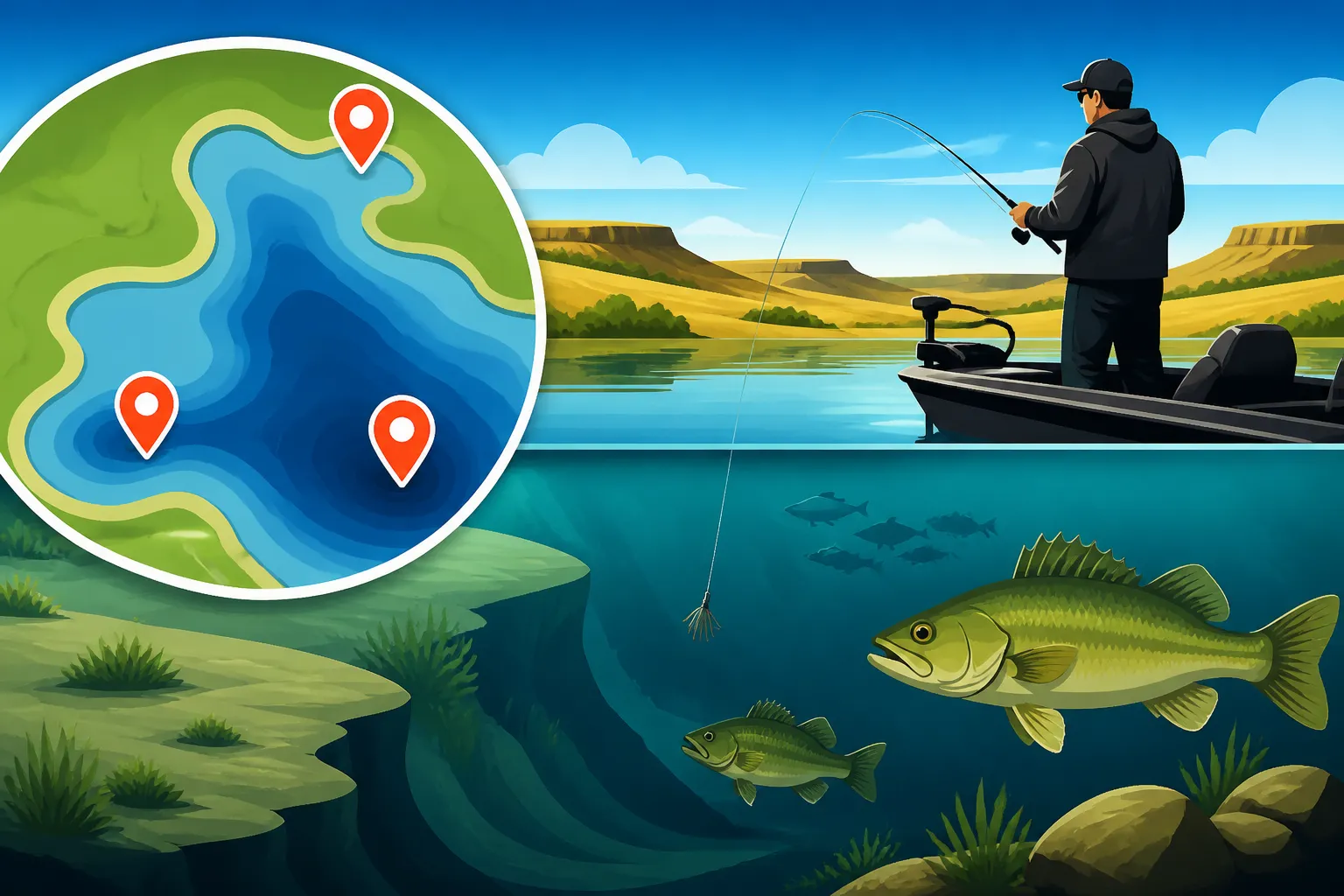
One of the most valuable tools in your arsenal for a new lake is a good topographic (topo) map. These aren't just pretty pictures; they're treasure maps for anglers. A detailed topo map will show you the contours of the lake bottom, indicating subtle changes in depth, drop-offs, humps, points, and old river channels that might now be submerged. Fish, especially walleye and northern pike, are structure-oriented creatures. They love these changes in the bottom because it provides ambush points, shade, and access to different depths as conditions change.
For instance, on a massive lake like Sakakawea, trying to find a specific depth without a map is like looking for a needle in a haystack. But if your map shows a long point extending out into the lake, dropping from 10 feet to 30 feet, you know that’s a likely transition zone where fish might be holding. You can also use online satellite imagery, often found through services like Google Maps or even specialized fishing apps. These images can reveal submerged weed beds, rocky shorelines, old roadbeds, or even flooded timber that isn't always marked on a traditional topo map. Looking for color changes in the water from satellite images can indicate different bottom compositions – lighter areas might be sand or gravel, darker areas could be mud or rock. Pay close attention to any visible creek or river inlets, as these often bring in cooler, oxygenated water and food, attracting various species. Many anglers find success by studying these maps beforehand and marking potential hotspots right on their phone or tablet, ready to navigate to once on the water. You can often find great physical maps or digital versions for your GPS unit on Amazon.
Local Fishing Reports and Forums
Don't underestimate the power of local knowledge. Fishing reports, whether from bait shops, local sporting goods stores, or online forums, are goldmines of information. These reports often tell you what species are biting, where they're being caught (general areas like "the west end" or "near the dam"), what baits are working, and what depths to target. While you should always take public reports with a grain of salt – nobody gives away their secret spots easily – they provide an excellent starting point and can quickly narrow down vast expanses of water.
Online fishing forums specific to North Dakota can be incredibly helpful. You might find threads discussing patterns on particular lakes, recent weather impacts, or even photos from successful trips that inadvertently reveal a popular spot. Engaging with these communities can offer insights that no map can provide. Just remember to be respectful and contribute when you can; fishing communities thrive on shared passion, not just taking information. Check out fishing Facebook groups for your target lake too – sometimes those are even more active than traditional forums. These resources also often provide real-time updates on conditions, which are invaluable for planning a trip.
Understanding Fish Behavior by Species and Season
Fish aren't just randomly swimming around; their behavior is highly predictable based on the species, time of year, and prevailing conditions. If you're targeting walleye on a new North Dakota lake, knowing that they prefer structured areas, especially those with rock or gravel bottoms, is crucial. They also tend to be light-sensitive, often moving shallower in low light conditions (dawn, dusk, overcast days) and deeper during bright midday sun. For a deeper dive, check out our North Dakota Walleye Fishing Guide.
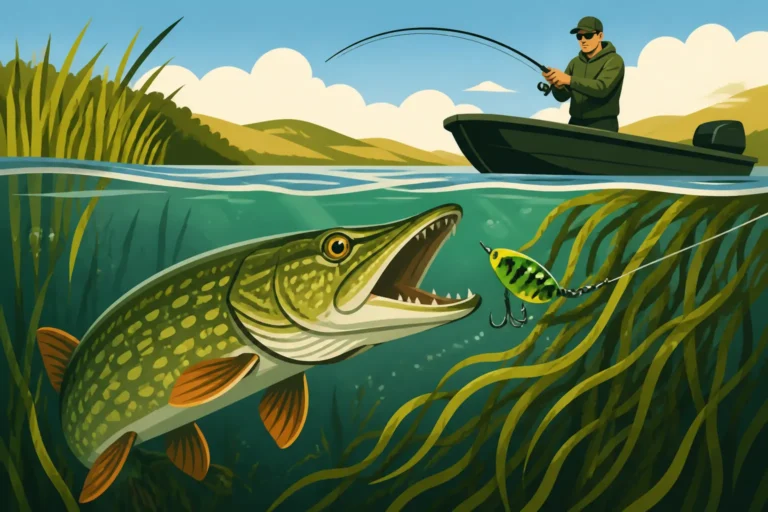
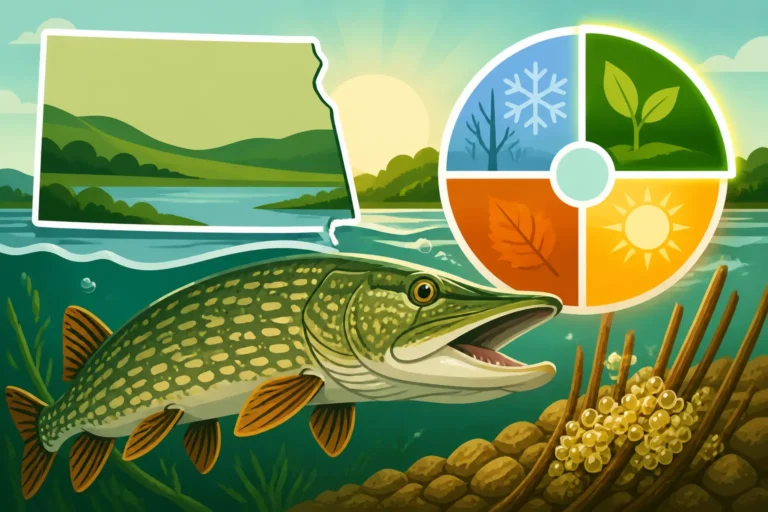
Northern pike, on the other hand, often relate more to vegetation, ambush cover, and shallow bays, especially during spring and fall. Understanding these basic behavioral patterns for the species you're after will guide your initial search. What works for walleye might not work for a channel catfish in the Red River, for example. Consider the time of year too: early spring after ice-out means fish are often shallow, looking for warmer water and spawning grounds. Summer sees them moving to deeper, cooler water or finding cover in dense weeds. Fall brings a feeding frenzy as they bulk up for winter, often moving back to shallower feeding flats. Our Seasonal Fish Movement Patterns in North Dakota Lakes article elaborates on these annual shifts. If you're heading out right after the ice melts, you might want to read our Best Time of Year to Fish in North Dakota guide for specific insights.
On-the-Water Strategies for Finding Fish
Once you've done your homework and you're actually on the water, it's time to put those theories to the test. This phase is all about observation, using your gear wisely, and being methodical in your approach. It’s where your preparation meets the reality of the lake.
Interpreting Your Electronics
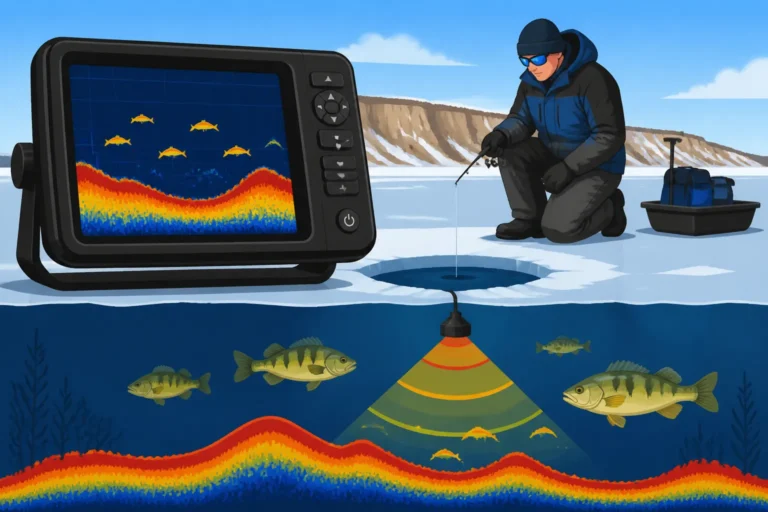
Your fish finder is your best friend on a new lake, but only if you know how to use it. Don't just look for "arches" on the screen. Learn to interpret what your sonar is telling you. A good fish finder will show you depth, bottom composition (hard bottom vs. soft bottom), submerged structure, and of course, fish. Look for baitfish schools, as predatory fish are rarely far behind. If you see a cluster of baitfish near a sharp drop-off or a submerged hump, chances are there's something bigger lurking nearby.
Modern fish finders often include GPS capabilities, allowing you to mark waypoints on potential structure you identified on your maps, or spots where you caught a fish. Side imaging or down imaging can give you incredibly detailed views of the bottom structure, revealing rock piles, timber, or even schools of fish off to the side of your boat. Start by slowly cruising areas you identified as promising on your topo maps, paying close attention to your screen. Look for the "sweet spots" within larger structures – the very edge of a drop-off, a small clump of weeds in a large flat, or a bottleneck in a channel. Learning How to Read a Fish Finder for Ice Fishing (and applying the principles to open water) can be incredibly beneficial. To optimize your device, understanding Best Fish Finder Settings for Walleye can make a huge difference in what you see and how clearly you interpret it.
Reading the Water and Shoreline
Beyond your electronics, developing the skill of "reading the water" is invaluable. This is about observing subtle cues that indicate where fish might be. Look for transitions: areas where different types of water meet, such as murky water mixing with clear water, or a current seam where fast water meets slow water. These transition zones often concentrate baitfish and, consequently, game fish.
The shoreline also tells a story. What's happening above the water often extends below. If you see a rocky point extending out from shore, assume that rock structure continues underwater, making it a prime spot. Areas with significant vegetation on shore might indicate submerged weeds offshore. Pay attention to wind-blown shorelines – sustained wind pushes baitfish and plankton, creating a "food chain" effect that draws in larger fish. Birds diving into the water can signal baitfish activity. Inlets and outlets of creeks or rivers, especially those with current, are always worth investigating as they can provide food, oxygen, and thermal refuge. When you're driving around the lake, note any access points or even just noticeable features that stand out. Even a unique cluster of trees or a noticeable break in the shoreline can be a useful landmark for future reference.
The Importance of Covering Water
On a new lake, you simply can't afford to sit in one spot for too long if you're not getting bites. The most effective strategy is to cover water systematically. This means moving, casting, or trolling across various types of structure and depth zones until you find active fish. Don't be afraid to leave a spot if it's not producing, even if it "looks fishy." The fish aren't always where they're supposed to be.
Trolling is a fantastic way to cover large expanses of water and present your bait to numerous fish in different areas. By varying your speed, depth, and bait choices, you can quickly determine what the fish are responding to. If you get a bite or two, mark that spot immediately on your GPS, then circle back and work the area more thoroughly. This tells you that you're in the right general vicinity and likely on a school of fish. Alternatively, if you're casting, make sure you're working different angles and depths around a piece of structure before moving on. Think of it like a grid search; you're trying to eliminate unproductive water and zero in on the productive areas. This approach is key to finding those elusive fish, especially when dealing with the vastness of some North Dakota lakes. If you're after walleye, try various Early Spring Walleye Techniques in North Dakota or Summer Walleye Trolling Techniques as you search.
Adapting to Conditions and Refining Your Approach
Finding fish on a new lake isn't a one-and-done deal; it's an ongoing process of adaptation and refinement. The conditions change, and so does fish behavior. Being flexible and willing to adjust your tactics is what separates successful anglers from those who go home empty-handed.
Weather and Water Temperature Considerations
Weather profoundly impacts fishing, especially on a new lake where you don't have historical knowledge. A sudden cold front can shut down a bite, sending fish deeper and making them less aggressive. Conversely, a stable warm spell might bring them shallower to feed. Wind direction and intensity also play a huge role; a consistent wind can stack baitfish and game fish on specific wind-blown points or shorelines. Our article on Best Wind Conditions for Walleye Fishing highlights how wind can influence your success.
Water temperature is perhaps the most critical factor. Different species have preferred temperature ranges, and understanding this can guide your search to the right depths. For instance, in summer, walleye will often seek out cooler, deeper water, or find thermal refuge in shaded areas or deep cover. Use your fish finder's temperature gauge to identify these preferred zones. If you're seeing surface temps in the high 70s, you might need to target deeper breaks or main lake points where the water is cooler. Understanding How Water Temperature Affects Walleye Location can be a game-changer. These considerations become even more critical when fishing larger bodies of water, where temperature stratification can be quite pronounced.
Trial and Error with Baits and Presentations
Even if you've found a promising area, the fish might not bite if you're using the wrong bait or presentation. This is where trial and error come into play. Start with your confidence baits, but don't be afraid to experiment. If jigging isn't working, try trolling crankbaits. If live bait isn't getting attention, switch to artificial lures. Vary your colors, sizes, and retrieve speeds. Sometimes, a subtle change in retrieve can make all the difference.
Keep a mental note (or better yet, a physical log) of what works and what doesn't. What color crankbait got hit? What depth were you fishing? What was the retrieve speed? This information builds your knowledge base for the new lake, helping you develop patterns. For example, some days, fish might want a slow, methodical presentation, while other days, a fast, erratic retrieve triggers strikes. Having a versatile tackle box that includes a range of options for different conditions and species is always a smart move. You can find a vast selection of lures and tackle to fill out your kit on Amazon. Don't forget, if you're after walleye, explore various North Dakota Walleye Fishing Techniques. If northern pike are your target, our North Dakota Northern Pike Fishing Guide offers excellent bait and presentation tips.
Here’s a quick overview of common North Dakota fish species and where they tend to hang out:
| Fish Species | Preferred Habitat | Typical Depth Range (Feet) | Key Features for Locating |
|---|---|---|---|
| Walleye | Rocky points, humps, drop-offs, submerged structure | 10-40+ | Sand/gravel transition, current seams, sharp breaks, baitfish |
| Northern Pike | Weed lines, shallow bays, flooded timber, ambush points | 3-20 | Dense vegetation, fallen trees, shallow cover |
| Yellow Perch | Weed edges, mud flats, soft bottom, humps | 5-30 | Schools of small baitfish, subtle changes in bottom |
| Channel Catfish | River channels, deep holes, current breaks, woody debris | 10-50+ | Muddy bottoms, structure in current, river bends |
| Smallmouth Bass | Rocky shorelines, reefs, boulder fields, clear water | 5-25 | Hard bottom, rocky structure, areas with crayfish |
| Chinook Salmon | Open water, thermocline, deep main lake basins | 30-80+ | Large bait balls (cisco, smelt), temperature breaks |
| Sauger | River channels, deep scour holes, current breaks, turbidity | 15-60+ | Similar to walleye but often deeper and in murkier water |
Note: These are general guidelines; actual locations can vary greatly based on season, bait availability, and specific lake conditions.
When to Move and When to Stay
One of the hardest decisions on a new lake is knowing when to pack up and try a new spot, and when to stubbornly stick it out. A good rule of thumb is to give a promising spot a reasonable amount of time – say, 20-30 minutes of active fishing – especially if your electronics are showing bait or structure. If you're getting no bites, no bumps, and no signs of life, it's probably time to move. Don't fall into the trap of "one more cast" for hours on end.
However, if you're seeing bait, or if you had a bite but couldn't seal the deal, it might be worth staying and trying a different presentation or working the area from a different angle. Sometimes, moving just 50 yards down a breakline can put you right on active fish. Trust your gut, but also trust your data. If your maps, electronics, and observations all point to a high-percentage spot, but it's not producing, consider external factors like a change in weather or time of day. Sometimes, fish simply aren't active, and the best strategy is to wait for the conditions to change, or to explore an entirely different section of the lake. Remember, the goal isn't just to find fish, but to find active fish. If you're struggling to locate structure, refer to our guide on How to Find Walleye Structure With a Map.
Learning to locate fish on a new lake in North Dakota is a skill that develops with experience, but with a solid game plan and the right approach, you can significantly shorten the learning curve. Every trip out is a chance to learn something new about the water, the fish, and yourself as an angler.
Disclaimer
This article is for general informational purposes only and does not constitute professional advice. Laws, prices and regulations vary by location and change over time. Consult a qualified professional for guidance on your specific situation.