What Fish Species Live in Lake Sakakawea?
If you've ever gazed across the vast, shimmering expanse of Lake Sakakawea, you've probably wondered what mysteries lie beneath its waves. It's easy to feel a bit overwhelmed by such a massive body of water, perhaps even intimidated by the sheer scale of it all. You might be dreaming of pulling in a trophy walleye, or maybe you're just curious about the diversity of fish that call this incredible reservoir home. This guide is here to demystify Lake Sakakawea's aquatic inhabitants, giving you a clear picture of the abundant species you can expect to encounter, whether you're a seasoned angler or just starting your North Dakota fishing adventure.
The Majesty of Lake Sakakawea's Fishery
Lake Sakakawea isn't just a big lake; it's an inland sea, a cornerstone of North Dakota's outdoor recreation, and undoubtedly one of the premier fishing destinations in the entire Midwest. Stretching for nearly 180 miles with over 1,300 miles of shoreline when full, this reservoir on the Missouri River system presents an incredibly diverse and dynamic environment. Its sheer size and depth create a multitude of habitats, from shallow, sheltered bays to vast, open waters and deep, canyon-like river channels. This incredible variety is precisely why so many different fish species thrive here, offering anglers a smorgasbord of fishing opportunities.
Why Sakakawea is a Fish Magnet
What makes Lake Sakakawea such a haven for fish? It's a combination of factors, really. First, you have the consistent flow of the Missouri River feeding it, bringing in nutrients and fresh water. This river influence is critical, especially for species that prefer moving water or use the river system for spawning. Then there's the sheer volume of water and the extensive underwater structure. We're talking about old riverbeds, submerged timber, rocky points, deep humps, and vast flats – all prime real estate for various fish species seeking food, shelter, or spawning grounds.
The lake's incredible forage base is another huge draw. Think about it: a healthy population of baitfish means bigger, healthier game fish. Sakakawea is teeming with species like smelt, cisco, gizzard shad, and various minnows, providing an abundant food source that allows predatory fish to grow to impressive sizes. This rich food web supports everything from the smallest panfish to the largest trophy catches, making it a truly productive ecosystem. The management efforts by the North Dakota Game and Fish Department also play a crucial role, with strategic stocking programs, particularly for species like Chinook salmon, ensuring a vibrant and sustainable fishery for years to come.
More Than Just Walleye
When most people think of fishing in North Dakota, especially on Lake Sakakawea, their minds immediately jump to walleye. And for good reason! Walleye are indeed king here, and they offer some truly world-class fishing. However, it would be a huge disservice to this magnificent lake to stop there. Sakakawea is so much more diverse than a single species fishery. Anglers who take the time to explore beyond the walleye bite often discover incredible opportunities for other hard-fighting and delicious fish.
From aggressive northern pike lurking in the weed beds to powerful Chinook salmon cruising the depths, and feisty smallmouth bass battling on rocky points, there’s a species for every angler's preference and every fishing technique. Don't limit yourself to just one target; embrace the full spectrum of what Lake Sakakawea has to offer. You might just find your new favorite fish to pursue, or discover a technique you never knew you loved. It's all part of the adventure of fishing such a dynamic and bountiful body of water.
The A-List Residents: Popular Game Fish in Lake Sakakawea
Now, let's talk about the stars of the show, the fish that often draw anglers from all over to Lake Sakakawea. These are the species that fill livewells, strain lines, and create those unforgettable fishing memories. While some are more popular than others, each offers a unique challenge and reward.
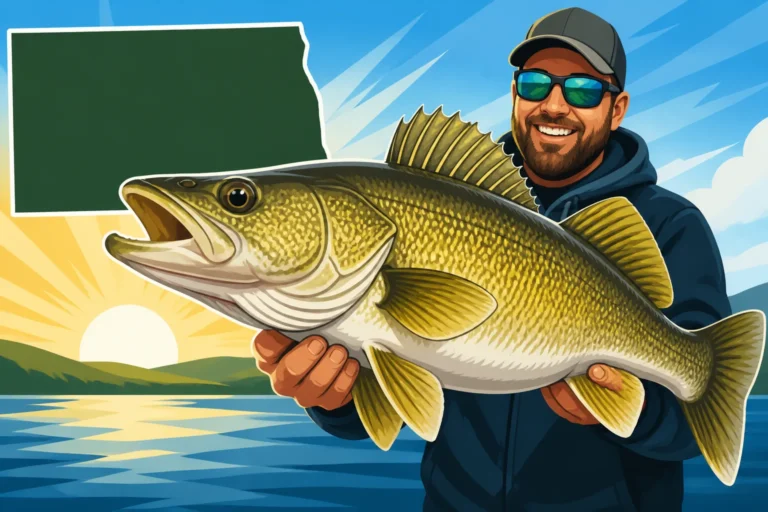
Walleye: The Golden Prize
Ah, the walleye. This is the fish that put North Dakota on the map for many anglers, and Lake Sakakawea is undeniably one of the best places in the world to chase them. Known for their delicious, flaky white meat and challenging bite, walleye are the undisputed kings of the lake. They thrive in Sakakawea's vast, fertile waters, growing to impressive sizes thanks to the abundant forage base, especially smelt and cisco.
You'll typically find walleye around structure – think rocky points, submerged humps, old river channels, and sudden depth changes. They prefer somewhat stained or turbid water and are often most active during low light conditions, like dawn, dusk, or even at night. Anglers use a variety of techniques to target them, from trolling crankbaits and spinner rigs over flats to jigging with live bait or plastics near drop-offs. If you're looking for that classic North Dakota fishing experience, a day spent pursuing Sakakawea walleye is hard to beat. You'll find plenty of resources dedicated to mastering techniques for these elusive beauties, from early spring to late fall.
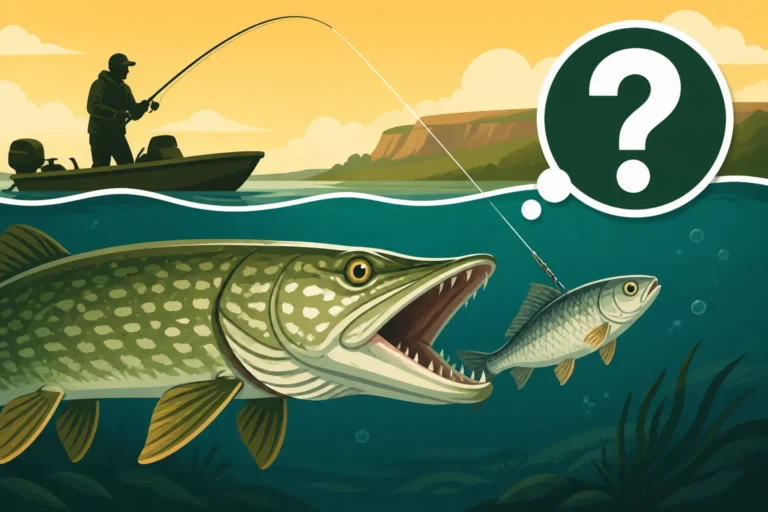
Northern Pike: The Apex Predator
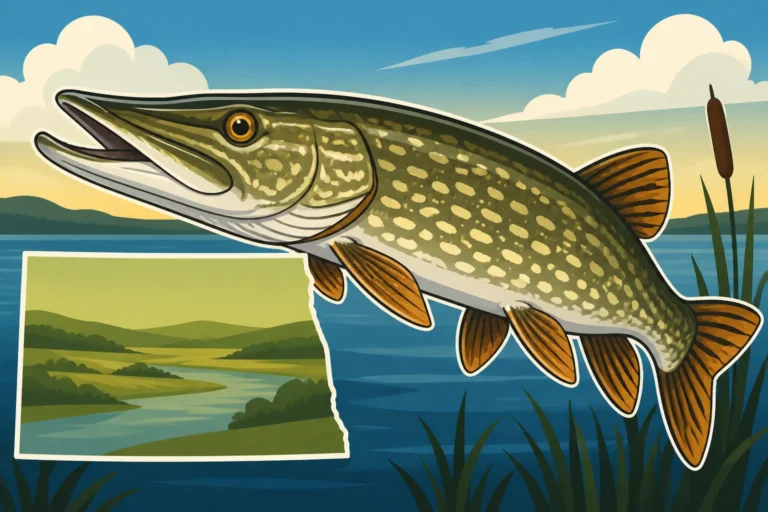
If you're looking for a thrilling fight and explosive strikes, then Northern Pike are your target. These toothy predators are abundant in Lake Sakakawea and can grow to truly monstrous sizes, often pushing into the 20-pound range or more. They are aggressive, opportunistic feeders, and their sheer power on the end of a line is something every angler should experience.
Pike tend to prefer shallower, weedy bays and points, particularly during the warmer months, where they can ambush unsuspecting prey. However, they'll also roam open water, especially bigger fish. Large spoons, spinnerbaits, bucktail jigs, and big crankbaits are all excellent choices for enticing a pike strike. Many anglers also enjoy targeting them through the ice with tip-ups and large shiner minnows. Just remember to bring a good pair of pliers or a hook remover, as those sharp teeth are no joke! When you're fishing for pike on Sakakawea, you're not just fishing; you're often getting into a tug-of-war with a true freshwater powerhouse. You can learn more about specific techniques in our guide on How to Fish for Northern Pike in North Dakota.
Chinook Salmon: The Big Water Challengers
For those who crave the exhilarating run of a Pacific salmon in a landlocked environment, Lake Sakakawea offers an incredible opportunity to target Chinook salmon. These powerful, silver-sided fish are not native to North Dakota but are successfully stocked annually by the North Dakota Game and Fish Department, creating a unique and exciting fishery. They thrive in the lake's deep, cold waters, feasting on the abundant smelt population.
Chinook salmon are known for their incredible fighting ability, making long, powerful runs and acrobatic jumps that will test your tackle and your resolve. They are primarily caught by trolling with downriggers or leadcore line to get lures and bait down to the depths where they feed. Common lures include spoons, plugs, and flasher/fly combinations. The best time to target them is generally from late summer into the fall, especially as water temperatures begin to drop. While they can be challenging to locate and catch, the reward of landing a trophy Sakakawea salmon is an experience you won't soon forget. Check out our specific guide, North Dakota Chinook Salmon Fishing Guide, for more detailed insights.
Beyond the Big Three: Other Notable Catches in Lake Sakakawea
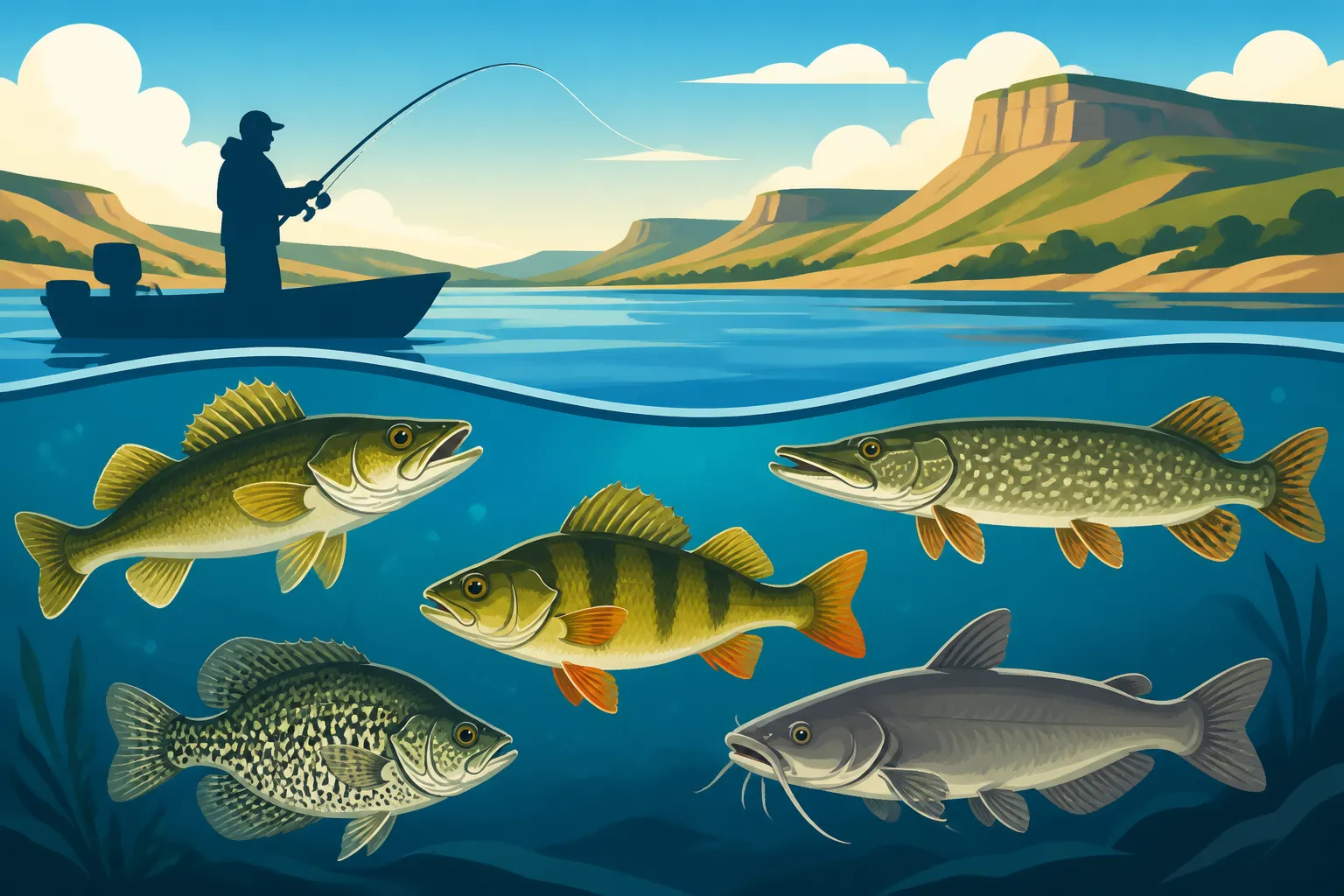
While walleye, pike, and salmon grab a lot of the headlines, Lake Sakakawea is home to a fantastic array of other game fish that provide excellent action and culinary delight. It's always a good idea to diversify your fishing targets, and these species offer ample opportunity to do just that.
Smallmouth Bass: The Feisty Fighters
If you love a hard-fighting fish that jumps and pulls like crazy, then the smallmouth bass is your kind of fish. While perhaps not as widespread across the entire lake as walleye, healthy populations of smallmouth bass can be found in Lake Sakakawea, especially around rocky shorelines, riprap, and submerged rock piles. These bronze beauties are incredibly spirited fighters, earning them a reputation as one of the most fun fish to catch pound-for-pound.
Smallmouth bass are sight feeders and will readily strike a variety of lures, including crankbaits, spinnerbaits, tube jigs, topwater baits, and soft plastics. They're often found in clearer water sections and can be very aggressive, especially during warmer months. Targeting smallmouth offers a different kind of challenge and a different kind of thrill compared to the more subtle walleye bite. If you're near a rocky point or a gravel bar, don't hesitate to cast a smallmouth-specific lure. You'll be amazed at the fight they put up! For more on these acrobatic fish, see Lake Sakakawea Smallmouth Bass Fishing.
Channel Catfish: The Bottom Dwellers
Don't underestimate the channel catfish in Lake Sakakawea! While the Red River often gets the spotlight for its colossal catfish, Sakakawea has a very strong population of channels that can grow to impressive sizes, offering a powerful, sustained fight. Catfish are generally found in the deeper, warmer parts of the lake, especially in the old river channel areas, and in bays where current is present.
They are primarily bottom feeders and have an incredible sense of smell, making stink baits, cut bait, and even chicken livers highly effective. Catfishing is often a more relaxed style of fishing, perfect for setting up a few rods with circle hooks, kicking back, and enjoying the scenery while you wait for a heavy bite. Many anglers find night fishing to be particularly productive for catfish, as they become more active after dark. These fish are also excellent table fare, with their firm, white meat being a favorite for many. A sturdy rod and reel are recommended, and you can find many great options on Amazon, designed specifically for handling these strong bottom dwellers.
White Bass and Crappie: Panfish and More
Lake Sakakawea also boasts healthy populations of white bass and crappie, offering fantastic light-tackle action, especially for families or those looking for consistent bites.
White bass are schooling fish that often roam open water, feeding on schools of baitfish. When you find them, you can often catch them one after another, making for incredibly fast-paced action. Look for them busting bait on the surface or locate them with your fish finder. Small spoons, inline spinners, and Kastmasters are highly effective. They're strong fighters for their size and provide excellent table fare.
Crappie, both black and white, prefer structure like submerged timber, brush piles, and weed edges. They are incredibly popular panfish, known for their delicate, flaky meat. You can catch them with small jigs tipped with minnows or soft plastics, fished under a bobber or slowly retrieved. During spring, they'll move into shallower areas to spawn, making them easier to target. Finding a crappie school can mean hours of non-stop fun. Using a good fish finder, many excellent models available on Amazon, can greatly aid in locating these schooling fish, especially crappie that often hug submerged structure.
The Lesser-Known Locals and Forage Fish
Beyond the game fish that we actively target, Lake Sakakawea's ecosystem is also supported by a cast of other important species. These fish play vital roles, whether as part of the food chain, or simply as part of the lake's natural biodiversity.
Perch and Other Panfish: The Foundation of the Food Chain
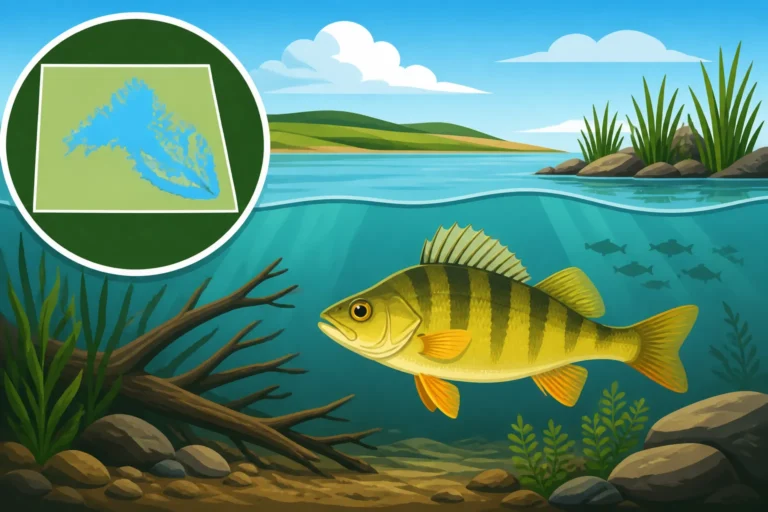
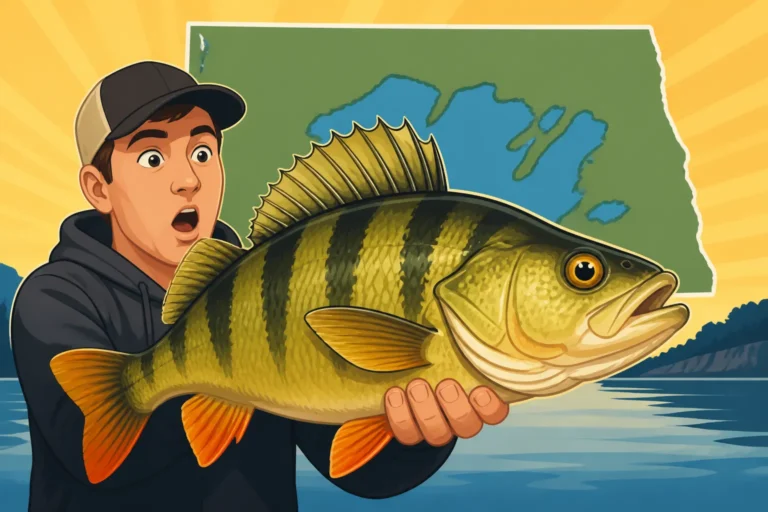
Yellow perch are a true North Dakota staple, and while they might not reach the trophy sizes found on some other lakes, Sakakawea still holds a strong population. Perch are incredibly important as a forage fish for walleye and northern pike, making them a crucial link in the food chain. They are also a blast to catch on light tackle, especially through the ice or in cooler water during spring and fall. Their firm, sweet meat makes them a highly sought-after delicacy.
Beyond perch, you might encounter other panfish like bluegill or even an occasional rock bass in shallower, vegetated areas. These smaller fish are fantastic for introducing kids to fishing, as they are often eager biters and don't require specialized gear. A simple worm and bobber setup is often all you need for a fun afternoon of panfishing.
Freshwater Drum and Other Bottom Feeders
You might also encounter freshwater drum, often called "sheepshead." These fish are common in Sakakawea and, while often overlooked by anglers, can grow quite large and put up a surprisingly strong fight. They feed on the bottom, often on crustaceans and mollusks, and will readily take baits meant for catfish or walleye. They're often considered a nuisance by some, but they are a native and integral part of the lake's ecosystem.
Other less commonly targeted species like suckers, carp, and various minnows also inhabit the lake, forming the base of the food web and contributing to the overall health and diversity of the fishery. While not typically game fish, they are important components of the aquatic community.
Invasive Species and Ecosystem Health
It's crucial to acknowledge the presence and threat of invasive species in Lake Sakakawea's ecosystem. Species like zebra mussels, if allowed to proliferate unchecked, can dramatically alter the delicate balance of the lake, impacting water quality, fish habitats, and even boat motors. The North Dakota Game and Fish Department works tirelessly to monitor and mitigate these threats, and every angler plays a critical role in preventing their spread.
Practices like "Clean, Drain, Dry" your boat and equipment after every outing are not just recommendations; they are vital steps to protect the pristine waters and diverse fish populations of Lake Sakakawea for future generations. Education and vigilance are key to preserving this precious resource. If you're interested in how to prevent their spread, check out How to Clean Your Boat to Stop Zebra Mussels.
Here's a quick look at some of the most common and sought-after fish species in Lake Sakakawea:
| Fish Species | Primary Habitat | Common Techniques | Culinary Value | Notes |
|---|---|---|---|---|
| Walleye | Rocky points, humps, old river channels, flats | Trolling, jigging, slip bobbers | Excellent | King of the lake, delicious, challenging |
| Northern Pike | Weedy bays, shallow points, open water | Casting spoons/spinners, tip-ups (ice) | Good | Aggressive, powerful fighters, toothy |
| Chinook Salmon | Deep, cold open water | Trolling with downriggers/leadcore | Excellent | Stocked, strong fighters, incredible runs |
| Smallmouth Bass | Rocky shorelines, riprap, gravel bars | Casting crankbaits, jigs, topwater | Good | Feisty, acrobatic, strong pound-for-pound |
| Channel Catfish | Deeper bays, old river channels, current seams | Bottom fishing with cut bait, stink baits | Good | Powerful fighters, active at night |
| White Bass | Open water, schooling around baitfish | Casting small spoons, spinners, jigging | Good | Fast-paced action, great for light tackle |
| Crappie | Submerged timber, brush piles, weed edges | Jigging with minnows/plastics, bobbers | Excellent | Popular panfish, delicious, schooling |
| Yellow Perch | Weed lines, soft bottoms, bays | Small jigs, minnows, worms | Excellent | Important forage, great for families |
| Freshwater Drum | Soft bottoms, deeper areas | Bottom fishing with worms, cut bait | Fair | Strong fighters, often overlooked |
Lake Sakakawea is a true gem, a vast playground for anglers of all stripes. Its incredible size and varied structure provide a home for a remarkable diversity of fish species, each offering its own unique challenge and reward. Whether you're chasing the golden gleam of a walleye, battling the brute force of a northern pike, or experiencing the thrilling runs of a Chinook salmon, there's an adventure waiting for you. Don't be afraid to explore, experiment, and enjoy the full spectrum of what this magnificent North Dakota reservoir has to offer. The more you learn about its inhabitants, the richer your fishing experience will be.
Disclaimer
This article is for general informational purposes only and does not constitute professional advice. Laws, prices and regulations vary by location and change over time. Consult a qualified professional for guidance on your specific situation.