Where Do You Catch the Biggest Perch on Devils Lake?
Oh, Devils Lake perch! There's something truly magical, and sometimes frustrating, about chasing those jumbo yellow perch that call North Dakota's largest natural lake home. Many anglers hit the ice or open water hoping to land one of those plump, vibrant fish, only to find themselves catching a lot of smaller ones. If you've ever spent hours drilling holes or casting lines, wondering where the real monsters are hiding, you're not alone. This guide is all about cutting through the chatter and getting down to the nitty-gritty of where and how to find the biggest perch that Devils Lake has to offer, turning those "average" days into potential trophy moments.
Understanding Devils Lake Perch Behavior
Devils Lake is legendary for its perch fishery, and for good reason. The lake's unique, ever-changing flooded timber and diverse structure create a perfect environment for perch to thrive and grow to impressive sizes. But these aren't your typical panfish in a farm pond; the biggest perch on Devils Lake are often older, wiser, and much more elusive. They have specific preferences that dictate where they spend their time, what they eat, and how they react to pressure. If you want to consistently catch bigger fish, you need to think like a big perch.
Habitat Preferences of Trophy Perch
It's easy to assume all perch live in the same places, but trophy-sized yellow perch often seek out specific micro-habitats that offer them an advantage. Unlike their smaller brethren, which might be found in large schools over open flats, the giants tend to gravitate towards areas that provide both ample food and security from predators. This means structure, and lots of it. Think about the densest submerged timber, old roadbeds, or sharp breaks that drop into deeper water. These aren't just random hiding spots; they're strategic locations that allow a big perch to ambush baitfish, find cover from eagles and bigger pike, and conserve energy.
For instance, on Devils Lake, where water levels have fluctuated so much over the decades, you'll find entire forests submerged beneath the surface. These drowned trees provide an incredible amount of vertical structure, creating countless nooks and crannies. A big perch isn't just sitting anywhere in that timber; it's often positioned on the outside edge of a dense clump, or near a subtle change in depth within the timber itself. They prefer areas where they can dart out to feed and then quickly retreat. Focusing your efforts on these prime, often overlooked pockets within larger structures can significantly increase your odds.
Seasonal Movements and Feeding Patterns
Just like other fish, perch on Devils Lake have distinct seasonal movements and feeding patterns that are crucial to understand. You won't find trophy perch in the same spots year-round, or even at the same depths, for that matter. Their behavior is heavily influenced by water temperature, available forage, and spawning cycles. For example, during the spring spawn, larger female perch will move into shallower, vegetated areas to lay eggs. This can be a fantastic time to target them, but you need to be mindful of regulations and conservation.
In the summer, when the water warms up, big perch often move deeper, seeking cooler temperatures and concentrating around thermoclines if present, or suspending over deep main lake basins where they can intercept schools of baitfish like ciscoes or shiners. Winter, of course, brings them under the ice, and while they might school up, the biggest ones still tend to relate to specific structures or subtle depth changes within those schools. For instance, knowing how perch move shallow or deep in winter can make all the difference. Early and late ice can also be prime times, as fish are often more aggressive and accessible near weed lines or breaklines before heavy fishing pressure sets in. Keeping an eye on what smaller perch are doing can give you clues, but remember the giants might be slightly off to the side, or a bit deeper, patiently waiting.
Key Locations for Monster Perch on Devils Lake
Devils Lake isn't just one big body of water; it's a complex system of bays, flooded land, and channels. Pinpointing specific areas known for producing larger perch is crucial. It's not about randomly drilling holes or casting in open water; it's about understanding the lake's geography and where trophy perch want to be. Some of the best Devils Lake perch fishing spots are those that offer a combination of ideal habitat, forage, and protection from predators and excessive angling pressure.
Flooded Timber and Submerged Structures
Hands down, the flooded timber on Devils Lake is perhaps the most iconic and productive habitat for big perch. As the lake levels rose over the decades, entire groves of trees were submerged, creating an underwater forest that's a labyrinth of cover. For many anglers, this is where the legendary Devils Lake Flooded Timber Fishing Spots come into play. These areas are not only incredible sanctuaries for perch but also act as ambush points for feeding. The timber breaks up current, provides shade, and attracts invertebrates and smaller baitfish, which are all on the menu for a hungry jumbo perch.
When fishing these areas, look for the densest pockets of timber, especially where it meets a breakline or an old roadbed. Often, the biggest perch aren't right in the middle of the thickest stuff, but rather on the edges or in small clearings within the timber. It's a game of precision and patience. You'll often find that the biggest fish are solitary or in very small groups, unlike the massive schools of smaller perch. Don't be afraid to work one isolated tree or a small clump for an extended period, especially if your electronics show activity. These spots require careful boat positioning in open water or precise hole-drilling during ice season, but the rewards can be phenomenal.
Deepwater Basins and Transition Zones
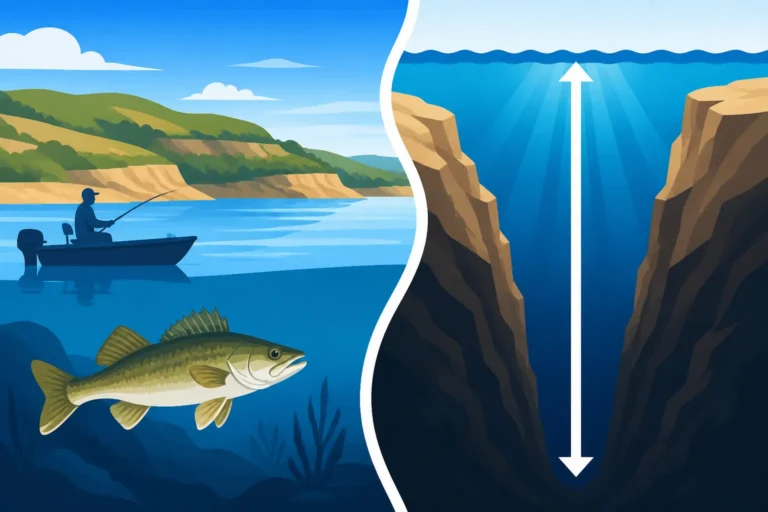
While timber gets a lot of attention, don't overlook the deeper basins and transition zones, especially during the colder months or hotter parts of summer. These areas, particularly where a flat transitions sharply into a deep basin or a submerged hump rises from the depths, can be magnets for the biggest perch. These aren't just empty expanses of water; they often hold schools of baitfish, attracting perch that are looking for a substantial meal.
Consider the areas around "the mauvaises terres" or regions that drop off into the deeper main lake basins. During the winter, when the lake is covered in ice, finding these subtle contours can be challenging but incredibly rewarding. A prime example would be a deep point or submerged island that drops from 15 feet down to 30 feet, creating a natural funnel for baitfish and a perfect feeding ground for large perch. These transition zones offer easier travel lanes and access to different depths, allowing perch to move up and down to feed as conditions change. Utilizing advanced sonar units to map these underwater features is crucial for success in these less visually obvious spots. Many guides, especially those you might find through platforms like FishingBooker, specialize in breaking down these complex underwater landscapes.
Access Points and Less-Pressured Areas
It might sound counter-intuitive, but sometimes the biggest perch can be found near popular access points, if you know how to fish them differently, or conversely, in areas that are harder to reach and thus experience less pressure. Anglers often flock to the most advertised spots, creating significant fishing pressure. The biggest perch, being smarter and warier, learn to avoid these high-traffic zones during peak times.
Think about areas just a little further from boat ramps or ice roads, or spots that require a bit more effort to reach, whether that means a longer walk with an ice fishing sled or navigating tricky shallow areas with a boat. For example, some bays that are harder to get into during early ice, or require smaller boats in open water, can hold untouched populations of bigger perch. Even in popular areas, try fishing slightly off the beaten path – a little deeper, a little shallower, or a bit further from the main group of anglers. Sometimes, the bigger fish are just a stone's throw away from the crowds, simply requiring a different presentation or a willingness to explore a less obvious patch of cover. Accessing these more remote zones can be a challenge, but the payoff in terms of unpressured, larger perch can be immense.
Techniques and Gear for Targeting Big Perch
Once you've zeroed in on the potential hiding spots for Devils Lake's jumbo perch, the next step is to present your offering in a way that tempts these wary fish. Catching a trophy perch isn't just about being in the right place; it's about using the right tools and techniques to trigger a bite from a fish that's seen it all. From delicate presentations to precise lure choices, every detail matters when you're trying to land one of those state-record contenders.
Bait and Lure Selection for Giants
When targeting the biggest perch, you need to think about what a mature fish is looking for – a substantial meal. While smaller perch might nibble at tiny offerings, a jumbo perch often prefers a bigger profile. This means upsizing your bait and lure selection. Forget the tiny crappie jigs; we're talking about something with more presence. For instance, the Best Jig Size for Perch Through the Ice might be slightly larger than what you'd use for smaller panfish. Think 1/8 to 1/4 ounce jigs, especially those tipped with a full minnow, a larger minnow head, or a couple of waxworms.
Beyond live bait, artificial lures can be incredibly effective. Small lipless crankbaits, spoons like the Northland Forage Minnow or Custom Jigs & Spins Slender Spoon, and heavier tungsten jigs tipped with soft plastic tails (like a Northland Bro Bug or Impulse Minnow) can mimic the baitfish that large perch prey upon. Colors can be crucial too; natural patterns like silver, gold, or perch-mimicking hues often work best in clear water, while brighter colors like chartreuse or orange can shine in stained water or during low-light conditions. Don't be afraid to experiment, but always lean towards presentations that offer a more significant meal.
Rods, Reels, and Line for Sensitivity
The finesse required to catch big perch, especially through the ice, demands a sensitive setup. You're not usually fighting a fish that rips line off your reel like a walleye or northern pike, but rather one that often has a subtle bite. For this, a medium-light to medium power rod with a fast or extra-fast action is ideal. This allows you to feel those delicate taps and see subtle rod tip dips. When you're trying to How to Jig for Perch on Devils Lake, that sensitivity is paramount.
Matching your rod with a small, lightweight spinning reel (like a 1000 or 2000 size) spooled with light, low-stretch line is key. Four to six-pound test monofilament or fluorocarbon is generally sufficient, though some anglers prefer a super-sensitive braided line in the two to four-pound range, with a short fluorocarbon leader for stealth. The low stretch of braided line transmits even the slightest bite directly to your hand, which can be a game-changer when fish are finicky. When rigging, remember that perch often feed upward, so a horizontal presentation or a jig that hangs level can be more appealing than one that hangs vertically.
Advanced Electronics and Ice Fishing Strategies
In the vastness of Devils Lake, especially when you're dealing with deep water or intricate submerged structure, electronics aren't just a luxury—they're a necessity. A good fish finder, whether it's a flasher or an LCD unit, can help you How to Find Perch Schools Under the Ice, identify individual fish, and even see how they react to your bait. Knowing what's directly beneath you, including baitfish and structure, instantly puts you at an advantage. Look for high-resolution units that can show baitfish clouds and individual fish arches clearly. Brands like Humminbird and Garmin offer excellent portable units perfect for both ice and open water.
When ice fishing, don't just sit in one spot. Drilling multiple holes in a grid pattern around promising structure or over a breakline can help you pinpoint where the biggest perch are holding. Start shallow and work your way deeper, or vice-versa, focusing on specific contours identified on your map chip. Remember, perch, especially the big ones, can be quite nomadic, moving throughout the day. If the bite slows, don't be afraid to move a short distance and try another hole. Furthermore, understanding the nuances of how long Devils Lake takes to freeze can give you an edge for early ice access, and being prepared with the right gear, like a reliable ice auger, is paramount. Many top-tier guides listed on FishingBooker leverage these advanced electronics and multi-hole strategies to consistently put their clients on the biggest perch.
Factors Influencing Perch Size and Success
Beyond just location and tackle, there are several environmental and biological factors that play a significant role in determining both the size of perch in Devils Lake and your success in catching them. Understanding these nuances can give you an even greater edge, allowing you to adapt your strategy to the conditions and increase your chances of landing a true trophy.
Weather and Barometric Pressure Effects
Like most fish, perch are highly susceptible to changes in weather and barometric pressure. Stable weather patterns, especially those with consistent or slowly falling barometric pressure, often lead to more active feeding windows. Conversely, rapidly changing weather fronts, especially a sudden cold front, can shut down the bite almost completely. When a big storm front is approaching, just before it hits, the pressure often drops steadily, prompting fish to feed aggressively. This can be a prime time for targeting big perch.
After a major front passes, and the barometric pressure stabilizes at a high level, perch can become lethargic and less willing to chase baits. During these tougher conditions, a more subtle, vertical presentation might be more effective. Consider slowing down your retrieve, using smaller jigging motions, and offering natural baits. The Best Time of Day for Ice Fishing Perch can also be influenced by these weather patterns, with early morning and late afternoon often being productive during stable periods. Paying attention to weather forecasts and understanding how these changes impact fish behavior can help you plan your fishing trips for optimal success.
Understanding Perch Spawning and Growth
The sheer size of perch in Devils Lake is a testament to the lake's rich ecosystem and the growth rates it affords. Understanding the Yellow Perch Identification and State Record can inspire anglers to seek out these larger specimens. Perch typically spawn in the spring, once water temperatures reach the mid-40s to low 50s Fahrenheit, usually around April or May in North Dakota. During this time, larger female perch move into shallower, vegetated areas to lay their distinctive accordion-like egg strands. While they can be found in these shallower areas during the spawn, fishing ethically and allowing them to reproduce undisturbed is vital for the health of the fishery.
Outside of the spawn, perch growth is primarily driven by food availability. Devils Lake's abundant forage base, including various minnow species and invertebrates, allows perch to grow quickly and reach impressive sizes. The Average Size of Perch on Devils Lake is often larger than in many other fisheries, making it a true destination for perch enthusiasts. Factors like water levels, nutrient runoff, and the presence of predators (like walleye and northern pike) all play a role in managing perch populations and their overall size. This dynamic environment contributes to Why Are Devils Lake Perch So Popular? among anglers.
Conservation and Ethical Angling
While chasing trophy perch is incredibly exciting, it's paramount to practice responsible angling and conservation. Devils Lake is a precious resource, and its amazing perch fishery depends on anglers doing their part. This means adhering to North Dakota Fishing Regulations Explained, especially regarding daily limits and possession limits for perch. While there aren't specific size limits on perch like there are for walleye, being mindful of harvesting only what you need and practicing catch and release for some of the biggest breeders can help sustain the population.
Consider using appropriate gear that minimizes harm to released fish, such as single, barbless hooks, and handling fish gently if you plan to release them. Rapidly changing ice fishing shelter rules on North Dakota lakes also highlight the need to stay informed and respect the environment. Educating yourself on the rules and respecting private property and public access points ensures that future generations can enjoy the incredible experience of fishing for Devils Lake's jumbo perch. The sustained health of the fishery is a collective responsibility, and every angler plays a role.
| Season | Typical Perch Location | Preferred Bait/Lure | Key Techniques |
|---|---|---|---|
| Early Ice | Shallow to mid-depths (8-20 ft), weed edges, flooded timber. | Small spoons, tungsten jigs (1/8 oz) tipped with minnow heads/plastics. | Aggressive jigging, quick searching, moving frequently. Focus on areas with remaining green weeds. |
| Mid-Winter | Deeper basins (20-40 ft), transition zones, main lake humps, dense timber. | Larger spoons, rattling jigs (1/4 oz), larger minnows. | Slower jigging, bottom pounding, dead sticking. Patience is key; fish often hold tight to structure. |
| Late Ice | Moving shallower (10-25 ft), near inlets, old roadbeds, submerged points. | Medium spoons, soft plastics, minnow bodies. | More active jigging, targeting pre-spawn staging areas. Focus on oxygenated water near inflows. |
| Open Water (Spring/Fall) | Shallows for spawn/feeding (5-15 ft), then mid-depths (15-25 ft) on points/humps. | Jig and minnow, small crankbaits, slip bobbers with live bait. | Casting, slow trolling, drifting. Target wind-blown points and shallower structure where baitfish congregate. |
| Open Water (Summer) | Deeper main lake basins (25-40 ft), around thermoclines, submerged trees. | Drop shots, heavier jigs with large plastics, small diving crankbaits. | Vertical jigging, precision boat control, using electronics to find suspended schools. |
Chasing the biggest perch on Devils Lake is a true adventure, combining knowledge of fish behavior, specific lake geography, and refined angling techniques. It's a journey that often teaches you as much about patience and persistence as it does about fishing. By understanding where these elusive giants prefer to live, how they feed through the seasons, and equipping yourself with the right gear and strategies, you significantly increase your chances of landing that North Dakota trophy perch. Remember to always respect the resource and fish ethically, ensuring this incredible fishery remains vibrant for generations to come.
Disclaimer
The information provided in this guide is for general informational purposes only and is subject to change. Fishing regulations, season dates, and limits for North Dakota can be updated by the North Dakota Game and Fish Department. Always consult the official North Dakota Fishing Regulations and Proclamations before heading out on the water. Stay safe and enjoy your time on Devils Lake!