Lake Audubon Smallmouth Bass Average Size
When you’re planning a trip to cast lines on North Dakota’s incredible waters, one of the most exciting thoughts is reeling in a feisty smallmouth bass, especially from a renowned spot like Lake Audubon. Many anglers wonder, "What's the typical size I can expect to catch?" It’s a completely valid question, as knowing the average size helps manage expectations, choose the right gear, and appreciate the fishery. This guide will dive deep into what you can realistically expect from Lake Audubon's smallmouth bass, covering their average size, what makes them tick, and how you can target those bigger bronzebacks.
Understanding Smallmouth Bass in North Dakota's Waters
Smallmouth bass are truly remarkable fish, known for their incredible fighting spirit and acrobatic leaps once hooked. They're often called "bronzebacks" due to their distinctive coloration and are a favorite target for many anglers across North Dakota. Unlike their largemouth cousins, smallmouth prefer clear, cool waters with rocky bottoms, gravel, and sparse vegetation, which makes certain North Dakota lakes and rivers perfect habitats for them.
General Characteristics and Growth Rates
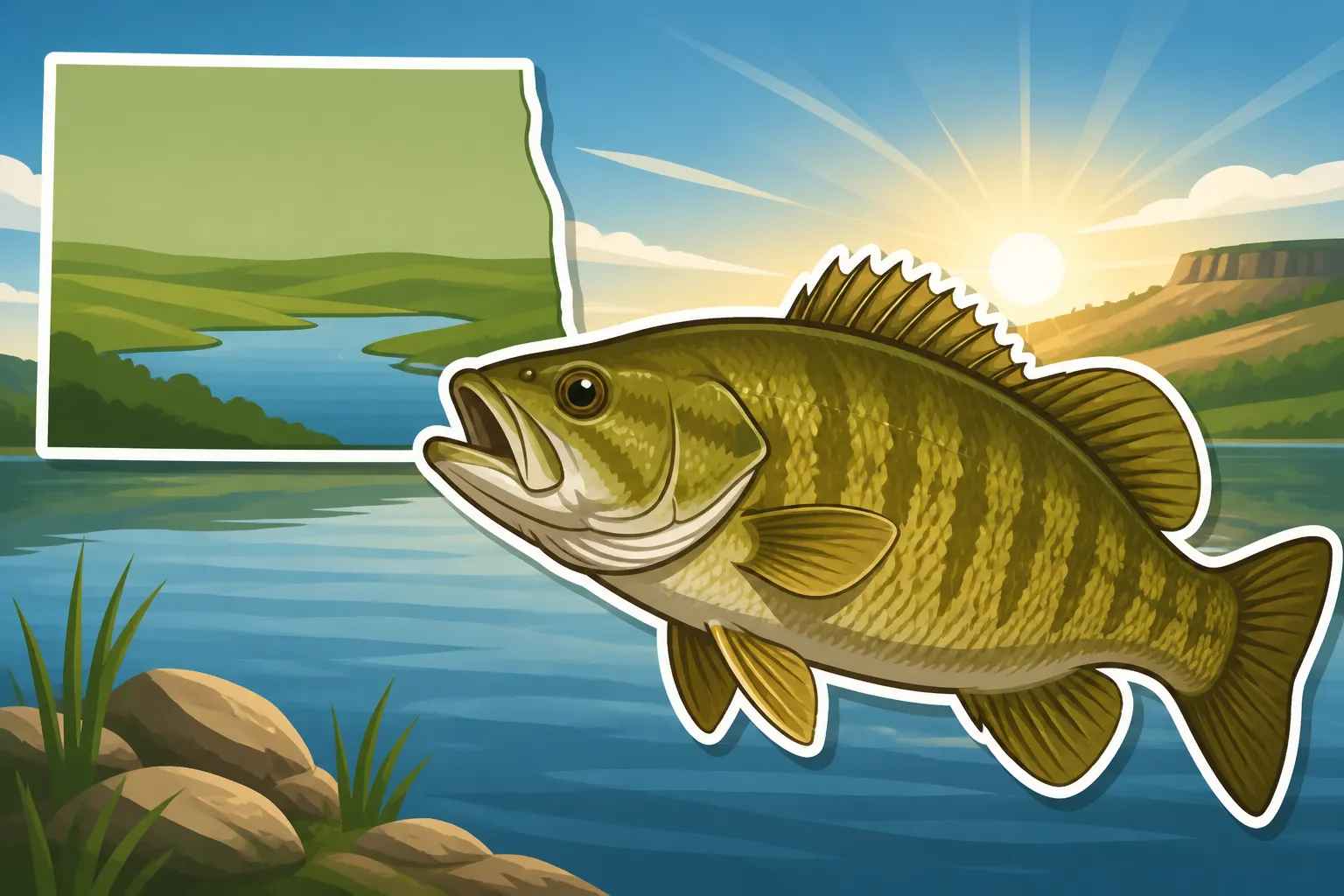
Smallmouth bass typically have a streamlined body, a large mouth that doesn't extend beyond the eye, and dark vertical bars or spots along their sides. Their color can vary quite a bit depending on the water clarity and bottom composition of their habitat, ranging from light brown to almost black on the back, fading to a creamy white belly. When it comes to growth, smallmouth bass in North Dakota can grow at varying rates influenced by several factors. A rich food supply, stable water temperatures, and good habitat conditions all contribute to faster growth and larger average sizes. They primarily feed on crayfish, minnows, insects, and other small aquatic creatures.
In North Dakota, smallmouth bass generally reach sexual maturity around 3-4 years old, at which point they might be anywhere from 10 to 14 inches long. After that, their growth continues, though it slows down as they age. A healthy smallmouth can live for 8 to 12 years, sometimes even longer in ideal conditions. Understanding these growth patterns helps us appreciate the older, larger fish that we hope to encounter on our fishing expeditions.
North Dakota's Smallmouth Bass Presence
While not as widespread as walleye or northern pike, smallmouth bass have established healthy populations in several key North Dakota fisheries. The Missouri River system, including its reservoirs like Lake Sakakawea and, of course, Lake Audubon, are prime examples. These areas provide the ideal combination of deep, clear water, rocky structures, and abundant forage that smallmouth thrive in. Anglers specifically looking for smallmouth often gravitate towards these waters, knowing they offer consistent action and the chance for some truly impressive catches.
Lake Audubon, specifically, is a gem for smallmouth enthusiasts. Its complex underwater topography, with numerous points, humps, and rocky shores, mimics the perfect smallmouth environment. The lake's connection to the McClusky Canal and its position within the Missouri River system also contribute to its robust fish populations. For those exploring where to find these tenacious fighters, Lake Audubon often comes up as a top recommendation in any discussion about North Dakota Smallmouth Bass Fishing Guide.
Average Size of Smallmouth Bass in Lake Audubon
So, what’s the real scoop on smallmouth bass size in Lake Audubon? Anglers who frequent this expansive body of water often report consistent success with good-sized fish, making it a highly desirable destination for targeting these hard-fighting beauties.
Typical Size Range for Anglers
Based on consistent angler reports and North Dakota Game and Fish Department surveys, the average size of smallmouth bass caught in Lake Audubon typically falls into a very respectable range. Most anglers can expect to regularly catch fish between 14 to 18 inches in length. These fish generally weigh between 1.5 to 3 pounds, providing a fantastic fight on appropriate tackle. It's not uncommon for seasoned anglers, or even those on a guided trip booked through a platform like FishingBooker, to land several fish in the 16-inch class during a good outing.
While this represents the "average" catch, Lake Audubon certainly holds larger specimens. Fish in the 19-20 inch range, weighing 4 to 5 pounds, are considered trophy-class for many, and these giants are present, albeit less frequently caught. The North Dakota state record smallmouth bass was actually caught in Lake Sakakawea, a connected body of water, weighing over 8 pounds, which speaks to the potential for truly massive fish within this system. While an 8-pounder is a rare beast, consistent catches of healthy 2-3 pound smallmouth make Lake Audubon a premier destination.
Factors Influencing Audubon's Bass Size
Several critical factors contribute to the impressive average size of smallmouth bass found in Lake Audubon:
- Forage Abundance: Lake Audubon boasts a healthy population of prey species, including various minnows, yellow perch fry, and especially crayfish. Crayfish are a staple in a smallmouth's diet and are packed with protein, fueling rapid growth. The more abundant and accessible this high-quality forage is, the larger the bass tend to grow.
- Optimal Habitat: As mentioned, Lake Audubon's structure is perfectly suited for smallmouth bass. The rocky shorelines, submerged humps, and distinct drop-offs provide excellent ambush points, hiding spots, and spawning grounds. A stable and diverse habitat reduces stress on the fish, leading to healthier, larger individuals.
- Water Quality and Temperature: Smallmouth thrive in clean, oxygen-rich waters with specific temperature ranges. Lake Audubon generally maintains good water quality and experiences temperature fluctuations that, while seasonal, remain within the optimal range for smallmouth growth and activity for much of the open-water season.
- Fishing Pressure and Management: While Lake Audubon is a popular fishery, responsible angling practices and the North Dakota Game and Fish Department's management strategies help sustain healthy populations. Regulations concerning size and bag limits play a crucial role in allowing fish to grow to a mature size before being harvested, contributing to the overall average size of the population. Understanding North Dakota Fishing Regulations Explained is vital for all anglers.
Comparing Audubon to Other ND Smallmouth Fisheries
When you compare Lake Audubon's smallmouth fishery to other notable smallmouth spots in North Dakota, it truly stands out. While other lakes like Lake Sakakawea and certain stretches of the Missouri River also produce excellent smallmouth, Audubon consistently offers a high probability of encountering fish in that desirable 14-18 inch bracket. For example, some smaller lakes might have smallmouth, but they might not reach the same average size due to lesser forage or habitat limitations.
Devils Lake, another popular destination, is more renowned for its walleye and perch, although it does hold some smallmouth in certain areas. However, for sheer numbers of quality smallmouth, Lake Audubon often takes the lead. Its reputation is well-deserved, attracting anglers specifically looking for that bronzeback brawl. Consulting local fishing reports or even checking out guide offerings on a site like FishingBooker can often give you a real-time snapshot of how Audubon compares to other lakes at any given moment.
Here's a quick comparison of typical smallmouth sizes in some popular North Dakota smallmouth fisheries:
| Fishery | Typical Length Range (Inches) | Typical Weight Range (Pounds) | Noteworthy Characteristics |
|---|---|---|---|
| Lake Audubon | 14 – 18 | 1.5 – 3 | Consistent numbers of quality fish, good trophy potential. |
| Lake Sakakawea | 12 – 20+ | 1 – 5+ | Potential for state record fish, but can be less consistent. |
| Missouri River | 10 – 16 | 0.75 – 2 | Strong current fighters, good numbers in certain stretches. |
| Lake Oahe (ND portion) | 12 – 18 | 1 – 3 | Similar to Sakakawea, good habitat, less overall pressure. |
| Renwick Dam | 10 – 15 | 0.5 – 1.5 | Smaller lake, good for numbers, but average size is smaller. |
How to Catch Bigger Smallmouth Bass on Lake Audubon
Catching an average-sized smallmouth is always fun, but many anglers are on the hunt for those true giants. Lake Audubon offers that potential, and with a few refined techniques and a bit of local knowledge, you can significantly increase your chances of landing a memorable bronzeback.
Best Baits and Lures for Larger Fish
Targeting bigger smallmouth often requires using slightly larger presentations and understanding their feeding behaviors. These larger fish are often more solitary or hold in specific, deeper structures.
- Jigs and Plastics: Jig fishing is arguably one of the most effective ways to catch smallmouth on Lake Audubon. For larger fish, opt for jigs in the 3/8 to 1/2 ounce range, paired with creature baits, tubes, or swimbaits that imitate crayfish or larger minnows. Colors like green pumpkin, brown, and black are excellent choices, especially when fishing rocky bottom. The key is to present them close to the bottom, mimicking a crayfish scuttling or a minnow darting. Learning specific Jigging for Walleye on Lake Sakakawea techniques can also apply to bass when adapted for their habits.
- Crankbaits and Jerkbaits: When smallmouth are aggressive and feeding higher in the water column or along abrupt drop-offs, crankbaits and jerkbaits can be deadly. Deep-diving crankbaits in shad or perch patterns can be effective when trolled or retrieved over humps and points. Jerkbaits are fantastic for suspended fish or when fishing around sparse cover; their erratic action often triggers reaction strikes from big bass.
- Spinnerbaits and Chatterbaits: These lures excel in slightly stained water or around submerged vegetation (if present) and can draw explosive strikes. Their flash and vibration mimic injured baitfish, making them irresistible to larger, predatory bass. Chartreuse and white combinations are often productive, as are those with gold or silver blades.
- Live Bait: While many prefer artificials, a live minnow or a large crayfish fished under a bobber or on a slip-sinker rig can be incredibly effective, especially for wary, larger fish. The natural movement and scent can often entice bites when artificials fail. You can learn more about Best Live Bait for North Dakota Walleye and adapt for smallmouth, as many baits overlap.
Always remember that these fish are tough fighters. Make sure your tackle is up to the task. A medium-heavy spinning or casting rod with a sensitive tip, paired with 8-12 lb fluorocarbon or braided line, is a good starting point. You can find more specific recommendations for Best Fishing Tackle for North Dakota Lakes to ensure you're well-equipped.
Prime Locations and Times of Year
Knowing where and when to fish can be as crucial as how you fish, especially for targeting bigger smallmouth in Lake Audubon.
- Structure is Key: Smallmouth bass are notorious structure-oriented fish. On Lake Audubon, focus your efforts on rocky points, submerged humps, rock piles, rip-rap along causeways, and areas with significant depth changes (drop-offs). These locations offer ambush points and access to deeper, cooler water. Use your fish finder to identify these features and look for baitfish schools nearby, which often indicate bass presence. Many anglers rely on specific Best Fish Finders for North Dakota Lakes to pinpoint these structures.
- Seasonal Movements:
- Spring (Ice-Out to Early June): As the ice recedes and water temperatures climb, smallmouth move shallower, often staging on rocky flats and points near spawning areas. This is a fantastic time for big fish, as they are hungry and aggressive before and after spawning. Look for water temperatures in the 50s and 60s Fahrenheit.
- Summer (June to August): During the hotter months, smallmouth will often move to deeper water, associating with offshore humps, deep rock piles, and main lake points where cooler water and oxygen are abundant. Early mornings and late evenings can still produce bites in shallower areas as they move up to feed.
- Fall (September to Ice-Up): As water temperatures drop, smallmouth begin to feed heavily, packing on weight for the winter. They often move back shallower during the day, especially on sunny, calm days, but will retreat to deeper breaks as cold fronts move in. This can be another excellent time to catch large, fat smallmouth. Understanding Seasonal Fish Movement Patterns in North Dakota Lakes will give you an edge.
Considering a guided trip, perhaps found via FishingBooker, can be a game-changer for unlocking these prime locations and seasonal patterns. Local guides have years of experience and up-to-the-minute knowledge of where the fish are holding.
Conservation and Responsible Angling Practices
While we all love the thrill of catching a big smallmouth, it's incredibly important to practice responsible angling to ensure that Lake Audubon's smallmouth fishery remains healthy and robust for generations to come. Conservation isn't just a buzzword; it's a commitment.
Catch and Release Best Practices
For many anglers targeting larger smallmouth, especially the trophy-sized fish, catch and release is a common practice. These bigger fish are crucial for the genetic health and future spawning success of the population. If you decide to release a fish, follow these guidelines:
- Minimize Handling: Try to keep the fish in the water as much as possible. If you must remove it, do so gently and support its full body weight horizontally. Avoid holding it vertically by its jaw, as this can cause internal damage.
- Wet Hands: Always wet your hands before touching the fish to protect its protective slime coat.
- Quick Release: Have your camera ready, snap a quick photo if you wish, and release the fish promptly. The less time it spends out of water, the better its chances of survival.
- Use Barbless Hooks: Consider using barbless hooks or pinching down barbs on your lures. This makes hook removal quicker and less damaging to the fish.
- Revive If Necessary: If a fish appears lethargic, hold it gently in the water, facing into the current, until it regains its strength and swims away on its own.
By following these simple steps, you contribute directly to the longevity of the fishery and ensure that other anglers, and even yourself, can enjoy catching big smallmouth in the future.
Understanding Regulations
North Dakota has specific fishing regulations in place to protect its fish populations, including smallmouth bass. While bag limits and size restrictions can vary by waterbody or change seasonally, it's crucial to be aware of the current rules for Lake Audubon. These regulations are designed to prevent overfishing and allow fish to reach mature sizes. For example, some lakes might have special size limits or slots designed to protect prime breeding fish.
Before heading out, always consult the most current North Dakota Fishing Guide or visit the North Dakota Game and Fish Department website. This will provide you with the latest information on daily limits, possession limits, and any length restrictions that might apply to smallmouth bass in Lake Audubon. Abiding by these rules ensures that our collective passion for fishing doesn't negatively impact the very resource we cherish. You can find detailed information on the North Dakota Fishing Regulations Explained page to stay compliant.
Disclaimer: Fishing regulations, conditions, and fish populations can change. Always consult the latest North Dakota Game and Fish Department proclamations and local resources before planning your fishing trip to ensure you have the most up-to-date information. This guide is for informational purposes only and does not supersede official regulations.